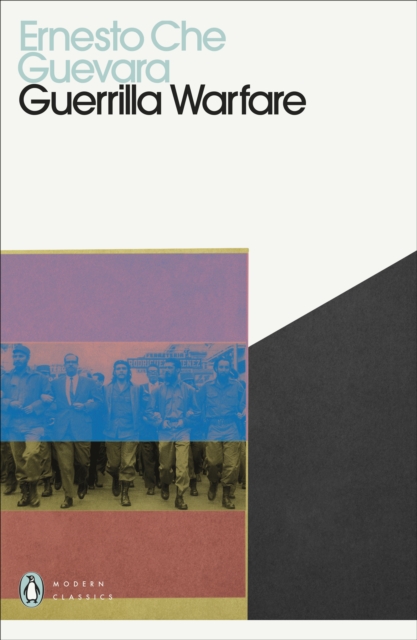
'Guerrilla warfare is a war of the masses, a war of the people'First published in 1961, following the successful Cuban Revolution, this is Che Guevara's handbook for guerrilla war.
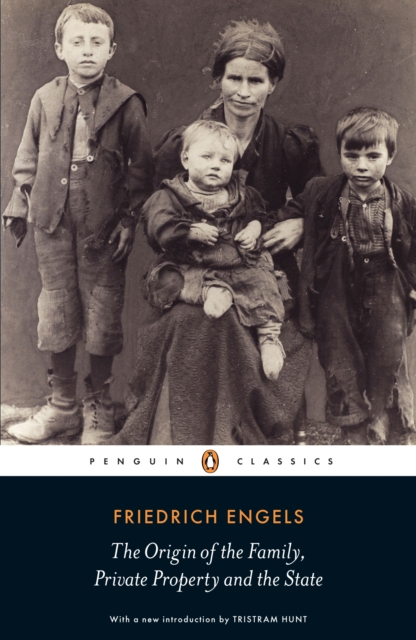
The Origin of the Family, Private Property and the State (1884), was a provocative and profoundly influential critique of the Victorian nuclear family.
Vladimir Lenin created this hugely significant Marxist text to explain fully the inevitable flaws and destructive power of Capitalism: that it would lead unavoidably to imperialism, monopolies and colonialism.
Written during Karl Marx's brilliant career as a polemical journalist, these blazing pieces tackle subjects ranging from the strikes of angry British workers to insurrection in Europe, from the American Civil War to the misery of colonial rule in India, demonstrating the radical spirit and outrage at social injustice that would make him one of the most influential political philosophers of all time.
In July 1917, when the Provisional Government issued a warrant for his arrest, Lenin fled from Petrograd; later that year, the October Revolution swept him to supreme power.
What changes in China's modern military policy reveal about military organizations and strategySince the 1949 Communist Revolution, China has devised nine different military strategies, which the People's Liberation Army (PLA) calls "e;strategic guidelines.
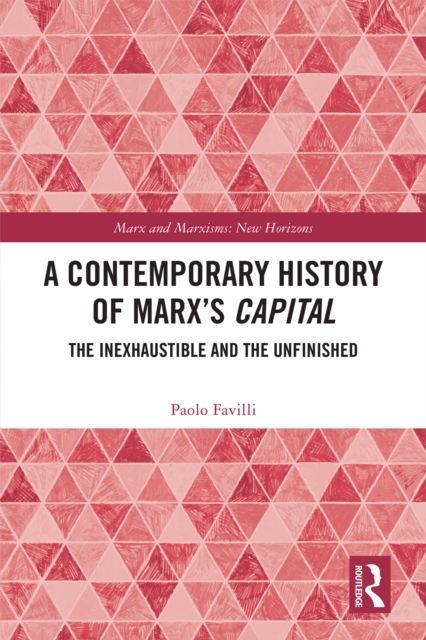
Paolo Favilli provides both students and scholars with an original reading of themes and issues found in Karl Marx's Das Kapital and its connections with present- day challenges.
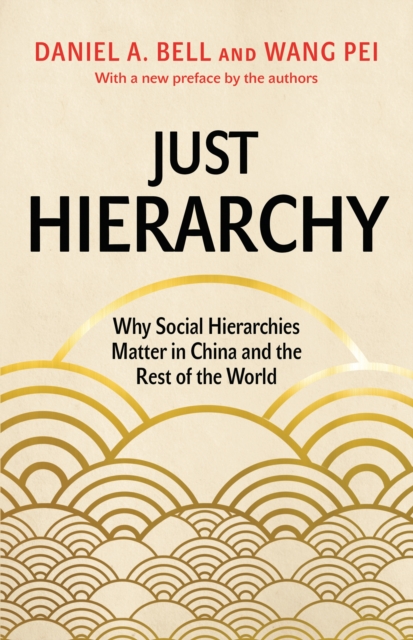
A trenchant defense of hierarchy in different spheres of our lives, from the personal to the politicalAll complex and large-scale societies are organized along certain hierarchies, but the concept of hierarchy has become almost taboo in the modern world.
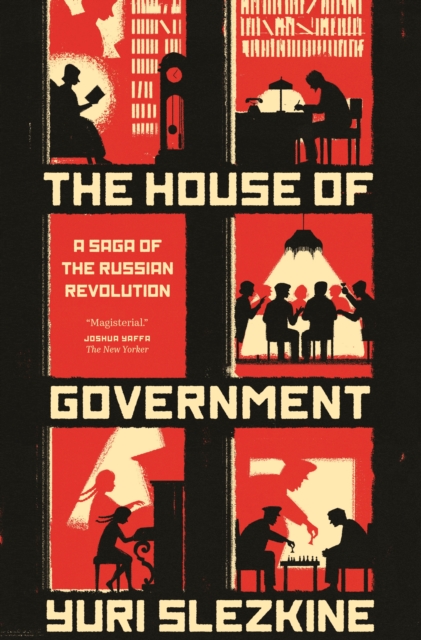
On the 100th anniversary of the Russian Revolution, the epic story of an enormous apartment building where Communist true believers lived before their destructionThe House of Government is unlike any other book about the Russian Revolution and the Soviet experiment.
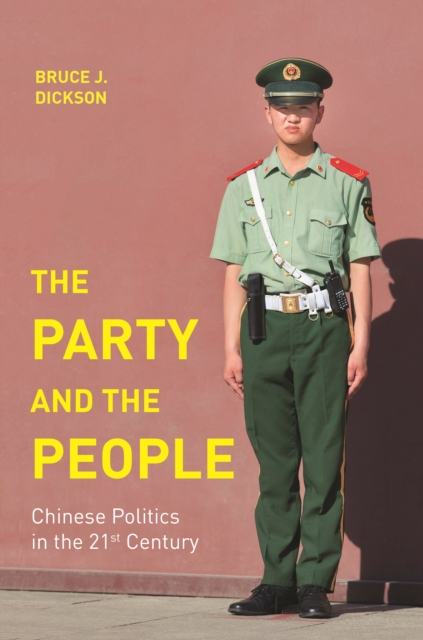
How the Chinese Communist Party maintains its power by both repressing and responding to its peopleSince 1949, the Chinese Communist Party (CCP) has maintained unrivaled control over the country, persisting even in the face of economic calamity, widespread social upheaval, and violence against its own people.
In contrast to the Lost Generation of youth in the West, who were disoriented and disillusioned by the First World War and its aftermath, the Chinese youth born between 1895 and 1905 not only believed they had a duty to save their nation but pursued their goal through social and political experimentation.
Over the past century, democracy spread around the world in turbulent bursts of change, sweeping across national borders in dramatic cascades of revolution and reform.
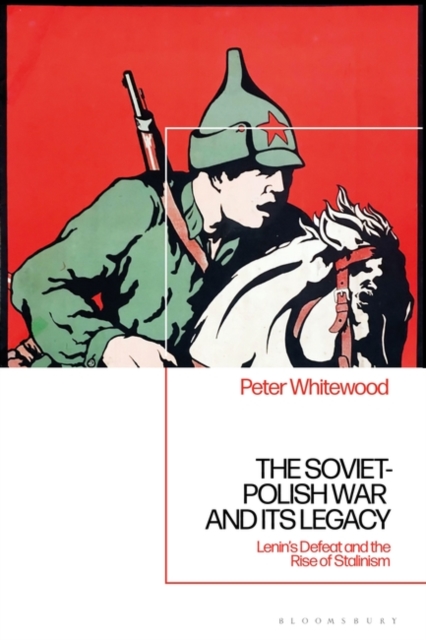
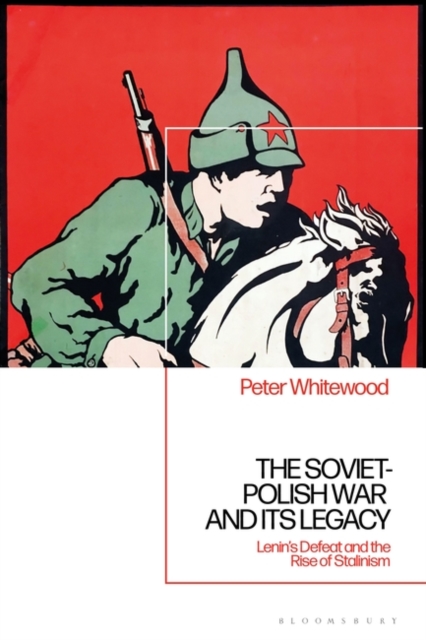
This detailed study traces the history of the Soviet-Polish War (1919-20), the first major international clash between the forces of communism and anti-communism, and the impact this had on Soviet Russia in the years that followed.
This detailed study traces the history of the Soviet-Polish War (1919-20), the first major international clash between the forces of communism and anti-communism, and the impact this had on Soviet Russia in the years that followed.
While their attempts to understand the workings of capitalism led them to the conclusion that the advanced societies of Western Europe were those most likely to be the setting for a successful socialist revolution, Marx and Engels by no means ignored developments outside this region.
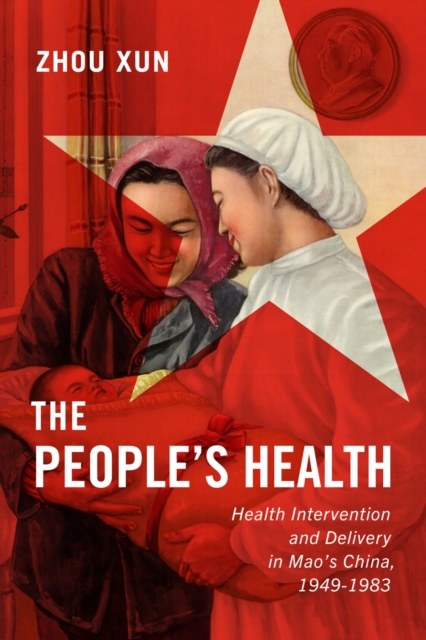
In 1949, the Communist Party of China pledged that its approach to health care would differ markedly from that of the former Nationalist government and the 'imperialist' West.
Bernie Sanders' socialist advocacy in the United States, communist China's economic successes and a Marxist revival are inspiring many to muse about improved strategies for building superior socialist futures.
Gorbachev at the Helm (1987) analyses the policy decisions taken at the 27th Congress of the Communist Party of the Soviet Union in February-March 1986, declared at the time by the Soviet government as a major turning point in Soviet history.
Wahrheit, Lüge & Vernunft - Über die Macht der ManipulationWir alle sind Fakten und Emotionen ausgesetzt und nicht immer sind die Grenze zwischen Wahrheit und Täuschung klartrennbar.
Cuando el capitalismo pone en serios aprietos al planeta, volvemos la vista a Marx, redescubierto una y otra vez como el pensador que nos legó la crítica más penetrante y feraz.
Based on theatrical research of unusual depth and enterprise, Theatre as a Weapon (1986) shows how the workers' theatre of the 1920s and 1930s transformed the social function of theatre.
The writings of Karl Marx (18181883) have left an indelible mark not only on the understanding of economics and political thought but on the lives of millions of people who lived in regimes that claimed (wrongly) his influence.
Paolo Favilli provides both students and scholars with an original reading of themes and issues found in Karl Marx's Das Kapital and its connections with present- day challenges.
The World Politics of Disco Elysium analyzes the distinctive political claims and original arguments on a wide range of international political issues of the highly-acclaimed Marxist video game Disco Elysium (2019), which takes place in a speculative fictional world anchored in a post-Soviet Estonian perspective.
De-Stalinization and the House of Culture (1990) looks at the houses of culture - arts centres which in the Stalinist period functioned as agencies of political socialisation - and the changes in their character and functions since Stalin's death.