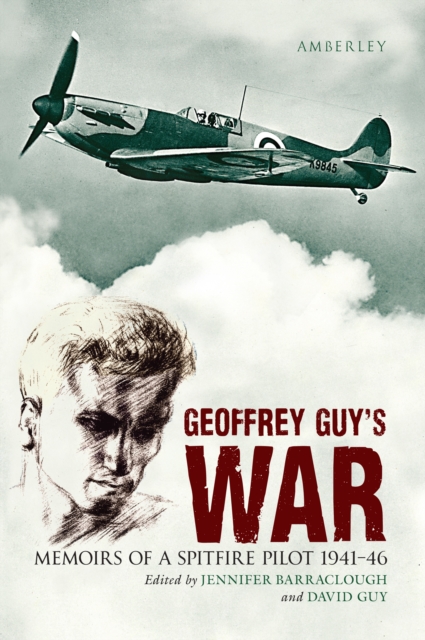
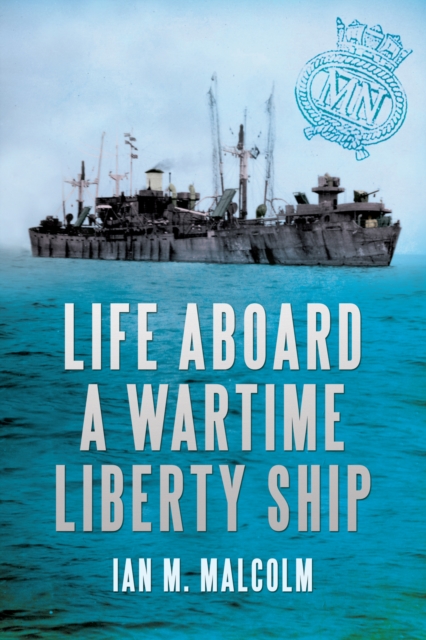
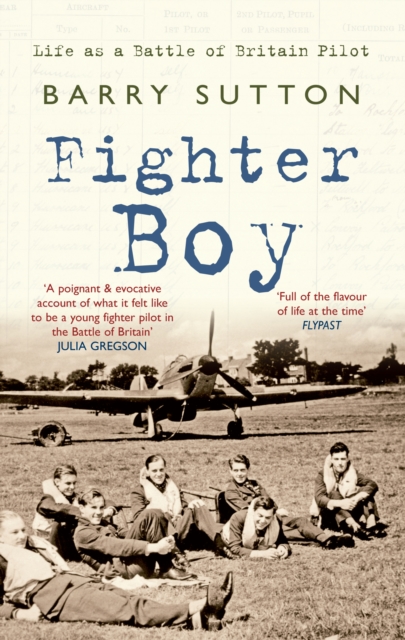
Geoffrey's memoir opens in May 1940, when he was eighteen years old and his grammar school in Kent was being evacuated to Staffordshire, away from the danger of German invasion.
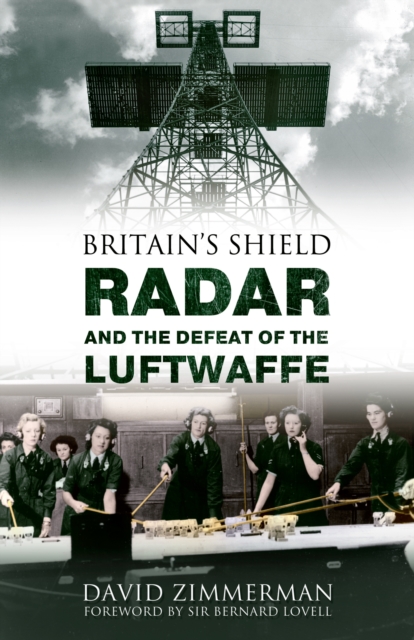
The individual bravery and skill of the Battle of Britain pilots and the fighting qualities of their aircraft would have been in vain if they had not been part of a highly complex and sophisticated air defence system based on radar.
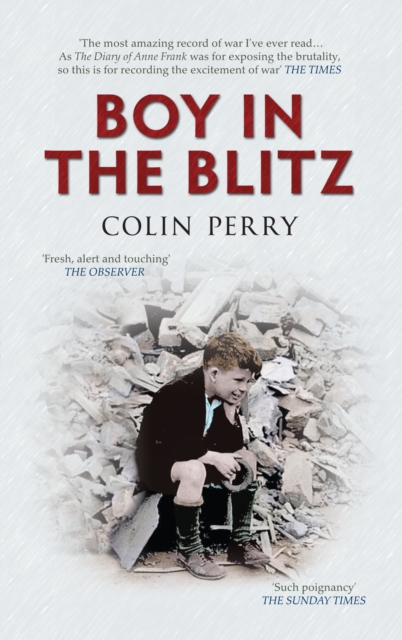
This is almost all of what survives of a journal Colin Perry kept between March and November 1940, when he was eighteen years old, written in his home in Tooting and in the City of London where he worked.
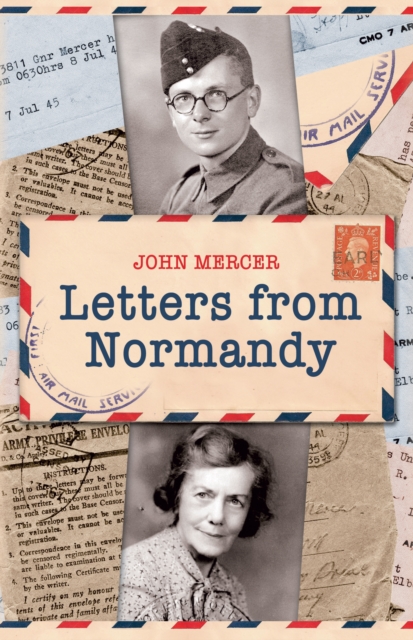
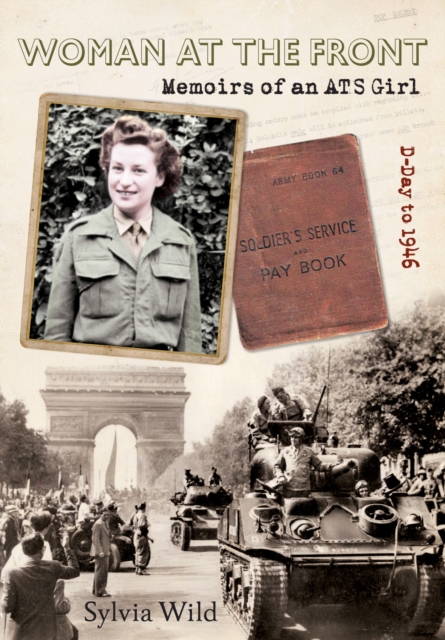
Prior to D-Day General Montgomery, the Commanding Officer of HQ21 Army Group, gathered together a small number of ATS girls who had volunteered to serve abroad.
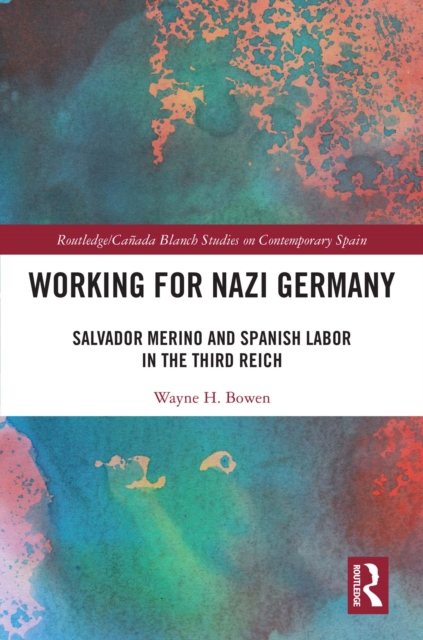
This book examines the leadership of Gerardo Salvador Merino, the chief director of the Sindicatos, fascist-controlled unions under the Franco Regime, and his plan to send 100,000 volunteer Spanish workers to Nazi Germany.
Hitlers Stolen Children is a powerful, first-person account of being at the heart of one of the Nazis cruelest and most obscene experimentsthe Lebensborn program to create a new Aryan master race.
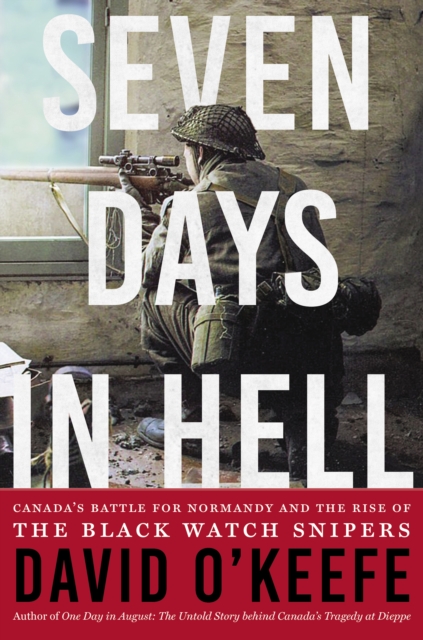
A riveting tour de force by Canadas leading military historian about the heroic Black Watchs fight for survival at Verrires Ridge Centred around one of Canadas most storied regiments,Seven Days in Helltells the epic tale of the bloody battle for Verrires Ridge, a dramatic saga that unfolded just weeks after one of Canadas greatest military triumphs of the Second World War.
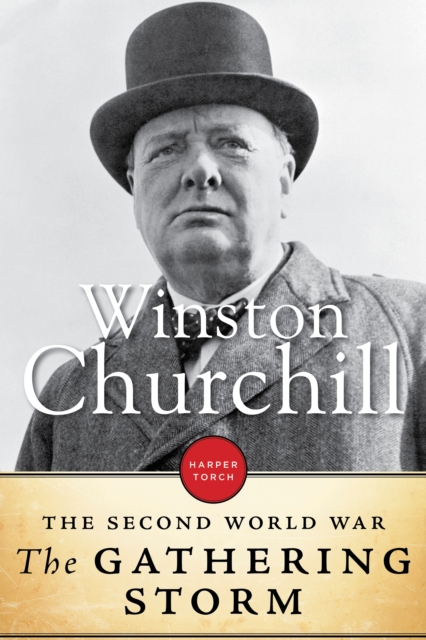
The Gathering Storm is the first volume in Winston Churchills The Second World War, a history of World War II from the end of the First World War to the conclusion of the second in 1945.
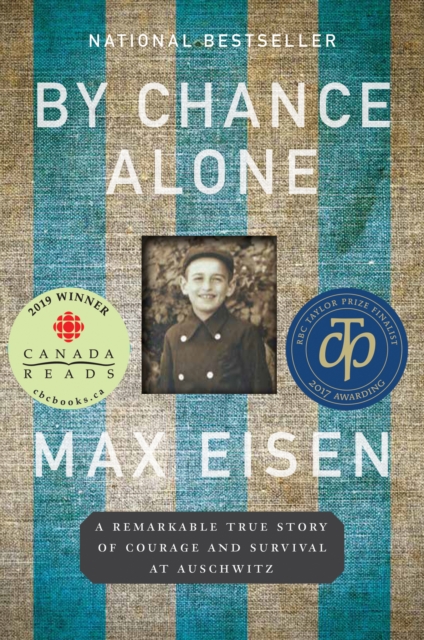
WINNER of CBC Canada ReadsIn the tradition of Elie Wiesels Night and Primo Levis Survival in Auschwitz comes a bestsellingnew memoir by Canadian survivorFinalistfor the 2017 RBC Taylor PrizeMore than 70 years after the Nazi camps were liberated by the Allies, a new Canadian Holocaust memoir details the rural Hungarian deportations to Auschwitz-Birkenau, back-breaking slave labour in Auschwitz I, the infamous death march in January 1945, the painful aftermath of liberation, a journey of physical and psychological healing.
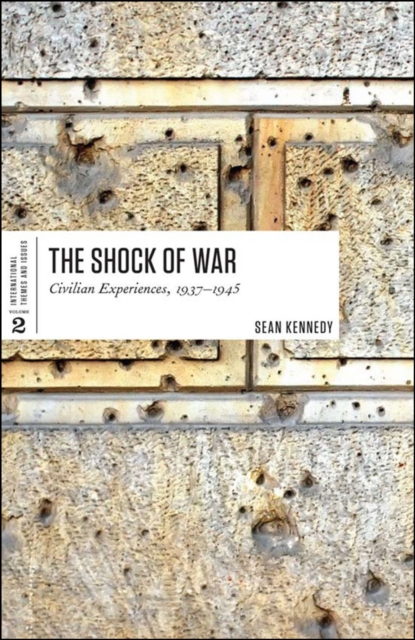
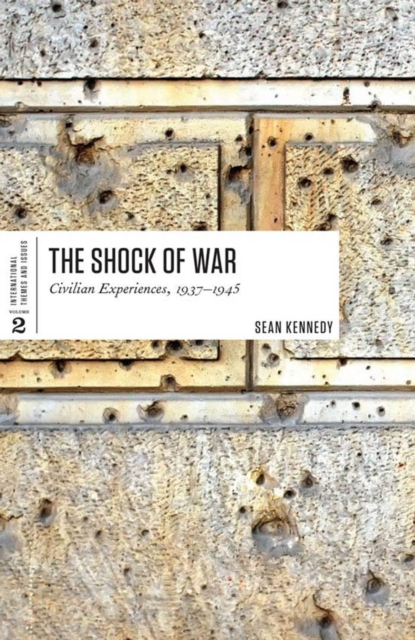
In The Shock of War: Civilian Experiences, 1937-1945, Sean Kennedy shifts the reader's focus from the battlefields of the Second World War to the civilian experience.
In The Shock of War: Civilian Experiences, 1937-1945, Sean Kennedy shifts the reader's focus from the battlefields of the Second World War to the civilian experience.
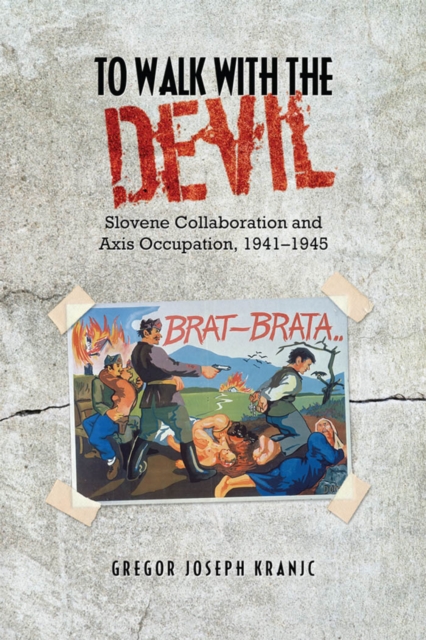
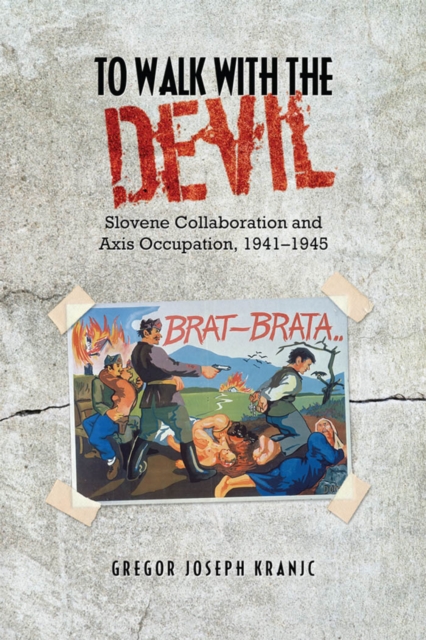
In the spring of 1941, when Slovenia was invaded by Germany, Italy, and Hungary, Slovenes faced at best assimilation, and at worst deportation or extermination.
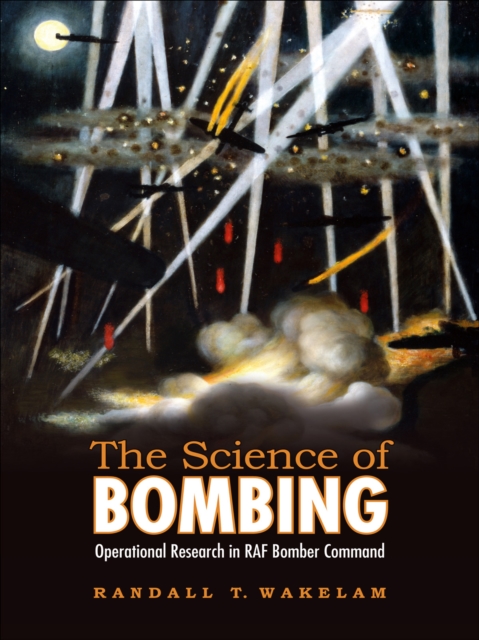
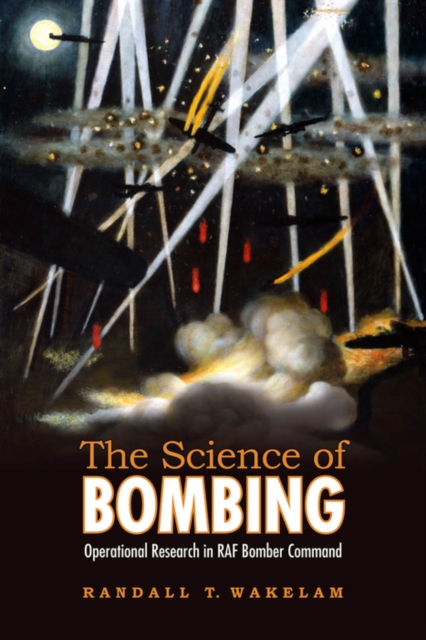
After suffering devastating losses in the early stages of the Second World War, the United Kingdom's Royal Air Force established an Operational Research Section within bomber command in order to drastically improve the efficiency of bombing missions targeting Germany.
One of twentieth-century Italy's greatest thinkers, Primo Levi (1919-1987) started reflecting on the Holocaust almost immediately after his return home from the year he survived in Auschwitz.
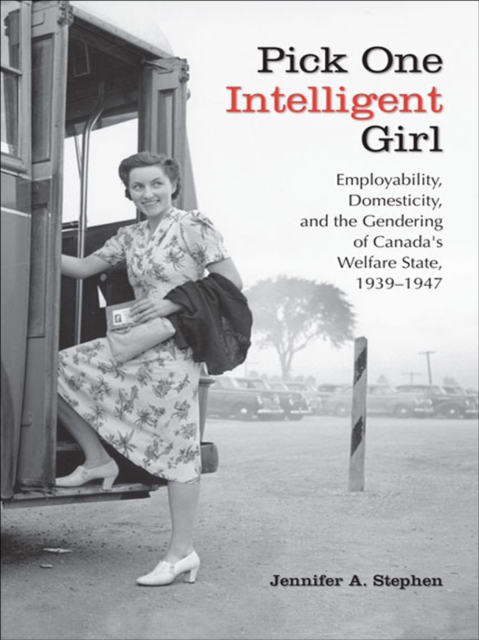
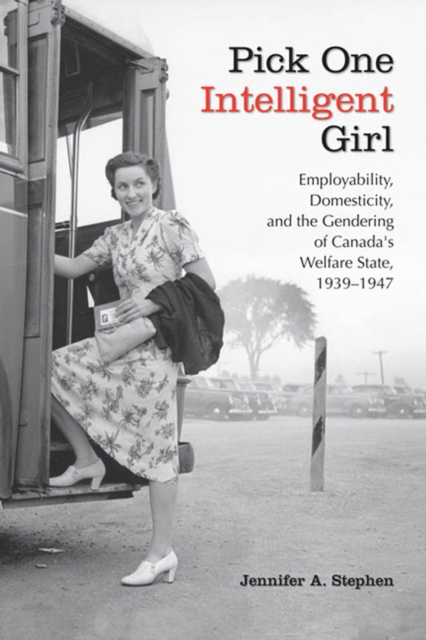
During the tumultuous formative years of the Canadian welfare state, many women rose through the ranks of the federal civil service to oversee the massive recruitment of Canadian women to aid in the Second World War.
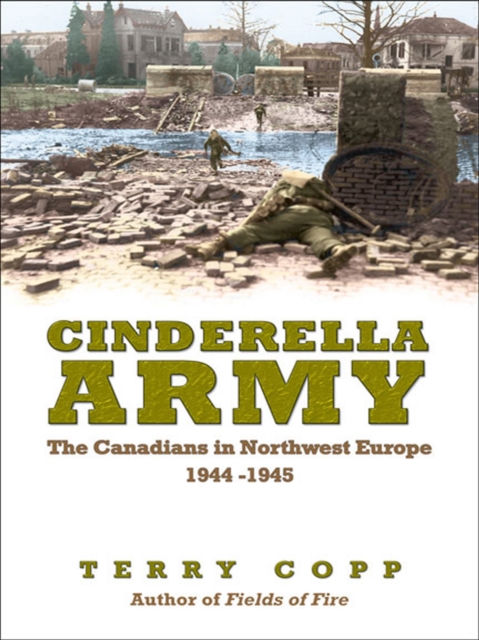
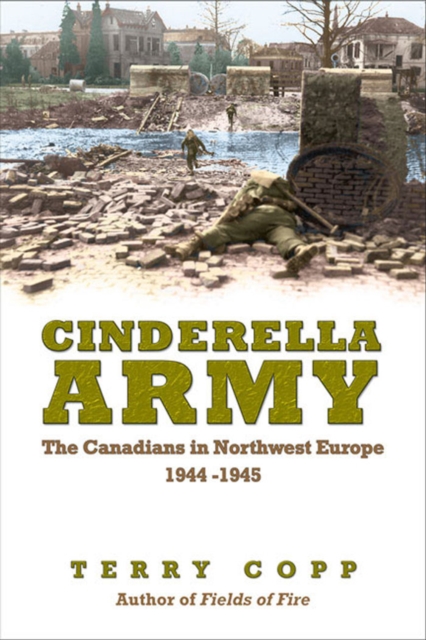
In his controversial and award-winning 2003 book Fields of Fire, Terry Copp offered a stunning reversal of accepted military history, challenging the conventional view that the Canadian contribution to the Battle of Normandy was a failure.
After suffering devastating losses in the early stages of the Second World War, the United Kingdom's Royal Air Force established an Operational Research Section within bomber command in order to drastically improve the efficiency of bombing missions targeting Germany.
During the tumultuous formative years of the Canadian welfare state, many women rose through the ranks of the federal civil service to oversee the massive recruitment of Canadian women to aid in the Second World War.
In his controversial and award-winning 2003 book Fields of Fire, Terry Copp offered a stunning reversal of accepted military history, challenging the conventional view that the Canadian contribution to the Battle of Normandy was a failure.
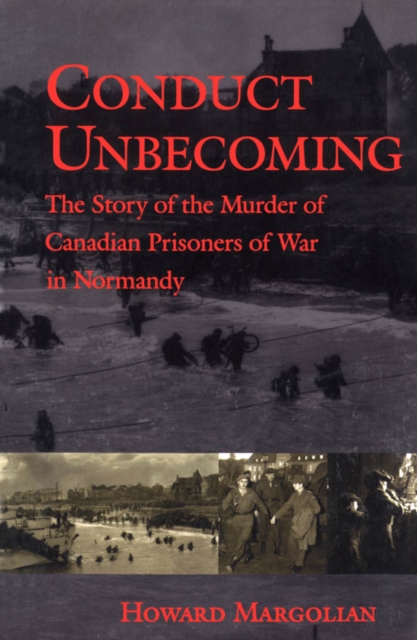
On the afternoon of 7 June 1944, Lorne Brown, a private serving with the 3rd Canadian Infantry Division in Normandy, was bayoneted to death while trying to surrender to troops of Nazi Germany's Tlite 12th SS Division 'Hitler Youth.
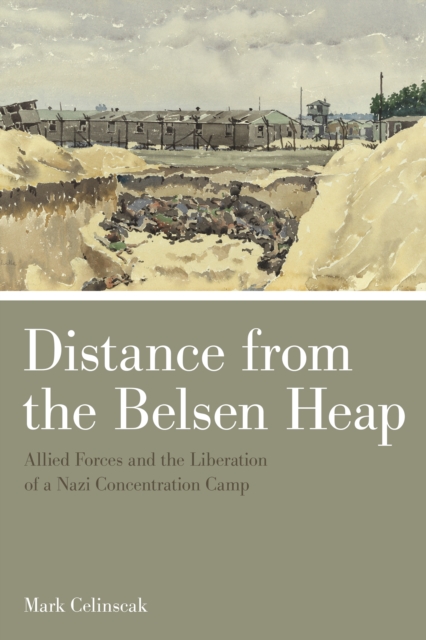
Winner of the 2016 Vine Award for NonfictionThe Allied soldiers who liberated the Nazi concentration camp at Bergen-Belsen in April 1945 were faced with scenes of horror and privation.
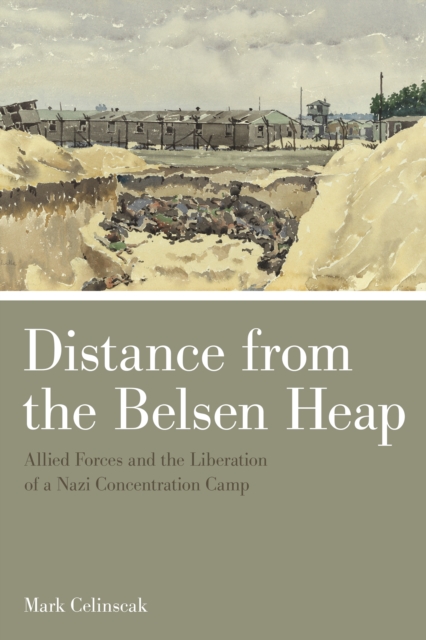
Winner of the 2016 Vine Award for NonfictionThe Allied soldiers who liberated the Nazi concentration camp at Bergen-Belsen in April 1945 were faced with scenes of horror and privation.
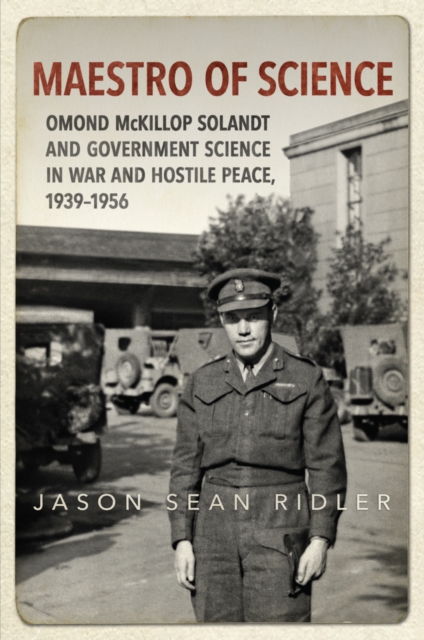
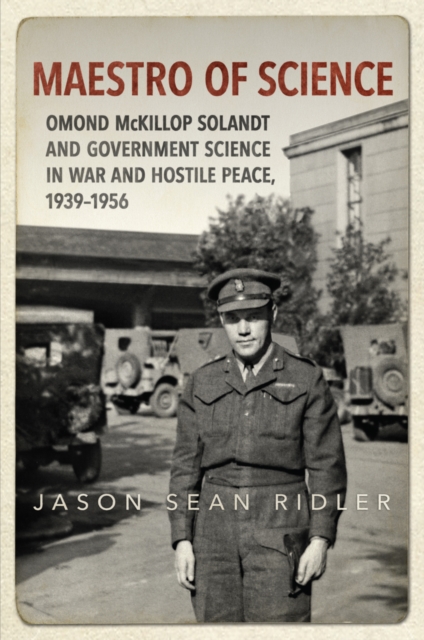
One of the brightest Canadian scientists of his generation, Omond McKillop Solandt was a physiologist by training, an engineer by disposition, and a manager by necessity.
One of the brightest Canadian scientists of his generation, Omond McKillop Solandt was a physiologist by training, an engineer by disposition, and a manager by necessity.
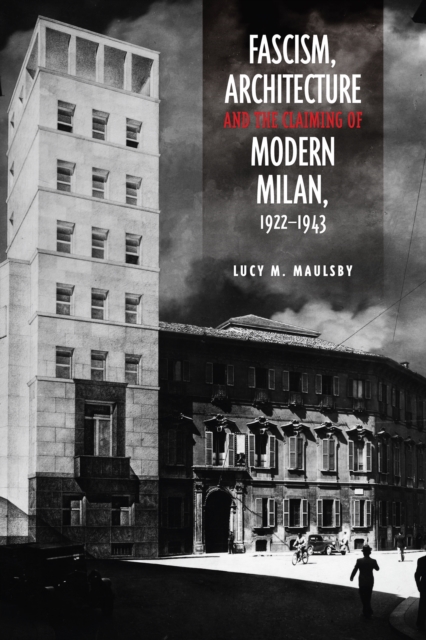
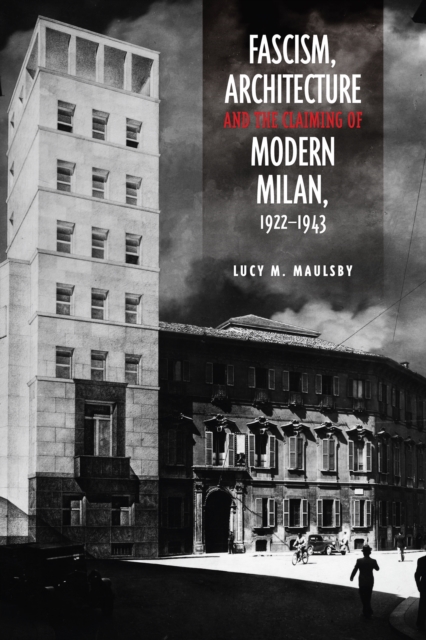
Fascism, Architecture, and the Claiming of Modern Milan, 1922–1943 chronicles the dramatic architectural and urban transformation of Milan during the nearly twenty years of fascist rule.
Fascism, Architecture, and the Claiming of Modern Milan, 1922–1943 chronicles the dramatic architectural and urban transformation of Milan during the nearly twenty years of fascist rule.
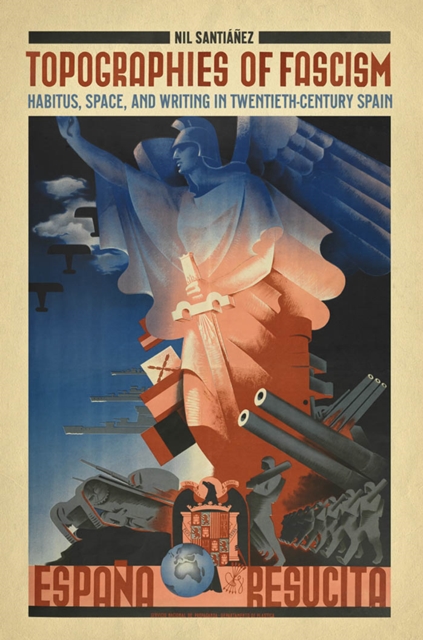
Topographies of Fascism offers the first comprehensive exploration of how Spanish fascist writing – essays, speeches, articles, propaganda materials, poems, novels, and memoirs – represented and created space from the early 1920s until the late 1950s.
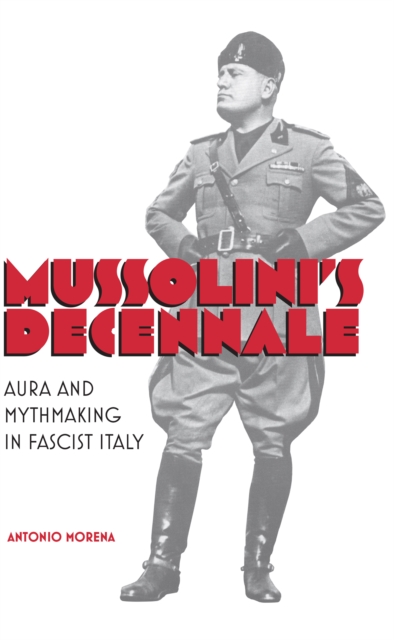
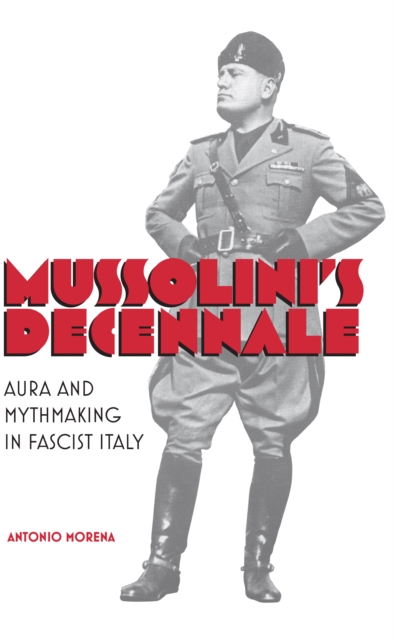
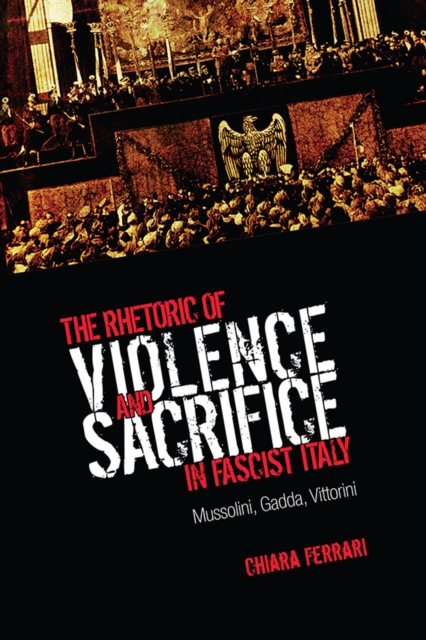
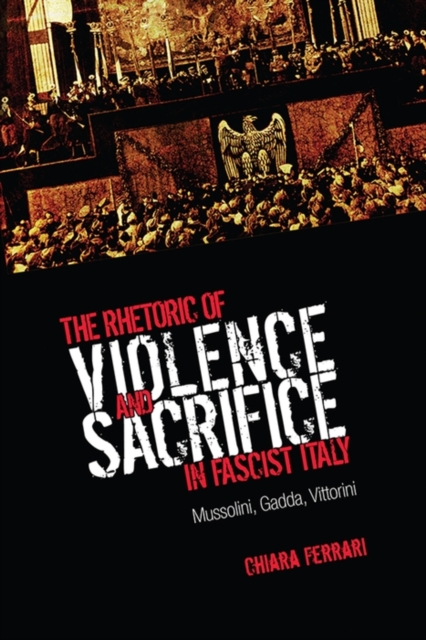
The Italian fascists under Benito Mussolini appropriated many aspects of the country’s Catholic religious heritage to exploit the mystique and power of the sacred.
The Italian fascists under Benito Mussolini appropriated many aspects of the country’s Catholic religious heritage to exploit the mystique and power of the sacred.
In the spring of 1941, when Slovenia was invaded by Germany, Italy, and Hungary, Slovenes faced at best assimilation, and at worst deportation or extermination.