This collection represents some of the latest research on Primo Levi, the famous Auschwitz survivor Italian author, in the field of Italian Studies, Holocaust Studies, Jewish Studies, literary theory, philosophy, and ethics.
Combining cultural history and literary analysis, this study proposes a new and thought-provoking reading of the changing relationship between Germans and Jews following the Holocaust.
This book describes the struggle for power between two totalitarian dictatorships in the north of Europe and the battle for survival of a small nation caught between them.
This book is the first to challenge current orthodoxy that Chamberlain's appeasement policy before World War Two was justified by Britain's inability to pay for rearmament.
By examining Mauritius and the Indian Ocean, this unique synthesis of imperial and naval/military history, reveals the depths of colonial involvement in the Second World War and the role of colonies in British strategic planning from the eighteenth century.
Jean Moulin is a universally recognized French hero, celebrated as the delegate of General de Gaulle to Nazi-occupied France in 1942-3 and founder of the National Resistance Council in May 1943.
How local contexts help us understand why White voters in America's heartland are shifting to the rightOver the past several decades, predominantly White, postindustrial cities in America's agriculture and manufacturing center have flipped from blue to red.
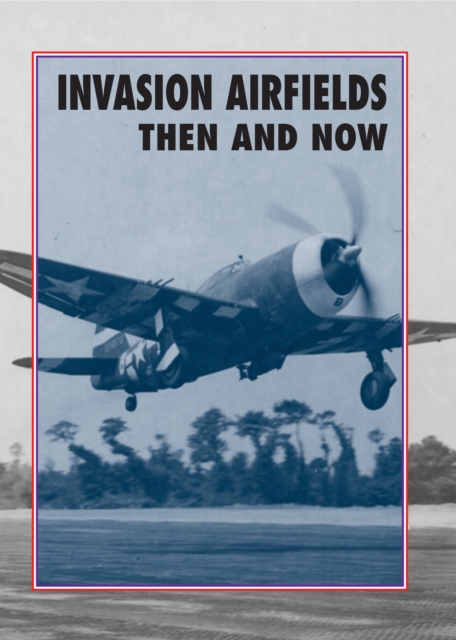
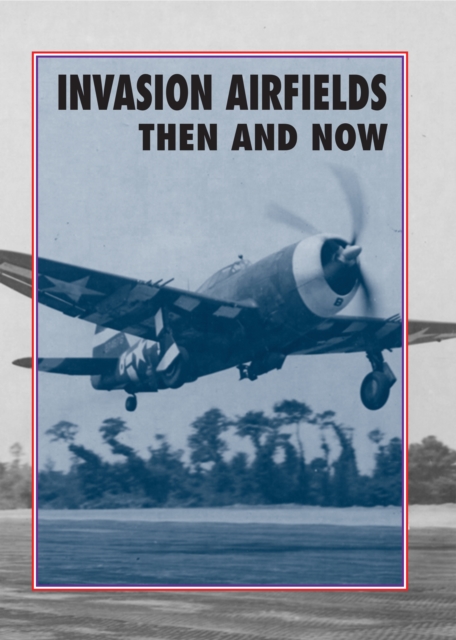
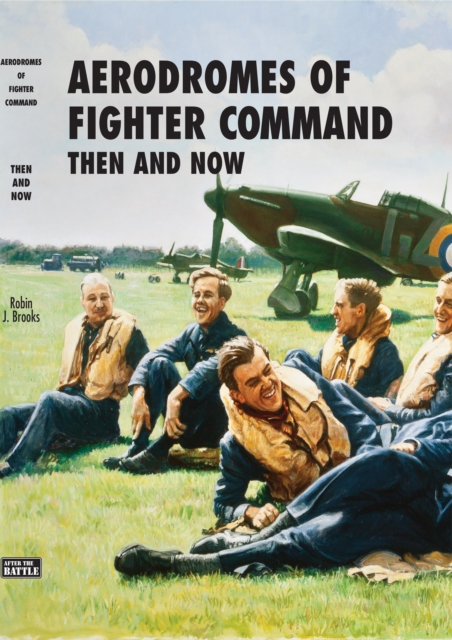
In his 1945 report to the Combined Chiefs-of-Staff on the success of Operation ‘Overlord’, the Supreme Commander General Eisenhower wrote that "on the morning of June 9 I was able to announce that for the first time since 1940, Allied air forces were operating from France, and that within three weeks of D-Day, 31 Allied squadrons were operating from the beach-head bases.
In his 1945 report to the Combined Chiefs-of-Staff on the success of Operation ‘Overlord’, the Supreme Commander General Eisenhower wrote that "on the morning of June 9 I was able to announce that for the first time since 1940, Allied air forces were operating from France, and that within three weeks of D-Day, 31 Allied squadrons were operating from the beach-head bases.
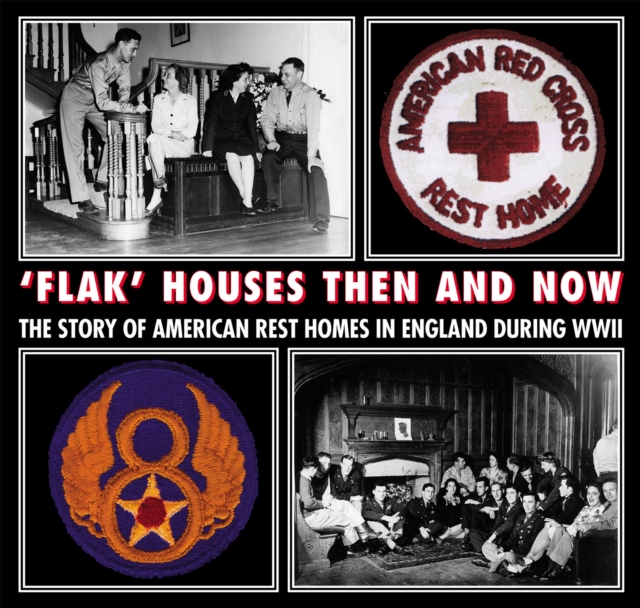
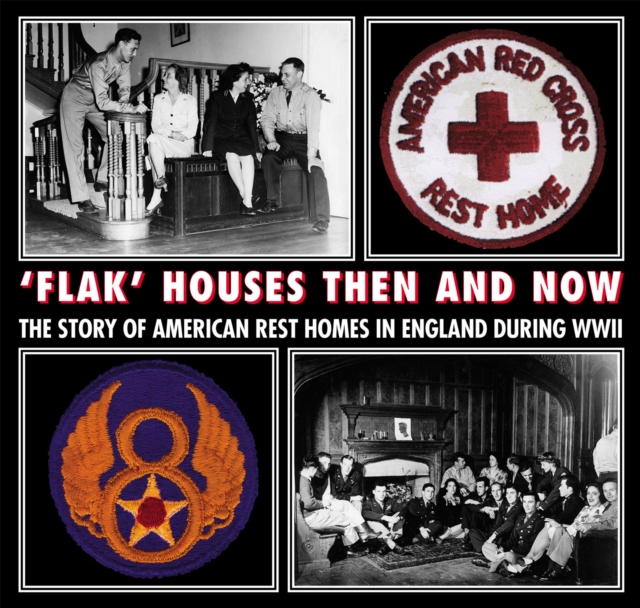
‘Flak’ Houses were the rest homes set up in England during the Second World War by the American Red Cross to provide centers of rest and recuperation for combat-weary airmen.
‘Flak’ Houses were the rest homes set up in England during the Second World War by the American Red Cross to provide centers of rest and recuperation for combat-weary airmen.
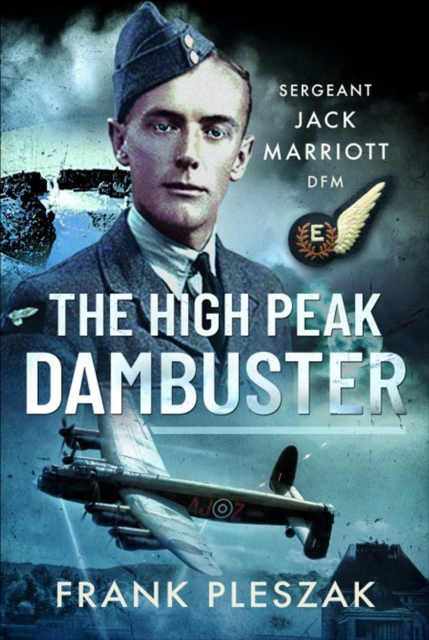
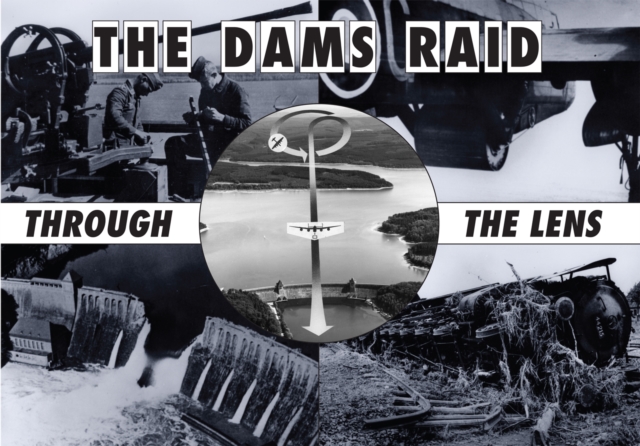
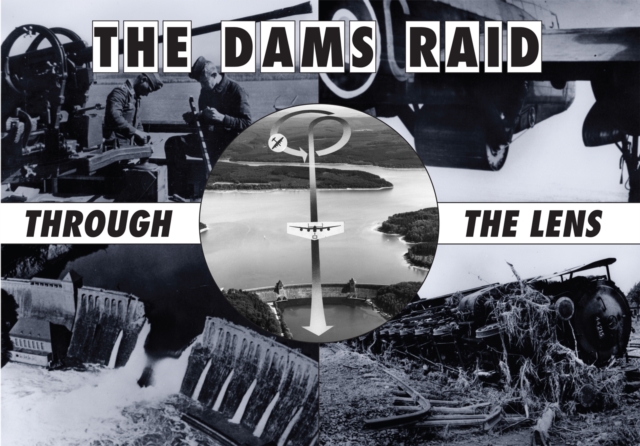
The story of the attack on the Möhne and Eder dams in the Ruhr has been recounted many times before, but not until now has it been told from the German side.
The story of the attack on the Möhne and Eder dams in the Ruhr has been recounted many times before, but not until now has it been told from the German side.
Peter Cornwell tells the story of the greatest air battle of the Second World War when six nations were locked in combat over north-western Europe for a traumatic six weeks in 1940.
Peter Cornwell tells the story of the greatest air battle of the Second World War when six nations were locked in combat over north-western Europe for a traumatic six weeks in 1940.
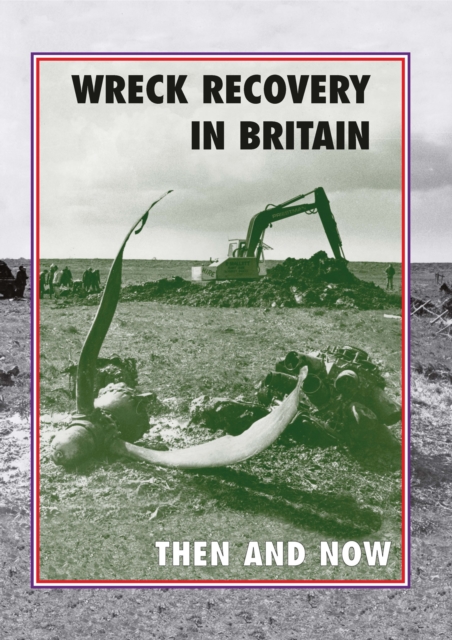
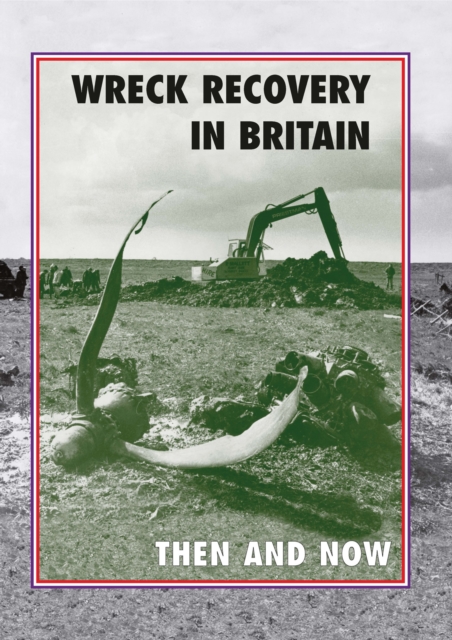
Whereas on the Continent, the Missing Research and Enquiry Unit left no stone unturned to try to trace the thousands of airmen who still remained missing, strangely enough no similar operation was carried out by the RAF on crash sites in the United Kingdom.
Whereas on the Continent, the Missing Research and Enquiry Unit left no stone unturned to try to trace the thousands of airmen who still remained missing, strangely enough no similar operation was carried out by the RAF on crash sites in the United Kingdom.
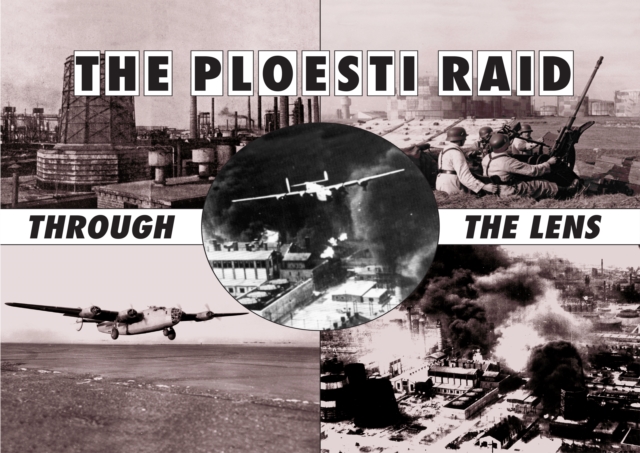
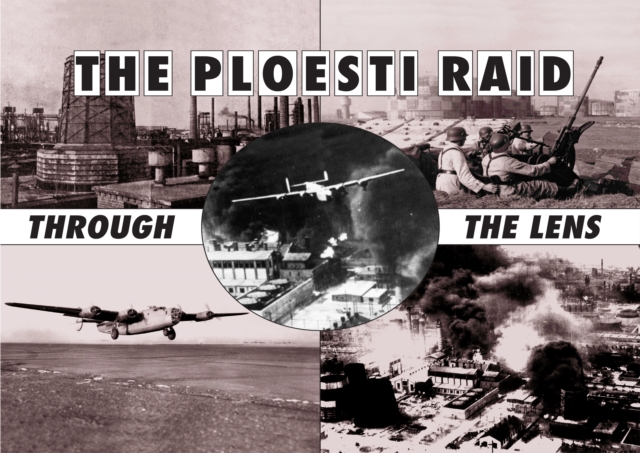
The Ploesti Raid took place on Sunday, August 1, 1943 and, but for a navigational error which put the leading formation on a course away from the target, the operation might have resulted in the destruction of the seven chosen targets.
The Ploesti Raid took place on Sunday, August 1, 1943 and, but for a navigational error which put the leading formation on a course away from the target, the operation might have resulted in the destruction of the seven chosen targets.
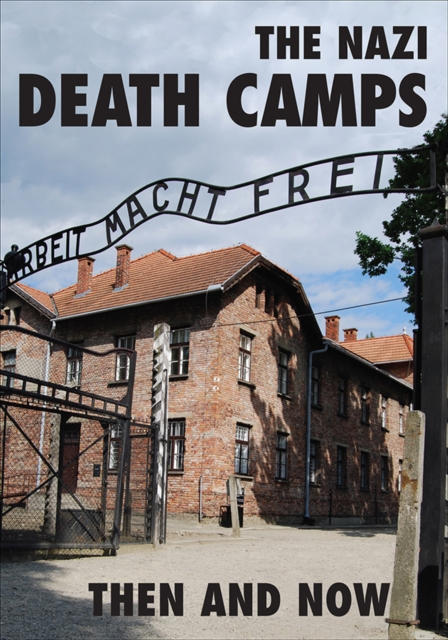
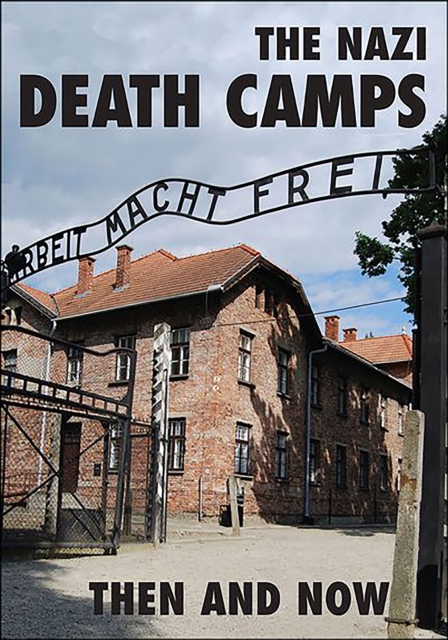
In the 12 years that the National Socialist Party was in power in Germany, upwards of 15,000 concentration and labor camps were established in the Greater Reich and the occupied countries to incarcerate all who were deemed enemies of the state.
In the 12 years that the National Socialist Party was in power in Germany, upwards of 15,000 concentration and labor camps were established in the Greater Reich and the occupied countries to incarcerate all who were deemed enemies of the state.
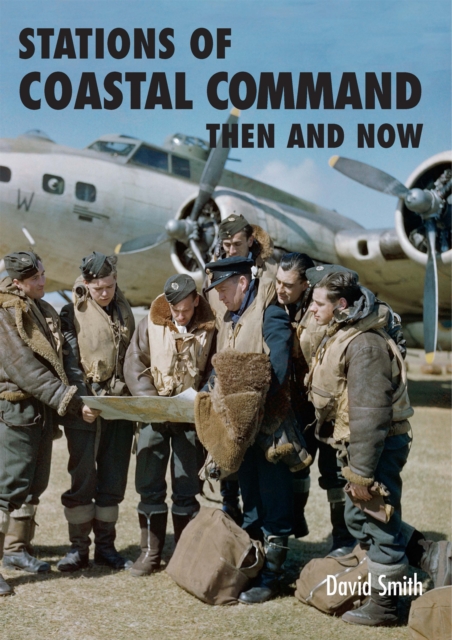
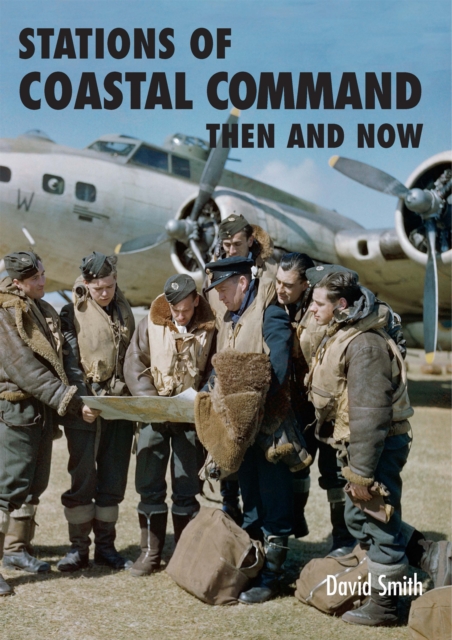
Coastal Command, created in 1936 alongside Fighter and Bomber Commands in the reorganization of the RAF in its preparations for the coming war, was Britain’s mainstay in the battle against the German submarine.
Coastal Command, created in 1936 alongside Fighter and Bomber Commands in the reorganization of the RAF in its preparations for the coming war, was Britain’s mainstay in the battle against the German submarine.
In this book Tony Le Tissier (author of Berlin Then and Now) traces the rise of Hitler, the Nazi Party and its ramifications, together with its deeds and accomplishments, during the twelve years that the Third Reich existed within today’s boundaries of the Federal Republics of Germany and Austria.
In this book Tony Le Tissier (author of Berlin Then and Now) traces the rise of Hitler, the Nazi Party and its ramifications, together with its deeds and accomplishments, during the twelve years that the Third Reich existed within today’s boundaries of the Federal Republics of Germany and Austria.
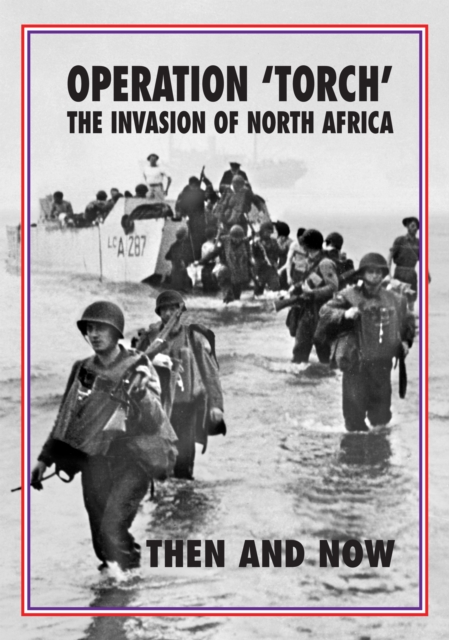
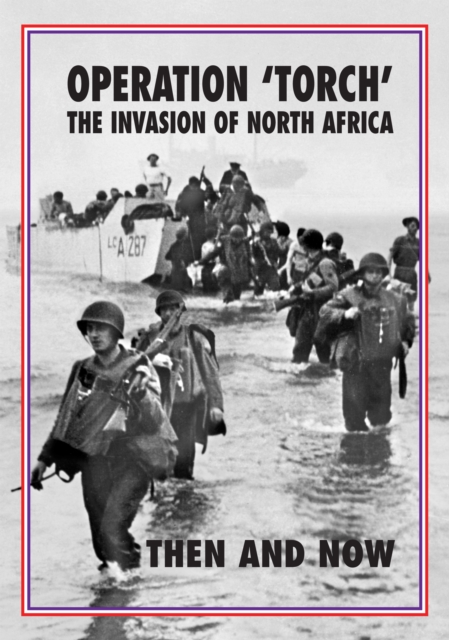
When the western Allies decided to launch a second front in North Africa, they carefully considered the anti-British feeling left in France by the ill-advised attack by the Royal Navy on the French Fleet at Mers el Kébir in July 1940.
When the western Allies decided to launch a second front in North Africa, they carefully considered the anti-British feeling left in France by the ill-advised attack by the Royal Navy on the French Fleet at Mers el Kébir in July 1940.