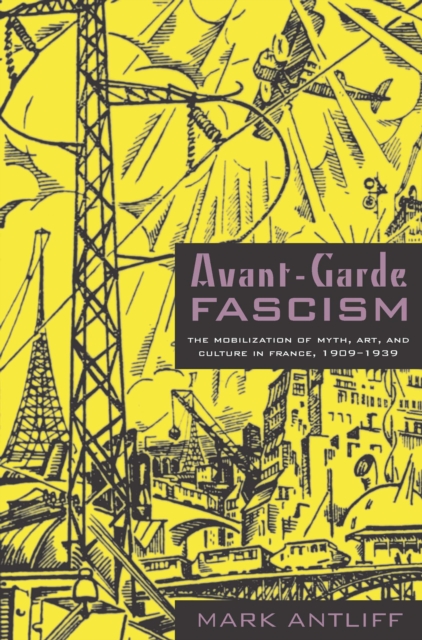
Investigating the central role that theories of the visual arts and creativity played in the development of fascism in France, Mark Antliff examines the aesthetic dimension of fascist myth-making within the history of the avant-garde.
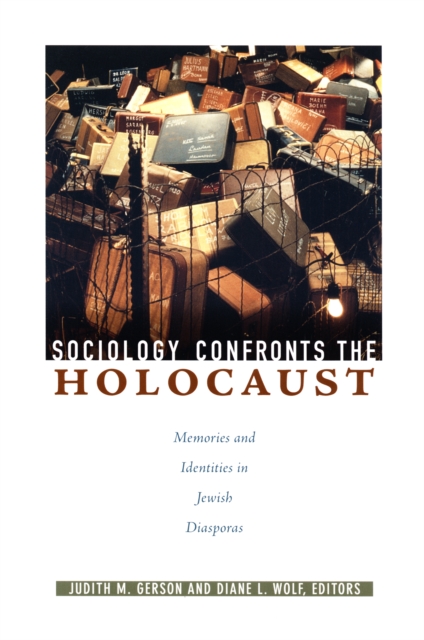
This volume expands the intellectual exchange between researchers working on the Holocaust and post-Holocaust life and North American sociologists working on collective memory, diaspora, transnationalism, and immigration.
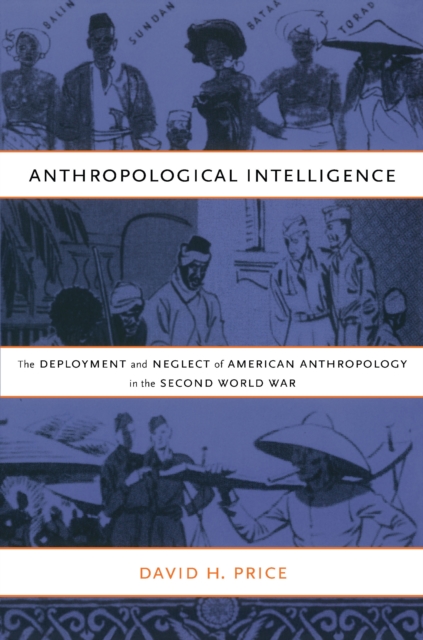
By the time the United States officially entered World War II, more than half of American anthropologists were using their professional knowledge and skills to advance the war effort.
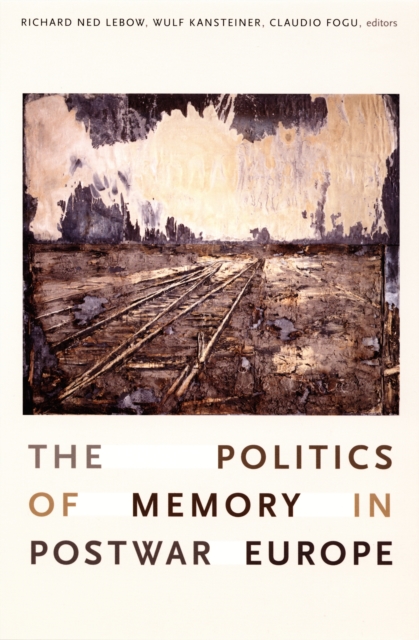
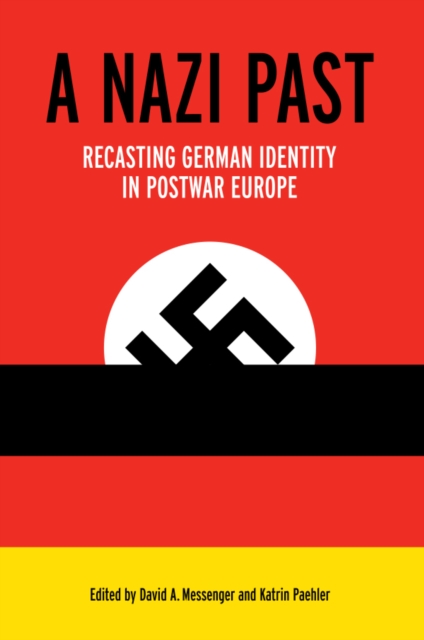
For sixty years, different groups in Europe have put forth interpretations of World War II and their respective countries' roles in it consistent with their own political and psychological needs.
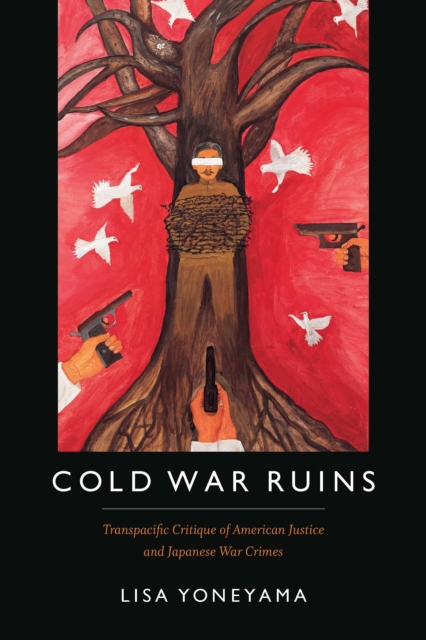
In Cold War Ruins Lisa Yoneyama argues that the efforts intensifying since the 1990s to bring justice to the victims of Japanese military and colonial violence have generated what she calls a "e;transborder redress culture.
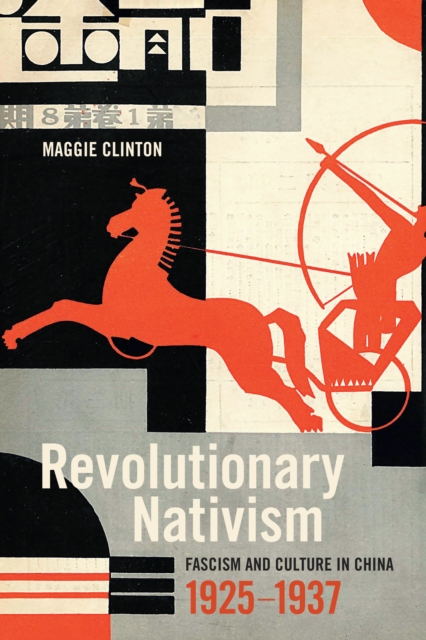
In Revolutionary Nativism Maggie Clinton traces the history and cultural politics of fascist organizations that operated under the umbrella of the Chinese Nationalist Party (GMD) during the 1920s and 1930s.
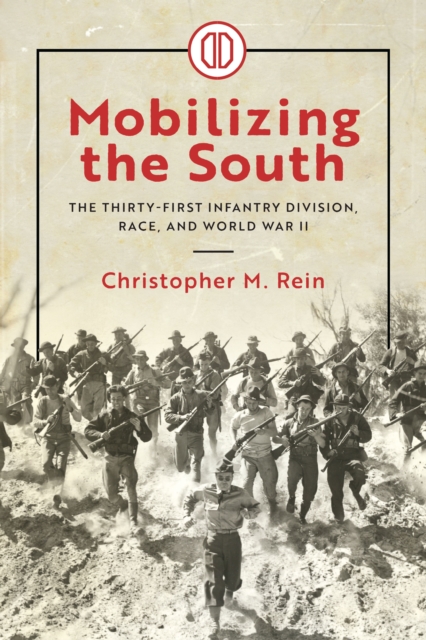
A richly researched account of the social, racial, and political history of a major Deep South infantry division at home and in the Pacific Chris Rein's study of the Thirty-First Infantry Division, known officially as the "e;Dixie Division,"e; illuminates the complexities in mobilizing American reserve units to meet the global emergency during World War II.
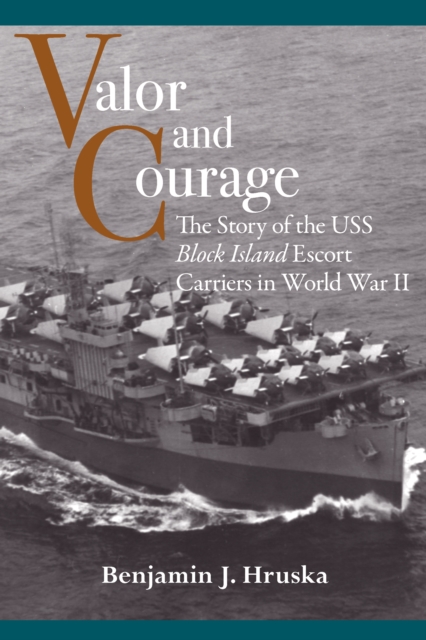
Recounts the stories of the USS Block Island CVE 21 and CVE 106 and their crews, many of whom served on both ships in the Atlantic and Pacific theatres In Valor and Courage: The Story of the USS Block Island Escort Carriers in World War II Benjamin Hruska explores the history and commemoration of the USS Block Island-or, more properly, the Block Islands, as two escort carriers bore that name during WWII.
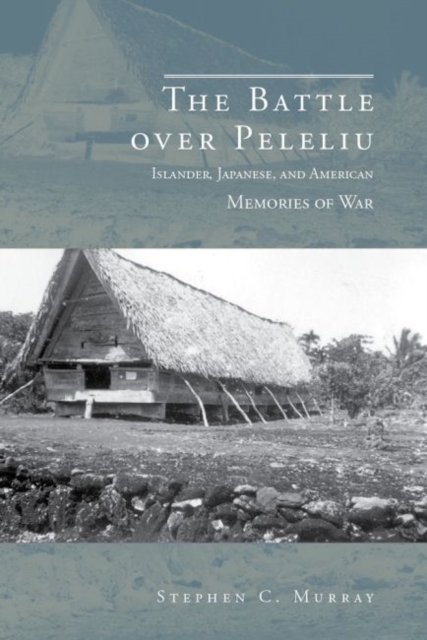
An engrossing account of the military, cultural, and commercial impact of Japan and the USA on the island nation of Palau The expansionist Japanese empire annexed the inhabited archipelago of Palau in 1914.
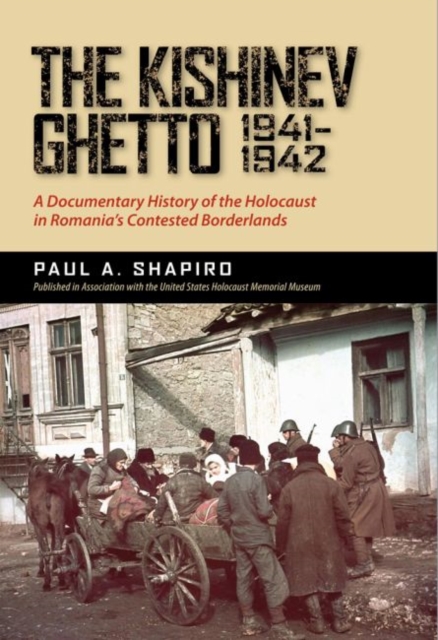
The Kishinev Ghetto, 1941-1942 offers a wealth of primary sources and insightful commentary about the little-known slaughter of Jewish residents of Kishinev (Chisinau) under the military occupation by Romania under Marshal Ion Antonescu, a Hitler ally.
Muriel Gillick draws from a remarkable set of primary source materials, including letters, telegrams, and police records to relate the story of two teenage refugees during World War II.
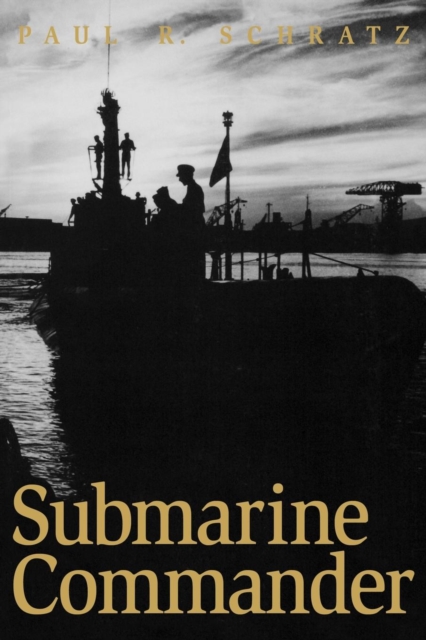
One woman's quest for knowledge of her father lost at sea Mary Lee Coe Fowler was a posthumous child, born after her father, a submarine skipper in the Pacific, was lost at sea in 1943.
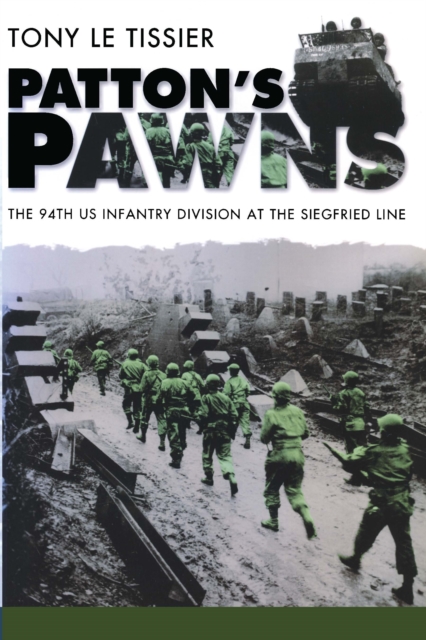
The 94th US Infantry Division was an organization formed late in the Second World War, made up largely of draft-deferred university students as enlisted men and an officer corps pulled together from various domestic postings with unfortunate consequences for mutual trust and respect.
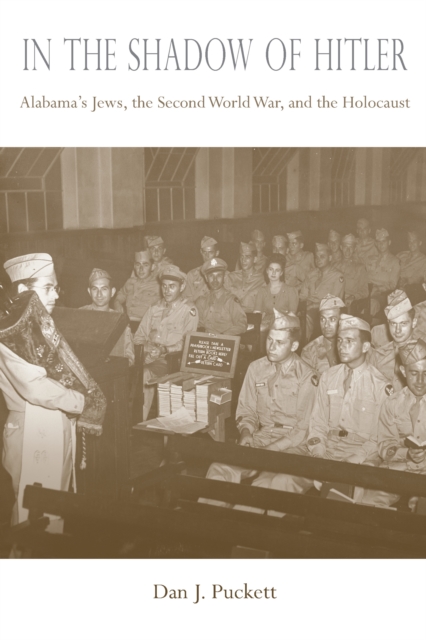
In the Shadow of Hitler chronicles the experiences of Alabama Jews as they worked to overcome their own divisions in order to aid European Jews before, during, and after the Second World War.
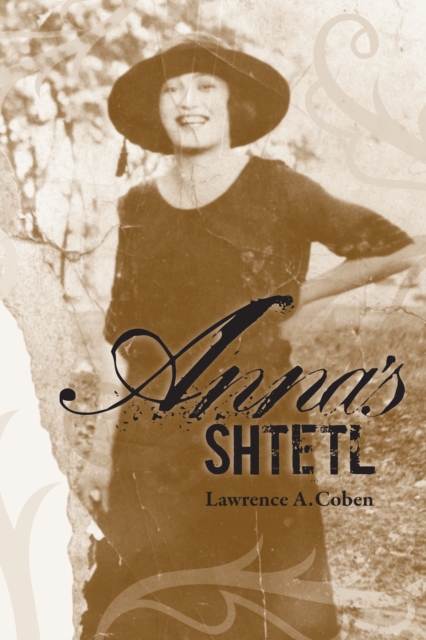
A rare view of a childhood in a European ghetto Anna Spector was born in 1905 in Korsun, a Ukrainian town on the Ros River, eighty miles south of Kiev.
The democratic surge in the past twenty years has led many Americans to assume that all societies are, or should be, making progress toward becoming practicing democracies.
Fifty years after the war Dagmar Ostermann, a former prisoner at Auschwitz-Birkenau, and Hans Wilhelm Munch, former Nazi and SS physician, talk face to face.
In this volume Yehuda Bauer describes the efforts made to aid European victims of World War II by the New York-based American Jewish Joint Distribution Committee.
First published in France in 2001, this translation includes an afterword by Israeli scholar Zeev Sternhell, which provides incisive comments that place Michlin's memoir within the larger context of contemporary French history.
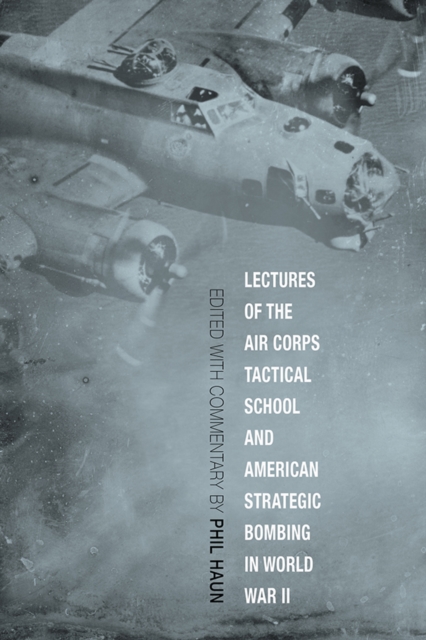
Following the cataclysmic losses suffered in World War I, air power theorists in Europe advocated for long-range bombers to overfly the trenches and strike deep into the enemy's heartland.
Since the end of World War II, historians and psychologists have investigated the factors that motivated Germans to become Nazis before and during the war.
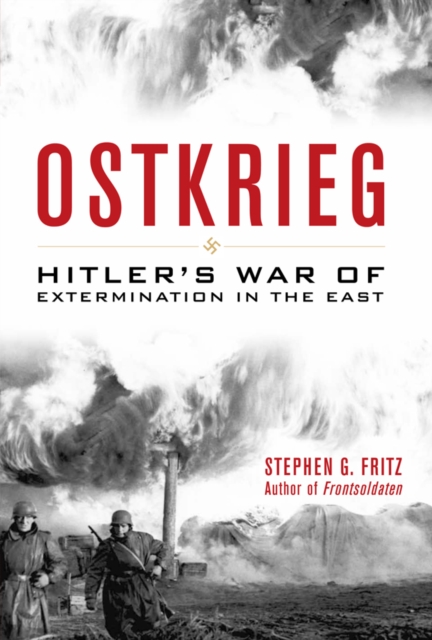
On June 22, 1941, Germany launched the greatest land assault in history on the Soviet Union, an attack that Adolf Hitler deemed crucial to ensure German economic and political survival.
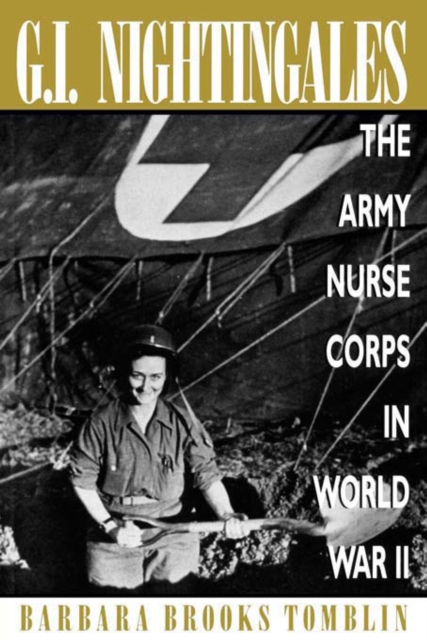
Weaving together information from official sources and personal interviews, Barbara Tomblin gives the first full-length account of the US Army Nurse Corps in the Second World War.
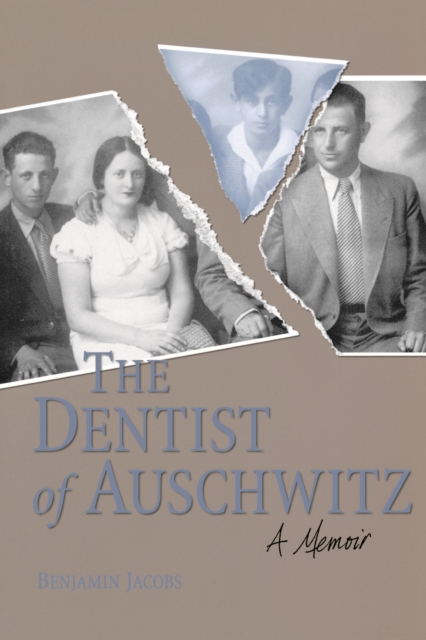
In 1941 Berek Jakubowicz (now Benjamin Jacobs) was deported from his Polish village and remained a prisoner of the Reich until the final days of the war.