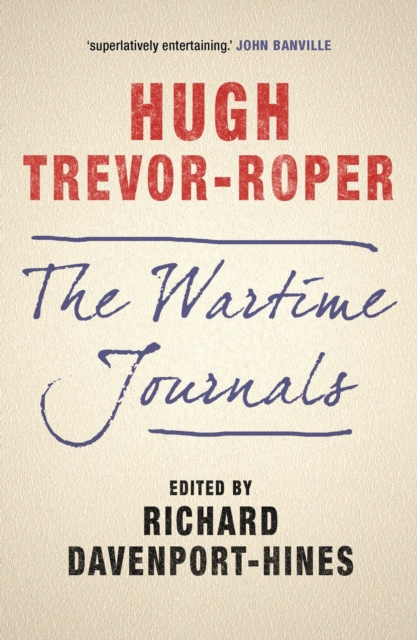
As a British Intelligence Officer during World War II, Hugh Trevor-Roper was expressly forbidden from keeping a diary due to the sensitive and confidential nature of his work.
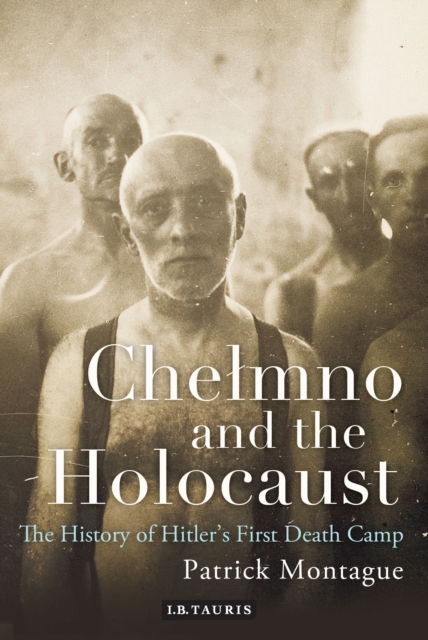
As the first extermination camp established by the Nazi regime and the prototype of the single-purpose death camps of Treblinka, Sobibor and Belzec, the Chelmno death camp stands as a crucial but largely unexplored element of the Holocaust.
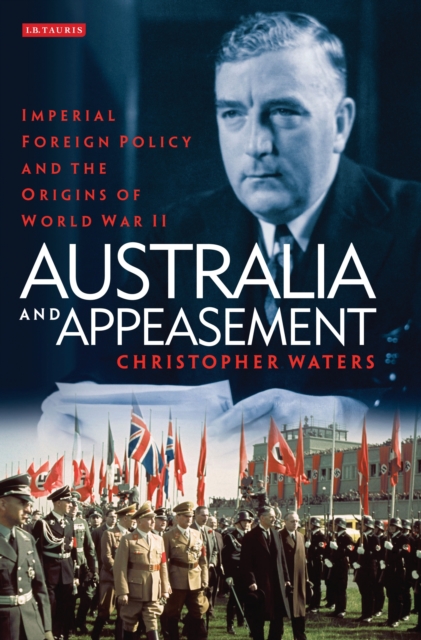
On 3 September 1939, Robert Menzies, the Australian Prime Minister, broadcast to the Australian people the news that their country was at war with Germany.
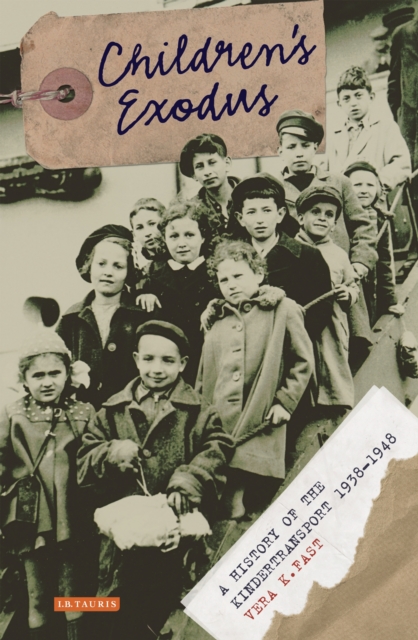
In the months leading up to the outbreak of World War Two, Britain rushed to evacuate nearly 10,000 Jewish children from the Nazi occupied territories.
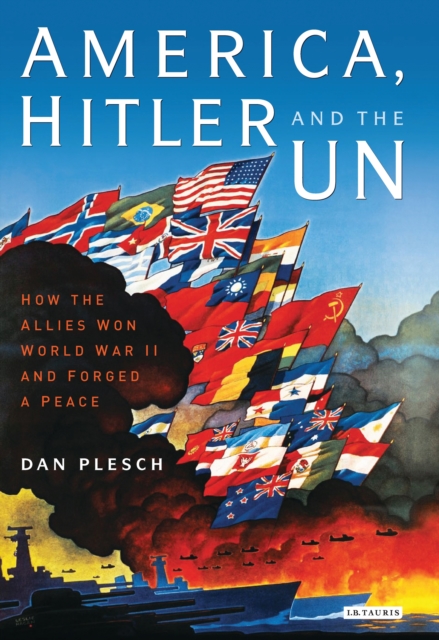
In January 1942, the Declaration by United Nations forged a military alliance based on human rights principles that included over 24 countries, marking the beginning of the UN.
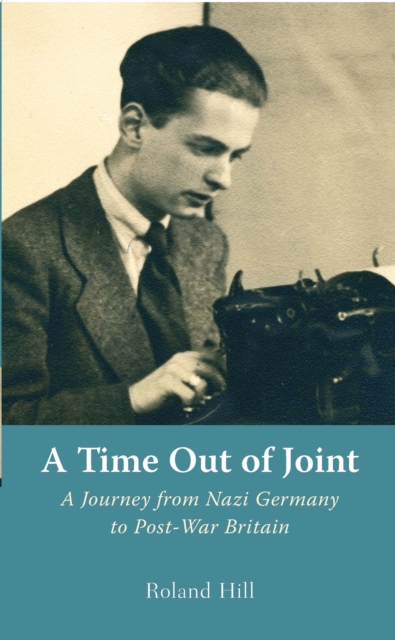
Roland Hill's autobiography, "e;A Time Out of Joint"e;, is a remarkable and moving personal story and much more: it enables readers to re-live European history during the darkest period of Nazi Germany and World War II, when traditional European culture and civilisation generally seemed to be extinguished, but also to experience the return of peace and a time of hope.
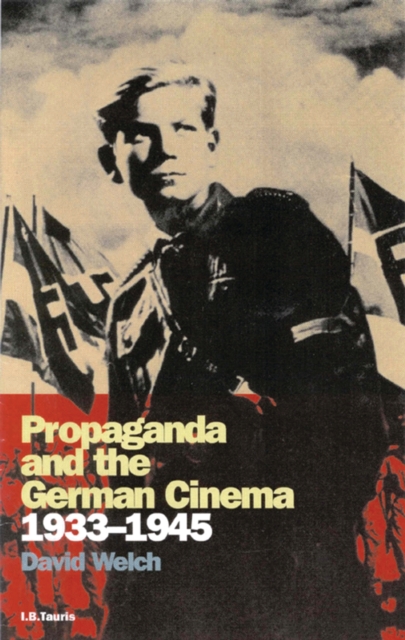
This is the most comprehensive analysis to date of Nazi film propaganda in its political, social, and economic contexts, from the pre-war cinema as it fell under the control of the Propaganda Minister, Joseph Goebbels, through to the end of the Second World War.
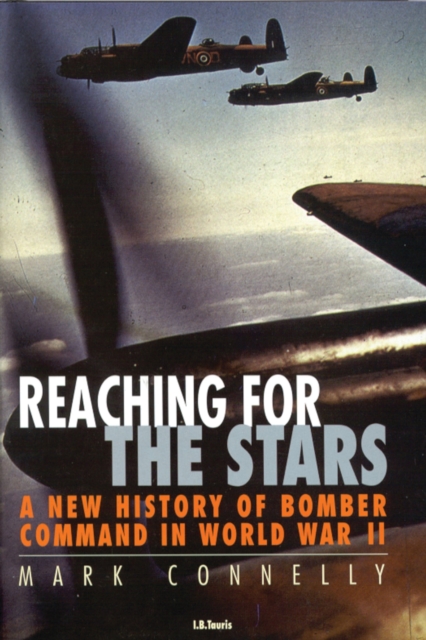
_Reaching for the Stars_ shows why Bomber Command, in one of the largest and bloodiest campaigns of the war, with 55,000 aircrew lost and more officer fatalities than in World War I, has received so much attention and yet remains a 'lost and black sheep' among British wartime achievements.
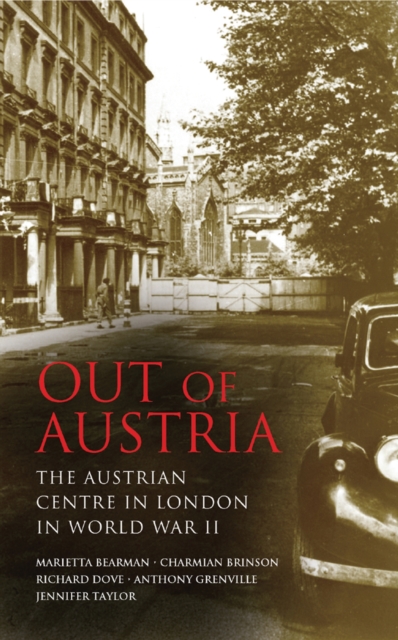
The Austrian Centre was established in London in 1939 by Austrians seeking refuge from Nazi Germany, of whom 30,000 had reached Britain by the outbreak of World War II.
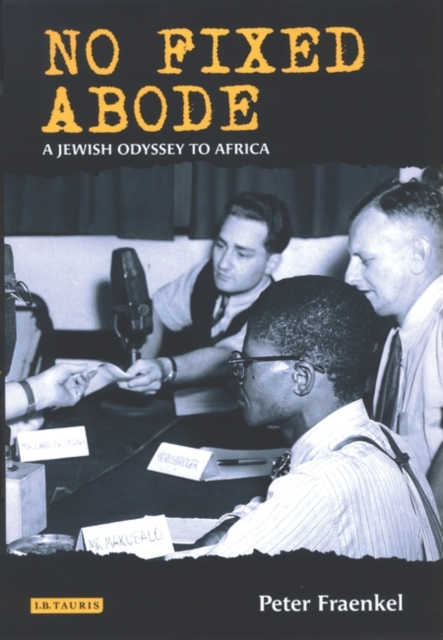
Peter Fraenkel here gives a vivid account of a childhood in a middle-class, non-observant Jewish family in Nazi Germany, forced to emigrate to Zambia (then Northern Rhodesia) in 1939.
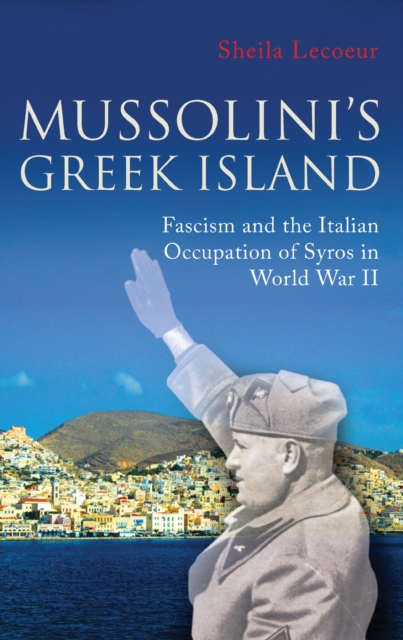
A powerful and unique study of the realities and long-term impact of occupation, "e;Mussolini's Greek Island"e; reveals the Italian dictator's imperial vision, the mechanisms of Italian occupation and its tragic consequences.
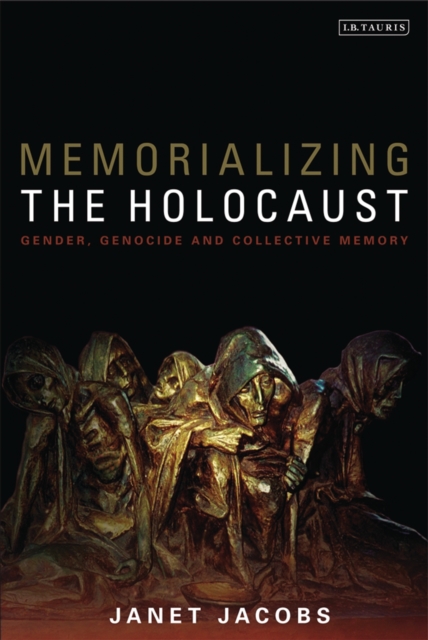
The Holocaust - the murder of approximately six million Jews by Nazi Germany and its collaborators in World War Two - is the gravest crime in recorded history, committed on a human and geographical scale which is almost unimaginable.
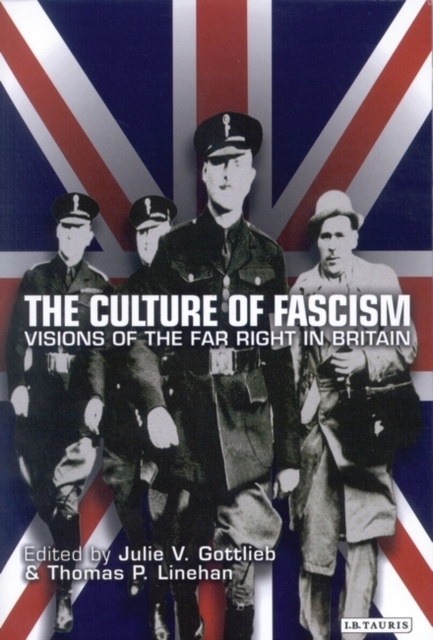
This edition investigates fascist activities in the period of turmoil leading to World War II and raises disturbing questions: how far was the British establishment involved?
The history and ideologies of the Far Right in Britain have been well documented, but there has been little understanding of the movement's cultural foundations.
Plucked from the deepest rural Germany, after witnessing the horror of "e;Kristallnacht"e; and her family's eviction from its village, Ruth David was sent to England as part of "e;Kindertransport"e;, one of the few routes to safety and survival for so many children who were to lose their parents in the Holocaust.
The interconnections between histories and memories of the Holocaust, colonialism and extreme violence in post-war French and Francophone fiction and film provide the central focus of this book.
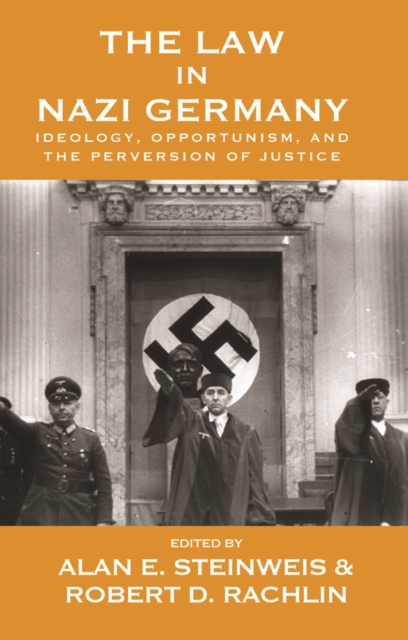
While we often tend to think of the Third Reich as a zone of lawlessness, the Nazi dictatorship and its policies of persecution rested on a legal foundation set in place and maintained by judges, lawyers, and civil servants trained in the law.
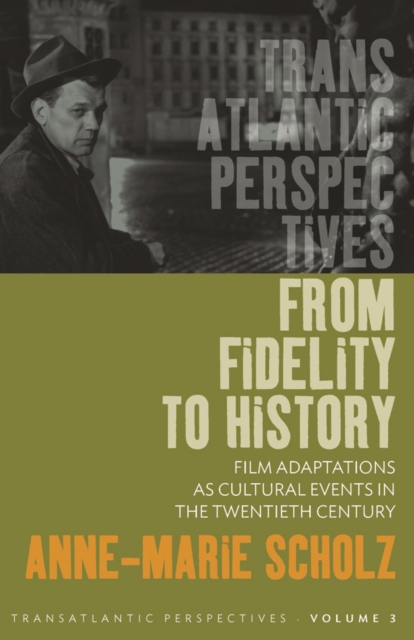
Scholarly approaches to the relationship between literature and film, ranging from the traditional focus upon fidelity to more recent issues of intertextuality, all contain a significant blind spot: a lack of theoretical and methodological attention to adaptation as an historical and transnational phenomenon.
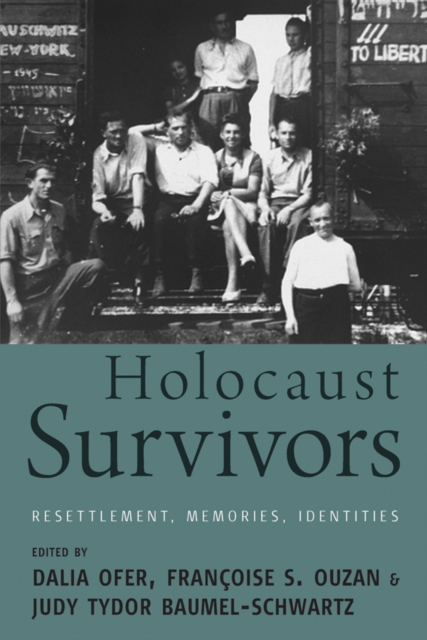
Many books on Holocaust survivors deal with their lives in the Displaced Persons camps, with memory and remembrance, and with the nature of their testimonies.
Basándose en recursos sin explotar, entrevistas exclusivas y nueva investigación de archivos, La última cruzada del Papa por Peter Eisner es un emocionante relato que trae a la luz el valiente esfuerzo del Papa Pío XI para condenar el nazismo y la política del Tercer Reich —una cruzada que podría haber cambiado el curso de la segunda guerra mundial.
During World War II the Japanese were stereotyped in the European imagination as fanatical, cruel, almost inhuman - an image reflected in most books and films about prisoner of war in the Far East.
In 1939 Hitler went to war not just with Great Britain; he also went to war with the whole of the British Empire, the greatest empire that there had ever been.
In this persuasive reversal of previous scholarship, Linda Schulte-Sasse takes an unorthodox look at Nazi cinema, examining Nazi films as movies that contain propaganda rather than as propaganda vehicles that happen to be movies.
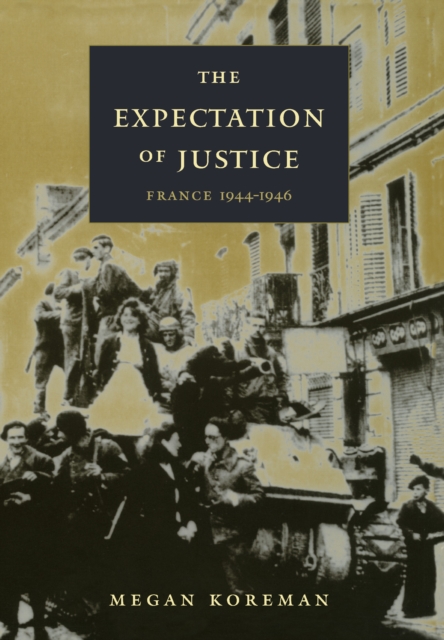
In The Expectation of Justice Megan Koreman traces the experiences of three small French towns during the troubled months of the Provisional Government following the Liberation in 1944.
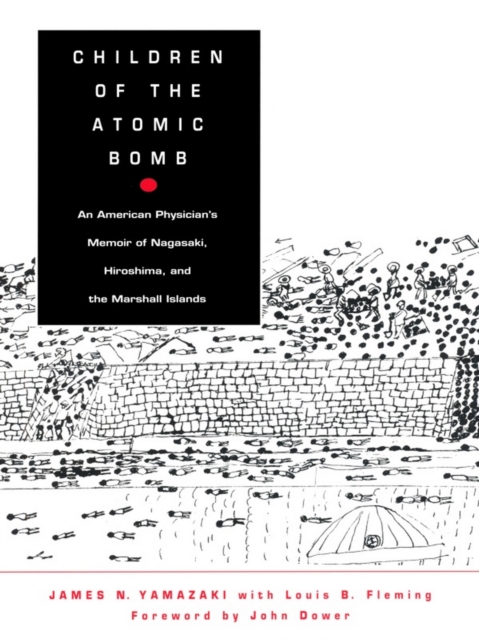
Despite familiar images of the dropping of the atomic bomb on Japan and the controversy over its fiftieth anniversary, the human impact of those horrific events often seems lost to view.
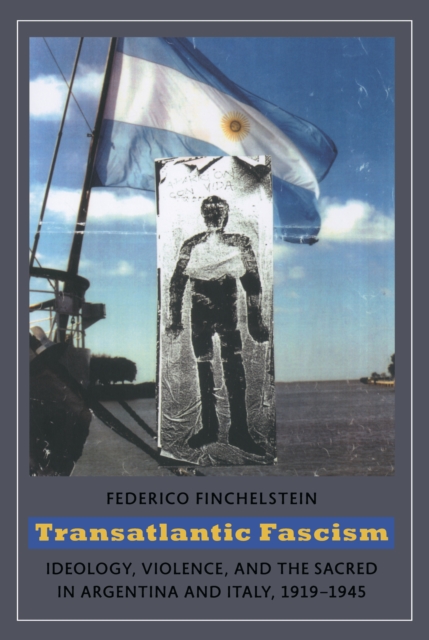
In Transatlantic Fascism, Federico Finchelstein traces the intellectual and cultural connections between Argentine and Italian fascisms, showing how fascism circulates transnationally.
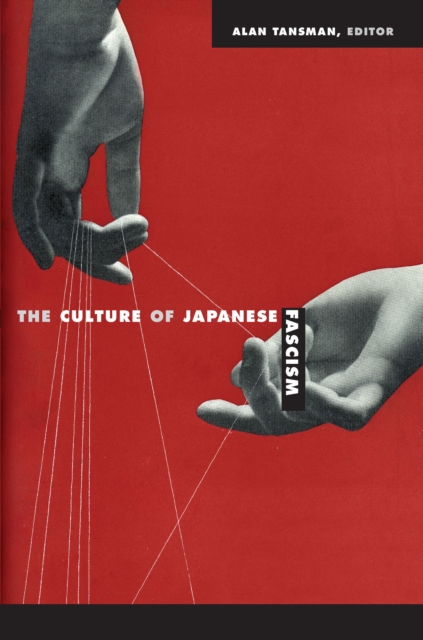
This bold collection of essays demonstrates the necessity of understanding fascism in cultural terms rather than only or even primarily in terms of political structures and events.