In 1944, members of the Sonderkommando the special squads, composed almost exclusively of Jewish prisoners, who ensured the smooth operation of the gas chambers and had firsthand knowledge of the extermination process buried on the grounds of Auschwitz-Birkenau a series of remarkable eyewitness accounts of Nazi genocide.
It is one of the great ironies of the history of fascism that, despite their fascination with ultra-nationalism, its adherents understood themselves as members of a transnational political movement.
More than any other sport, professional football contributed fighting men to the battles of World War II, and the 22 or so players or former players that lost their lives are among the riveting stories told in this tribute to football's war heroes that spans many decades and military conflicts.
Between 1939 and 1945, some 80,000 Finnish children were sent to Sweden, Denmark, and elsewhere, ostensibly to protect them from danger while their nation s soldiers fought superior Soviet and German forces.
There are few individuals in modern Spanish history that have been as thoroughly mythologized as Jose Antonio Primo de Rivera, a leading figure in the Spanish Civil War who was executed by the Republicans in 1936 and celebrated as a martyr following the victory of the Falangists.
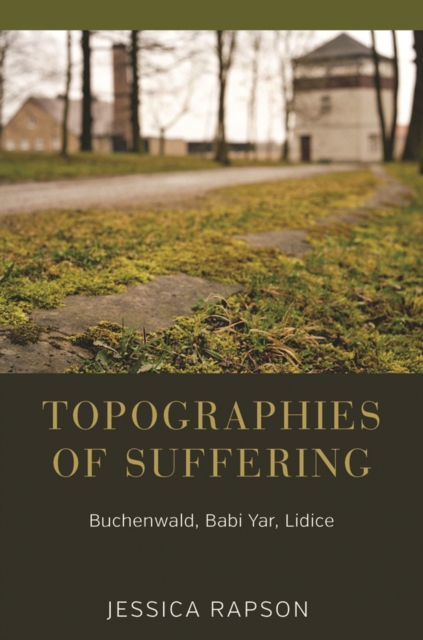
Commentary on memorials to the Holocaust has been plagued with a sense of monument fatigue , a feeling that landscape settings and national spaces provide little opportunity for meaningful engagement between present visitors and past victims.
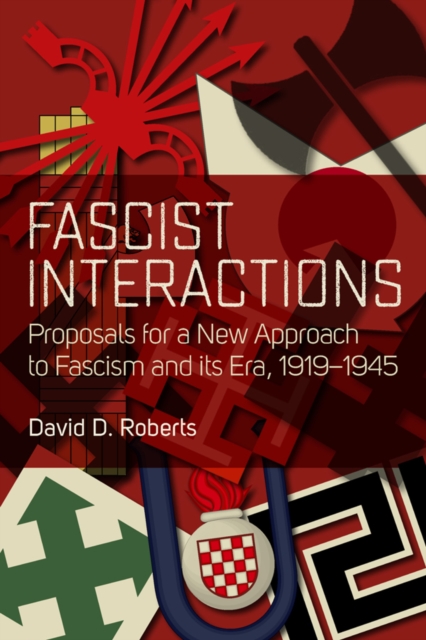
Although studies of fascism have constituted one of the most fertile areas of historical inquiry in recent decades, more and more scholars have called for a new agenda with more research beyond Italy and Germany, less preoccupation with definition and classification, and more sustained focus on the relationships among different fascist formations before 1945.
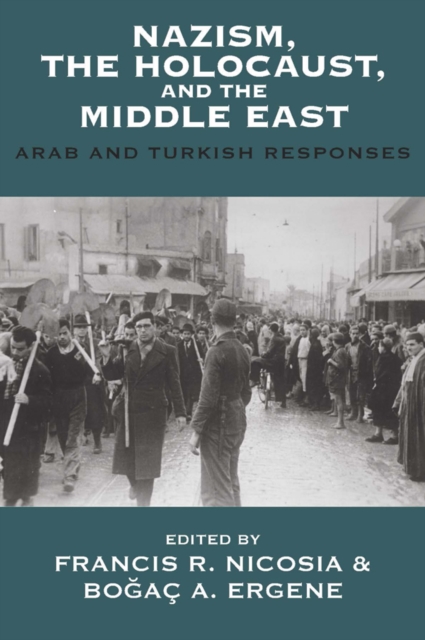
Given their geographical separation from Europe, ethno-religious and cultural diversity, and subordinate status within the Nazi racial hierarchy, Middle Eastern societies were both hospitable as well as hostile to National Socialist ideology during the 1930s and 1940s.
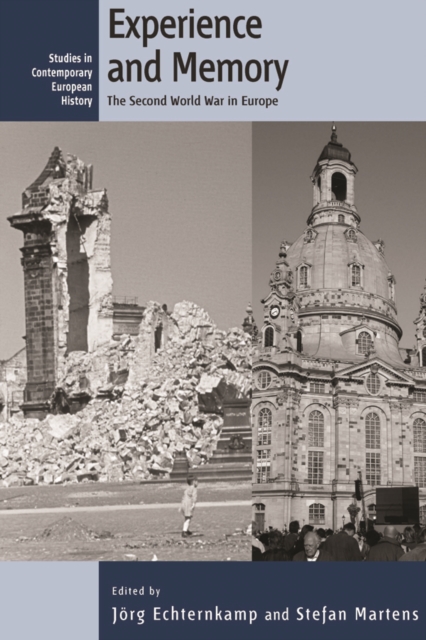
Modern military history, inspired by social and cultural historical approaches, increasingly puts the national histories of the Second World War to the test.
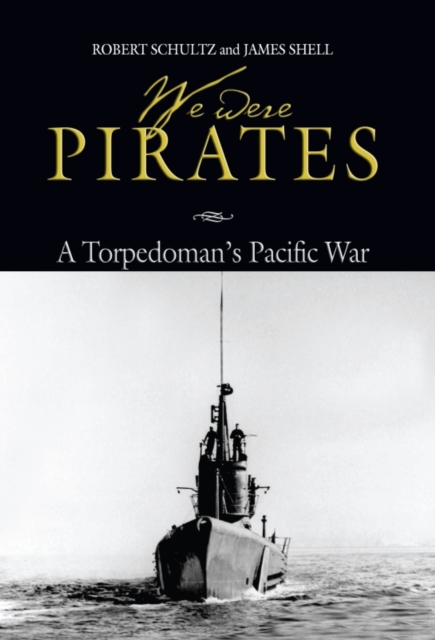
A sailors extraordinary experiences on an American submarine in the Pacific are candidly reported in this eyewitness account of war from a torpedomans perspective.
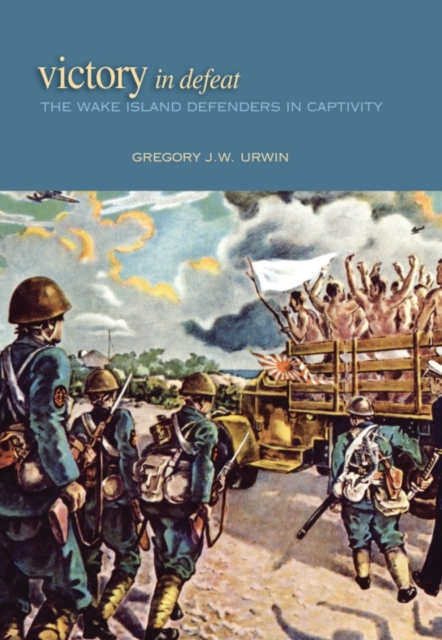
Told here for the first time in vivid detail is the story of the defenders of Wake Island following their surrender to the Japanese on December 23, 1941.
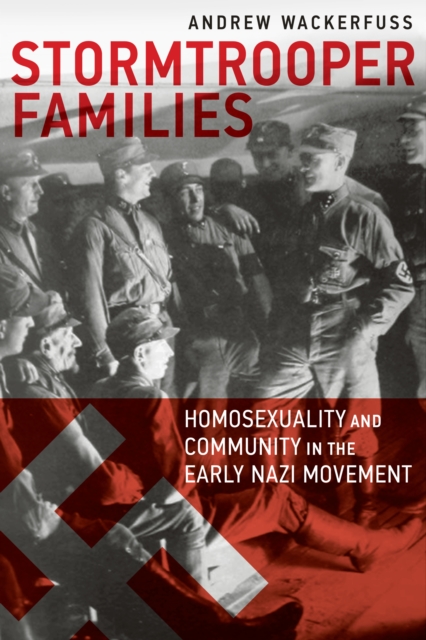
Based on extensive archival work, Stormtrooper Families combines stormtrooper personnel records, Nazi Party autobiographies, published and unpublished memoirs, personal letters, court records, and police-surveillance records to paint a picture of the stormtrooper movement as an organic product of its local community, its web of interpersonal relationships, and its intensely emotional internal struggles.
Among their many idiosyncrasies, Adolf Hitler and Joseph Goebbels, the Nazi minister of propaganda, remained serious cartoon aficionados throughout their lives.
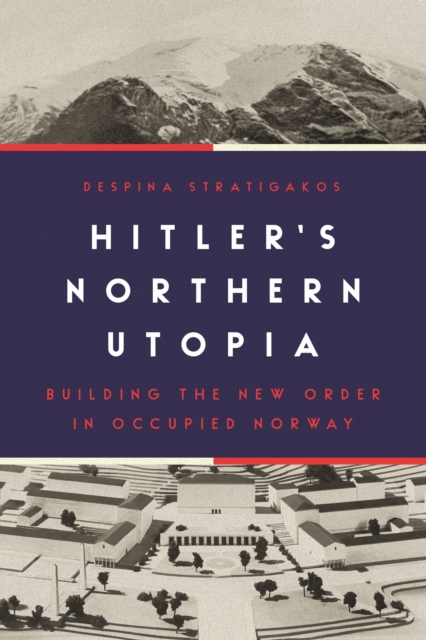
The fascinating untold story of how Nazi architects and planners envisioned and began to build a model "e;Aryan"e; society in Norway during World War IIBetween 1940 and 1945, German occupiers transformed Norway into a vast construction zone.
Although World War II began as a war in Europe, many in the United States, foreseeing the inevitable, began to prepare for war, putting no faith in the Neutrality Act.
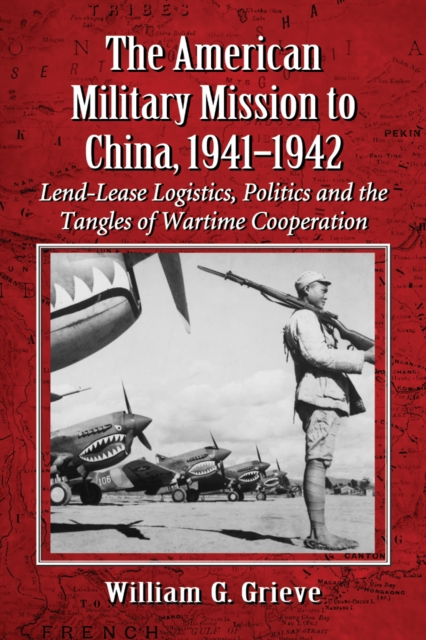
This is an overview of America's first effort in military aid to a foreign sovereign nation at a time when Europe was engaged in open warfare, Asia was facing a series of military confrontations, and most of the world thought global conflagration was inevitable.
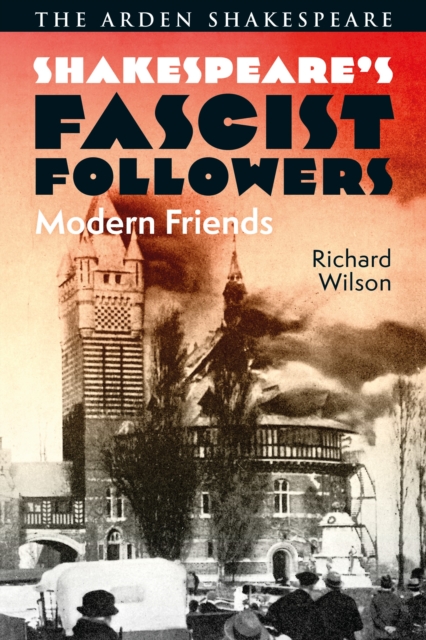
'Richard Wilson's meticulously researched, powerfully argued and brilliantly written account of Shakespeare's 20th-century fascist followers is not just an important but a genuinely essential book.
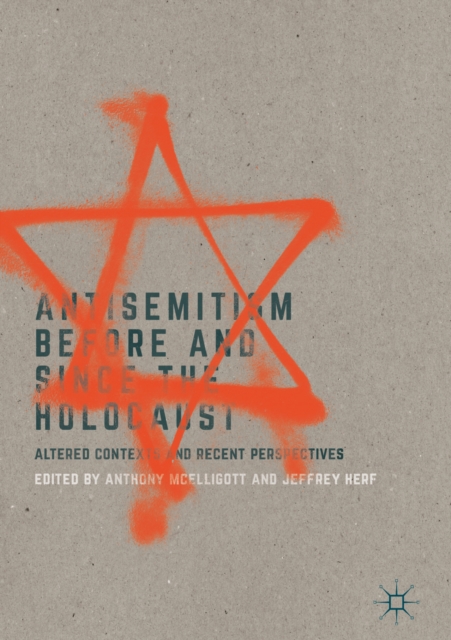
Divided into five discrete sections, this book examines the issue of Holocaust denial, and in some cases "e;Holocaust inversion"e; in North America, Europe, and the Middle East and its relationship to the history of antisemitism before and since the Holocaust.
This book is the first full-length study of the museum object as a memory medium in history exhibitions about the Nazi era, the Second World War, and the Holocaust.
This book presents the first comparative study of the works of Charlotte Delbo, Noor Inayat Khan, and Germaine Tillion in relation to their vigorous struggles against Nazi aggression during World War II and the Holocaust.
The Palgrave Handbook of Holocaust Literature and Culture reflects current approaches to Holocaust literature that open up future thinking on Holocaust representation.
This book offers a unique approach to memory studies by focusing on local memory work conducted across the divide of the fall of Communism, whereas other histories have consistently used 1989 as a watershed moment.
This book explores the transformative impact that the immigration of large numbers of Jews from the former Soviet Union to Germany had on Jewish communities from 1990 to 2005.
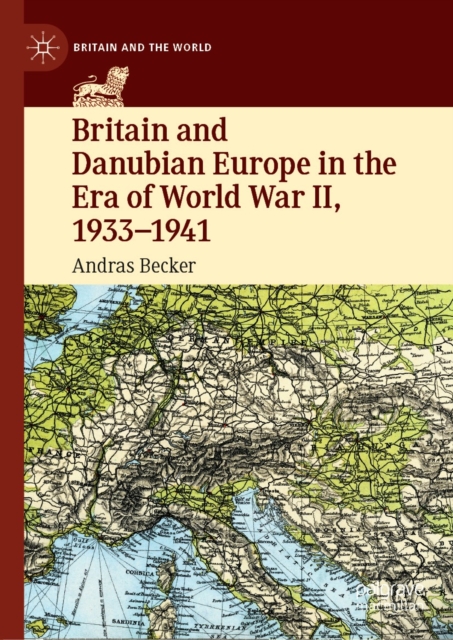
This book is a study of British official attitudes towards the Danubian countries (Hungary, Czechoslovakia, Romania and Yugoslavia) from Hitler's rise to power in 1933 to the year 1941, a period that marked serious but fruitless British political and economic efforts to unite this unruly part of Europe against Nazi ascendancy.
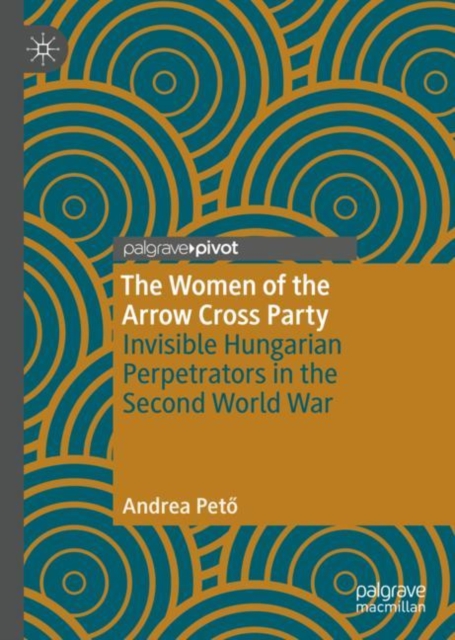
This book analyses the actions, background, connections and the eventual trials of Hungarian female perpetrators in the Second World War through the concept of invisibility.
Re-Evaluating Women's Page Journalism in the Post-World War II Era tells the stories of significant women's page journalists who contributed to the women's liberation movement and the journalism community.
This volume presents the intellectual autobiographies of fourteen leading scholars in the fields of history, literature, film and cultural studies who have dedicated a considerable part of their career to researching the history and memories of France during the Second World War.