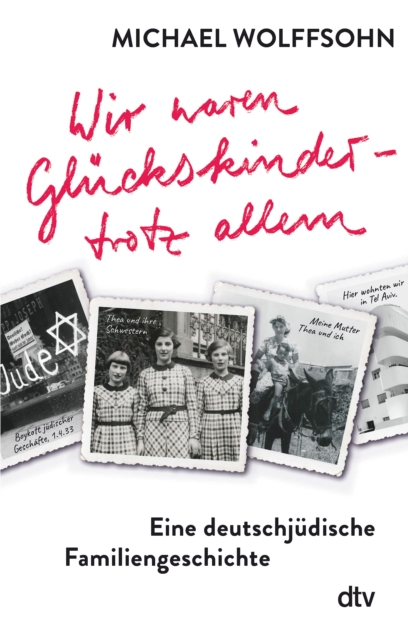
Einmal Tel Aviv und zurück: Die Geschichte einer EmigrationThea Saalheimer war siebzehn, als sie Anfang 1939 vor dem Naziterror nach Tel Aviv floh, wo sie sich in Max Wolffsohn verliebte.
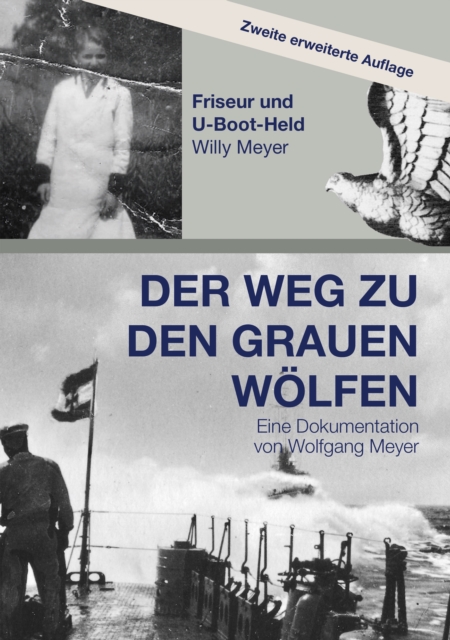
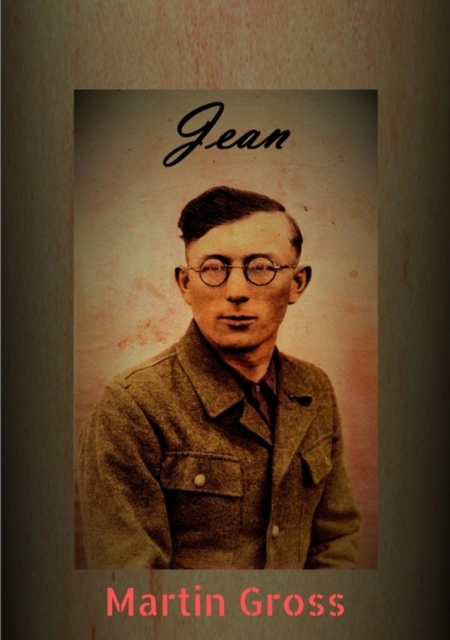
Jugendzeit in Kirchweyhe/Bremen; Ausbildung zum Friseur; Zeit in der Reichsmarine; Zeit in der Kriegsmarine; Ausbildung auf dem Segelschulschiff GORCH FOCK; mit dem Torpedoboot "LEOPARD" im Spanischen Bürgerkrieg; Ausbildung auf dem Dänholm; Dienst auf dem U-Boot U-47.
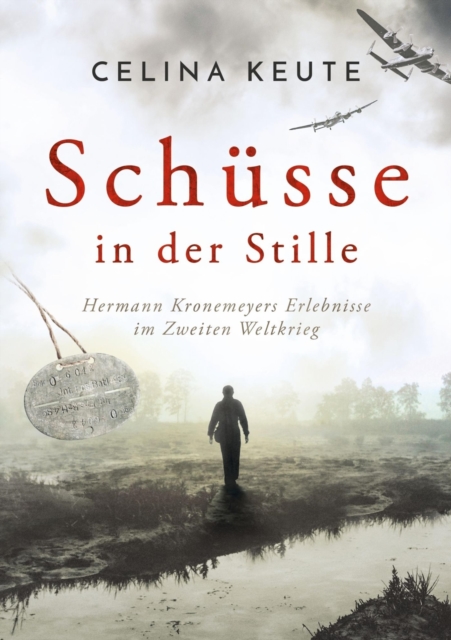
Eine Jugend im Zweiten Weltkrieg:Hermann Kronemeyer, Jahrgang 1927, wächst an der deutsch-niederländischen Grenze in unmittelbarer Nähe zum Emslandlager Bathorn auf.
Es geht um die Denkweisen aus der Wilhelminischen Zeit, die sich in der Weimarer Republik radikalisierten und von der nationalsozialistischen Vernichtungsideologie adaptiert wurden.
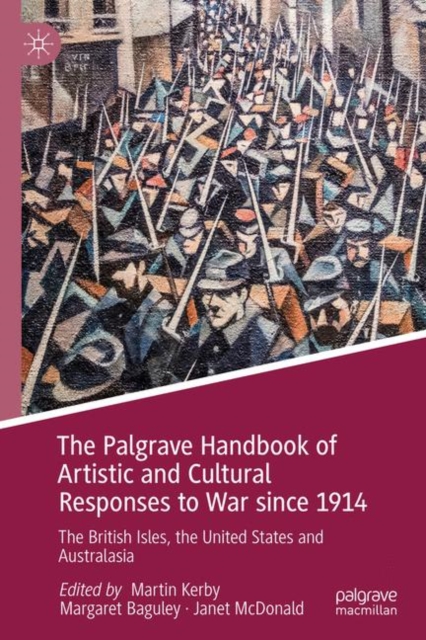
This handbook explores a diverse range of artistic and cultural responses to modern conflict, from Mons in the First World War to Kabul in the twenty-first century.
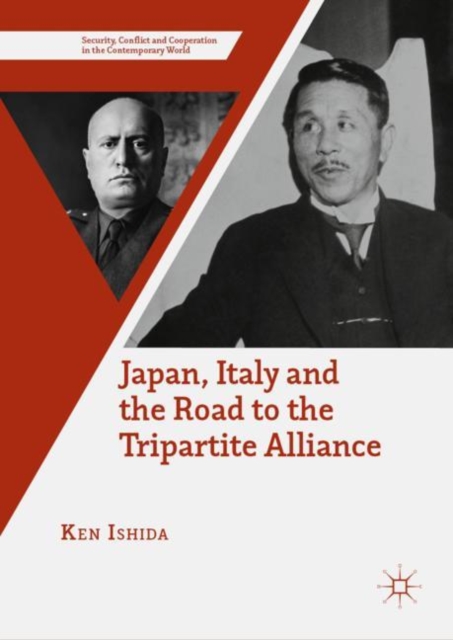
This book employs a comparative approach to explore the decision-making processes behind the Japanese and Italian foreign policies concerned with East Asia, Africa, Europe and the Mediterranean.
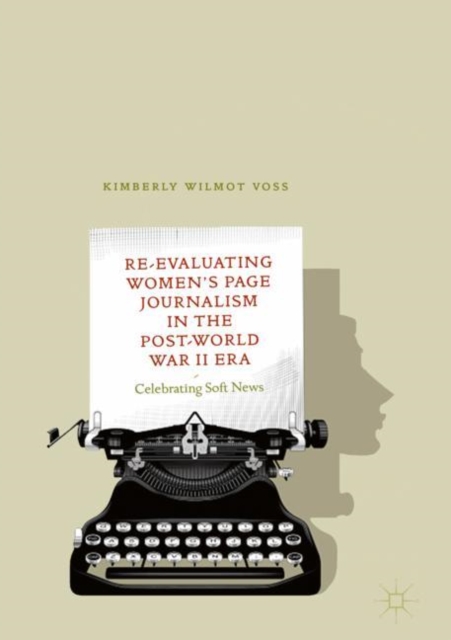
Re-Evaluating Women's Page Journalism in the Post-World War II Era tells the stories of significant women's page journalists who contributed to the women's liberation movement and the journalism community.
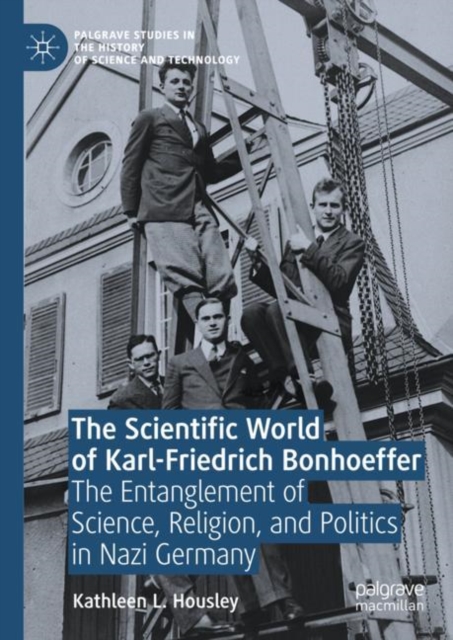
In twentieth-century Germany, Karl-Friedrich Bonhoeffer rose to prominence as a brilliant physical chemist, even as several of his relatives-Dietrich Bonhoeffer among them-became involved in the resistance to Hitler, leading to their executions.
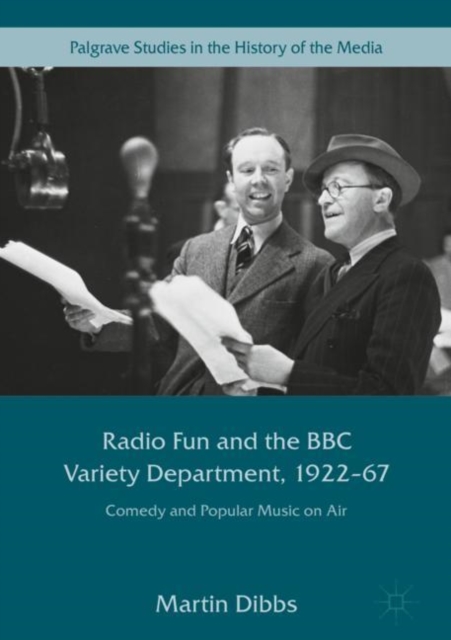
This book provides a narrative history of the BBC Radio Variety Department exploring, along chronological lines, the workings of, tensions within and the impact of BBC policies on the programme-making department which generated the organisation's largest audiences.
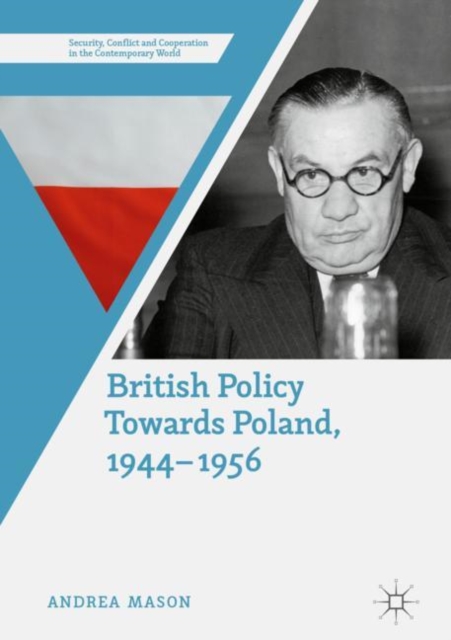
This book examines the outcome of the British commitment to reconstitute a sovereign Polish state and establish a democratic Polish government after the Second World War.
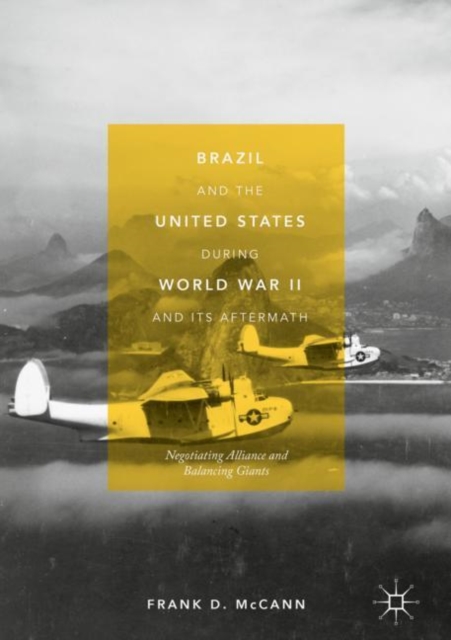
The military alliance between the United States and Brazil played a critical role in the outcome of World War II, and yet it is largely overlooked in historiography of the war.
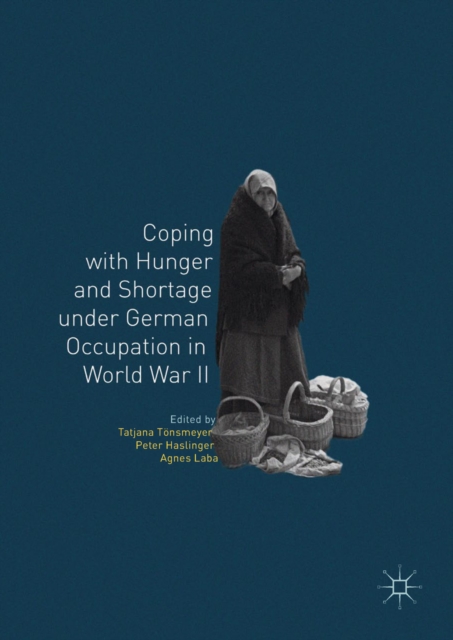
This volume demonstrates how German expansion in the Second World War II led to shortages, of food and other necessities including medicine, for the occupied populations, causing many to die from severe hunger or starvation.
This book is the first full-length study of the museum object as a memory medium in history exhibitions about the Nazi era, the Second World War, and the Holocaust.
In this discourse history, W J Dodd analyses the 'unquiet voices' of opponents whose contemporary critiques of Nazism, from positions of territorial and inner exile, focused on the 'language of Nazism'.
This collection is the first of its kind, bringing together Holocaust educational researchers as well as school and museum educators from across the globe, to discuss the potentials of Holocaust education in relation to primary school children.
This volume presents the intellectual autobiographies of fourteen leading scholars in the fields of history, literature, film and cultural studies who have dedicated a considerable part of their career to researching the history and memories of France during the Second World War.
This book analyses four case studies of Holocaust memory activism in Poland, contextualized within recent debates about Polish-Jewish relations and approached through a theoretical framework informed by critical theory.
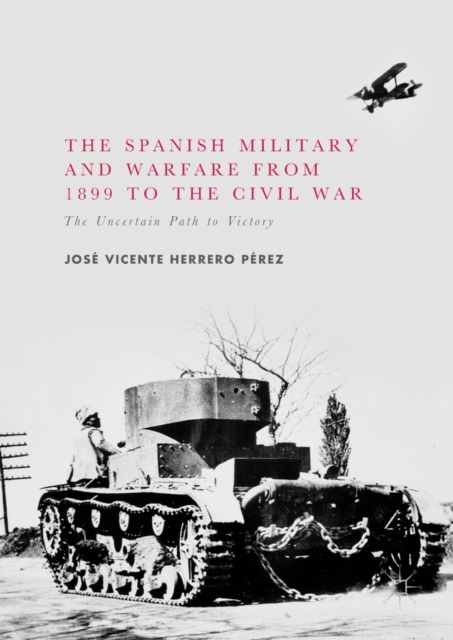
This book explores the attitudes of the Spanish army officer corps towards the evolution of warfare during the early decades of the twentieth century, and their influence on the armies of the Spanish Civil War.
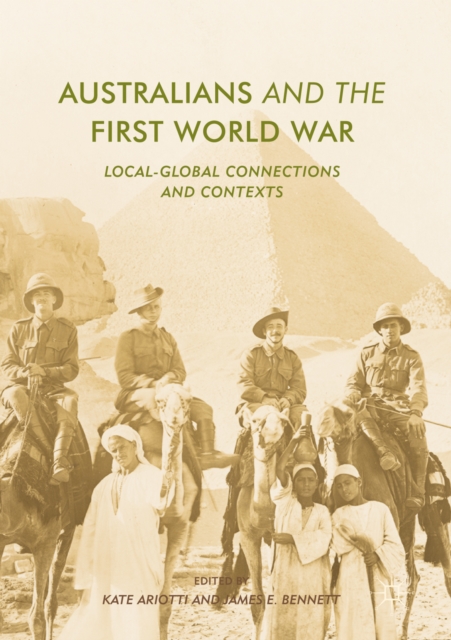
This book contributes to the global turn in First World War studies by exploring Australians' engagements with the conflict across varied boundaries and by situating Australian voices and perspectives within broader, more complex contexts.
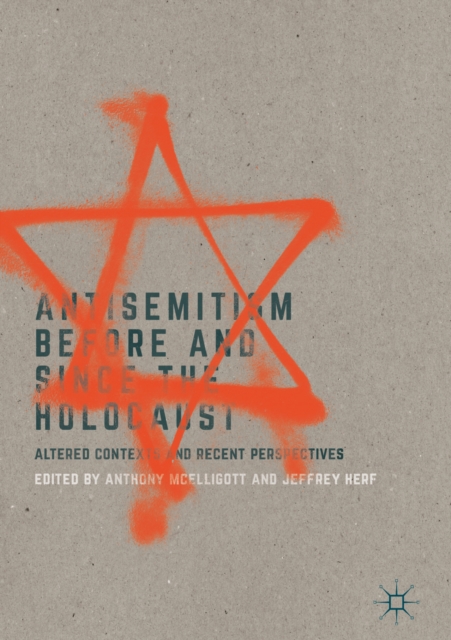
Divided into five discrete sections, this book examines the issue of Holocaust denial, and in some cases "e;Holocaust inversion"e; in North America, Europe, and the Middle East and its relationship to the history of antisemitism before and since the Holocaust.
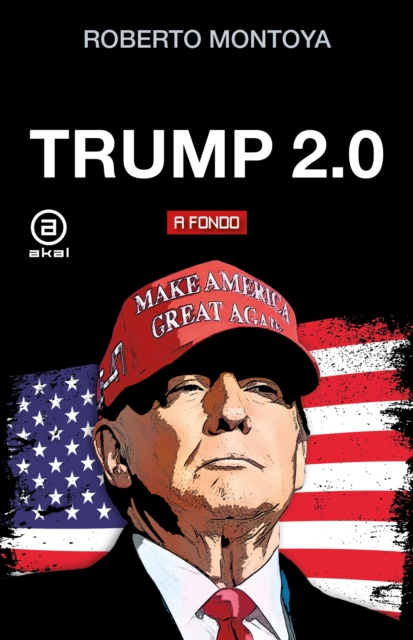
"Más fuerte, con más poder, aupado por tecnoligarcas como Elon Musk, «indultado» por las urnas tras ser declarado culpable de múltiples delitos y airoso pese a todos sus escándalos, exabruptos, megacausas judiciales e infoxicación de la que hace gala, Donald Trump ha vuelto a la Casa Blanca.