Since its completion in 1955, Alain Resnais s Night and Fog (Nuit et Brouillard) has been considered one of the most important films to confront the catastrophe and atrocities of the Nazi era.
An indispensable resource for those interested in the scourge of mass murder and genocide in the 20th and 21st centuries, this book analyzes modern and contemporary controversies and issues to help readers to understand genocide in all its complexity.
Daily Life in Nazi-Occupied Europe provides readers with information about political and military affairs, economic life, religious life, intellectual life, and other aspects of daily life in those countries occupied by Nazi Germany during World War II.
Of the countless stories of resistance, ingenuity, and personal risk to emerge in the years following the Holocaust, among the most remarkable, yet largely overlooked, are those of the hundreds of Jewish deportees who escaped from moving trains bound for the extermination camps.
Bringing together leading scholars from a range of nations, Rethinking Antifascism provides a fascinating exploration of one of the most vibrant sub-disciplines within recent historiography.
Talking about the Holocaust has provided an international language for ethics, victimization, political claims, and constructions of collective identity.
Work played a central role in Nazi ideology and propaganda, and even today there remain some who still emphasize the supposedly positive aspects of the regime s labor policies, ignoring the horrific and inhumane conditions they produced.
In 1944, members of the Sonderkommando the special squads, composed almost exclusively of Jewish prisoners, who ensured the smooth operation of the gas chambers and had firsthand knowledge of the extermination process buried on the grounds of Auschwitz-Birkenau a series of remarkable eyewitness accounts of Nazi genocide.
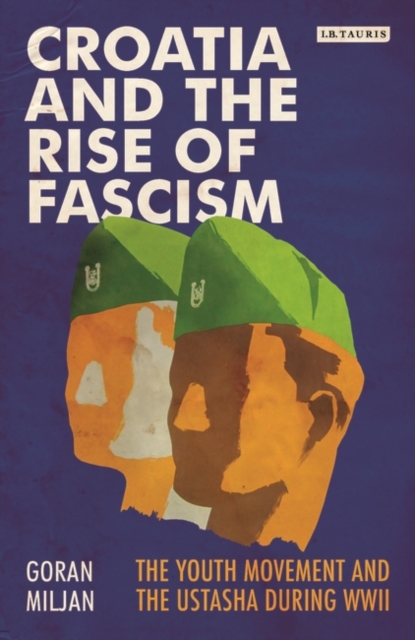
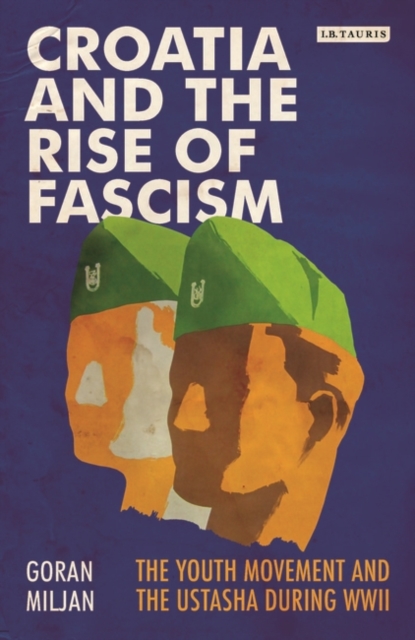
It is one of the great ironies of the history of fascism that, despite their fascination with ultra-nationalism, its adherents understood themselves as members of a transnational political movement.
More than any other sport, professional football contributed fighting men to the battles of World War II, and the 22 or so players or former players that lost their lives are among the riveting stories told in this tribute to football's war heroes that spans many decades and military conflicts.
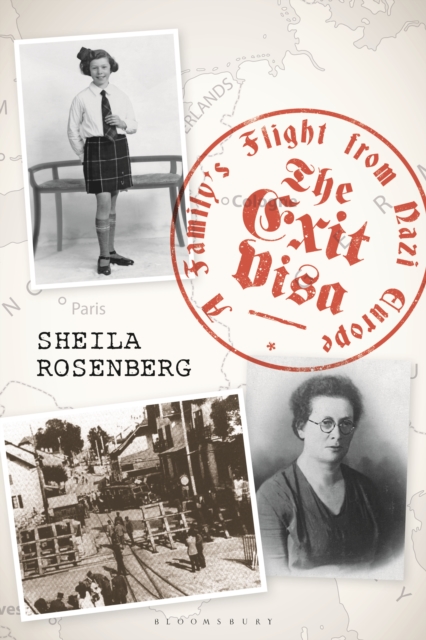
The exodus of refugees from Nazi Germany in the 1930s has received far more attention from historians, social scientists, and demographers than many other migrations and persecutions in Europe.
In this first interdisciplinary study of this contentious subject, leading experts in politics, history, and philosophy examine the complex aspects of the terror bombing of German cities during World War II.
Political instability is nearly always accompanied by fuller prisons, and this was particularly true during the long Second World War, when military mobilization, social disorder, wrenching political changes, and shifting national boundaries swelled the ranks of the imprisoned and broadened the carceral reach of the state.
The testimonies of individuals who survived the Holocaust as children pose distinct emotional and intellectual challenges for researchers: as now-adult interviewees recall profound childhood experiences of suffering and persecution, they also invoke their own historical awareness and memories of their postwar lives, requiring readers to follow simultaneous, disparate narratives.
Far from the image of an apolitical, clean Wehrmacht that persists in popular memory, German soldiers regularly cooperated with organizations like the SS in the abuse and murder of countless individuals during the Second World War.
Basing his extensive research into hitherto unexploited archival documentation on both sides of the Rhine, Allan Mitchell has uncovered the inner workings of the German military regime from the Wehrmacht s triumphal entry into Paris in June 1940 to its ignominious withdrawal in August 1944.
Between 1939 and 1945, some 80,000 Finnish children were sent to Sweden, Denmark, and elsewhere, ostensibly to protect them from danger while their nation s soldiers fought superior Soviet and German forces.
Largely forgotten over the years, the seminal work of French poet, novelist and camp survivor Jean Cayrol has experienced a revival in the French-speaking world since his death in 2005.
Since the end of World War II, the ongoing efforts aimed at criminal prosecution, restitution, and other forms of justice in the wake of the Holocaust have constituted one of the most significant episodes in the history of human rights and international law.
There are few individuals in modern Spanish history that have been as thoroughly mythologized as Jose Antonio Primo de Rivera, a leading figure in the Spanish Civil War who was executed by the Republicans in 1936 and celebrated as a martyr following the victory of the Falangists.
Of the three categories that Raul Hilberg developed in his analysis of the Holocaust perpetrators, victims, and bystanders it is the last that is the broadest and most difficult to pinpoint.
Prior to Hitler s occupation, nearly 120,000 Jews inhabited the areas that would become the Protectorate of Bohemia and Moravia; by 1945, all but a handful had either escaped or been deported and murdered by the Nazis.
Taking as its point of departure Omer Bartov s acclaimed Anatomy of a Genocide, this volume brings together previously unknown accounts by three individuals from Buczacz.
The Sonderkommando the special squad of enslaved Jewish laborers who were forced to work in the gas chambers and crematoria of Auschwitz-Birkenau comprise one of the most fascinating and troubling topics within Holocaust history.
The early twentieth-century advent of aerial bombing made successful evacuations essential to any war effort, but ordinary people resented them deeply.
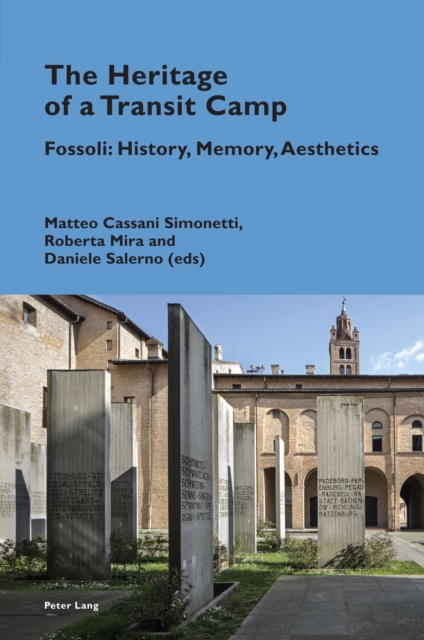
Commentary on memorials to the Holocaust has been plagued with a sense of monument fatigue , a feeling that landscape settings and national spaces provide little opportunity for meaningful engagement between present visitors and past victims.
Although studies of fascism have constituted one of the most fertile areas of historical inquiry in recent decades, more and more scholars have called for a new agenda with more research beyond Italy and Germany, less preoccupation with definition and classification, and more sustained focus on the relationships among different fascist formations before 1945.
Since 1963, the state of Israel has awarded the title of Righteous among the Nations to individuals who risked their lives sheltering Jews during the Holocaust.
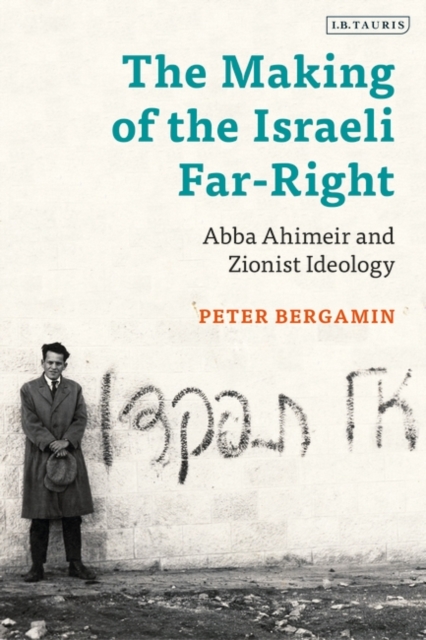
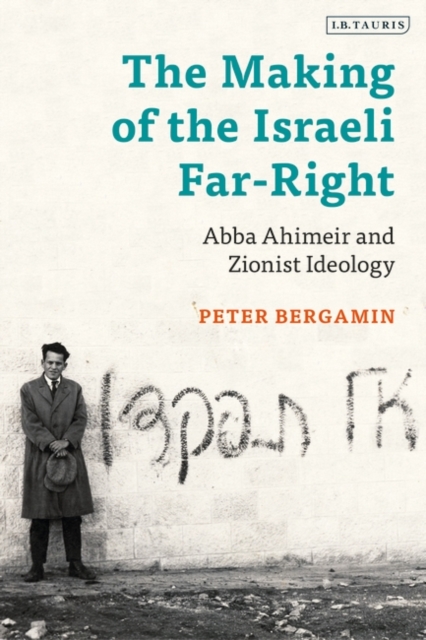
Given their geographical separation from Europe, ethno-religious and cultural diversity, and subordinate status within the Nazi racial hierarchy, Middle Eastern societies were both hospitable as well as hostile to National Socialist ideology during the 1930s and 1940s.
From 1942 to 1950, nearly twenty thousand Poles found refuge from the horrors of war-torn Europe in camps within Britain s African colonies, including Uganda, Tanganyika, Kenya and Northern and Southern Rhodesia.
Modern military history, inspired by social and cultural historical approaches, increasingly puts the national histories of the Second World War to the test.
After a brief overview of the origins and development of the city of Odessa on the Black Sea Coast, author Nikolai Ovcharenko turns to its citizens’ ordeal during the Second World War.
This monumental 7-volume encyclopedia, the result of years of work by the Jack, Joseph, and Morton Mandel Center for Advanced Holocaust Studies at the United States Holocaust Memorial Museum, will describe the universe of camps and ghettos-some 20,000 in all-that the Nazis and their allies operated, from Norway to North Africa and from France to Russia.
Forced to contend with unprecedented levels of psychological trauma during World War II, the United States military began sponsoring a series of nontheatrical films designed to educate and even rehabilitate soldiers and civilians alike.
The memoir of paratrooper Kurt Gabela German Jew who emigrated to the US in 1938, joined the 513th Regiment of the 17th Airborne Division, and fought against his former countrymen in the Battle of the Bulge.
"e;Langer, by the force of scholarship and literary precision rather than dogmatic affirmation and pathos, is one of the few writers, with the exception of significant poets and novelists, who unsettles both our customary language and conceptual instruments.