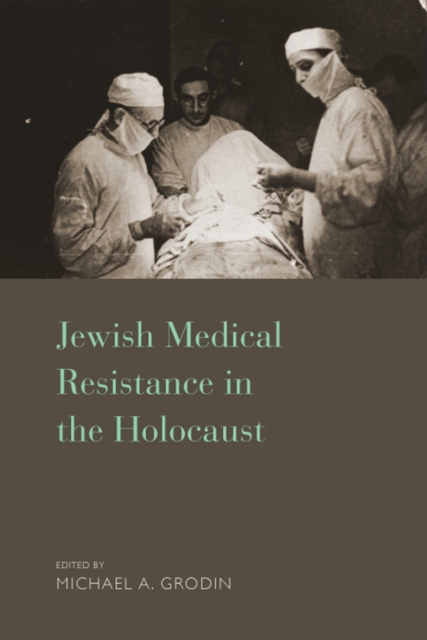
Faced with infectious diseases, starvation, lack of medicines, lack of clean water, and safe sewage, Jewish physicians practiced medicine under severe conditions in the ghettos and concentration camps of the Holocaust.
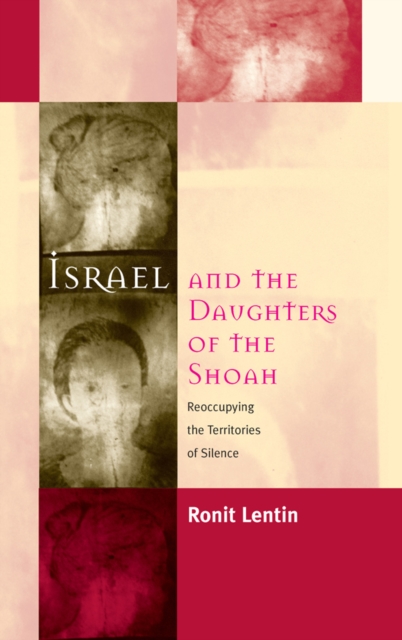
The murder of a third of Europe's Jews by the Nazis is unquestionably the worst catastrophe in the history of contemporary Judaism and a formative event in the history of Zionism and the State of Israel.
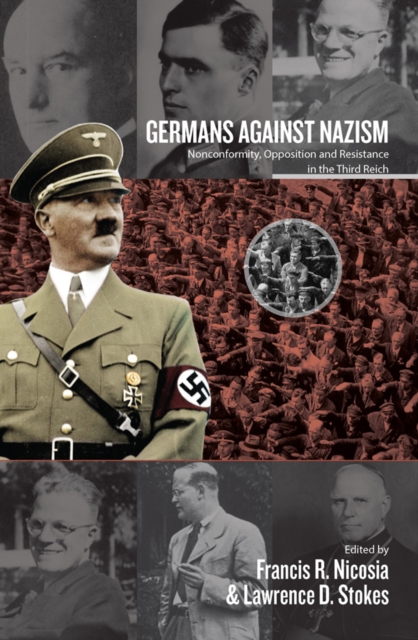
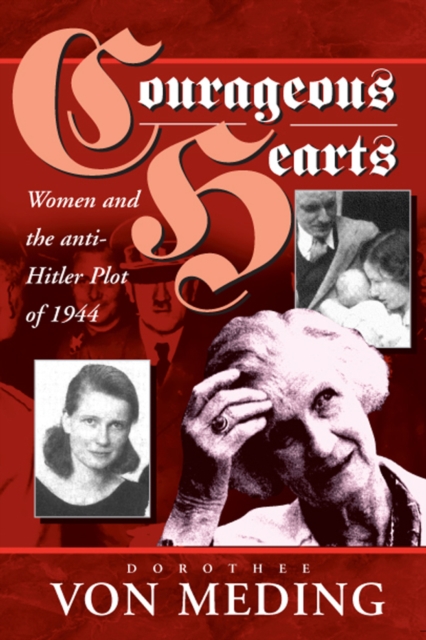
Nazi "e;justice"e; following the attempt on Hitler's life on 20 July 1944 led not only to the brutal execution of scores of conspirators, but also dramatically changed the lives of their families.
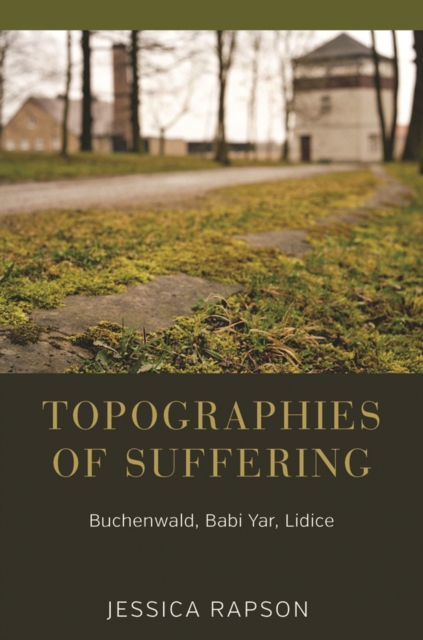
Commentary on memorials to the Holocaust has been plagued with a sense of monument fatigue , a feeling that landscape settings and national spaces provide little opportunity for meaningful engagement between present visitors and past victims.
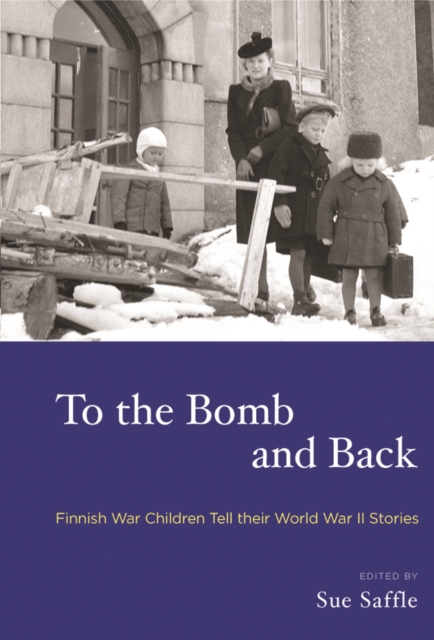
Between 1939 and 1945, some 80,000 Finnish children were sent to Sweden, Denmark, and elsewhere, ostensibly to protect them from danger while their nation s soldiers fought superior Soviet and German forces.
Talking about the Holocaust has provided an international language for ethics, victimization, political claims, and constructions of collective identity.
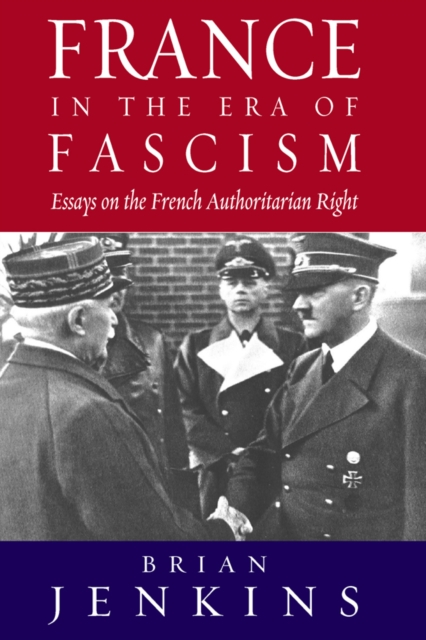
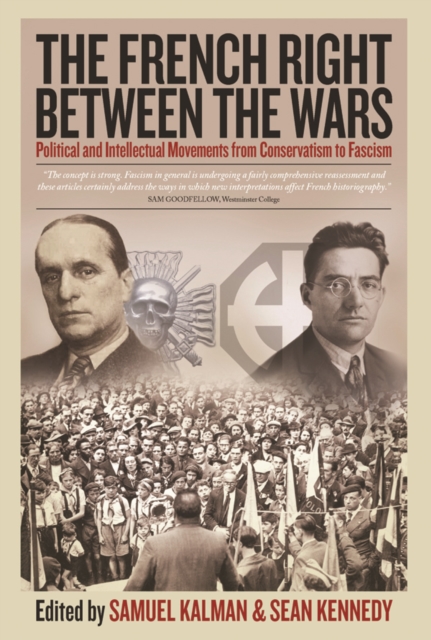
France's response to the rise of European fascism during the 1930s, and subsequently to the Nazi occupation 1940-44, has been a difficult subject for the nation s historians.
During the fifty years since the end of hostilities, European literary memories of the war have undergone considerable change, influenced by the personal experiences of writers as well as changing political, social, and cultural factors.
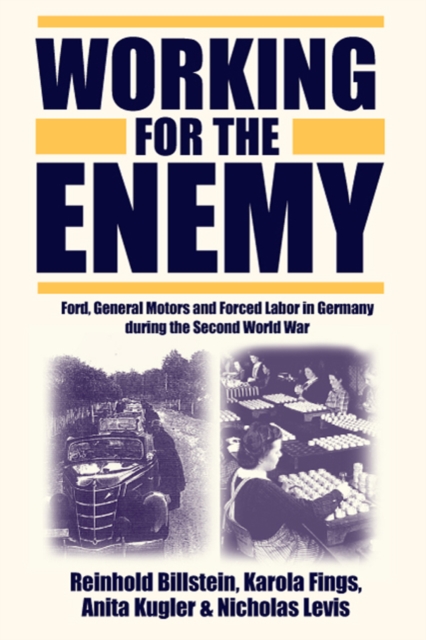
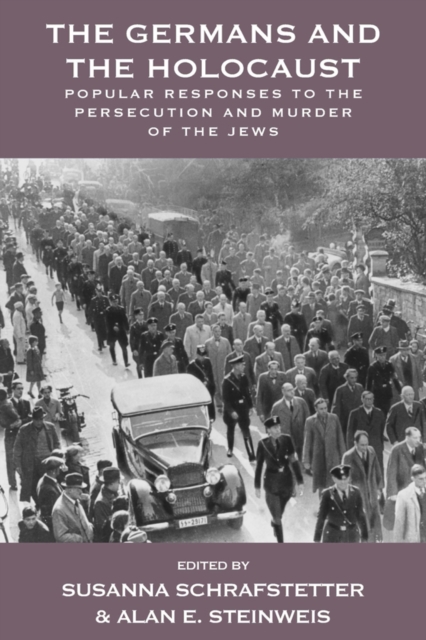
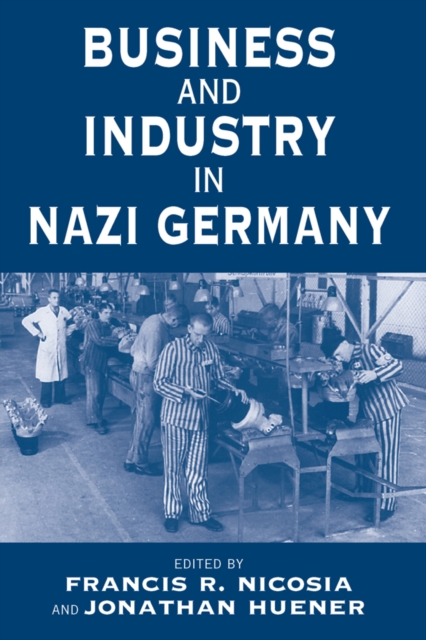
During the past decade, the role of Germany's economic elites under Hitler has once again moved into the limelight of historical research and public debate.
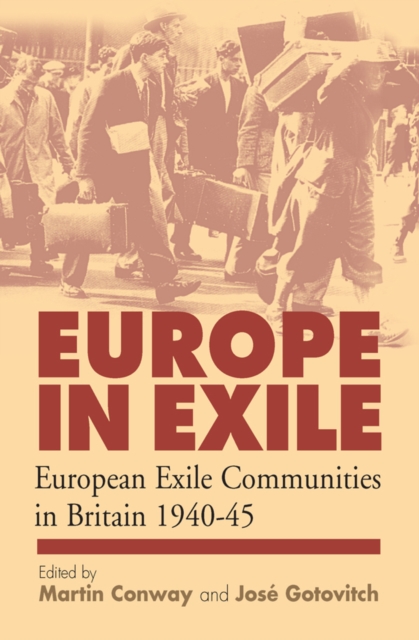
During World War II, London was transformed into a European city, as it unexpectedly became a place of refuge for many thousands of European citizens who through choice or the accidents of war found themselves seeking refuge in Britain from the military campaigns on the Continent of Europe.
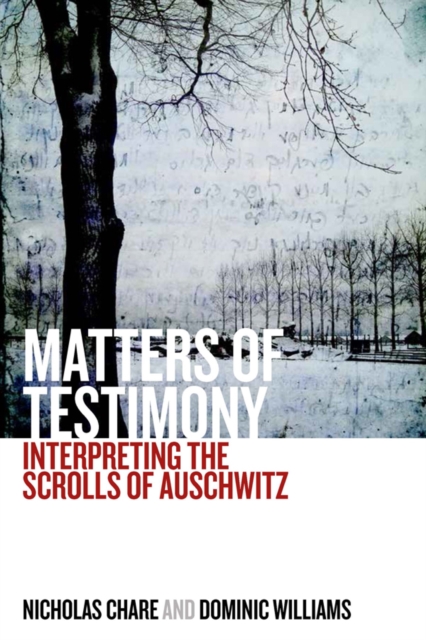
In 1944, members of the Sonderkommando the special squads, composed almost exclusively of Jewish prisoners, who ensured the smooth operation of the gas chambers and had firsthand knowledge of the extermination process buried on the grounds of Auschwitz-Birkenau a series of remarkable eyewitness accounts of Nazi genocide.
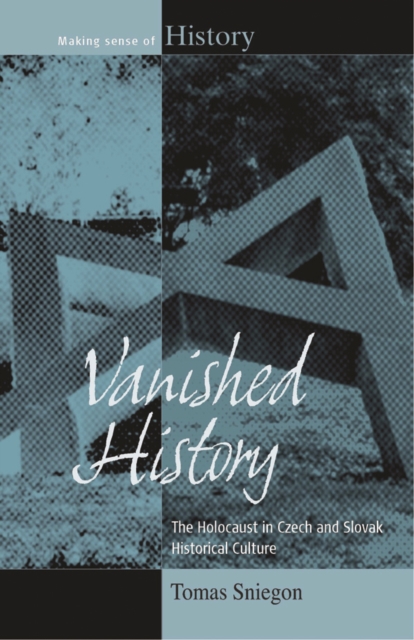
Bohemia and Moravia, today part of the Czech Republic, was the first territory with a majority of non-German speakers occupied by Hitler s Third Reich on the eve of the World War II.
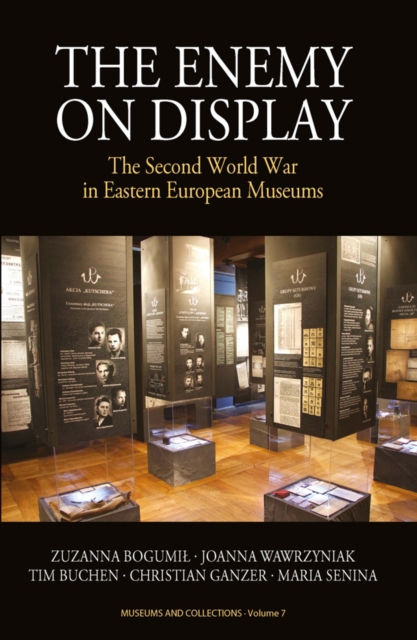
Eastern European museums represent traumatic events of World War II, such as the Siege of Leningrad, the Warsaw Uprisings, and the Bombardment of Dresden, in ways that depict the enemy in particular ways.
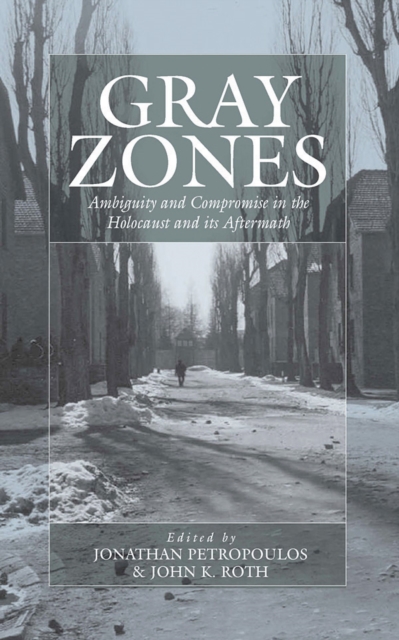
Few essays about the Holocaust are better known or more important than Primo Levi s reflections on what he called the gray zone, a reality in which moral ambiguity and compromise were pronounced.
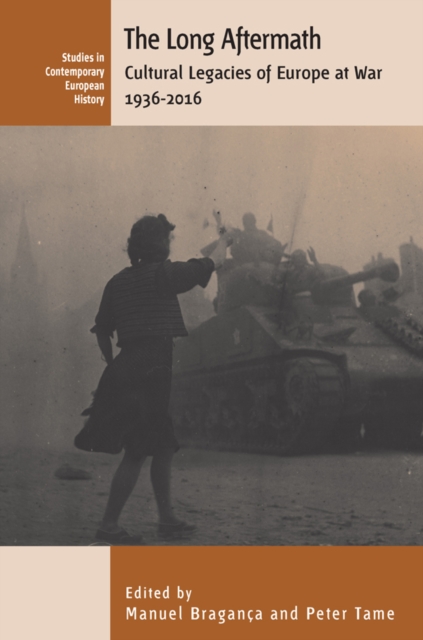
In its totality, the Long Second World War extending from the beginning of the Spanish Civil War to the end of hostilities in 1945 has exerted enormous influence over European culture.
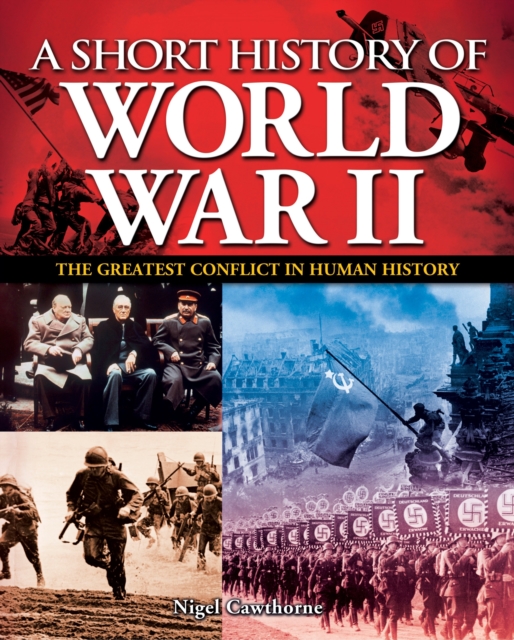
World War II was the greatest conflict in human history, involving over 100 million people serving in the forces of the Axis and the Allies and resulting in 50 to 70 million deaths.
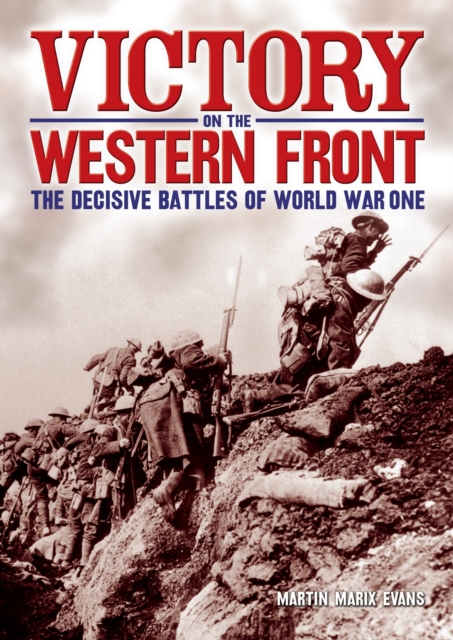
Presenting the Allied and German experience of war - both military and on a personal level - Victory on the Western Front is an immensely readable, visually striking account of the pivotal final stages of World War I, when two very different concepts went head-to-head on the battlefield.
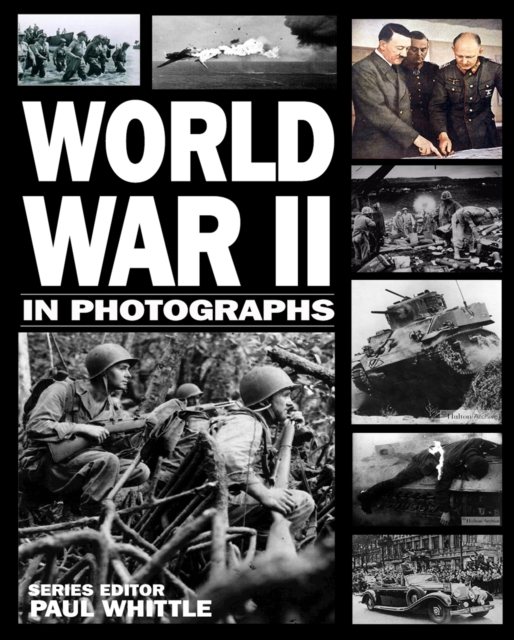
World War II in Photographs is an innovative visual account of the major events of the greatest conflict of the twentieth century, the Second World War.
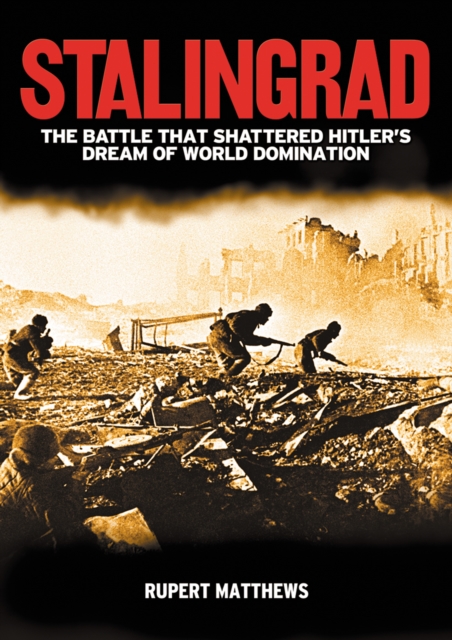
Perhaps it was Adolf Hitler's implacable hatred of Soviet dictator Joseph Stalin that compelled the Fu*hrer to order the taking, whatever the cost, of the city that bore his enemy's name.
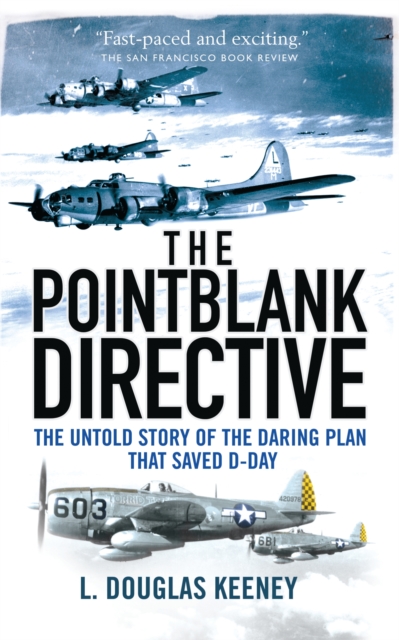
The growth in size, lethality, and technology of the German Luftwaffe was of concern to some defense planners in the United States before American entry into the war.
The growth in size, lethality, and technology of the German Luftwaffe was of concern to some defense planners in the United States before American entry into the war.
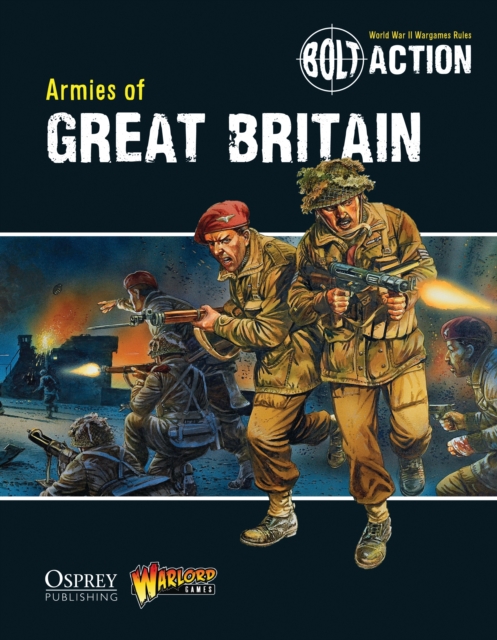
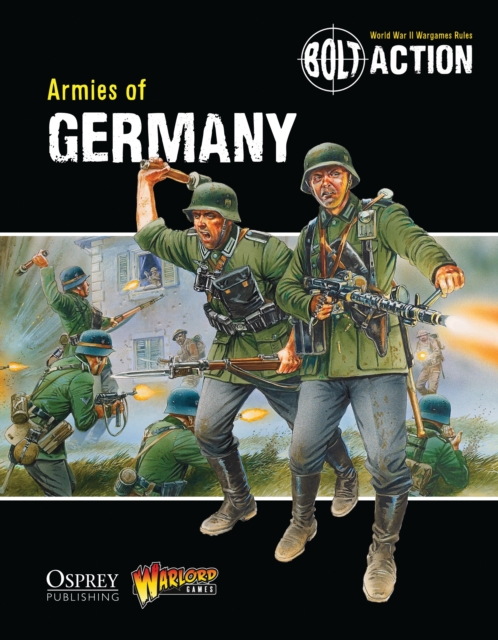
Written by veteran game designers Alessio Cavatore and Rick Priestley, Bolt Action provides all the rules needed to bring the great battles of World War II to your tabletop.
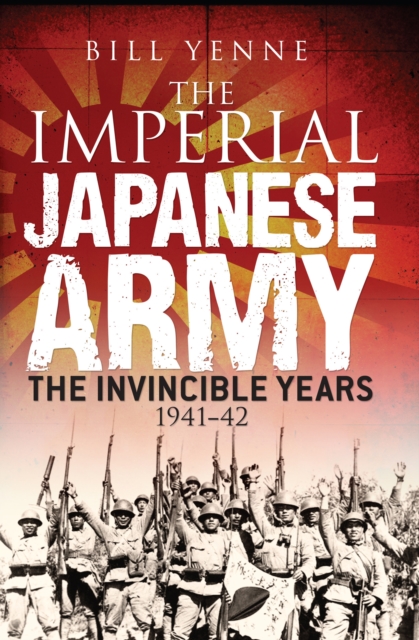
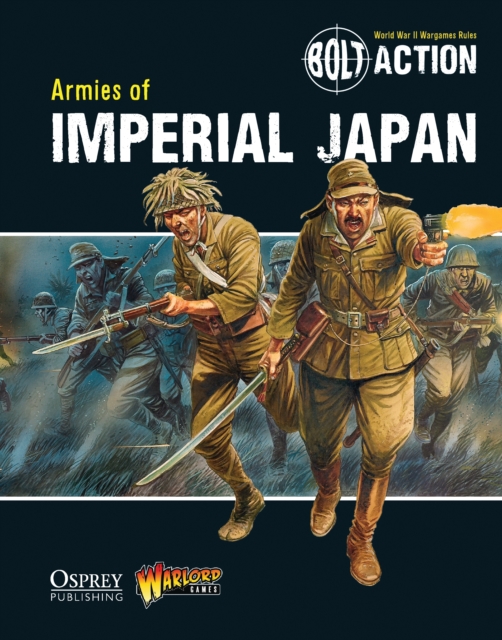
Following the assault on Pearl Harbor, the Imperial Japanese military saw action across Asia, from the capture and defence of the islands of the Pacific to the occupation of territory in China and Burma.
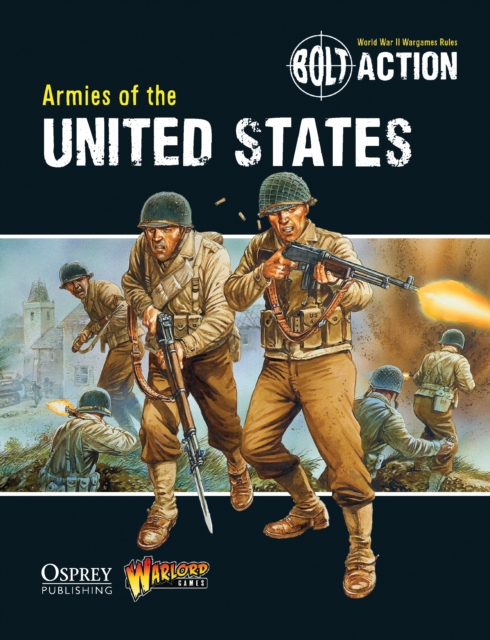
With this latest supplement for Bolt Action, players now have all the information they need to field the varied military forces of the United States of America.
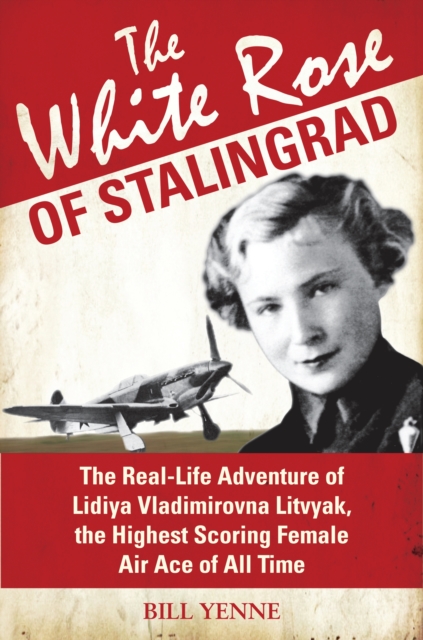
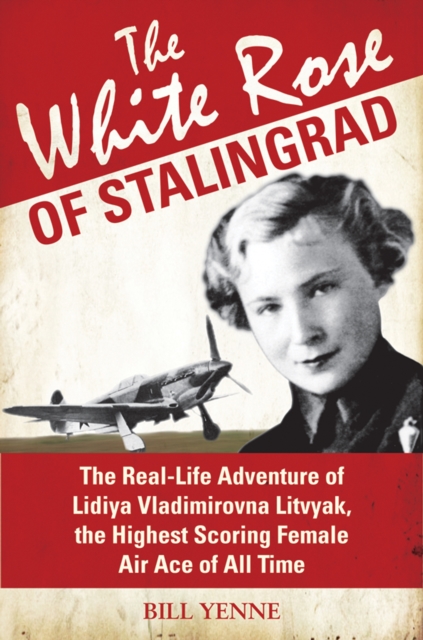
Bill Yenne brings to life the untold story of Lidiya Vladimirovna, Russia's World War II flying ace, who lit up the skies over Germany and Russia while flying 66 combat missionsOf all the major air forces that were engaged in the war, only the Red Air Force had units comprised specifically of women.
Bill Yenne brings to life the untold story of Lidiya Vladimirovna, Russia's World War II flying ace, who lit up the skies over Germany and Russia while flying 66 combat missionsOf all the major air forces that were engaged in the war, only the Red Air Force had units comprised specifically of women.