In this revised and expanded edition of his collected writings, David Suzuki continues to explore the themes that have informed his work for more than four decades the interconnectedness of all things, our misguided elevation of economics above all else, the urgent need to deal with climate change but with an increased emphasis on solutions to the myriad problems we face, his inspiring vision for the future, and the legacy he hopes to leave behind.
The renewal of radicalism maps the trajectory of Labour politics from its origins in the mid-Victorian tradition of working-class radicalism through to its emergence as a major electoral force in the 1920s.
The renewal of radicalism maps the trajectory of Labour politics from its origins in the mid-Victorian tradition of working-class radicalism through to its emergence as a major electoral force in the 1920s.
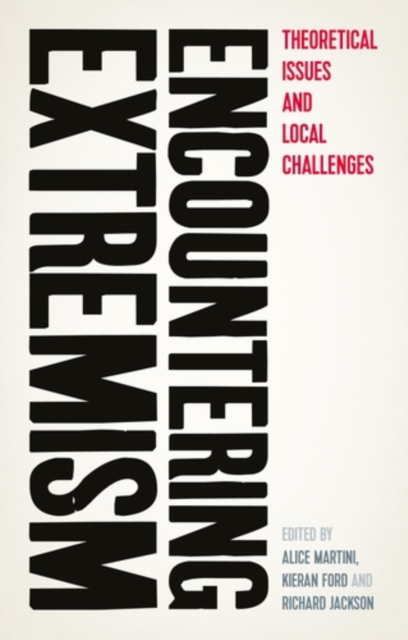
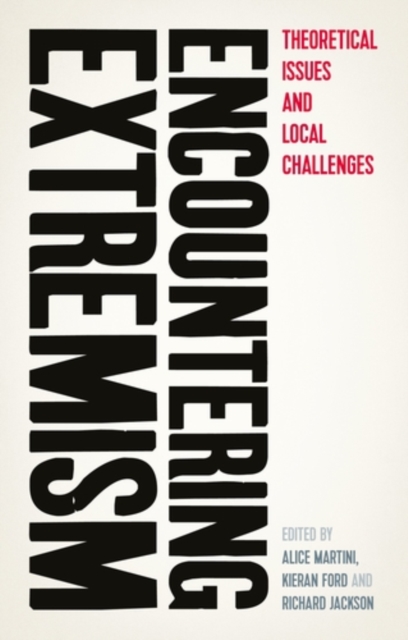
Encountering Extremism offers readers the opportunity to interrogate extremism through a plethora of theoretical perspectives and explore counter-extremism as it has materialised in plural local contexts.
Encountering Extremism offers readers the opportunity to interrogate extremism through a plethora of theoretical perspectives and explore counter-extremism as it has materialised in plural local contexts.
Verblüffende Fakten, überzeugende Grafiken, mutige Zukunftsszenarien: der große Atlas zur KlimakriseWie könnte die Welt aussehen, wenn wir all das Geld, das in Greenwashing gesteckt wird, in echten Klimaschutz investieren?
Westra recounts how the unceremonious collapse of Soviet-style socialism, coupled with mounting awareness of unfolding environmental destruction and irreversible climate change opened the door to a new, wide-ranging, social change literature.
When green parties emerged in the 1980s, not only did they question established ideas about nature and economic growth, they also challenged the 'iron law' of Roberto Michels that all parties inevitably follow a similar path towards informal concentration of power and oligarchy.
When green parties emerged in the 1980s, not only did they question established ideas about nature and economic growth, they also challenged the 'iron law' of Roberto Michels that all parties inevitably follow a similar path towards informal concentration of power and oligarchy.
Developing a framework of analysis which enables a detailed empirical investigation of Scottish Green Party membership, this is a detailed assessment of why people become members of a green party.
Developing a framework of analysis which enables a detailed empirical investigation of Scottish Green Party membership, this is a detailed assessment of why people become members of a green party.
This book explores social movements and political activism in contemporary Japan, arguing that the 2011 Fukushima nuclear accident marks a decisive moment, which has led to an unprecedented resurgence in social and protest movements and inaugurated a new era of civic engagement.
This book explores social movements and political activism in contemporary Japan, arguing that the 2011 Fukushima nuclear accident marks a decisive moment, which has led to an unprecedented resurgence in social and protest movements and inaugurated a new era of civic engagement.
The premise of this book is that our environmental dilemmas are products of biological and sociocultural evolution, and that through an understanding of evolution we can reframe debates of thought and action.
The premise of this book is that our environmental dilemmas are products of biological and sociocultural evolution, and that through an understanding of evolution we can reframe debates of thought and action.
Despite growing evidence of the universality of environmental problems and of economic and cultural globalization, the development of a truly global environmental movement is at best tentative.
Despite growing evidence of the universality of environmental problems and of economic and cultural globalization, the development of a truly global environmental movement is at best tentative.
Recent years have witnessed a resurgence of the 'end of ideology' thesis, not as a theoretical stance but as a reaction to what appears to have been the decline of major ideological families, such as socialism, in a changing world order.
Recent years have witnessed a resurgence of the 'end of ideology' thesis, not as a theoretical stance but as a reaction to what appears to have been the decline of major ideological families, such as socialism, in a changing world order.
As the global economy seeks to recover from the financial crisis and warnings about the consequences of climate change abound, it is clear that we need a fundamentally new approach to tackle these issues.
As the global economy seeks to recover from the financial crisis and warnings about the consequences of climate change abound, it is clear that we need a fundamentally new approach to tackle these issues.
The contributors to this volume focus on the political and value issues that, in their shared view, underlie the global environmental crisis facing us today.
The contributors to this volume focus on the political and value issues that, in their shared view, underlie the global environmental crisis facing us today.
The emergence of green parties throughout Europe during the 1980s marked the arrival of a new form of political movement, challenging established models of party politics and putting new issues on the political agenda.
The emergence of green parties throughout Europe during the 1980s marked the arrival of a new form of political movement, challenging established models of party politics and putting new issues on the political agenda.
In the light of globalization's failure provide the universal panacea expected by some of its more enthusiastic proponents, and the current status of neo-liberalism in Europe, a search has begun for alternative visions of the future; alternatives to the free market and to rampant capitalism.
In the light of globalization's failure provide the universal panacea expected by some of its more enthusiastic proponents, and the current status of neo-liberalism in Europe, a search has begun for alternative visions of the future; alternatives to the free market and to rampant capitalism.
The environmental crisis in Eastern Europe - air and water pollution, toxic waste dumps, and unsafe nuclear facilities - has been vividly documented since the revolution of 1989.
The environmental crisis in Eastern Europe - air and water pollution, toxic waste dumps, and unsafe nuclear facilities - has been vividly documented since the revolution of 1989.
While a number of schools of environmental thought - including social ecology, ecofeminism, ecological Marxism, ecoanarchism, and bioregionalism - have attempted to link social issues to a concern for the environment, environmental ethics as an academic discipline has tended to focus more narrowly on ethics related either to changes in personal values or behavior, or to the various ways in which nature might be valued.
While a number of schools of environmental thought - including social ecology, ecofeminism, ecological Marxism, ecoanarchism, and bioregionalism - have attempted to link social issues to a concern for the environment, environmental ethics as an academic discipline has tended to focus more narrowly on ethics related either to changes in personal values or behavior, or to the various ways in which nature might be valued.
While a number of schools of environmental thought - including social ecology, ecofeminism, ecological Marxism, ecoanarchism, and bioregionalism - have attempted to link social issues to a concern for the environment, environmental ethics as an academic discipline has tended to focus more narrowly on ethics related either to changes in personal values or behavior, or to the various ways in which nature might be valued.