In the wake of the protests that spread throughout the Middle East and North Africa in late 2010 and early 2011, Islamist movements of varying political persuasions have risen to prominence.
The Lebanese civil war, which spanned the years of 1975 to 1990,caused the migration of hundreds of thousands of Lebanese citizens, many of whom are still writing of their experiences.
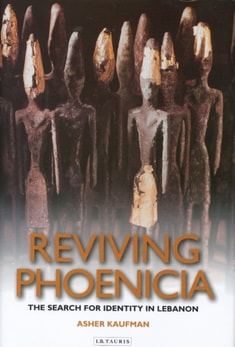
Reviving Phoenicia follows the social, intellectual and political development of the Phoenician myth of origin in Lebanon from the middle of the nineteenth century to the end of the twentieth.
In the last thirty years of his life, Leo Tolstoy developed a moral philosophy that embraced pacifism, vegetarianism, the renunciation of private property, and a refusal to comply with the state.
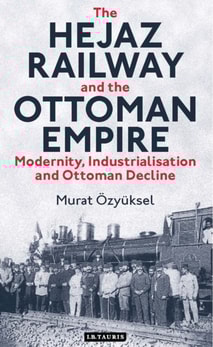
Railway expansion was symbolic of modernization in the late 19th century, and Britain, Germany and France built railways at enormous speed and reaped great commercial benefits.
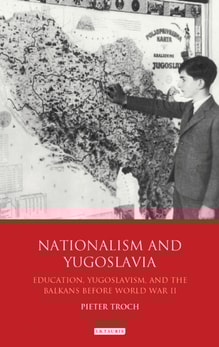
Created after World War I, 'Yugoslavia' was a combination of ethnically, religiously, and linguistically diverse but connected South Slav peoples - Slovenes, Croats and Serbs but also Bosnian Muslims, Macedonians, and Montenegrins - in addition to non-Slav minorities.
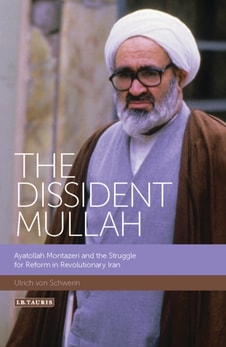
The Iranian cleric Ayatollah Montazeri (1922-2009) played an integral role in the founding of the Islamic Republic in the wake of the Iranian Revolution of 1978/9.
Lebanon, together with the province of Hatay in Turkey (containing Antakya) and the Golan Heights were all part of French mandate Syria, but are now all outside the boundaries of the modern Syrian state.
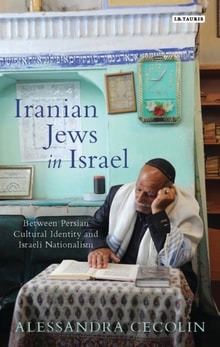
Since the establishment of the State of Israel in May 1948, more than 40,000 Iranian Jews have moved to Israel, with the last big wave arriving after the Iranian Revolution of 1978/79.
Regionally-based Arabs and Iranian scholars here explore the preoccupation of the economic, political, educational and strategist present of Arab-Iranian relationships in the context of the historical and cultural past.
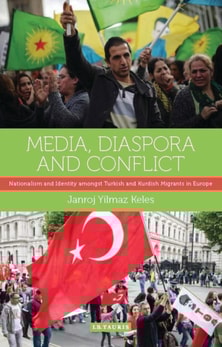
For migrant communities residing outside of their home countries, various transnational media have played a key role in maintaining, reviving and transforming ethnic and religious identities.
For many years Malise Ruthven has been at the forefront of discerning commentary on the Islamic world and its relations with the predominantly secularised and Christian societies of the West.
From the turmoil and tragedy of the French Revolution to the rise and fall of the enigmatic figure of Napoleon Bonaparte, the history of France between 1789 and 1815 is one of the most enduringly fascinating - and widely-studied - periods of history.
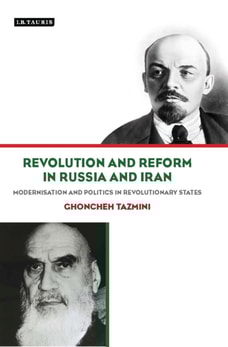
The Russian Revolutions of 1917 and the Iranian Revolution of 1979 are two examples of dramatic, sudden and extraordinary political upheaval that significantly altered the nature of the state and society in the modern age.
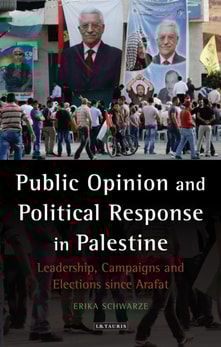
The 2006 elections for the Palestinian Legislative Council, the first in which both Fatah and Hamas fielded candidates, resulted in a resounding victory for Hamas.
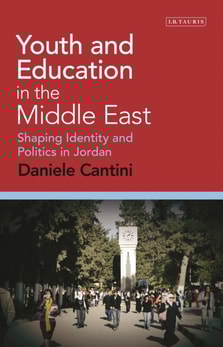
The uprisings that were seen throughout the Middle East during 2010 and 2011, make it difficult to over-state the role of educated youth in the region s politics.
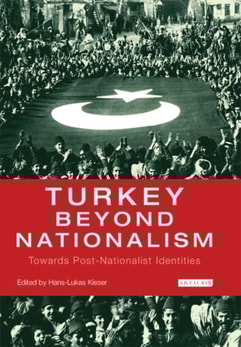
Nationalism was a defining characteristic of Turkey in the twentieth century and was a central driving force in Kemal Ataturk's foundation of the Republic in 1923.
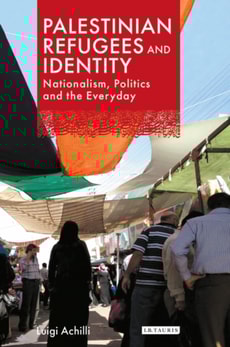
After the creation of the State of Israel in 1948, Palestinian refugees fled over the border into Jordan, which in 1950 formally annexed the West Bank.
Created after World War I, 'Yugoslavia' was a combination of ethnically, religiously, and linguistically diverse but connected South Slav peoples - Slovenes, Croats and Serbs but also Bosnian Muslims, Macedonians, and Montenegrins - in addition to non-Slav minorities.
In 1923 the Turkish government, under its new leader Kemal Ataturk, signed a renegotiated Balkan Wars treaty with the major powers of the day and Greece.
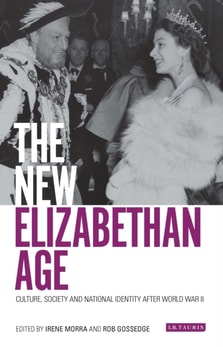
In the first half of the twentieth century, many writers and artists turnedto the art and received example of the Elizabethans as a means ofarticulating an emphatic (and anti-Victorian) modernity.
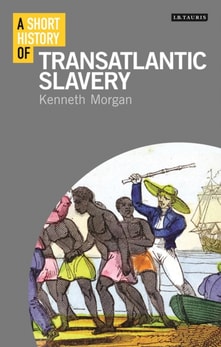
From 1501, when the first slaves arrived in Hispaniola, until the nineteenth century, some twelve million people were abducted from west Africa and shipped across thousands of miles of ocean - the infamous Middle Passage - to work in the colonies of the New World.
In the first half of the twentieth century, many writers and artists turnedto the art and received example of the Elizabethans as a means ofarticulating an emphatic (and anti-Victorian) modernity.
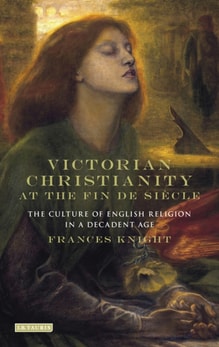
The period known as the fin de siecle - defined in this groundbreaking book as chiefly the period between1885 and 1901 - was a fluid and unsettling epoch of optimism and pessimism, endings and beginnings, aswell as of new forms of creativity and anxiety.
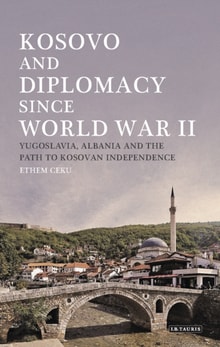
The Kosovo question posed a great challenge to the international order in the western Balkans for a number of decades prior to the outbreak of war in the 1990s.
For migrant communities residing outside of their home countries, various transnational media have played a key role in maintaining, reviving and transforming ethnic and religious identities.
In the last thirty years of his life, Leo Tolstoy developed a moral philosophy that embraced pacifism, vegetarianism, the renunciation of private property, and a refusal to comply with the state.