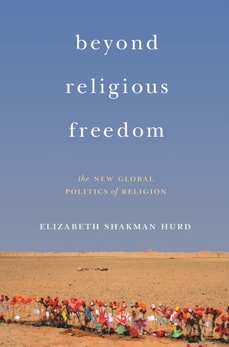
In recent years, North American and European nations have sought to legally remake religion in other countries through an unprecedented array of international initiatives.
Why churches in some democratic nations wield enormous political power while churches in other democracies don'tIn some religious countries, churches have drafted constitutions, restricted abortion, and controlled education.
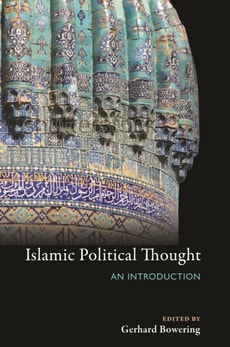
A concise and authoritative introduction to Islamic political ideasIn sixteen concise chapters on key topics, this book provides a rich, authoritative, and up-to-date introduction to Islamic political thought from the birth of Islam to today, presenting essential background and context for understanding contemporary politics in the Islamic world and beyond.
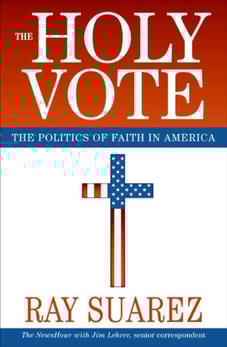
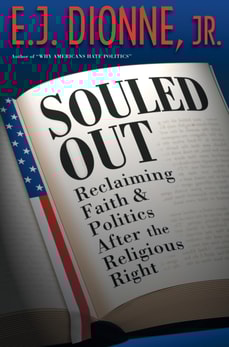
Now in paperback: the bestselling author of Gods Politics revives our hope in a politics that reflects our highest common values and offers a roadmap for solving our biggest social problems.
How Machiavelli's Christianity shaped his political thoughtTo many readers of The Prince, Machiavelli appears to be deeply un-Christian or even anti-Christian, a cynic who thinks rulers should use religion only to keep their subjects in check.
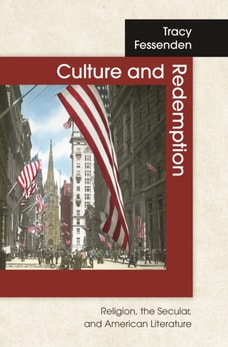
Many Americans wish to believe that the United States, founded in religious tolerance, has gradually and naturally established a secular public sphere that is equally tolerant of all religions--or none.
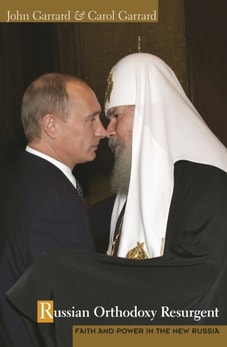
Russian Orthodoxy Resurgent is the first book to fully explore the expansive and ill-understood role that Russia's ancient Christian faith has played in the fall of Soviet Communism and in the rise of Russian nationalism today.
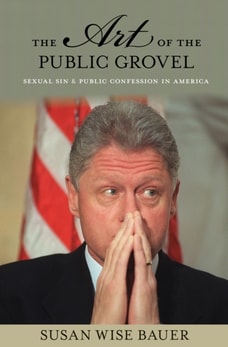
Whether you are a politician caught carrying on with an intern or a minister photographed with a prostitute, discovery does not necessarily spell the end of your public career.
Balancing respect for religious conviction and the values of liberal democracy is a daunting challenge for judges and lawmakers, particularly when religious groups seek exemption from laws that govern others.
Balancing respect for religious conviction and the values of liberal democracy is a daunting challenge for judges and lawmakers, particularly when religious groups seek exemption from laws that govern others.
This absorbing book explores the tensions within the Roman Catholic church and between the church and royal authority in France in the crucial period 1290-1321.
Humanity lives inside 4 unyielding constraints, the speed of light, conservation of mass-energy, inefficiency in conversion of heat to work, and the law of demand.
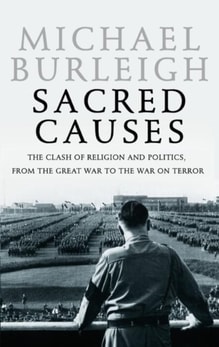
Beginning with the chaotic post-World War I landscape, in which religious belief was one way of reordering a world knocked off its axis, Sacred Causes is a penetrating critique of how religion has often been camouflaged by politics.
After fifteen weeks on the New York Times Bestseller list, God's Politics not only changed the conversation about faith and politics in this country, it began a movement.
New York Times bestseller God's Politics struck a chord with Americans disenchanted with how the Right had co-opted all talk about integrating religious values into our politics, and with the Left, who were mute on the subject.
"e;A brilliant and important book"e; from the New York Times bestselling biographer of Pope John Paul IIchronicles the rise of Pope Benedict XVI (Philadelphia Inquirer).
The bestselling author and prominent New Testament scholar draws parallels between 1st-century Roman Empire and 21st-century United States, showing how the radical messages of Jesus and Paul can lead us to peace today Using the tools of expert biblical scholarship and a keen eye for current events, bestselling author John Dominic Crossan deftly presents the tensions exhibited in the Bible between political power and God's justice.
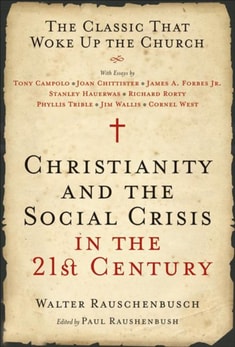
The book that changed the American church, with new essays that "e;prove that one can be a dedicated Christian and a social reformer at the same time"e; (The New York Times Book Review).
The Great War tore the fabric of Europe apart, killing over 35 million men and challenging the notion of heroism in war, Air and Sea Power in World War I focuses on the experience of World War I from the perspective of British pilots and sailors themselves, to demonstrate that the army-centric view of war studies has been too limited.
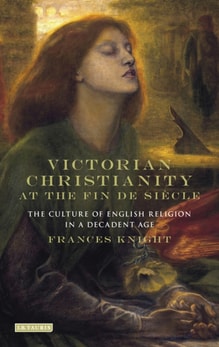
The period known as the fin de siecle - defined in this groundbreaking book as chiefly the period between1885 and 1901 - was a fluid and unsettling epoch of optimism and pessimism, endings and beginnings, aswell as of new forms of creativity and anxiety.
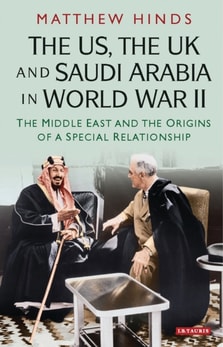
The story of Anglo-American relations in Saudi Arabia during the Second World War has generally been viewed as one of discord and hegemonic rivalry, a perspective reinforced by a tendency to consider Britain's decline and the ascent of US power as inevitable.
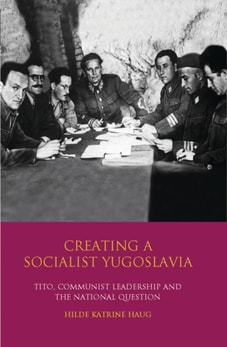
The Yugoslav communist leaders aspired to create a socialist Yugoslavia, and when they came into power in 1945, they claimed to have introduced a socialist solution to the Yugoslav national question.
The on-going crisis in Syria has not only affected those caught within the country's borders, but with the deluge of refugees fleeing the violence, it has also had an impact on the surrounding countries.
The Great War tore the fabric of Europe apart, killing over 35 million men and challenging the notion of heroism in war, Air and Sea Power in World War I focuses on the experience of World War I from the perspective of British pilots and sailors themselves, to demonstrate that the army-centric view of war studies has been too limited.