A vivid portrait of a Scottish religious leader and the South Carolina colony he helped shapeWhen Alexander Garden, a Scottish minister of the Church of England, arrived in South Carolina in 1720, he found a colony smoldering from the devastation of the Yamasee War and still suffering from economic upheaval, political factionalism, and rampant disease.
In Keeping the Faith, Jennifer Jean Wynot presents a clear and concise history of the trials and evolution of Russian Orthodox monasteries and convents and the important roles they have played in Russian culture, in both in the spiritual and political realms, from the abortive reforms of 1905 to the Stalinist purges of the 1930s.
With the fall of communism and the breakup of Yugoslavia, the successor states have faced a historic challenge to create separate, modern democracies from the ashes of the former authoritarian state.
A modern-day theologian's call for the radical transformation of Christianity*; Echoes the Reformation initiated by Martin Luther in 1517*; Addresses the corruption and authoritarian tendencies that distinguish today's Christian institutions from the spiritual message upon which they are founded*; Offers a new vision of Christianity that values the Earth, honors the feminine, and emphasizes spiritual toleranceIn 1517, Martin Luther, disgusted at the corruption then reigning in the Catholic Church, nailed on the door of Castle Church in Wittenberg, Germany, 95 theses calling for a Reformation.
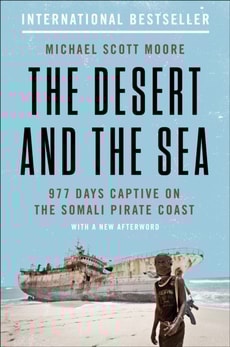
The "e;highly addictive"e; international bestseller, "e;an amazing true-life thriller, one of the most suspenseful books written in recent years"e; (Jeffrey Gettleman, Pulitzer Prize-winning author).
WINNER OF THE PEN HESSELL-TILTMAN PRIZE 2023Shortlisted for the Orwell Prize for Political WritingShortlisted for the Bread and Roses Award for Radical PublishingLonglisted for the British Academy Book Prize for Global Cultural UnderstandingA Guardian Book of the Year'Brilliantly arranged and rich with fresh insights' Akala'A radical, beautifully written understanding of our history' Owen Jones'You can't understand how Britain works today without reading it' Frankie Boyle'A challenge to a nation living in the shadow of empire: reckon with your imperial past, or it will come back to bite you' Grace Blakeley'This book should be part of the national curriculum' Ellie Mae O'HaganBritain didn't just put the empire back the way it had found it.
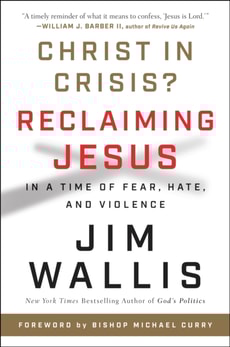
Writing in response to our current constitutional crisis, New York Times bestselling author and Christian activist Jim Wallis urges America to return to the tenets of Jesus once again as the means to save us from the polarizing bitterness and anger of our tribal nation.
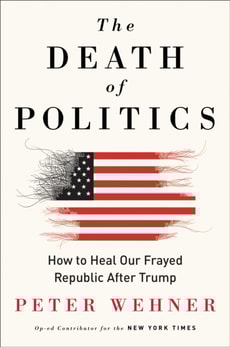
The New York Times opinion writer, media commentator, outspoken Republican and Christian critic of the Trump presidency offers a spirited defense of politics and its virtuous and critical role in maintaining our democracy and what we must do to save it before it is too late.
A prominent scholar reveals the surprising ways that capitalism is actually the best way to follow Jesus's mandates to alleviate poverty and protect our earth.
The Classic Story of a Family's Pilgrimageinto the Orthodox ChurchVeiled in the smoke of incense, the Eastern Orthodox Church has long been an enigma to the Western world.
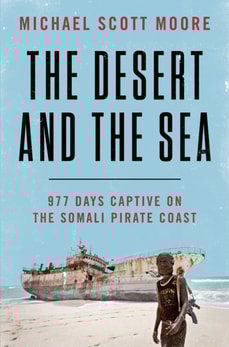
Michael Scott Moore, a journalist and the author of Sweetness and Blood, incorporates personal narrative and rigorous investigative journalism in this profound and revelatory memoir of his three-year captivity by Somali piratesa riveting,thoughtful, and emotionally resonant exploration of foreign policy, religious extremism, and the costs of survival.
In the fall of 2009, with the publication of her #1 national bestselling memoir, Sarah Palin had the privilege of meeting thousands of everyday Americans on her extraordinary 35-city book tour.
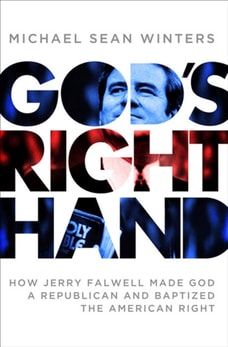
An acclaimed reporter presents the first major biography of the legendary, and divisive, conservative pastor who reshaped the landscape of American politics-Jerry Falwell.
The definitive account of North Korea - its veiled past and uncertain future - from former White House adviser and Korea expert Victor Cha We killed Americans.
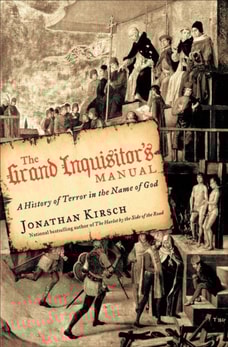
The Surprising History and Legacy of the InquisitionThe renowned historian and critic Jonathan Kirsch presents a sweeping history of the Inquisition and the ways in which it has served as the chief model for torture in the West to this day.
A succinct and comprehensive history of the development of citizenship from the Roman Empire to the present dayCitizenship, Inequality, and Difference offers a concise and sweeping overview of citizenship's complex evolution, from ancient Rome to the present.
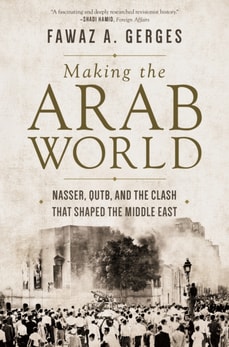
How the conflict between political Islamists and secular-leaning nationalists has shaped the history of the modern Middle EastIn 2013, just two years after the popular overthrow of Hosni Mubarak, the Egyptian military ousted the country's first democratically elected president-Mohamed Morsi of the Muslim Brotherhood-and subsequently led a brutal repression of the Islamist group.
The first book to explore the modern history of Islam in South AsiaThe first modern state to be founded in the name of Islam, Pakistan was the largest Muslim country in the world at the time of its establishment in 1947.
The first English-language biography of the de facto ruler of the late Ottoman Empire and architect of the Armenian GenocideTalaat Pasha (1874-1921) led the triumvirate that ruled the late Ottoman Empire during World War I and is arguably the father of modern Turkey.
A new and comprehensive look at the reasons behind successful or failed nation buildingNation Building presents bold new answers to an age-old question.
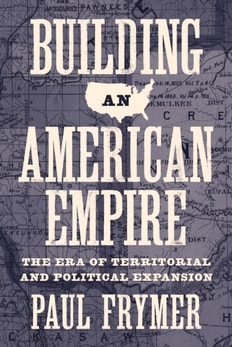
How American westward expansion was governmentally engineered to promote the formation of a white settler nationWestward expansion of the United States is most conventionally remembered for rugged individualism, geographic isolationism, and a fair amount of luck.
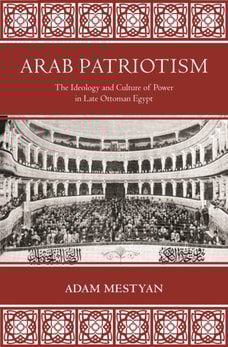
How the support of patriotic sentiments in Ottoman Egypt led to an emerging Arab nationalismArab Patriotism presents the essential backstory to the formation of the modern nation-state and mass nationalism in the Middle East.
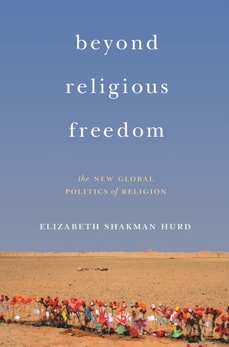
In recent years, North American and European nations have sought to legally remake religion in other countries through an unprecedented array of international initiatives.
Why churches in some democratic nations wield enormous political power while churches in other democracies don'tIn some religious countries, churches have drafted constitutions, restricted abortion, and controlled education.
A concise and authoritative introduction to Islamic political ideasIn sixteen concise chapters on key topics, this book provides a rich, authoritative, and up-to-date introduction to Islamic political thought from the birth of Islam to today, presenting essential background and context for understanding contemporary politics in the Islamic world and beyond.
Now in paperback: the bestselling author of Gods Politics revives our hope in a politics that reflects our highest common values and offers a roadmap for solving our biggest social problems.
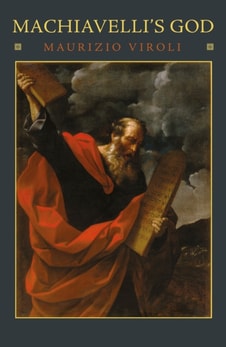
How Machiavelli's Christianity shaped his political thoughtTo many readers of The Prince, Machiavelli appears to be deeply un-Christian or even anti-Christian, a cynic who thinks rulers should use religion only to keep their subjects in check.