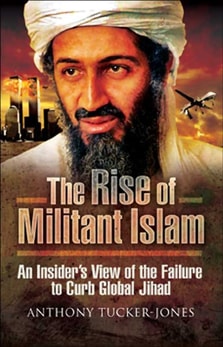
The far right is on the rise across Europe, pushing a battle scenario in which Islam clashes with Christianity as much as Christianity clashes with Islam.
Just Mission draws upon the increased activism of local churches and links it to effective use of democratic processes to achieve justice for the people with whom they have a pastoral relationship.
Doug Gay explores the ethics of nationalism, recognising that for many Christians, churches and theologians, nationalism has often been seen as intrinsically unethical due to a presumption that at best it involves privileging one nation's interests over anothers and at worst it amounts to a form of ethnocentrism or even racism.
Since Christianity is an ethical as well as a mystical religion and since individuals live in communities, the church is bound to be involved in politics and other social action that determines the quality of human life.
Jung Mo Sung has pioneered a theological analysis of economics in his previous publications, developing a penetrating ethico-religious critique of the international capitalist systems, whose institutions he likens to altars.
A timely work of major historical importance, examining the whole spectrum of events from the 1916 Easter Rising to the current and ongoing peace process, fully updated with a new afterword for the paperback edition.
This book analyses the multidimensional influence of COVID-19 on world politics, with a special focus on Euro-Asian relations, as well as changes in Europe caused by the pandemic.
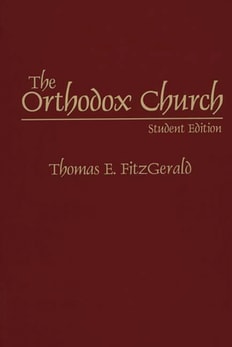
The first comprehensive introduction to the Orthodox Church in the United States from 1794 to the present, this text offers a succinct overview of the Church's distinctive history and its particular perspectives on the Christian faith.
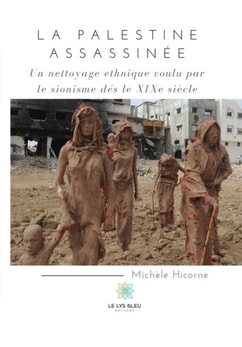
En cette periode de chasse aux sorcieres ou critiquer Israel est facilement taxe d'antisemitisme et ou l'amalgame entre ce delit et l'antisionisme se repand un peu partout, revenir au passe, aux premices du sionisme, cela semble bien necessaire pour une meilleure comprehension du present et de l'avenir et pour retablir une verite a laquelle ont droit en premier lieu les Palestiniens.
This book provides a detailed and comprehensive look at the primary players, acts, motivations, and methods of the Army of God in their quest to make abortion illegal in the United States.
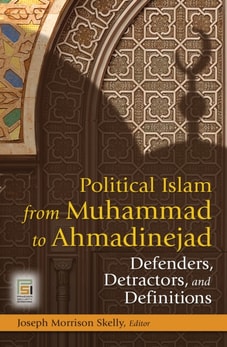
This collection of 15 essays illuminates the evolution of political Islam from the era of the Prophet Muhammad to the presidency of Mahmoud Ahmadinejad in Iran.
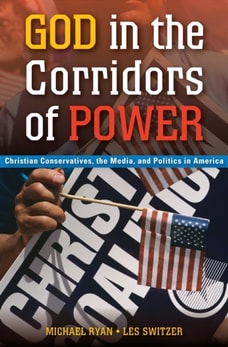
God in the Corridors of Power: Christian Conservatives, the Media, and Politics in America is a comprehensive study of Christian conservative power in America's political culture-how it was achieved, how it is maintained, and where it is going.
The idea of national unification has long been a powerful mobilizing force for nationalist thinkers and ethnic entrepreneurs since the rise of nationalist ideology in the late 1700s.
An American academic describes the breakup of the Soviet Union and the formation of an independent Latvia from the vantage point of Riga, where he was acting as an advisor to the Latvian Parliament and was a visiting faculty member at the time of the events.
SHORTLISTED FOR THE IRISH BOOK AWARDS 2021The riveting story of a nation at a crucial crossroadsFrom the start of his stint as RT 's Washington Correspondent Brian O'Donovan's lively and authoritative reporting of a tumultuous period in American life has been must-watch TV.
A comparative, whole-of-society approach to the Boko Haram insurgency that offers a more nuanced understanding of the risks, resilience and resolution of violent radicalization in Nigeria and beyond.
Analyses the complexities of Christian-Muslim conflict that threatens the fragile democracy of Nigeria, and the implications for global peace and security.
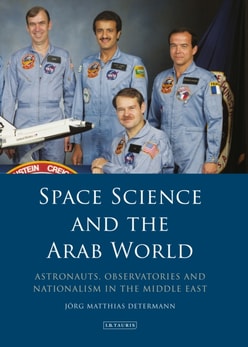
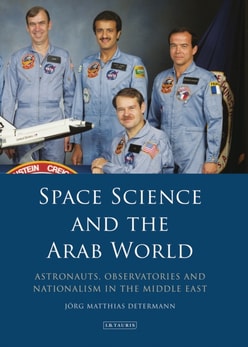
When Sultan bin Salman left Earth on the shuttle Discovery in 1985, he became the first Arab, first Muslim and first member of a royal family in space.
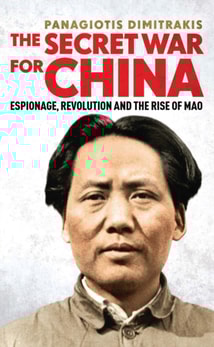
In 1927, Chiang Kai-shek - the head of China's military academy and leader of the Kuomintang (KMT) - began the `northern expeditions' to bring China's northern territories back under the control of the state.
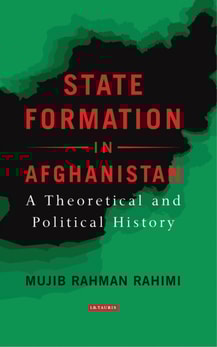
The creation of Afghanistan in 1880, following the Second Anglo-Afghan War, gave an empowering voice to the Pashtun people, the largest ethnic group in a diverse country.
The Labour Church was an organisation fundamental to the British socialist movement during the formative years of the Independent Labour Party (ILP) and Labour Party between 1891 and 1914.
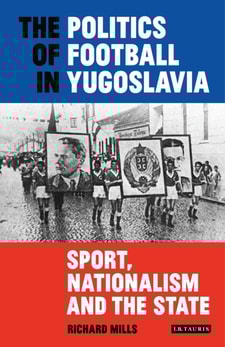
Winner of the Lord Aberdare Literary Prize for 2018Even before Tito's Communist Party established control over the war-ravaged territories which became socialist Yugoslavia, his partisan forces were using football as a revolutionary tool.
When Sultan bin Salman left Earth on the shuttle Discovery in 1985, he became the first Arab, first Muslim and first member of a royal family in space.
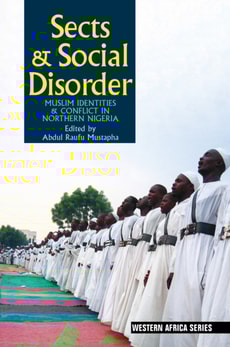
Analyses Muslim-Muslim divisions within northern Nigeria, which are as important for understanding the violence in the region as those between Muslim and Christian (for which, see the companion volume, Creed and Grievance),with consequences for long-term peacemaking.