In the decade since the financial crisis of 2008, governments around the world have struggled to develop strategies to stabilize precarious markets, encourage growth, and combat mounting wealth inequality.
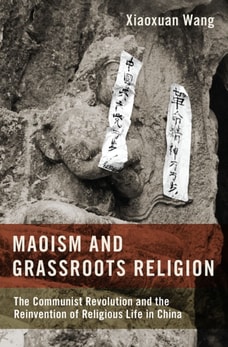
Maoism and Grassroots Religion explores grassroots religious life under and after Mao in Rui'an County, Wenzhou of southeast China, a region widely known for its religious vitality.
Maoism and Grassroots Religion explores grassroots religious life under and after Mao in Rui'an County, Wenzhou of southeast China, a region widely known for its religious vitality.
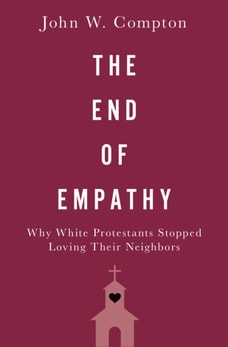
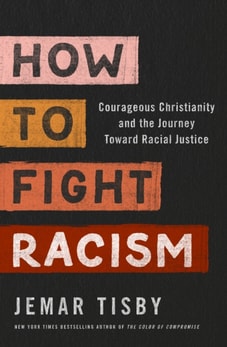
When polling data showed that an overwhelming 81% of white evangelicals had voted for Donald Trump in the 2016 presidential election, commentators across the political spectrum were left aghast.
When polling data showed that an overwhelming 81% of white evangelicals had voted for Donald Trump in the 2016 presidential election, commentators across the political spectrum were left aghast.
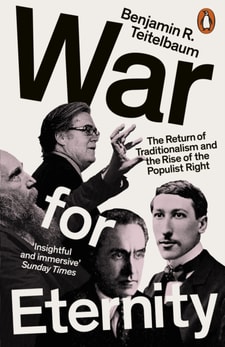
'Insightful and immersive' Sunday Times'An intellectual non-fiction thriller' Financial TimesA riveting expos of the hidden philosophical movement that drives the populist right around the worldSteve Bannon in the United States.
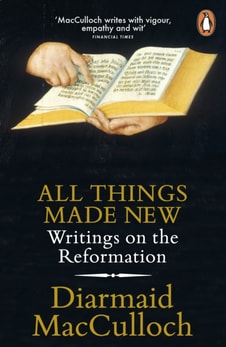
A brilliant kaleidoscope on the Reformation from its leading scholar and 'one of the best historians writing in English today' (Sunday Telegraph)The Reformation which engulfed England and Europe in the sixteenth century was one of the most highly-charged, bloody and transformative periods in their history.
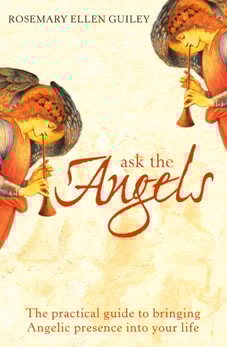
Bestselling author Rosemary Ellen Guiley's easy-to-use, practical guide for opening to angelic guidance and wisdom, focusing on how to communicate with angels and how you know when you've got an answer.
In this stirring call to arms, the activist, spiritual leader, and New York Times bestselling author of the classic A Return to Love confronts the cancerous politics of fear and divisiveness threatening the United States today, urging all spiritually aware Americans to return toand act out ofour deepest value: love.
An evangelical minister recounts his journey from the religious right and American politics back to the loving messages of Jesus as seen in the gospels.
THE TIMES BIOGRAPHY OF THE DECADEWINNER OF THE 2013 SAMUEL JOHNSON PRIZE FOR NON-FICTIONWINNER OF THE 2013 COSTA BOOK AWARDS BIOGRAPHY OF THE YEARThe story of Gabriele D'Annunzio, poet, daredevil - and Fascist.
Derived from theologian Wayne Grudem's Politics-According to the Bible, this digital short outlines five misguided approaches Christians take to politics and a way that is both more biblical and better for society.
Faith in the Voting Booth by National Association of Evangelicals leaders Leith Anderson and Galen Carey will help you clarify your own positions in light of your faith before you enter the voting booth.
The Teavangelicals is a one-of-a-kind book chock-full of original reporting from the 2012 presidential race with an up-close look at how evangelicals and the Tea Party are plotting strategy to reclaim America.
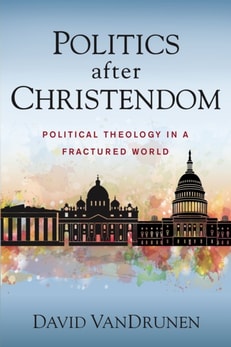
For more than a millennium, beginning in the early Middle Ages, most Western Christians lived in societies that sought to be comprehensively Christian--ecclesiastically, economically, legally, and politically.
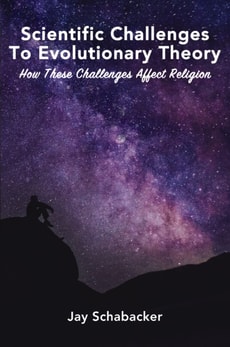
Scientific Challenges to Evolutionary Theory: How These Challenges Affect Religion addresses all aspects of the giant battle between two major belief systemsthose that believe in a ';naturalistic worldview' and evolution, and those that believe in a miracle-performing God and the Creation of all things.
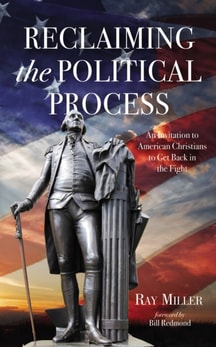
Disciples of Christ in America must live out and express their faith in practical, meaningful ways in the "e;real world"e; including the political process.
Seit den ersten christlichen Missionen im mittelalterlichen Kiew bis zur entscheidenden Abgrenzung zwischen Ost und West steht die ruthenische Kirche an einer einzigartigen Schnittstelle der Religionsgeschichte.
The New Phase of Global Terrorism explores the nuances of the shift in the organization, strategy, and operation of terrorist groups into smaller and more robust terror groups in both the United States and international levels.