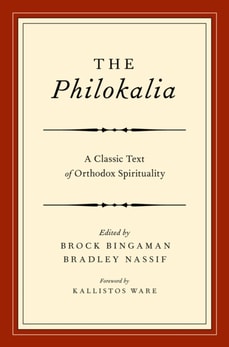
The Philokalia (literally "e;love of the beautiful or good"e;) is, after the Bible, the most influential source of spiritual tradition within the Orthodox Church.
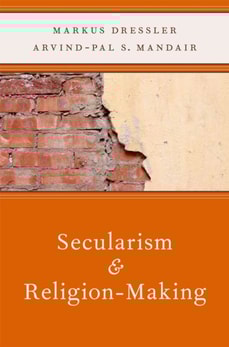
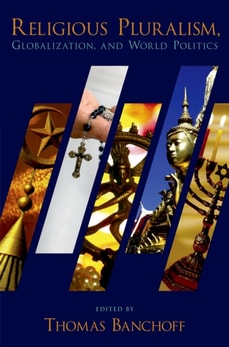
This book conceives of "e;religion-making"e; broadly as the multiple ways in which social and cultural phenomena are configured and reconfigured within the matrix of a world-religion discourse that is historically and semantically rooted in particular Western and predominantly Christian experiences, knowledges, and institutions.
New challenges that emerged in the postwar era have given rise to ongoing debate about the place of religion in public life, in the United States and in other established democracies, and this debate has dramatically reshaped the way scholars, policymakers, and religious leaders think about political theology.
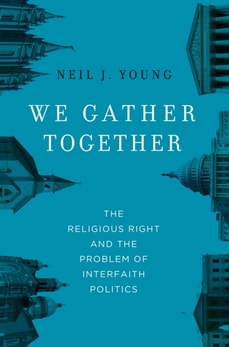
On Palm Sunday 1964, at the Second Presbyterian Church in Memphis, a group of black and white students began a "e;kneel-in"e; to protest the church's policy of segregation, a protest that would continue in one form or another for more than a year and eventually force the church to open its doors to black worshippers.
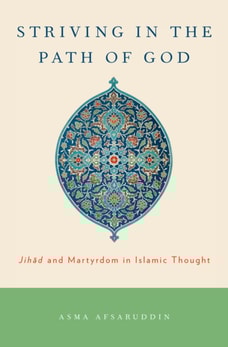
In popular and academic literature, jihad is predominantly assumed to refer exclusively to armed combat, and martyrdom in the Islamic context is understood to be invariably of the military kind.
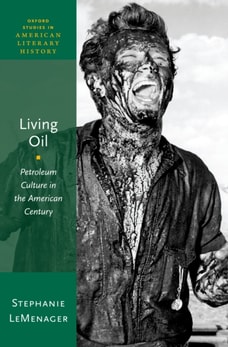
Living Oil is a work of environmental cultural studies that engages with a wide spectrum of cultural forms, from museum exhibits and oil industry tours to poetry, documentary film, fiction, still photography, novels and memoirs.
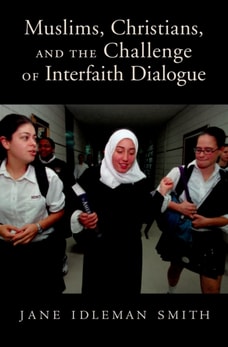
Since 2001, there has been a tremendous backlash against the very idea that it is possible to be both American and Muslim-the controversy over the so-called "e;Ground Zero Mosque"e; and the attempts to ban shari'a law are examples.
The True Wealth of Nations arises from the conviction that implementing a morally adequate vision of the economy will generate sustainable prosperity for all.
Robert Wuthnow has been praised as one of "e;the country's best social scientists"e; by columnist David Brooks, who hails his writing as "e;tremendously valuable.
In 1948, the General Assembly of the United Nations adopted and proclaimed the International Declaration of Human Rights, a document designed to hold both individuals and nations accountable for their treatment of fellow human beings, regardless of religious or cultural affiliations.
The idea that religion has a dangerous tendency to promote violence is part of the conventional wisdom of Western societies, and it underlies many of our institutions and policies, from limits on the public role of religion to efforts to promote liberal democracy in the Middle East.
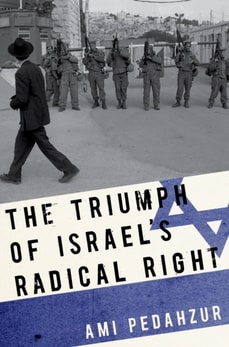
Most observers explain evangelical Christians' bedrock support for Israel as stemming from the apocalyptic belief that the Jews must return to the Holy Land as a precondition for the second coming of Christ.
Conservative evangelicalism has transformed American politics, disseminating a sometimes fearful message not just through conventional channels, but through subcultures and alternate modes of communication.
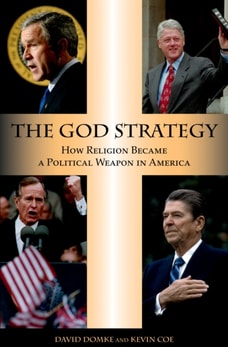
This volume offers a timely and dynamic study of the rise of religion in American politics, examining the public messages of political leaders over the past seventy-five years.
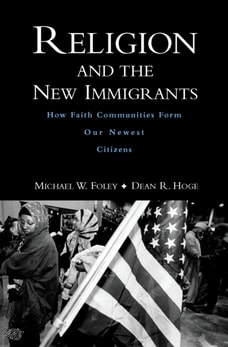
The explosive growth of the immigrant population since the 1960s has raised concerns about its impact on public life, but only recently have scholars begun to ask how religion affects the immigrant experience in our society.
During the Paris Peace Conference of 1919, while key decisions were debated by the victorious Allied powers, a multitude of smaller nations and colonies held their breath, waiting to see how their fates would be decided.
In the face of ongoing religious conflicts and unending culture wars, what are we to make of liberalism's promise that it alone can arbitrate between church and state?