This book explains a perspective on the system of justice that emerges in Islam if rules are followed and how the Islamic system is differentiated from the conventional thinking on justice.
This book examines religious activism-Christianity, Buddhism, and Taoism-in China, a powerful atheist state that provides one of the hardest challenges to existing methods of transnational activism.
This book compares the thought of Michael Oakeshott and Leo Strauss, bringing Oakeshott's desire for a renaissance of poetic individuality into dialogue with Strauss's recovery of the universality of philosophical enlightenment.
This study entails a theoretical reading of the Iranian modern history and follows an interdisciplinary agenda at the intersection of philosophy, psychoanalysis, economics, and politics and intends to offer a novel framework for the analysis of socio-economic development in Iran in the modern era.
This book explains the original meaning of the two religion clauses of the First Amendment: "e;Congress shall make no law [1] respecting an establishment of religion or [2] prohibiting the free exercise thereof.
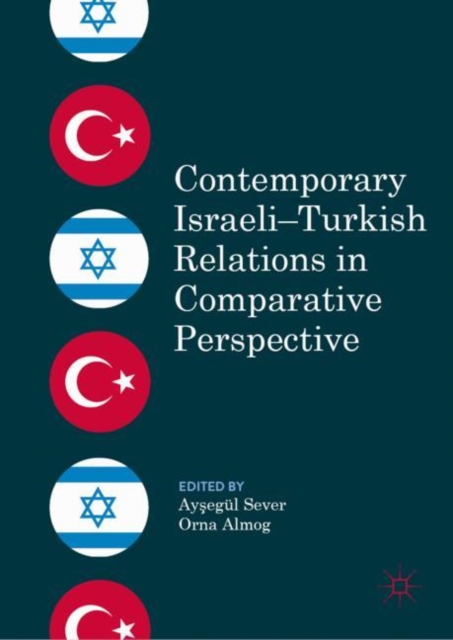
This edited volume explores the Israeli-Turkish relations in the 2000s from a multi-dimensional perspective providing a comparative analysis on the subjects of politics, ideology, civil society, identity, energy, and economic relations.
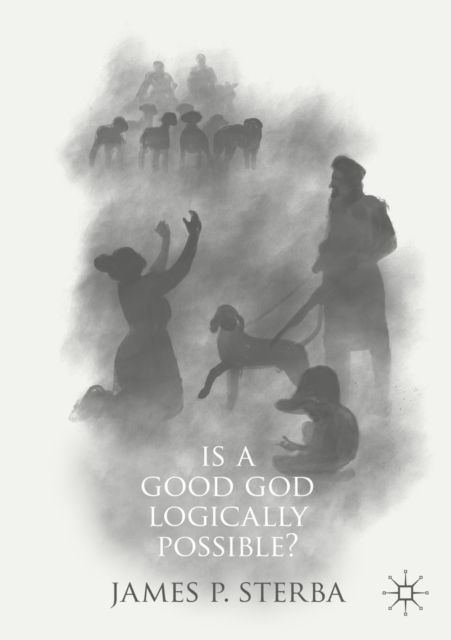
Using yet untapped resources from moral and political philosophy, this book seeks to answer the question of whether an all good God who is presumed to be all powerful is logically compatible with the degree and amount of moral and natural evil that exists in our world.
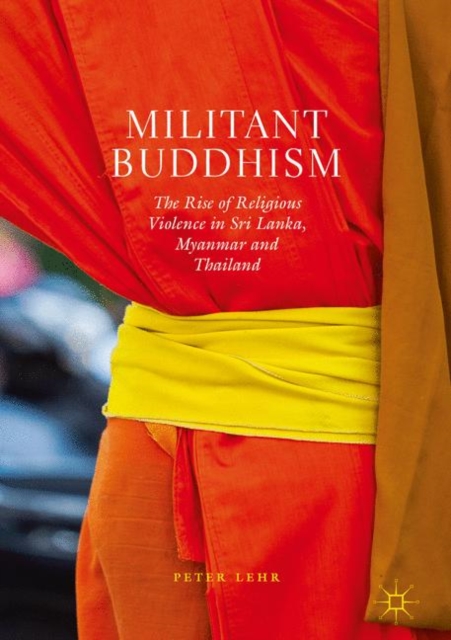
Against the backdrop of the ongoing Rohingya crisis, this book takes a close and detailed look at the rise of militant Buddhism in Sri Lanka, Burma and Thailand, and especially at the issues of 'why' and 'how' around it.
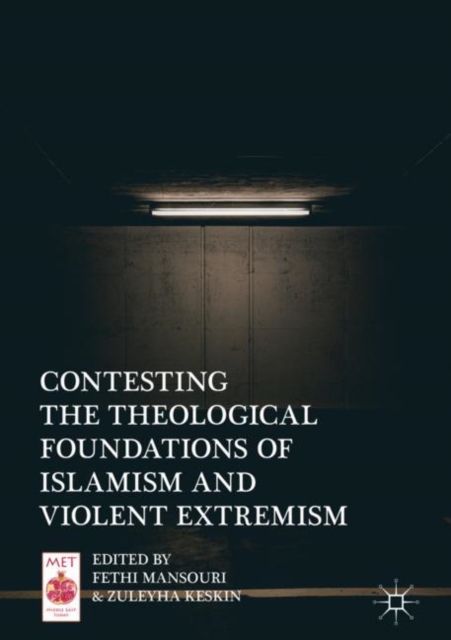
This edited volume discusses critically discursive claims about the theological foundations connecting Islam to certain manifestations of violent extremism.
This book addresses a central puzzle in ontological security theory, namely the relationship between identity continuity and change, and the role anxiety plays in fostering and inhibiting change.
To claim its culture, to demand its right to cultural diversity or to proclaim its belonging to a group of believers and to seize the flag of that belief in order to perpetrate actions that are then called "holy", to terrorize others by imposing their vision Of things and its law, are undoubtedly two of the most worrying features of the entry of our societies in the twenty-first century which is beginning.