The Hadhramis of Yemen have migrated for centuries in large numbers, establishing a diaspora that extends around the Indian Ocean, Saudi Arabia and the other Gulf States.
Railway expansion was the great industrial project of the late 19th century, and the Great Powers built railways at speed and reaped great commercial benefits.
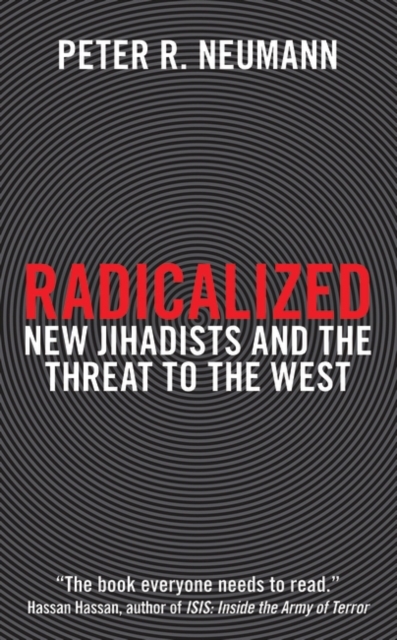
The attacks in Paris in January and November 2015 heralded the beginning of a new wave of terrorism - one rooted in the ongoing conflict in Syria and Iraq.
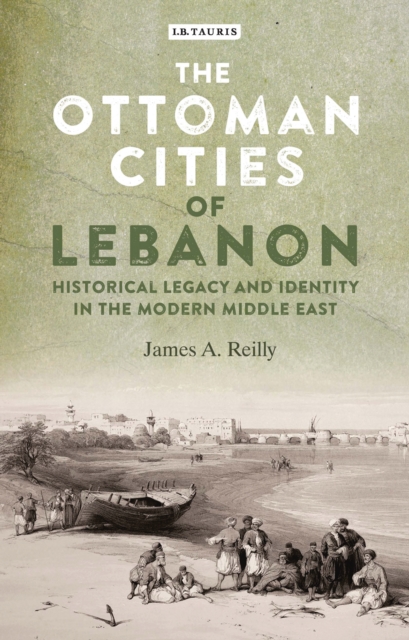
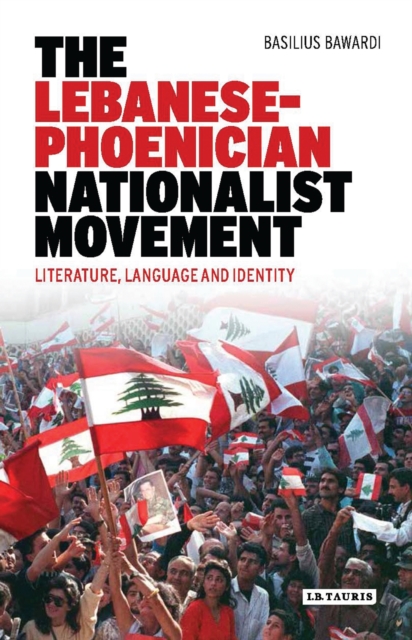
Whether defined as essentially 'Turkish', and therefore alien to the Lebanese experience, or remembered in its final years as a tyrannical and brutal dictatorship, the period has not been thought of fondly in most Lebanese historiography.
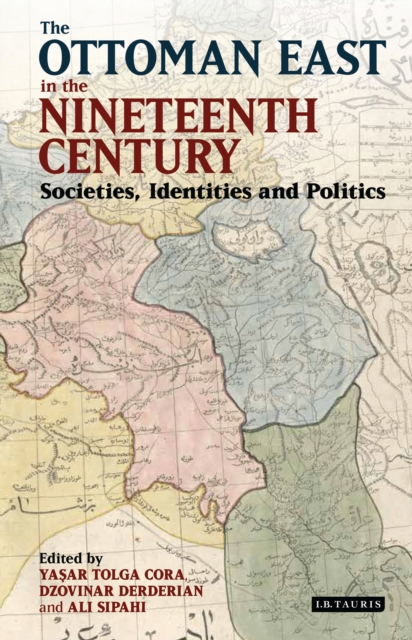
The Ottoman East what is also called Western Armenia, Northern Kurdistan or Eastern Anatolia compared to other peripheries of the Ottoman Empire, has received very little attention in Ottoman historiography.
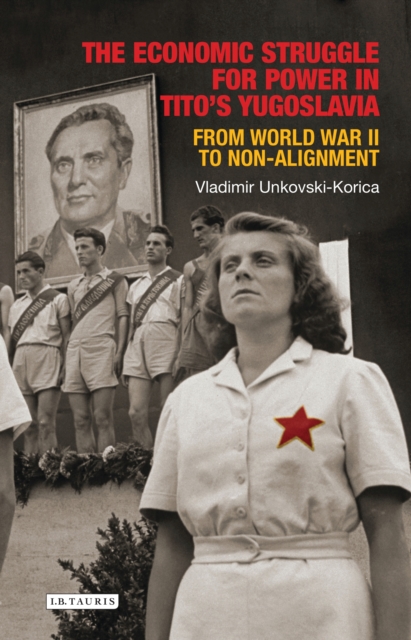
Here, Vladimir Unkovski-Korica re-assesses the key episodes of Tito's rule - from the joint Stalin-Tito offensive of 1944, through to the Tito-Stalin split of 1948, the market reforms of the 1950s and the 'turn to the West' which led to Yugoslavia's non-alignment policy.
In response to recent media controversy and public debate about legal pluralism and multiculturalism, Manea argues against what she identifies as the growing tendency for people to be treated as 'homogenous groups' in Western academic discourse, rather than as individuals with authentic voices.
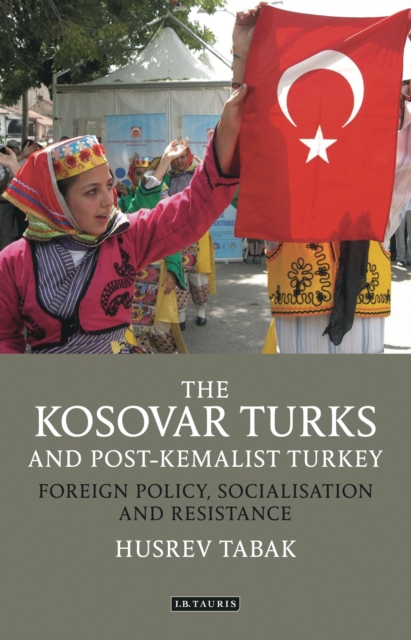
Even before the collapse of the Ottoman Empire, Turkic communities, living in states newly independent from Ottoman rule, were 'protected' by the Ottomans.
The question of belonging has formed the basis of the political, religious and cultural tensions in Lebanon, to the point that sectarian conflict on the country's future contributed significantly to the outbreak of civil war in 1975.
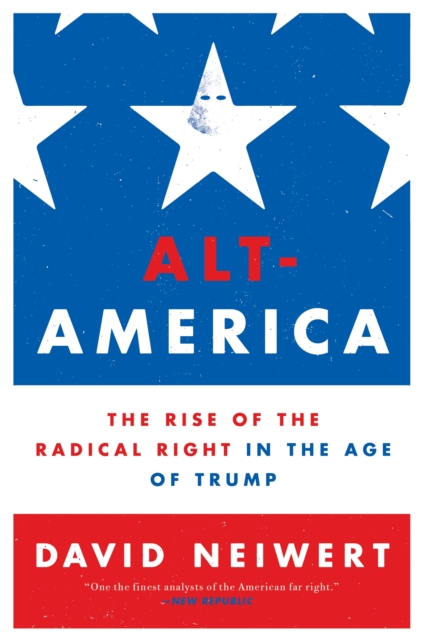
Just as Donald Trump's victorious campaign for the US presidency shocked liberal Americans, the seemingly sudden national prominence of white supremacists, xenophobes, militia leaders, and mysterious "e;Alt-Right"e; leaders mystifies many.
The history of twentieth-century Spanish nationalism is a complex one, placing a set of famously distinctive regional identities against a backdrop of religious conflict, separatist tensions, and the autocratic rule of Francisco Franco.
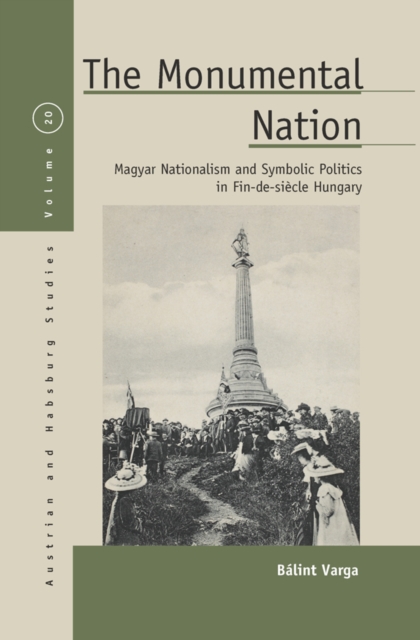
From the 1860s onward, Habsburg Hungary attempted a massive project of cultural assimilation to impose a unified national identity on its diverse populations.
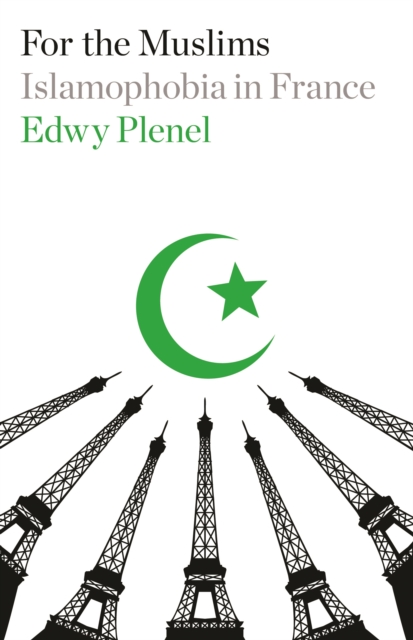
At the beginning of the twenty-first century, leading intellectuals are claiming "e;There is a problem with Islam in France,"e; thus legitimising the discourse of the racist National Front.
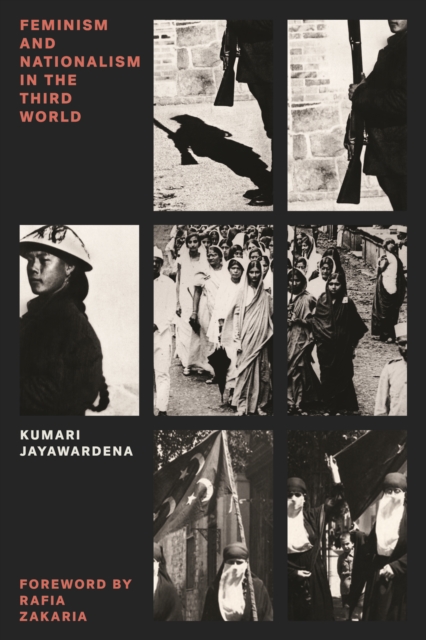
For twenty-five years, Feminism and Nationalism in the Third World has been an essential primer on the late nineteenth- and early twentieth-century history of women's movements in Asia and the Middle East.
The history of the Philippines is a long and complex one but the stories and reflections in Dark Days of Authoritarianism, from remarkable individuals who were willing to stake their lives for freedom, shed light on life under the martial law instituted by President Ferdinand Marcos from 1972 to 1981, and up to the peaceful popular uprising of 1986.
The history of the Philippines is a long and complex one but the stories and reflections in Dark Days of Authoritarianism, from remarkable individuals who were willing to stake their lives for freedom, shed light on life under the martial law instituted by President Ferdinand Marcos from 1972 to 1981, and up to the peaceful popular uprising of 1986.