Praise for Wayne Karol's The Sixties as Science Fiction: An Appreciation of Paul Kantner:"e;Easily the best thing I've ever seen written on him and his music and 'what it all means'.
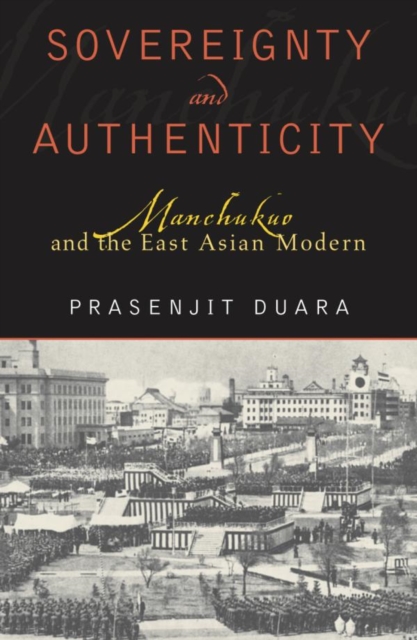
In this powerful and provocative book, Prasenjit Duara uses the case of Manchukuo, the Japanese puppet state in northeast China from 1932-1945, to explore how such antinomies as imperialism and nationalism, modernity and tradition, and governmentality and exploitation interacted in the post-World War I period.
'Striking' ELLE France'Brave' iNews'Powerful' TLS'Urgent' Evening Standard'Original' CosmopolitanThe first work of non-fiction in English from the prize-winning and internationally bestselling author of Lullaby and Adele, translated by Sophie Lewis.
Revealing unexpected truths about early desert spirituality, this volume argues that the lives of Barsanuphius and John relate closely to contemporary urban communities and how clergy tackle social challenges.
Revealing unexpected truths about early desert spirituality, this volume argues that the lives of Barsanuphius and John relate closely to contemporary urban communities and how clergy tackle social challenges.
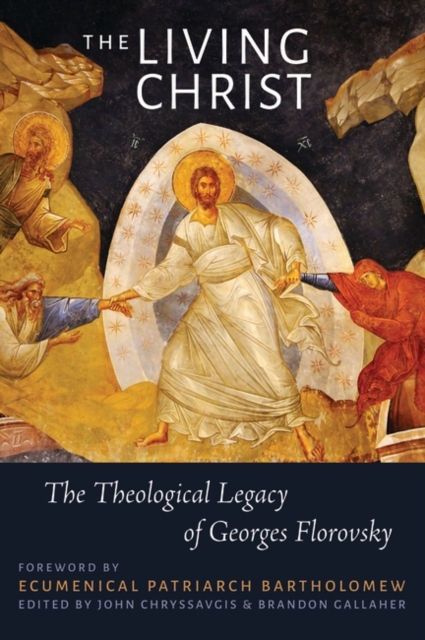
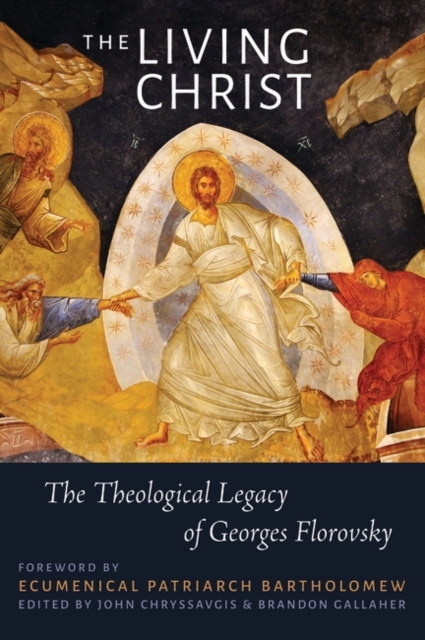
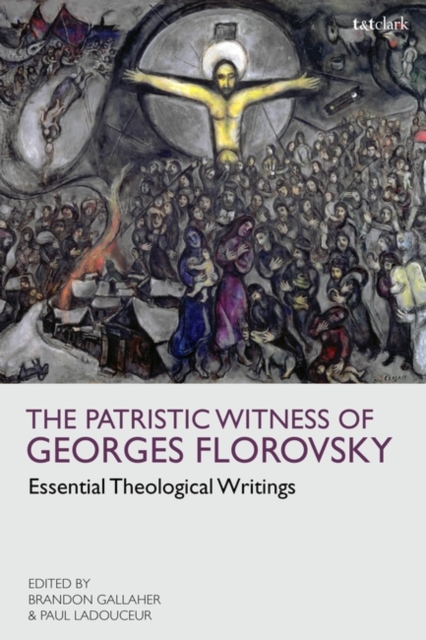
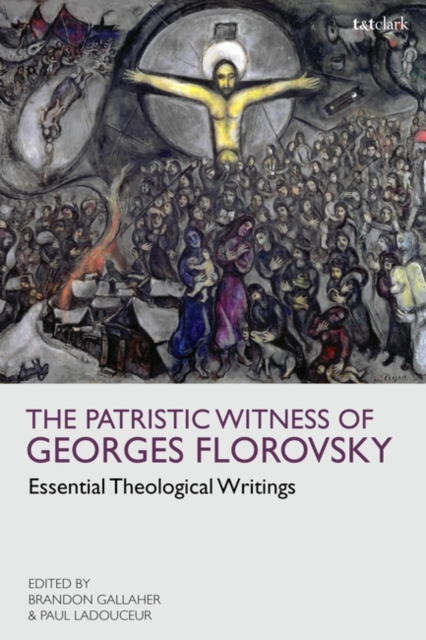
The only comprehensive critical anthology of theological and historical aspects related to Florovsky's thought by an international group of leading academics and church personalities.
The only comprehensive critical anthology of theological and historical aspects related to Florovsky's thought by an international group of leading academics and church personalities.
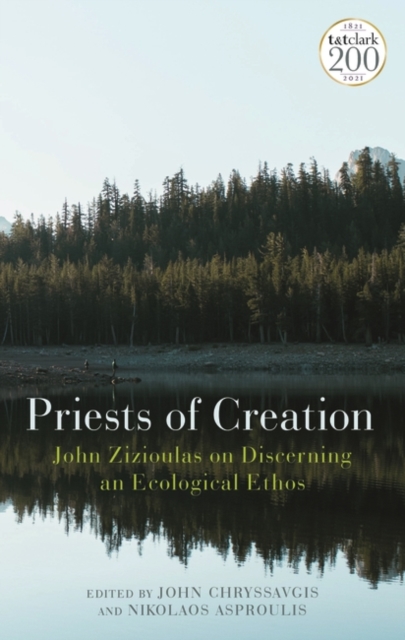
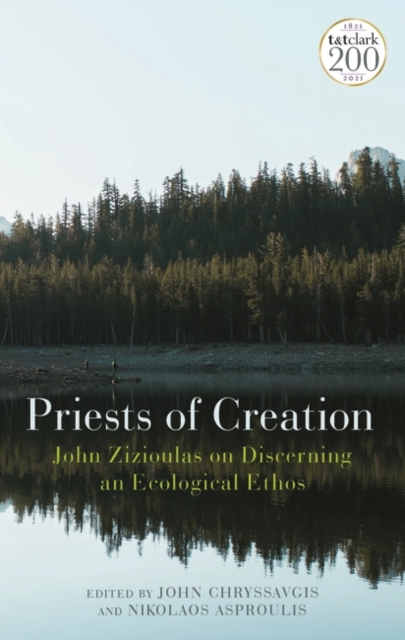
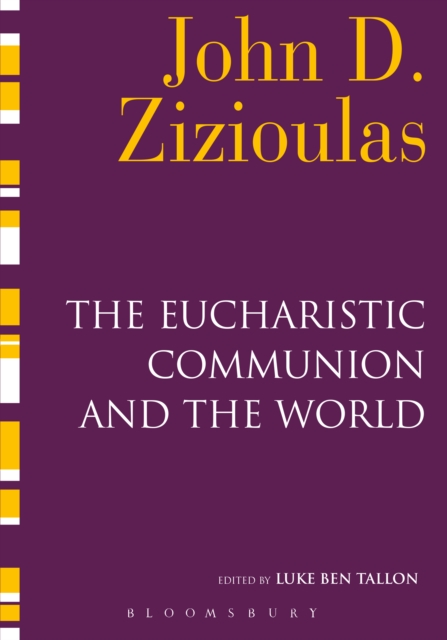
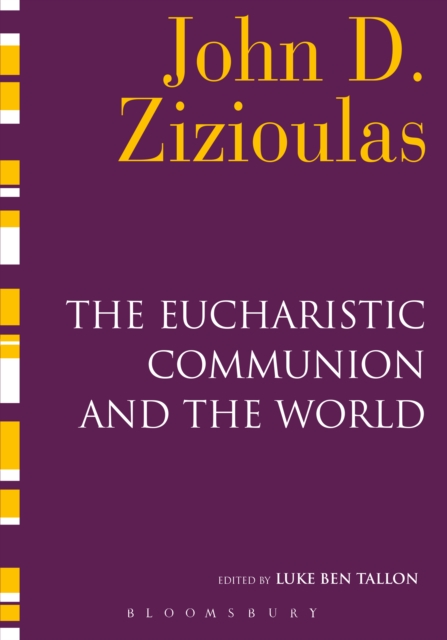
Based on a constructive reading of Scripture, the apostolic and patristic traditions and deeply rooted in the sacramental experience and spiritual ethos of the Orthodox Church, John Zizioulas offers a timely anthropological and cosmological perspective of human beings as priests of creation in addressing the current ecological crisis.
Based on a constructive reading of Scripture, the apostolic and patristic traditions and deeply rooted in the sacramental experience and spiritual ethos of the Orthodox Church, John Zizioulas offers a timely anthropological and cosmological perspective of human beings as priests of creation in addressing the current ecological crisis.
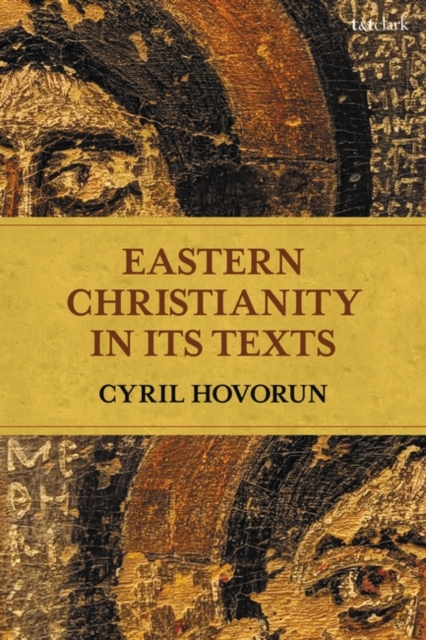
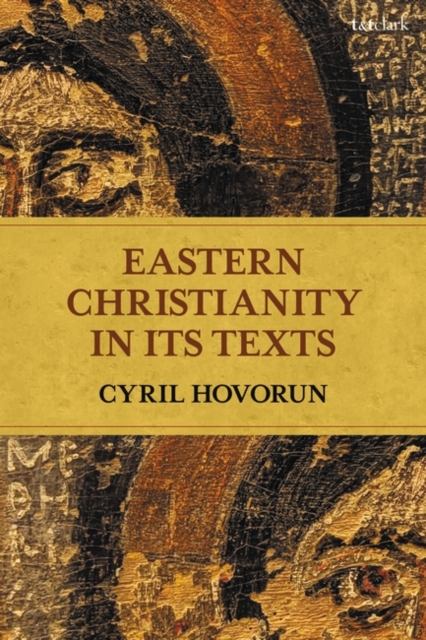
Surveying theological literature produced in the Christian East from the first through the 20th century, Eastern Christianity in its Texts explores different theological themes (analytical and mystical), genres (epistles, treatises, and poetry), and milieux (Greek, Armenian, Western and Eastern Syriac, Russian and Romanian).
Surveying theological literature produced in the Christian East from the first through the 20th century, Eastern Christianity in its Texts explores different theological themes (analytical and mystical), genres (epistles, treatises, and poetry), and milieux (Greek, Armenian, Western and Eastern Syriac, Russian and Romanian).
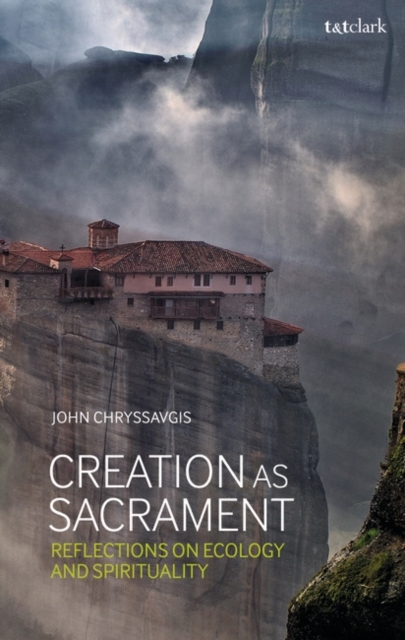
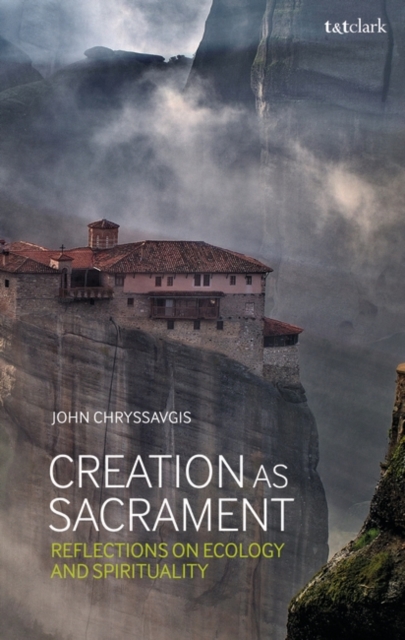
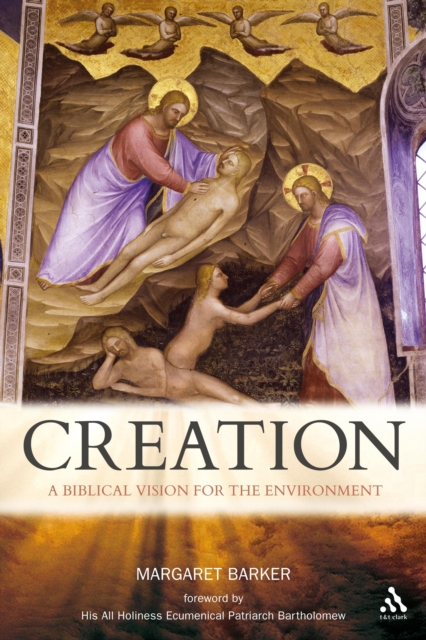
John Chryssavgis explores the sacred dimension of the natural environment, and the significance of creation in the rich theological history and spiritual classics of the Orthodox Church, through the lens of its unique ascetical, liturgical and mystical experience.
John Chryssavgis explores the sacred dimension of the natural environment, and the significance of creation in the rich theological history and spiritual classics of the Orthodox Church, through the lens of its unique ascetical, liturgical and mystical experience.
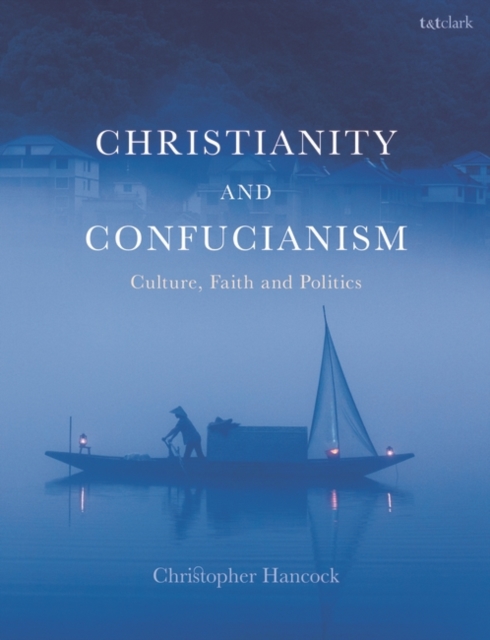
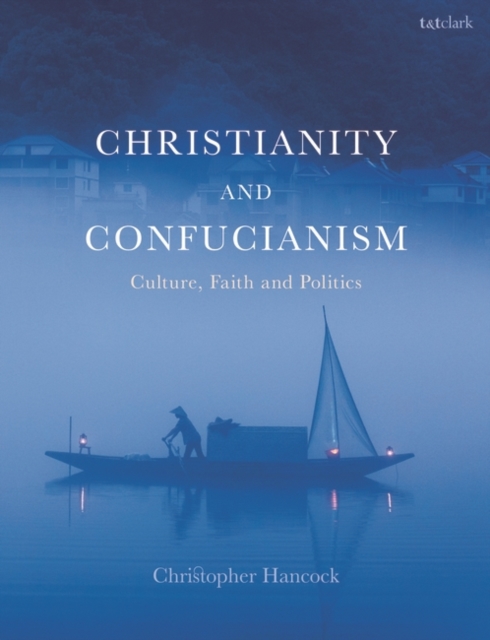
Christianity and Confucianism: Culture, Faith and Politics, sets comparative textual analysis against the backcloth of 2000 years of cultural, political, and religious interaction between China and the West.
Christianity and Confucianism: Culture, Faith and Politics, sets comparative textual analysis against the backcloth of 2000 years of cultural, political, and religious interaction between China and the West.
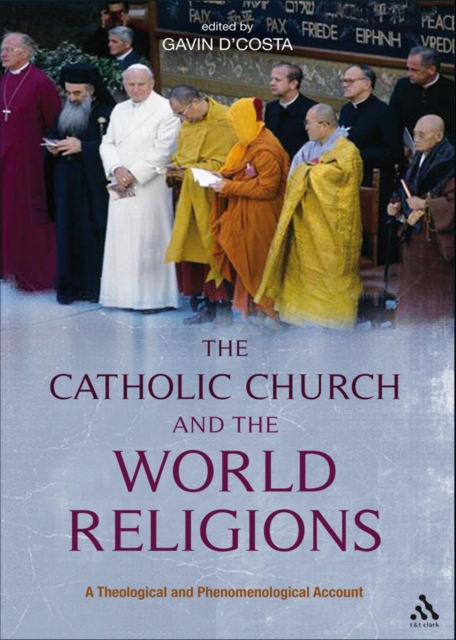
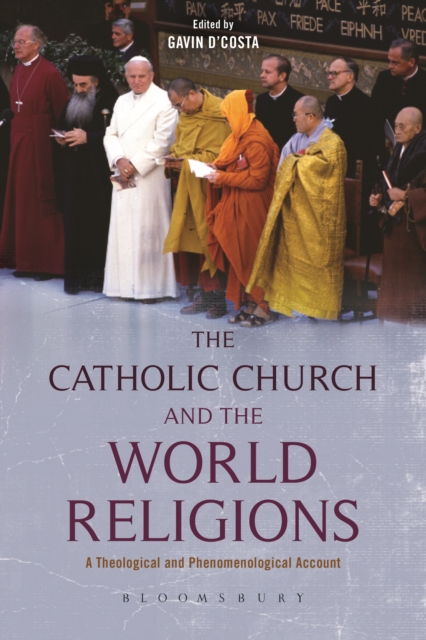
There is no single standard textbook that outlines the official Roman Catholic theological position in relation to other religions which then explicates this orientation theologically and phenomenologically in relation to the four main religions of the world and the flowering of new religious movements in the west.
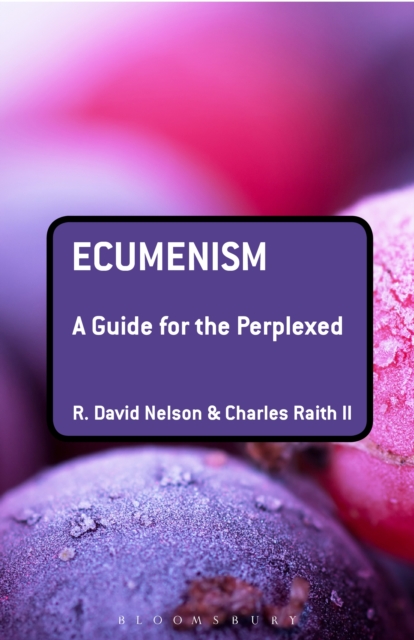
Ecumenism: A Guide for the Perplexed is a comprehensive introduction to the methods, achievements, and future prospects of the modern ecumenical movement.
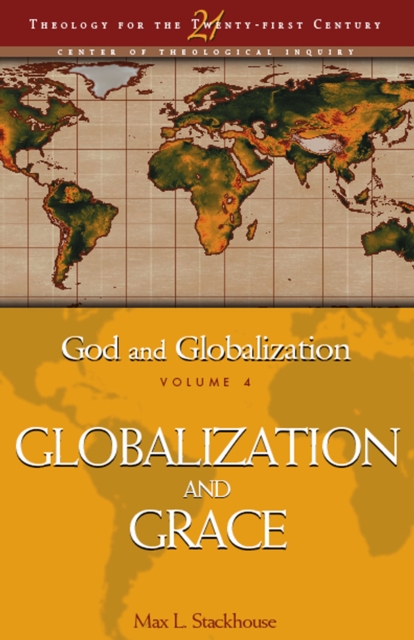
Various social, political, economic and cultural commentators are presently arguing that human history is reaching a decisive stage in its development, a stage marked by increased interconnection between peoples, the compression of space and time, a sharing of ideas at unprecedented levels, global trade and finance, and so on.
This is a rich collection of fifteen articles by European, North American and Asian theologians who are concerned with the concept, life, unity and future of the church.
Various social, political, economic and cultural commentators are presently arguing that human history is reaching a decisive stage in its development, a stage marked by increased interconnection between peoples, the compression of space and time, a sharing of ideas at unprecedented levels, global trade and finance, and so on.
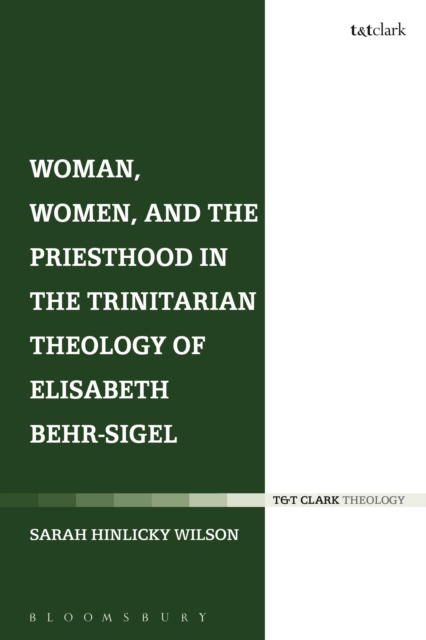
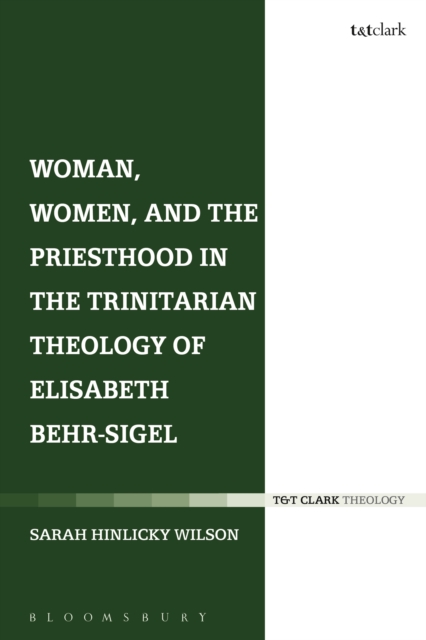
Elisabeth Behr-Sigel (1907-2005), a convert to Orthodoxy in her early twenties and a central figure of Orthodox theology among Russian migr s in Paris, first began to reflect on the question of women in the priesthood in 1976.
Ecumenism: A Guide for the Perplexed is a comprehensive introduction to the methods, achievements, and future prospects of the modern ecumenical movement.
There is no single standard textbook that outlines the official Roman Catholic theological position in relation to other religions which then explicates this orientation theologically and phenomenologically in relation to the four main religions of the world and the flowering of new religious movements in the west.
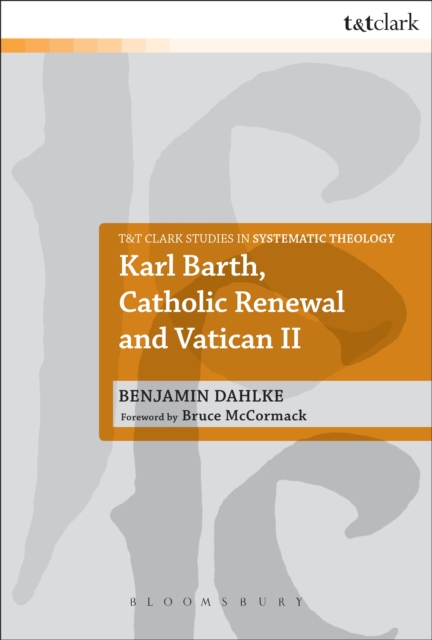
From the 1920s on, Karl Barth's thought was received with great interest not only by Protestants but also by Catholic theologians, who analyzed it in detail.
Elisabeth Behr-Sigel (1907-2005), a convert to Orthodoxy in her early twenties and a central figure of Orthodox theology among Russian migr s in Paris, first began to reflect on the question of women in the priesthood in 1976.
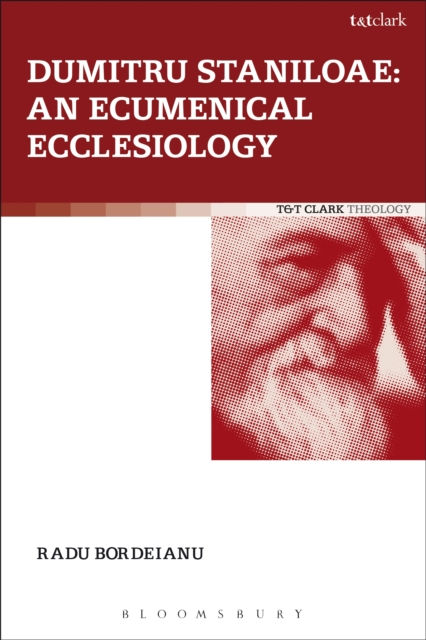
Widely considered the most important Orthodox theologian of the twentieth century, Dumitru Staniloae (1903-1993) contributed significantly to an ecumenical understanding of these themes.
Widely considered the most important Orthodox theologian of the twentieth century, Dumitru Staniloae (1903-1993) contributed significantly to an ecumenical understanding of these themes.
From the 1920s on, Karl Barth's thought was received with great interest not only by Protestants but also by Catholic theologians, who analyzed it in detail.