How referendums can diffuse populist tensions by putting power back into the hands of the peoplePropelled by the belief that government has slipped out of the hands of ordinary citizens, a surging wave of populism is destabilizing democracies around the world.
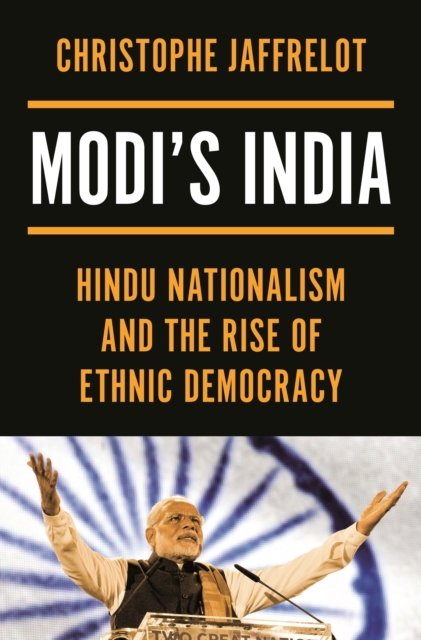
A riveting account of how a popularly elected leader has steered the world's largest democracy toward authoritarianism and intoleranceOver the past two decades, thanks to Narendra Modi, Hindu nationalism has been coupled with a form of national-populism that has ensured its success at the polls, first in Gujarat and then in India at large.
Most foundational works in political philosophy have made fundamentally false and far-reaching assumptions concerning the culturally homogeneous character of the polity.
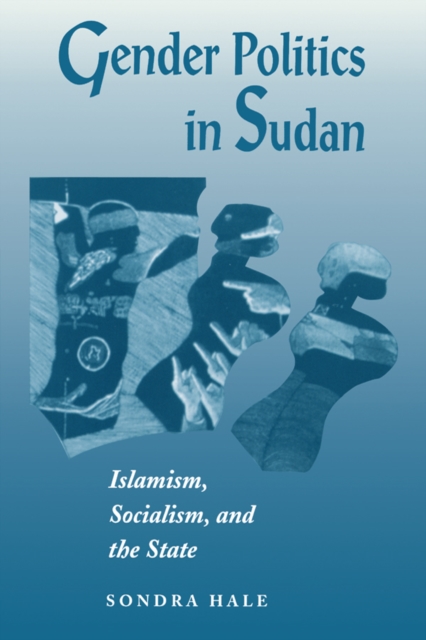
Focusing on the relationship between gender and the state in the construction national identity politics in twentieth-century northern Sudan, the author investigates the mechanisms that the state and political and religious interest groups employ for achieving political and cultural hegemony.
Drawing from a wide range of Uzbek and Russian sources, James Critchlow analyzes significant developments leading up to Uzbekistan's declaration of sovereignty and examines the outlook for the republic's emergence as an independent international player.
This book discusses trans-border ethnic populations in the former Soviet Union in a broader conceptual context, highlighting the importance of diaspora issues both for post-Sovietologists and for scholars of comparative politics and international relations in general.
In this sophisticated yet accessible text, Hampton neatly synthesizes the classical tradition, the giants of the modern period, the dominant topics of the 20th century, as well as the new questions and concerns that are just beginning to rewrite contemporary political philosophy.
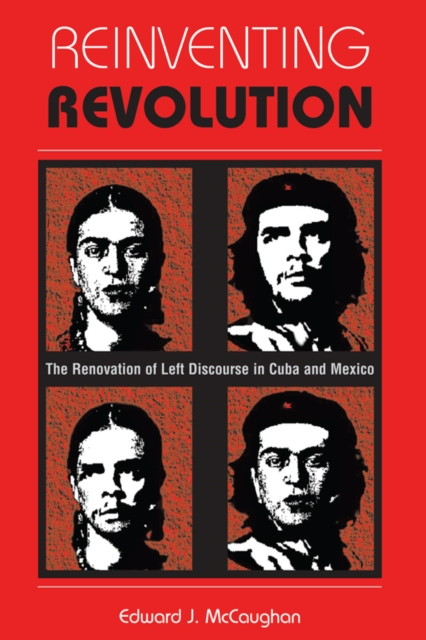
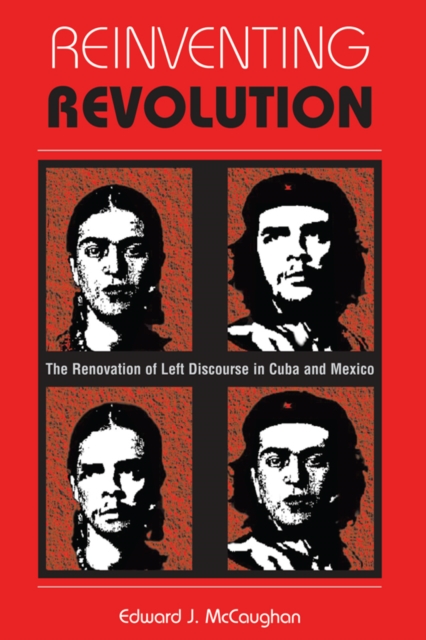
Based on in-depth interviews with seventy-four intellectuals of the lefts in Cuba and Mexico, Reinventing Revolution explores the rapidly changing thinking of progressives on the big-and enduring-questions of democracy, economic alternatives, and national sovereignty.
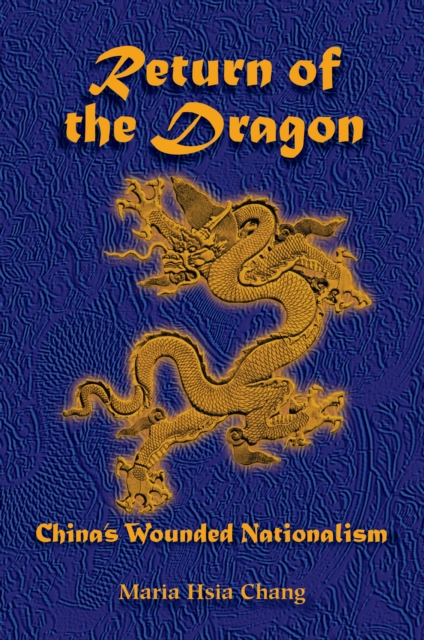
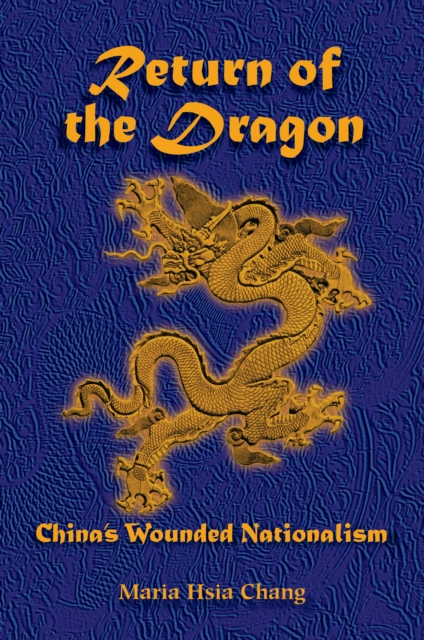
As Maoism recedes, and especially after the 1989 Tiananmen Square massacre, Beijing has increasingly turned to patriotic nationalism for its ideological inspiration and legitimation.
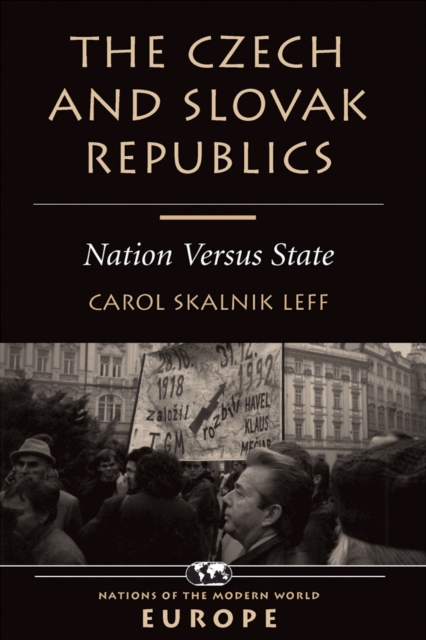
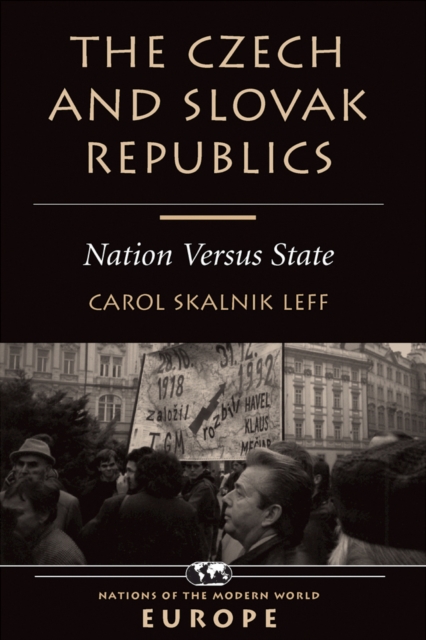
This clear, objective introduction to the politics of Czechoslovakia and the successor Czech and Slovak Republics provides a comprehensive analysis of Czechoslovakia in the postcommunist period.
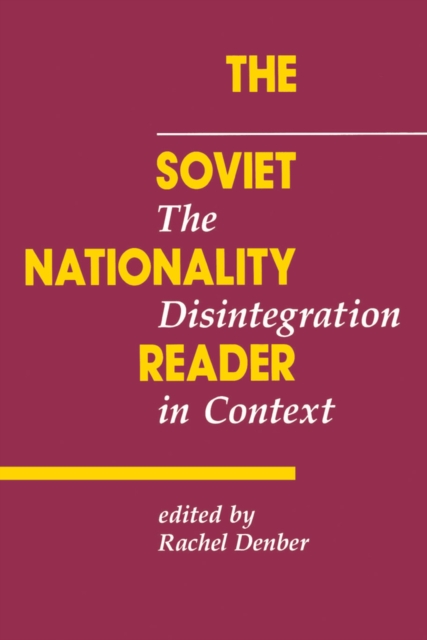
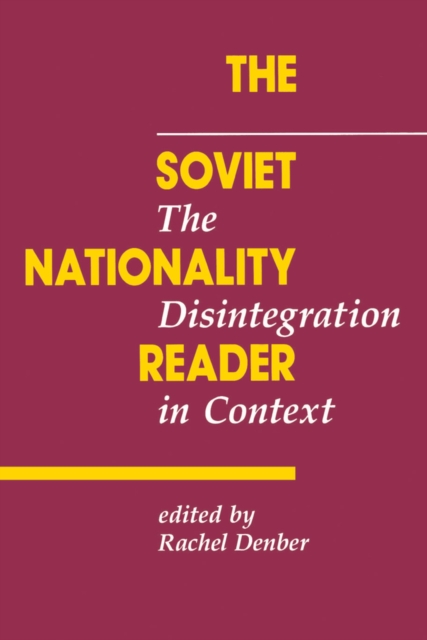
Setting the context for the crisis that has fragmented the former USSR, this reader presents key essays by notable Western scholars who have shaped the debates within the field of Soviet nationality studies.
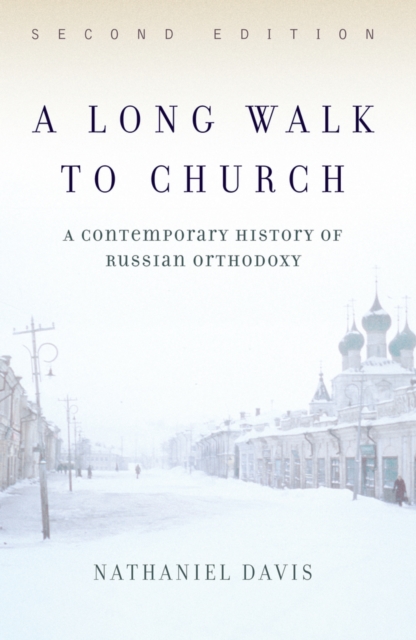
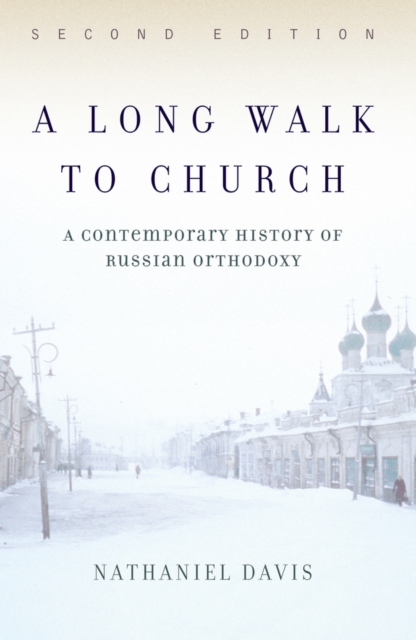
Making use of the formerly secret archives of the Soviet government, interviews, and first-hand personal experiences, Nathaniel Davis describes how the Russian Orthodox Church hung on the brink of institutional extinction twice in the past sixty-five years.
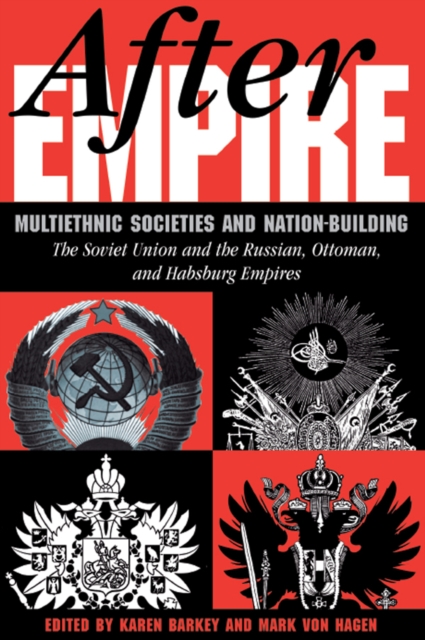
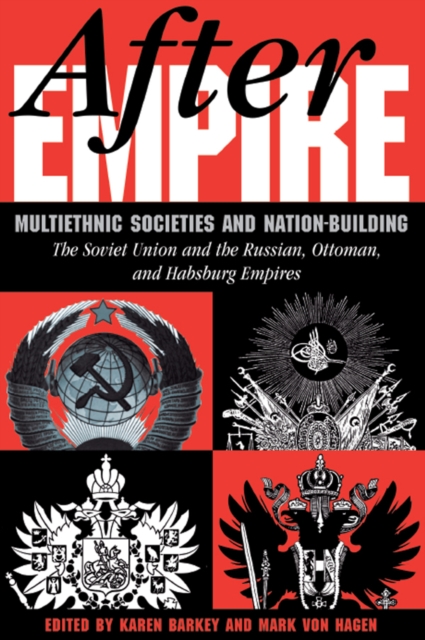
This volume brings together a group of some of the most outstanding scholars in political science, history, and historical sociology to examine the causes of imperial decline and collapse of the Russian, Ottoman, and Habsburg empires.
Most foundational works in political philosophy have made fundamentally false and far-reaching assumptions concerning the culturally homogeneous character of the polity.
Focusing on the relationship between gender and the state in the construction national identity politics in twentieth-century northern Sudan, the author investigates the mechanisms that the state and political and religious interest groups employ for achieving political and cultural hegemony.
Drawing from a wide range of Uzbek and Russian sources, James Critchlow analyzes significant developments leading up to Uzbekistan's declaration of sovereignty and examines the outlook for the republic's emergence as an independent international player.
This book discusses trans-border ethnic populations in the former Soviet Union in a broader conceptual context, highlighting the importance of diaspora issues both for post-Sovietologists and for scholars of comparative politics and international relations in general.
In this sophisticated yet accessible text, Hampton neatly synthesizes the classical tradition, the giants of the modern period, the dominant topics of the 20th century, as well as the new questions and concerns that are just beginning to rewrite contemporary political philosophy.
Based on in-depth interviews with seventy-four intellectuals of the lefts in Cuba and Mexico, Reinventing Revolution explores the rapidly changing thinking of progressives on the big-and enduring-questions of democracy, economic alternatives, and national sovereignty.
As Maoism recedes, and especially after the 1989 Tiananmen Square massacre, Beijing has increasingly turned to patriotic nationalism for its ideological inspiration and legitimation.
This clear, objective introduction to the politics of Czechoslovakia and the successor Czech and Slovak Republics provides a comprehensive analysis of Czechoslovakia in the postcommunist period.
Setting the context for the crisis that has fragmented the former USSR, this reader presents key essays by notable Western scholars who have shaped the debates within the field of Soviet nationality studies.
Making use of the formerly secret archives of the Soviet government, interviews, and first-hand personal experiences, Nathaniel Davis describes how the Russian Orthodox Church hung on the brink of institutional extinction twice in the past sixty-five years.
This volume brings together a group of some of the most outstanding scholars in political science, history, and historical sociology to examine the causes of imperial decline and collapse of the Russian, Ottoman, and Habsburg empires.
Militancy continues to be characteristic of many supporters of the Russian far right, encompassing a belligerent rhetoric, a strong perception of participants as political warriors and often the use of physical violence.
Militancy continues to be characteristic of many supporters of the Russian far right, encompassing a belligerent rhetoric, a strong perception of participants as political warriors and often the use of physical violence.
Faced by the increasing divisiveness and volatility of electoral politics, and the rise of illiberal fundamentalisms, the social sciences may seem to lack the imagination necessary to make sense of the world.
Faced by the increasing divisiveness and volatility of electoral politics, and the rise of illiberal fundamentalisms, the social sciences may seem to lack the imagination necessary to make sense of the world.