Michael Oakshott described conservatism as a non-ideological preference for the familiar, tried, actual, limited, near, sufficient, convenient and present.
Rooming in the Master's House is a strikingly original portrait of the black conservative movement by two of the most celebrated African American scholars.
Rooming in the Master's House is a strikingly original portrait of the black conservative movement by two of the most celebrated African American scholars.
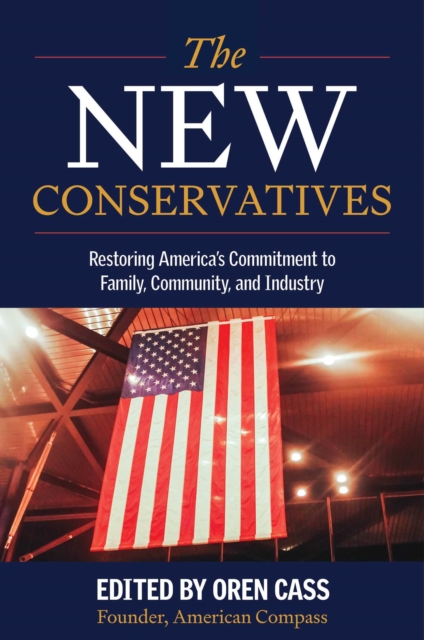
For the fifth anniversary of American Compass, the conservative think tank hailed by the Wall Street Journal as "e;the forefront of rethinking traditional conservative economic ideas,"e; comes a collection of its best, most influential writingAmerican Compass is the nerve center of the New American Right, the political strategists and policy experts navigating a new Republican path through the economic issues shaping today's political landscape-trade and immigration, technology and finance, industrial policy, education, welfare, labor, family, and more.
First published in 1984, this book carefully dissects and convincingly demonstrates that conservative economics is incoherent in theory and disastrous in practice.
First published in 1984, this book carefully dissects and convincingly demonstrates that conservative economics is incoherent in theory and disastrous in practice.
This book considers the emergence of centre right parties in Eastern Europe following the fall of communism, focusing primarily on the case of the Czech Republic.
This book considers the emergence of centre right parties in Eastern Europe following the fall of communism, focusing primarily on the case of the Czech Republic.
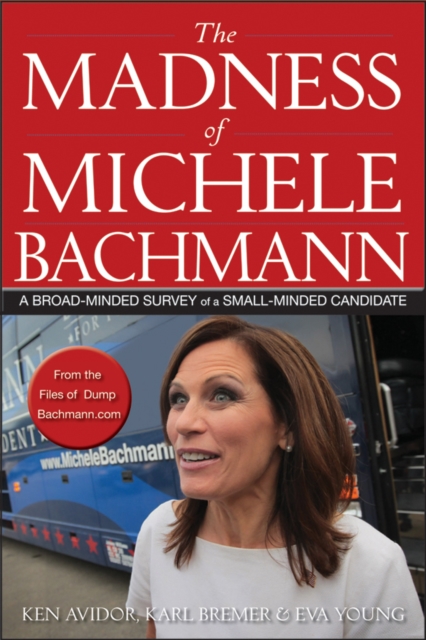
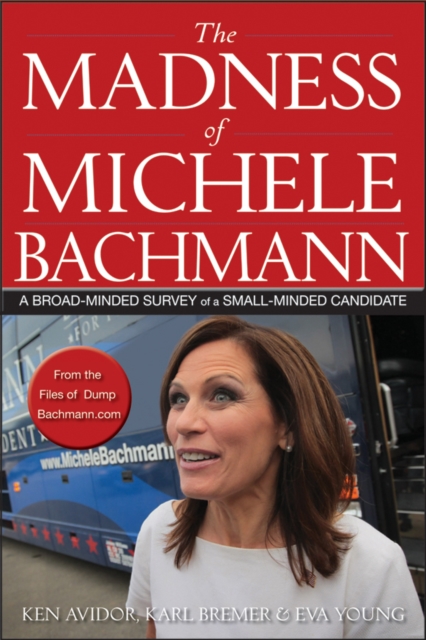
This fact-packed expos reveals all the dirty little secrets that Michele Bachmann would rather you didn't know Since Michele Bachmann became a front-runner for the Republican presidential nomination, journalists have been plumbing the depths of the well-regarded blog Dump Bachmann for material on her.
This fact-packed expos reveals all the dirty little secrets that Michele Bachmann would rather you didn't know Since Michele Bachmann became a front-runner for the Republican presidential nomination, journalists have been plumbing the depths of the well-regarded blog Dump Bachmann for material on her.
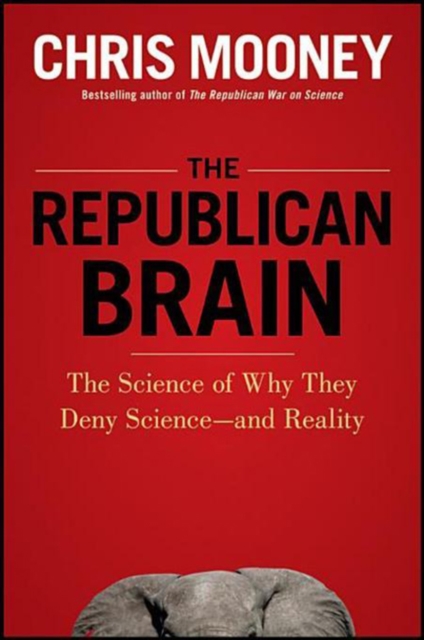
Bestselling author Chris Mooney uses cutting-edge research to explain the psychology behind why today's Republicans reject reality-it's just part of who they are.
This book examines the United States neoconservative movement, arguing that its support for the 2003 invasion of Iraq was rooted in an intelligence theory shaped by the policy struggles of the Cold War.
This book examines the United States neoconservative movement, arguing that its support for the 2003 invasion of Iraq was rooted in an intelligence theory shaped by the policy struggles of the Cold War.
This book investigates the policies of the Thatcher, Major and Blair governments and their approaches towards concentration of economic and political power.
This book investigates the policies of the Thatcher, Major and Blair governments and their approaches towards concentration of economic and political power.
The United States has become ever more deeply entrenched in powerful, rival, partisan camps, and its citizens more sharply separated along ideological lines.
The dramatic story of the last fifty years of the Speyer banking dynasty, a Jewish family of German descent, is surprisingly little known today, yet at the turn of the 20th century, Speyer was the third largest investment banking firm in the United States, behind only Morgan and Kuhn, Loeb.
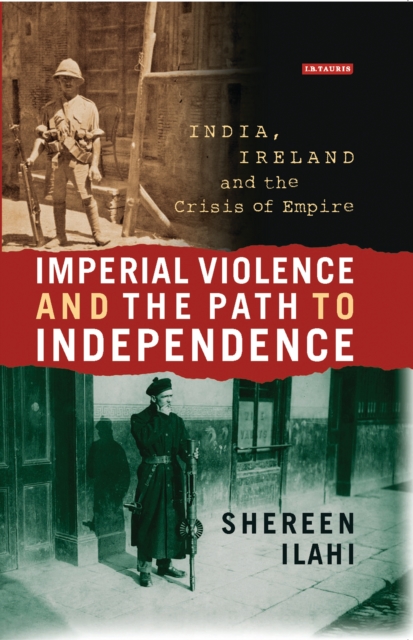
In the aftermath of World War I, the British Empire was hit by two different crises on opposite sides of the world--the Jallianwala Bagh, or Amritsar, Massacre in the Punjab and the Croke Park Massacre, the first 'Bloody Sunday', in Ireland.
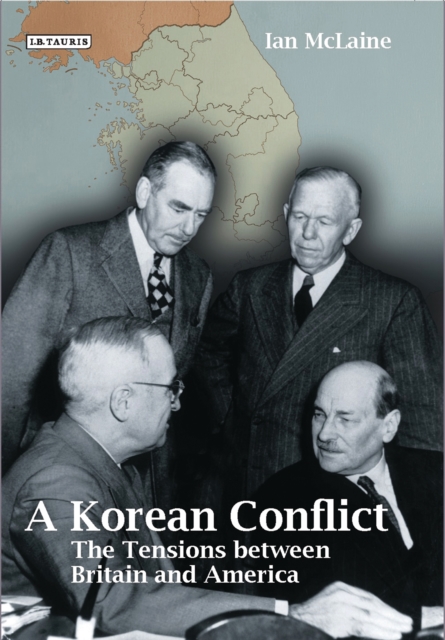
In 1950, just five years after the end of World War II, Britain and America again went to war--this time to try and combat the spread of communism in East Asia following the invasion of South Korea by communist forces from the North.
In 1950, just five years after the end of World War II, Britain and America again went to war--this time to try and combat the spread of communism in East Asia following the invasion of South Korea by communist forces from the North.
In the aftermath of World War I, the British Empire was hit by two different crises on opposite sides of the world--the Jallianwala Bagh, or Amritsar, Massacre in the Punjab and the Croke Park Massacre, the first 'Bloody Sunday', in Ireland.