The American conservative movement as we know it faces an existential crisis as the nations demographics shift away from its core constituentsolder white middle-class Christians.
In the last three decades, a brand of black conservatism espoused by a controversial group of African American intellectuals has become a fixture in the nation's political landscape, its proponents having shaped policy debates over some of the most pressing matters that confront contemporary American society.
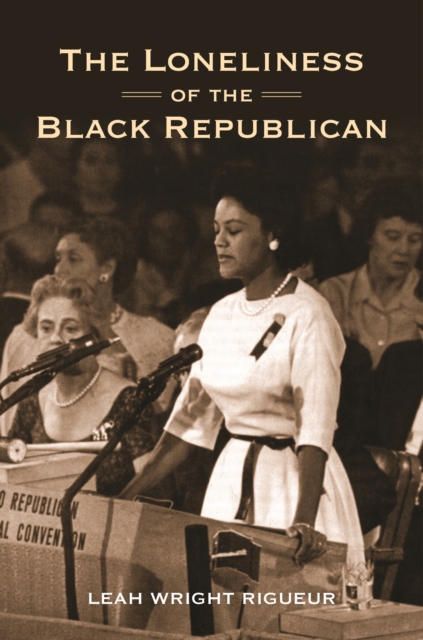
The story of black conservatives in the Republican Party from the New Deal to Ronald ReaganCovering more than four decades of American social and political history, The Loneliness of the Black Republican examines the ideas and actions of black Republican activists, officials, and politicians, from the era of the New Deal to Ronald Reagan's presidential ascent in 1980.
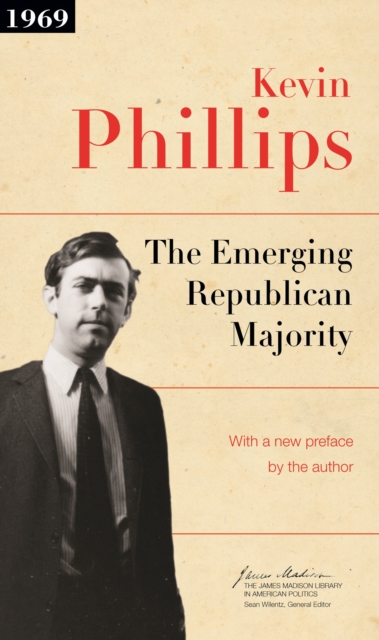
One of the most important and controversial books in modern American politics, The Emerging Republican Majority (1969) explained how Richard Nixon won the White House in 1968-and why the Republicans would go on to dominate presidential politics for the next quarter century.
In Peace Out of Reach, Stephen Eric Bronner offers an intriguing analysis and eyewitness account of the political and ideological conflicts plaguing the Middle East.
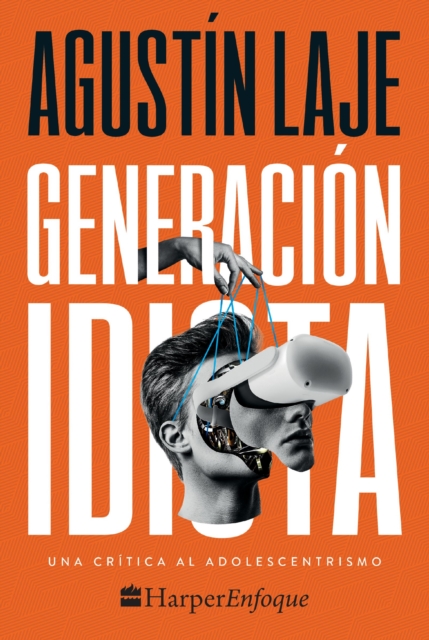
Generación idiota nos ofrece una inmersión profunda en la desaparición de la sociedad intergeneracional y el auge de la mentalidad adolescente, que ha causado un gran daño a la política y a la sociedad.
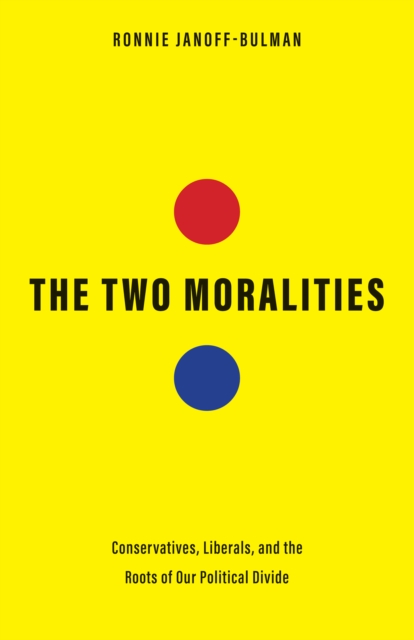
The most complete picture to date of the moral worlds of the political left and right and how their different views relate to specific political issues The left and right will always have strong policy disagreements, but constructive debate and negotiation are not possible when each side demonizes the other.
A Brookings Institution Press and the Hoover Institution publicationAmerica's polarized politics are largely disconnected from mainstream public preferences.
Winner: Foundations of Political Theory First Book AwardAs populism presaging authoritarianism surges worldwide and political rights and civil liberties erode, pundits, politicians, and political scientists agree: democracy is in crisis.
From concussion doctors pushing ';science' that benefits their hidden business interests to lawyers clamoring for billion-dollar settlements in scam litigation, America's game has become so big that everybody wants a cut.
In a nation where politics and religion often fuel fifi res rather than extinguish them, America The Beautiful Has Problems comes as a gust of fresh air.
The online publication Logos: A Journal of Modern Society and Culture was launched in response to the atmosphere of triumphant conservatism and militarism that pervades American political culture in the aftermath of 9/11.