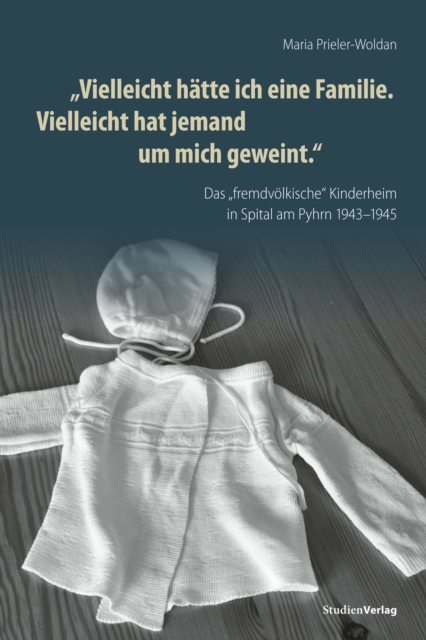
In Spital am Pyhrn (Oberösterreich) war von 1943 bis 1945 in einem aufgelassenen Gasthof ein sogenanntes "fremdvölkisches" Kinderheim eingerichtet, betrieben von der "Nationalsozialistischen Volkswohlfahrt" (NSV).
A history of three transnational political projects designed to overcome the inequities of imperialismAfter the dissolution of empires, was the nation-state the only way to unite people politically, culturally, and economically?
Über 300 Artikel erschließen das ganze Spektrum des Konservatismus in Geschichte und Gegenwart: Politiker wie Adenauer, Bismarck und Metternich, Schriftsteller wie Novalis, Fontane und Bergengruen, Publizisten wie Görres, Spengler, Rohrmoser und Spaemann, bedeutende Europäer wie Solschenizyn, Leo der XIII, Chesterton, Ortega y Gasset, Thomas von Aquin und Swift, sind neben Stichwörtern wie Katholische Soziallehre, Heimat und Adel vertreten.
Das Tagebuch der Thea Gersten, der späteren Thea Hurst, eingebunden in den Gardinenstoff ihres Leipziger Kinderzimmers, liegt über sechs Jahrzehnte in Theas Nachttisch-Schublade.
Dieses eBook: "Der Bürgerkrieg in Frankreich" ist mit einem detaillierten und dynamischen Inhaltsverzeichnis versehen und wurde sorgfältig korrekturgelesen.
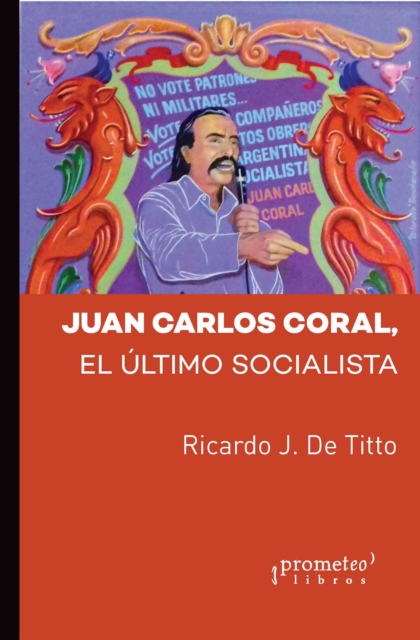
Dos expresiones políticas, el peronismo con Perón como líder y el fenómeno guerrillero asociado con la revolución cubana, dominan los relatos de las dos décadas que transcurren entre los golpes de estado de 1955 y de 1976.
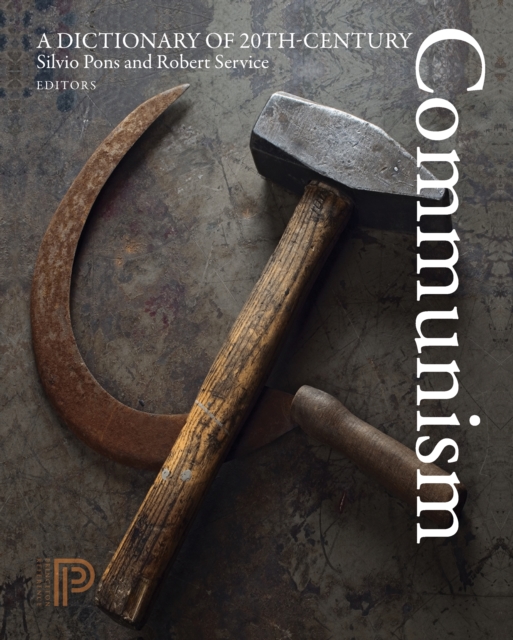
An encyclopedic guide to 20th-century communism around the worldThe first book of its kind to appear since the end of the Cold War, this indispensable reference provides encyclopedic coverage of communism and its impact throughout the world in the 20th century.
How Donald Trump laid waste to American politics, culture, and social orderAfter Donald Trump's rise to power, after the 2020 presidential election, after January 6, is American politics past the point of no return?
Why your political beliefs are influenced by the language you speakVoicing Politics brings together the latest findings from psychology and political science to reveal how the linguistic peculiarities of different languages can have meaningful consequences for political attitudes and beliefs around the world.
A comprehensive account of the media's coverage of social movements in the United StatesA new view of twentieth-century US social movements, Rough Draft of History examines how national newspapers covered social movements and the organizations driving them.
How Tocqueville's ideas can help us build resilient liberal democracies in a divided worldHow can today's liberal democracies withstand the illiberal wave sweeping the globe?
Simone Müller porträtiert 14 Jüdinnen und Juden sowie eine Zeugin Jehovas, die zwischen 1923 und 1942 geboren wurden und als Kinder oder Jugendliche Hitlers Terrorregime überlebten.
Como hemos conocido en tantas ocasiones, las leyendas y los relatos míticos de las diferentes naciones y pueblos han triunfado frente a la realidad que la Historia demuestra.
Groß – blond – blauäugig, so sollten sie aussehen, die Kinder, die in den Lebensborn-Heimen auf die Welt kamen, die der SS-Organisation übergeben wurden oder die in ihre Hände gerieten, nachdem sie verschleppt und zwangsgermanisiert worden waren.
Sie galt als »das schwarze Schaf der Familie«, doch unbeirrt ging Friedelind Wagner ihren eigenen Weg: Eva Rieger schreibt die erste Biografie der Enkelin Richard Wagners, die sich als Einzige des Bayreuther Clans zum Widerstand entschloss – gegen ihre Familie und gegen das Nazi-Regime.
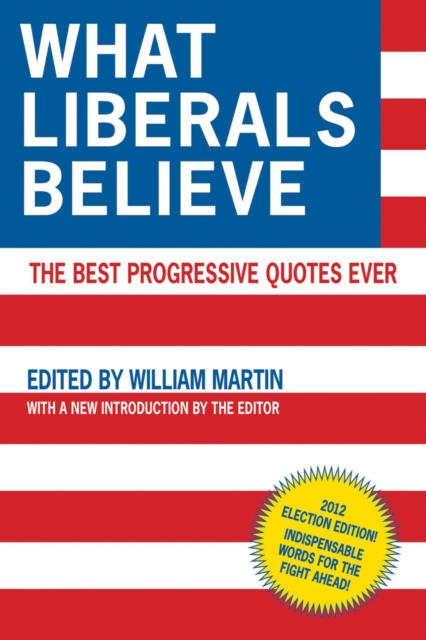
In a political and media environment dominated by conservative interests, liberals need every opportunity to be heard, without distortion and in their own words.
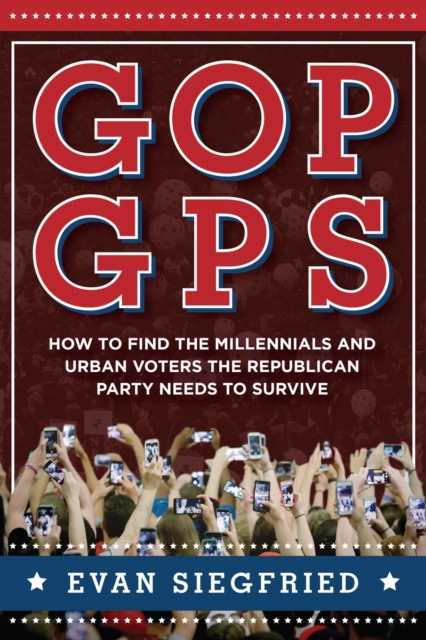
Editors Pick for the Conservative Book ClubA roadmap to the future for RepublicansWith each passing election cycle, Republicans face stiffer and stiffer odds for winning elections at all levels.
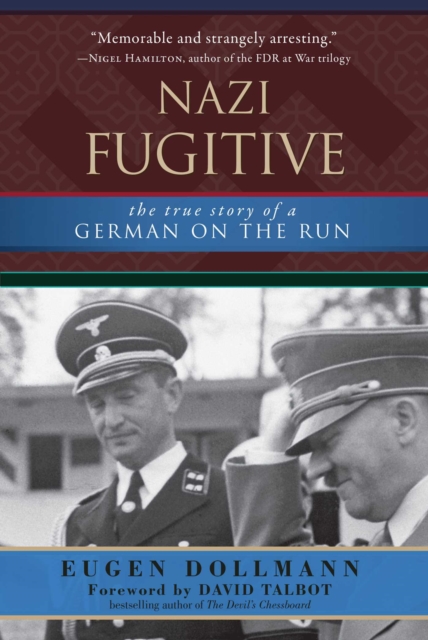
An SS colonel goes underground at the end of WWIIEugen Dollmann was a scholar and member of the SS whose connections among Italian society led to a posting as a liaison officer attached to Mussolini during World War II.
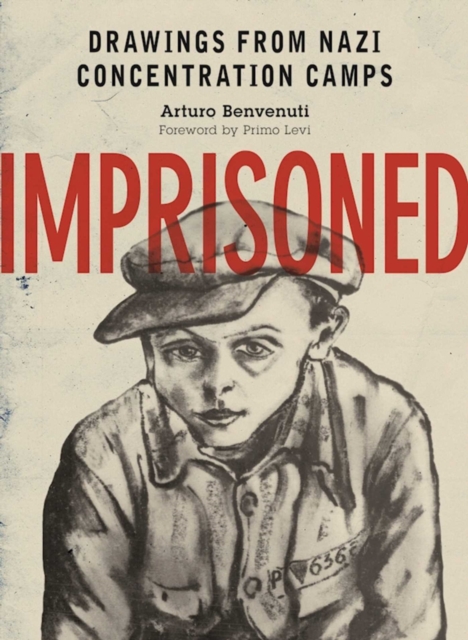
In September 1979, at age fifty-six, writer and artist Arturo Benvenuti fueled up his motor home and set forth on what he knew would be an emotional journey.
This carefully crafted ebook: "e;THE HISTORY OF THE DEVIL - Exploration of the Devil's Role in the History of Civilization: The Political and the Religious Aspects"e; is formatted for your eReader with a functional and detailed table of contents.
How China's political model could prove to be a viable alternative to Western democracyWesterners tend to divide the political world into "e;good"e; democracies and "e;bad"e; authoritarian regimes.
A sweeping history of twentieth-century Europe that examines its unprecedented destruction-and abiding promiseA sweeping history of twentieth-century Europe, Out of Ashes tells the story of an era of unparalleled violence and barbarity yet also of humanity, prosperity, and promise.
A leading scholar of British political thought explores the relationship between liberalism and empireReordering the World is a penetrating account of the complexity and contradictions found in liberal visions of empire.
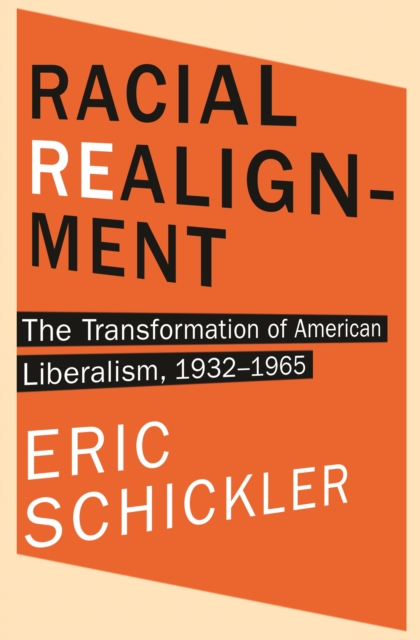
Few transformations in American politics have been as important as the integration of African Americans into the Democratic Party and the Republican embrace of racial policy conservatism.
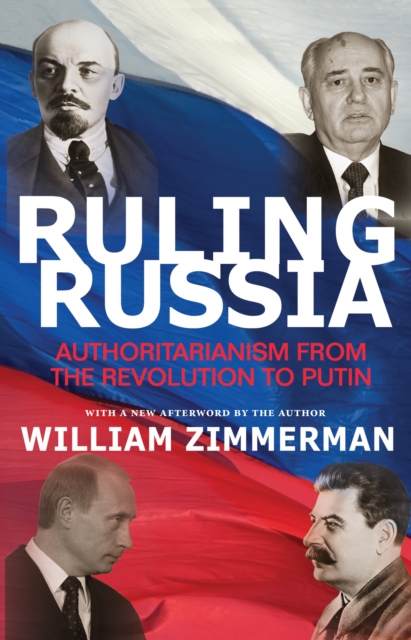
The first book to trace the evolution of Russian politics from the Bolsheviks to PutinWhen the Soviet Union collapsed, many hoped that Russia's centuries-long history of autocratic rule might finally end.
Like a great dynasty that falls to ruin and is eventually remembered more for its faults than its feats, Arab nationalism is remembered mostly for its humiliating rout in the 1967 Six Day War, for inter-Arab divisions, and for words and actions distinguished by their meagerness.
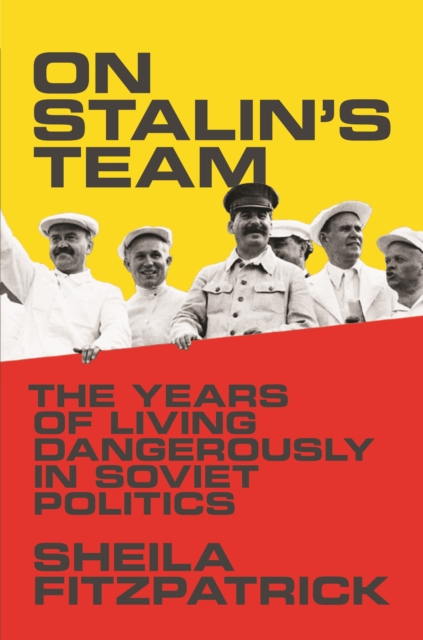
The first chronicle of Stalin's inner political and social circle-from a leading Soviet historianStalin was the unchallenged dictator of the Soviet Union for so long that most historians have dismissed the officials surrounding him as mere yes-men and political window dressing.
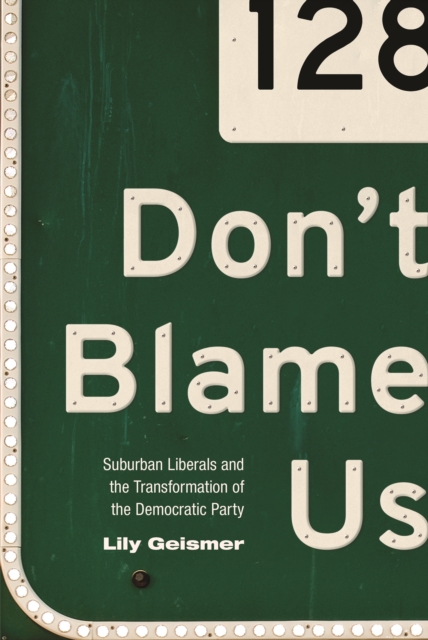
Don't Blame Us traces the reorientation of modern liberalism and the Democratic Party away from their roots in labor union halls of northern cities to white-collar professionals in postindustrial high-tech suburbs, and casts new light on the importance of suburban liberalism in modern American political culture.
How the political beliefs of Tea Party supporters are connected to far-right social movementsAre Tea Party supporters merely a group of conservative citizens concerned about government spending?
How radical free-market ideas achieved mainstream dominance in postwar America and BritainBased on archival research and interviews with leading participants in the movement, Masters of the Universe traces the ascendancy of neoliberalism from the academy of interwar Europe to supremacy under Reagan and Thatcher and in the decades since.
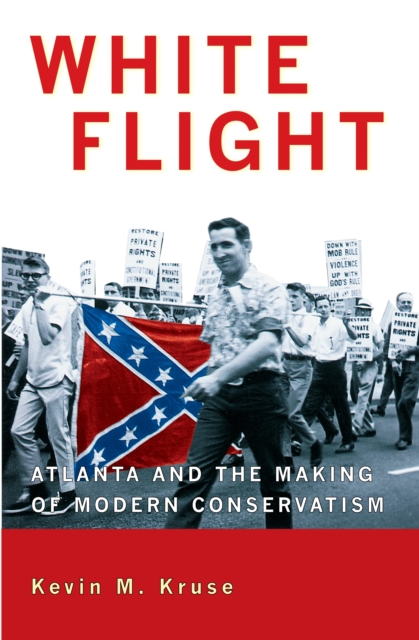
During the civil rights era, Atlanta thought of itself as "e;The City Too Busy to Hate,"e; a rare place in the South where the races lived and thrived together.
How governmental failure led to the 2008 financial crisis-and what needs to be done to avoid another similar event Behind every financial crisis lurks a "e;political bubble"e;-policy biases that foster market behaviors leading to financial instability.
How divergent campus cultures affect conservative college studentsConservative pundits allege that the pervasive liberalism of America's colleges and universities has detrimental effects on undergraduates, most particularly right-leaning ones.
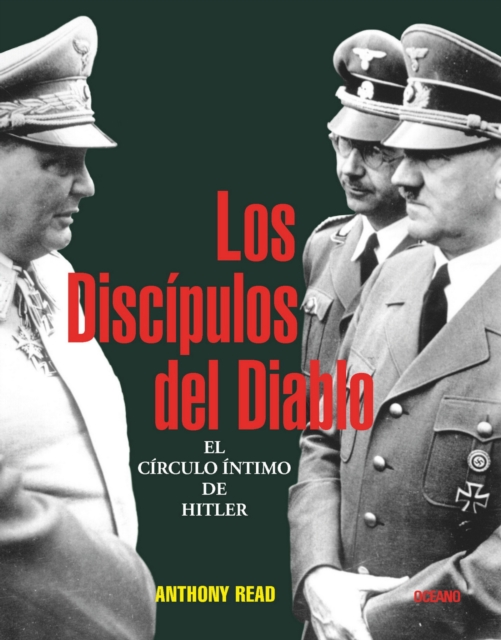
El meteórico ascenso al poder de Hitler, el férreo control ideológico que impuso en Alemania, su popularidad frente a las masas y la eficaz maquinaria bélica que puso en marcha constituyen aspectos de un proceso cuyo éxito dependió, en buena medida, del trabajo realizado por su círculo íntimo.