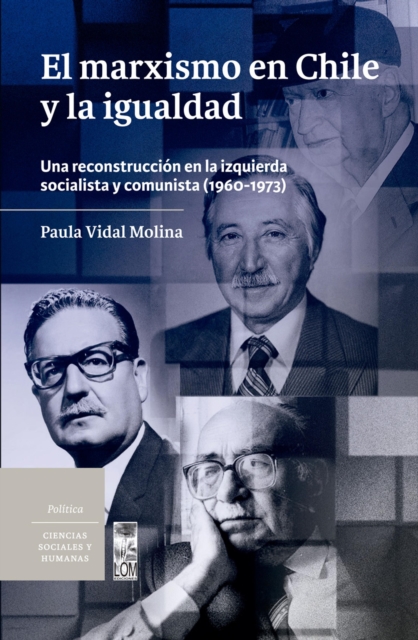
Este libro es una reconstrucción de la noción de igualdad en el marxismo chileno, los movimientos obrero y popular, los partidos políticos comunista y socialista y sus intelectuales orgánicos, durante el periodo de 1960 a 1973.
Se analiza cómo el Partido Comunista, que había sido opositor desde la primera hora a los gobiernos de la Concertación de Partidos por la Democracia, comenzó a variar su posición, iniciando un paulatino proceso de convergencia con esta.
Los cambios abruptos cuestionan las estructuras tradicionales, lo que desataría temor y adhesión a lo conocido en unos, pero también aliento y esperanza en otros.
Se presenta la trayectoria biográfica de uno de los principales actores de la "República Socialista" de 1932, quien, además sobresalió como uno de los fundadores y más importantes intelectuales orgánicos del Partido Socialista chileno.
Los autores resaltan en qué medida la crítica benjaminiana del mundo capitalista, de la fantasmagoría de la mercancía, de la pérdida del aura –su crítica de la modernidad–, revela en sus medios técnicos y en su estética una dialéctica salvadora.
La situacion actual de crisis a nivel mundial, debido a la pandemia y la depresion economica, ha puesto en evidencia las desigualdades estructurales y las opresiones generadas por el neoliberalismo.
El protagonista, meses antes del golpe de Estado de 1973 conforma el equipo que trabaja en una teleserie sobre la guerra civil de 1891, que lleva al suicidio de Balmaceda.
Su experiencia politica, conjugada con su formacion academica, confieren a los textos que conforman este libro, una mirada critica de la sociedad chilena y su modelo neoliberal heredado de la dictadura.
En una mision de resistencia a la dictadura, tres militantes comunistas emprenden una campana de reclutamiento, tras ello viven y sufren acontecimientos que convierten el noble proposito en una aventura desmesurada.
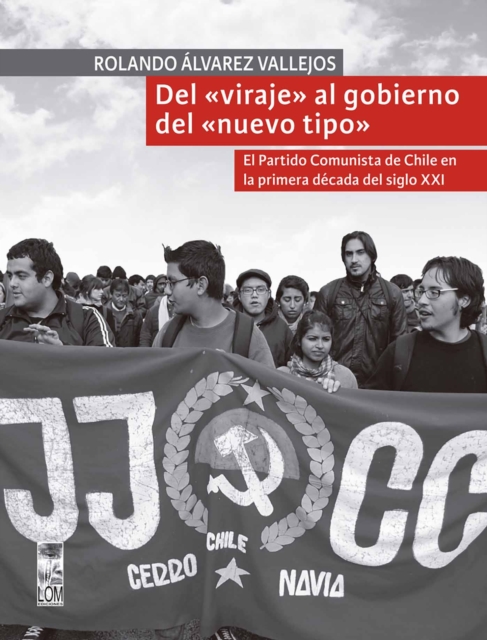
Investigacion sobre la trayectoria del PC de Chile entre los anos 1990 y 2000, sus conflictos internos, sus cambios ideologicos y su relacion con las organizaciones sociales luego de ser excluido del pacto transicional.
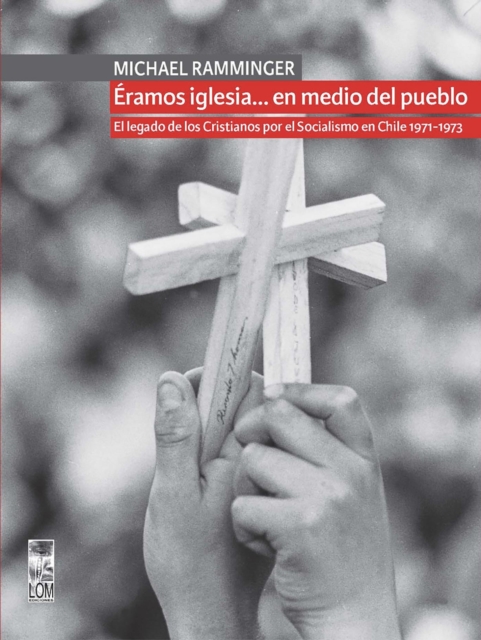
El movimiento Cristianos por el Socialismo surgió y se desarrolló bajo el alero de la corriente de pensamiento y acción cristiana que fue la teología de la liberación latinoamericana.
Son estos algunos de los primeros escritos de Manuel Rojas, o escritos de juventud, cuando al comenzar su acercamiento al pensamiento anarquista colaboraba con La Batalla (1912-1916).
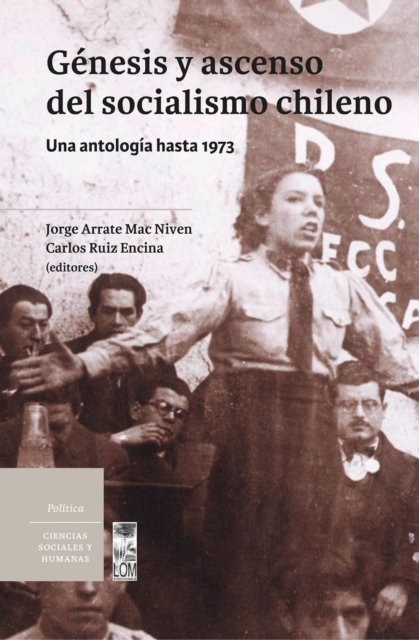
Mediante un recorrido historico del proceso de su configuracion, este libro se propone examinar la formacion del ideario politico socialista chileno desde los anos veinte hasta los setenta del siglo XX.
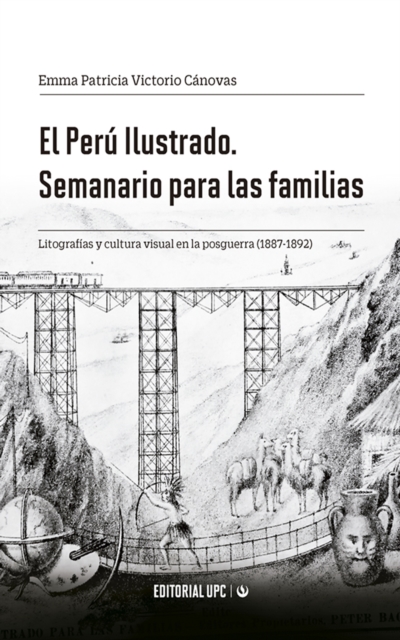
A mediados del siglo XIX, gracias a la invención de la fotografía y al desarrollo de la litografía, surgieron diarios, periódicos y revistas con ilustraciones que ocuparon un lugar importante en el impreso.
"La última vez que fue visto estaba disparando su ametralladora, cubriendo la retirada de su sección desde un monte a punto de ser tomado por los moros.
La bibliografía sobre los '70, tanto académica como testimonial, puso el eje en la experiencia de las organizaciones armadas o en la lucha de la clase obrera.
Cuando hablamos del Chavismo rápidamente se nos vienen a la cabeza las camisas rojas de Chávez, las expropiaciones, la crisis humanitaria y la represión de Maduro.
Twenty years have passed since South Africans were being shot or hacked or burned to death in political conflict; and the memory of the trauma has faded.
'If Steve Biko were alive today, we would have a country that gladly embraces African culture as the dominant driving force for how society is organised .
¿Por qué aceptamos como normal que las corporaciones tengan derechos y puedan reclamar por ellos mientras nos resulta inconcebible que la naturaleza, de la que depende nuestra vida, goce de ese reconocimiento?
Si bien el enfrentamiento entre el Estado y la Iglesia en México se inició con la propia independencia del país y se agudizó con las Leyes de Reforma, nunca las jerarquías eclesiásticas y políticas habían recurrido a las armas para deliberar sus diferencias.
No es frecuente que un economista especializado en politicas sociales tenga una conciencia tan aguda de la crisis socioecologica sin tomarla como un factor mas, que "e;queda bien"e; reconocer pero que es secundario en relacion con prioridades como el crecimiento, el consumo, la inversion.
La preocupación sobre el carácter de la revolución en la Argentina se actualizó de manera notable a comienzos de la década del ´70, cuando el ciclo insurreccional de masas hizo evidente el surgimiento de una fuerza social revolucionaria, que amenazaba la continuidad del capitalismo.
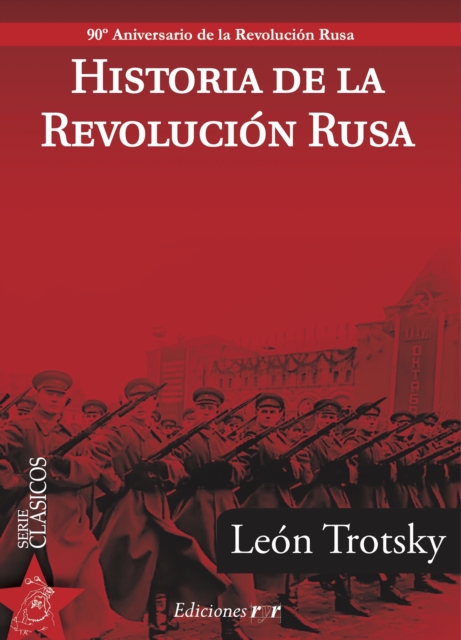
Escrito: Historia de la revolución rusa (Istoria ruscoi revolutsii) fue escrita en ruso en el destierro de Trotsky en la isla de Prinkipo, mar de Mármara, Turquía.
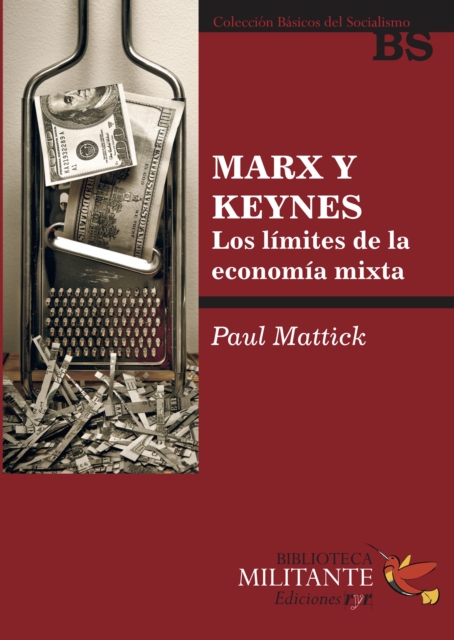
El debate que atraviesa las páginas de este libro cuestiona una posible fusión entre la perspectiva marxista y la keynesiana, que postula la intervención del Estado para relanzar la acumulación de capital, apaciguar los conflictos de clase y hacer menos traumáticas las crisis.
En 2013, la elección de un papa argentino generó una oleada de interés por sus años de formación y sus posiciones teológicas en los años sesenta y setenta.
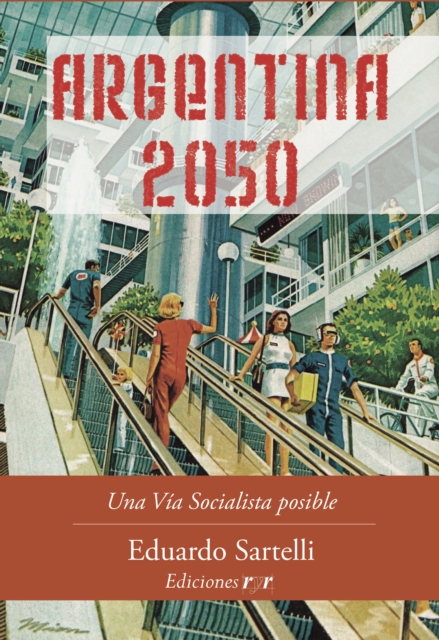
A lo largo de tres décadas de trasnsformaciones, si tuviéramos éxito, la Argentina debería definirse por las siguientes características:- Abolición de la propiedad privada- Elevadísimo desarrollo tecnológico- Jornada de 6 horas para todos- Treinta y cinco años de vida laboral total- 90 años de expectativa de vida- Salud, vivienda y educación aseguradas desde el minuto uno de vida- Pobreza cera- Desocupación cero- Educación universitaria obligatoria- Todos los cargos políticos electivos y revocables- Administración mínima- Participación plena de la población en todas las decisiones importantes de la vida socialEstos elementos son los que hacen posible lo que denominamos una ¨buena vida¨.
Der Weg der USA vom bewunderten Vorbild der Demokratie in die TyranneiAmerikas Demokratie ist die älteste der modernen Welt und weist eine beeindruckende Kontinuität auf – doch mit der Präsidentschaft Donald Trumps ist sie in eine existenzielle Krise geraten.