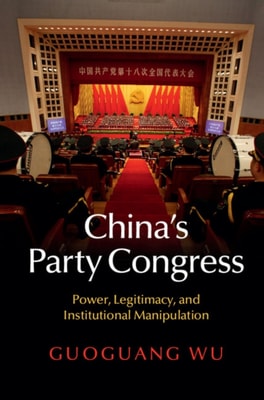
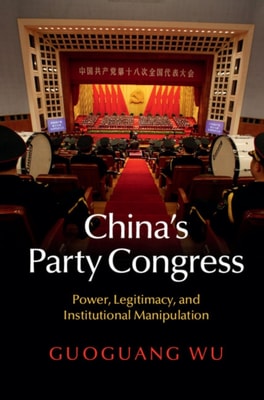
Tripura in India's Northeast remains the only region in the world which has sustained a strong left radical political tradition for more than a century, in a context not usually congenial for left politics.
When the Hindu nationalist Bharatiya Janata Party (BJP) assumed power in India in 1998 as the largest party of the National Democratic Alliance, it soon became evident that it prioritized educational reforms.
Democratic theory considers it fundamental for parties in government to be both responsive to their electorate and responsible to internal and international constraints.
Democratic theory considers it fundamental for parties in government to be both responsive to their electorate and responsible to internal and international constraints.
The Populist Logic on the Environment provides a framework that draws from populism's essence to explain populist politicians' approaches to the environment.
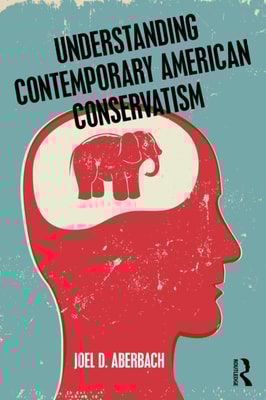
Contemporary American conservatism - a melange of ideas, people, and organizations - is difficult to define; even conservatives themselves are unable to agree about its essential meaning.
Contemporary American conservatism - a melange of ideas, people, and organizations - is difficult to define; even conservatives themselves are unable to agree about its essential meaning.
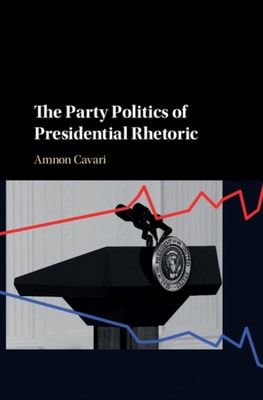
This book develops a theory of presidential public leadership taking into account the partisan nature of the political debate and the role of presidents.
This book develops a theory of presidential public leadership taking into account the partisan nature of the political debate and the role of presidents.
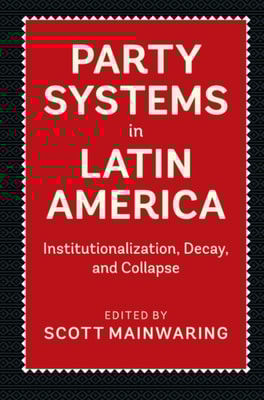
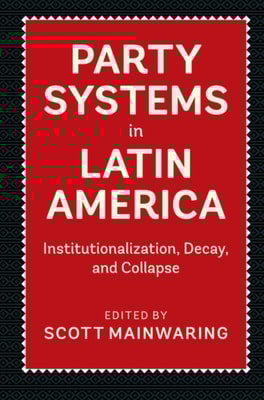
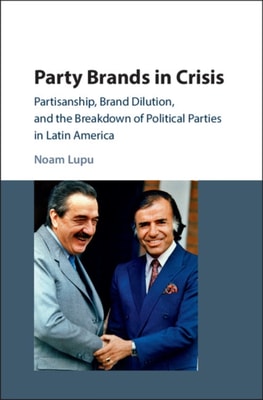
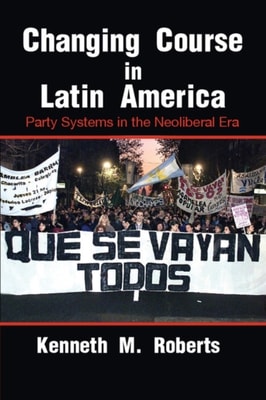
This book generates a wealth of new empirical information about Latin American party systems and contributes richly to major theoretical debates about party systems and democracy.
This book generates a wealth of new empirical information about Latin American party systems and contributes richly to major theoretical debates about party systems and democracy.
This book analyzes why combative politics stigmatizes Democrats and Republicans, thus Americans avoid political actions that could identify them as partisans.
This book analyzes why combative politics stigmatizes Democrats and Republicans, thus Americans avoid political actions that could identify them as partisans.
This book demonstrates that nineteenth-century electoral politics were the product of institutions that prescribed how votes were cast and were converted into political offices.
This book demonstrates that nineteenth-century electoral politics were the product of institutions that prescribed how votes were cast and were converted into political offices.
Considered the gold standard on interest group politics, this widely-used text analyzes interest groups within the intuitive framework of democratic theory, enabling readers to understand the workings of interest groups within the larger context of our political system.