La città del Sole oder auch Civitas solis (deutsch "Sonnenstadt") ist ein 1602 von dem Dominikaner Tommaso Campanella verfasstes und 1623 publiziertes Werk, das den wirtschaftlichen und politischen Aufbau des idealen Staates darstellt.
Apology - Plato - Plato is a Classical Greek philosopher, mathematician, student of Socrates, writer of philosophical dialogues, and founder of the Academy in Athens, the first institution of higher learning in the Western world.
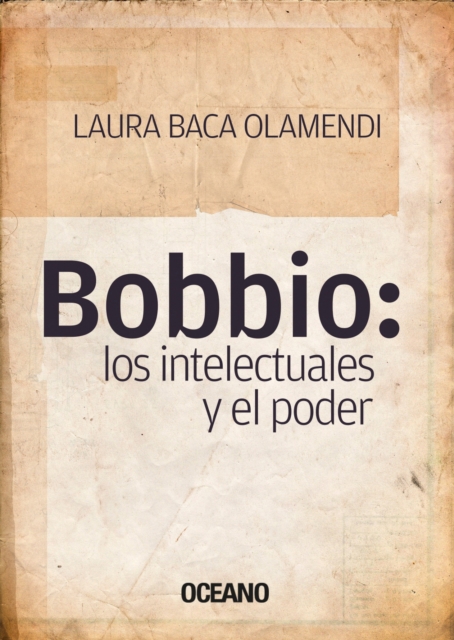
El filósofo italiano Norberto Bobbio afirma que toda su obra políticamente comprometida puede considerarse y discutirse bajo el ángulo de los intelectuales y su función en la sociedad.
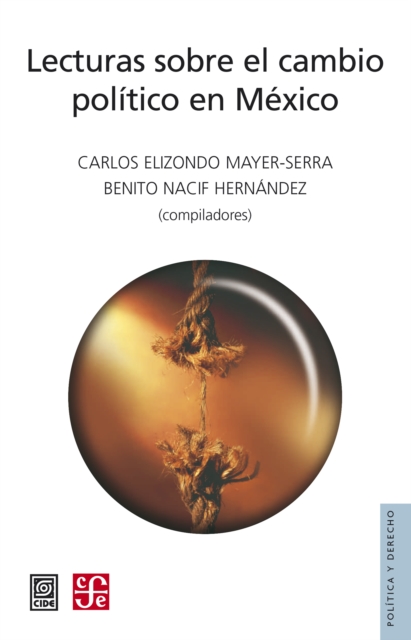
Articulos reunidos sobre el proceso de transformacion politica en Mexico, los cuales senalan la sutil diferencia entre democratizacion y liberalizacion politica.
Estas breves páginas son el recordatorio de una filosofía política (es el único libro de filosofía política escrito por un mexicano en el siglo XIX) cada vez más actual y siempre necesaria.
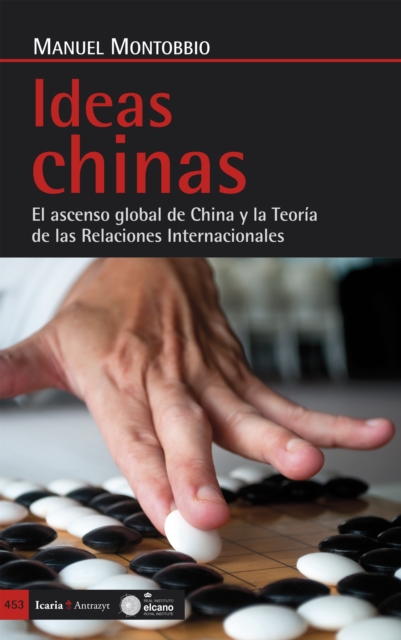
Vivimos una era de cambio y un cambio de era determinado por la conformación de China como potencia global y su centralidad en el sistema internacional, que plantea la cuestión de si dicha emergencia y transformación va a conllevar simplemente un cambio de la estructura, distribución y equilibrios de poder en el sistema internacional existente, o una reconfiguración de éste y de las ideas y paradigmas en que se sustenta.
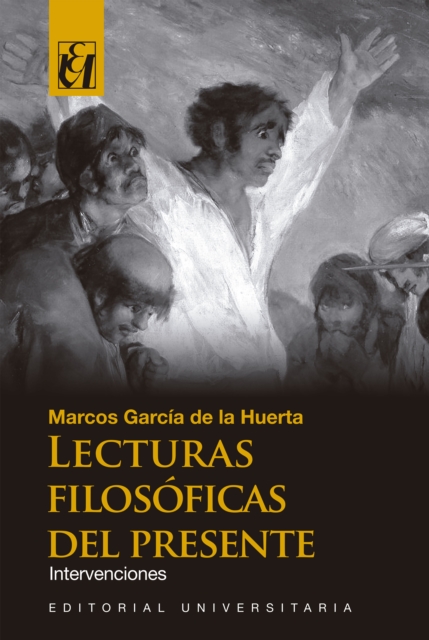
Hay que seguir apostando por encontrar una apertura en el horizonte de la Emancipación, anhelando que el pensamiento materialista del siglo XXI, en forma de Otra izquierda, pueda encontrar un lugar para hacer su duelo, despidiéndose definitivamente de la metafísica de la Revolución y propiciando la emergencia de una voluntad popular con vocación transformadora que cuente con las "malas noticias" aportadas por el psicoanálisis.
Lo que todo revolucionario debe saber sobre la represion relata los metodos de la Ojrana, la policia secreta zarista, en visperas de la Revolucion de Octubre en Rusia, da consejos practicos al militante para evitar la vigilancia y expone la justificacion leninista del uso revolucionario de la represion politica.
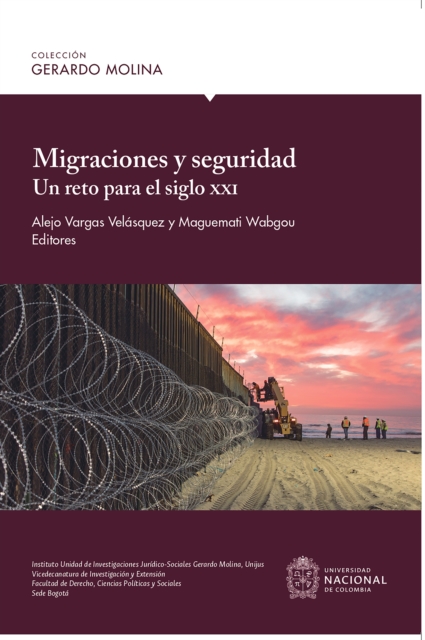
El objetivo de esta obra es entender como el ingreso y la permanencia de los inmigrantes se han vuelto un asunto de seguridad nacional en diferentes contextos culturales y geograficos.
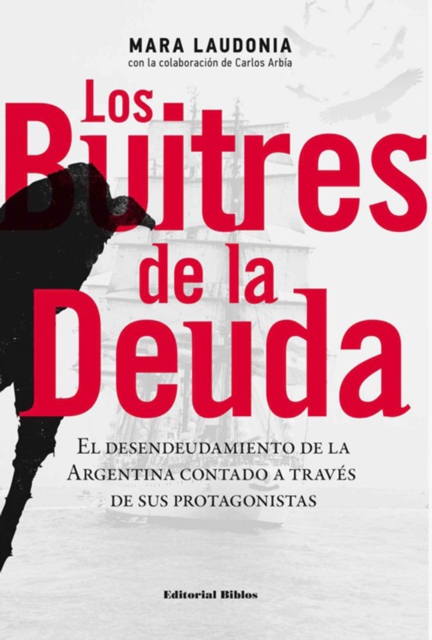
La historia de cómo la Argentina se desendeudó, sorteando los obstáculos del FMI, de los bancos de inversión y de los fondos buitre, contada a través de los protagonistas.
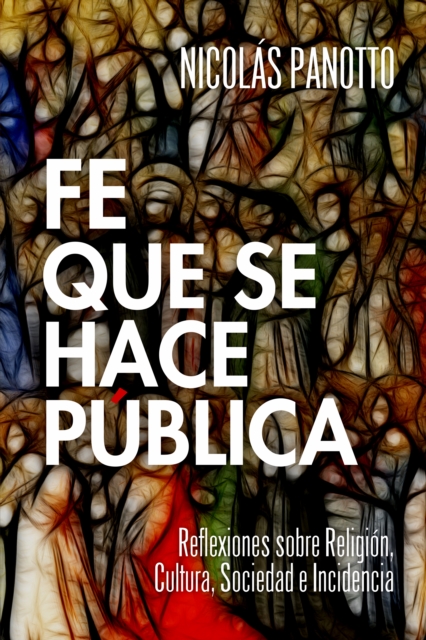
Fe que se hace Pública: Reflexiones sobre Religión, Cultura, Sociedad e Incidencia es el resultado de un muy variado conjunto de reflexiones sobre experiencias que intentan cruzar –con las tensiones inherentes que conlleva- las dimensiones de la fe, el activismo político y el compromiso por el bien común desde una mirada democrática y los derechos humanos.
Book contains first two collections of essays, Essays: First Series (1841) and Essays: Second Series (1844), representing the core thinking of Ralph Waldo Emerson.
Los siete ejercicios que componen este libro articulan siete temas o términos que resultaron objeto del debate público reciente: los derechos ciudadanos, el decisionismo presidencial, el liderazgo carismático, el amor a la patria, la opinión pública, la judicialización de la política y los secretos de Estado.
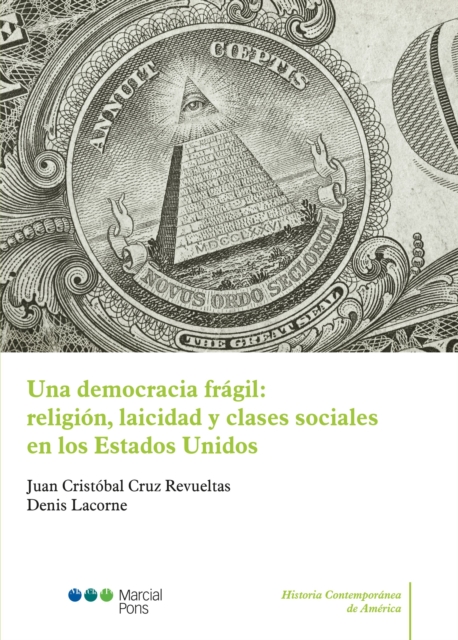
Las elecciones de 2016 permitieron constatar que hay dos Américas opuestas entre sí y distinguibles geográficamente: la América de las grandes ciudades contra la América rural y de las pequeñas ciudades industriales.
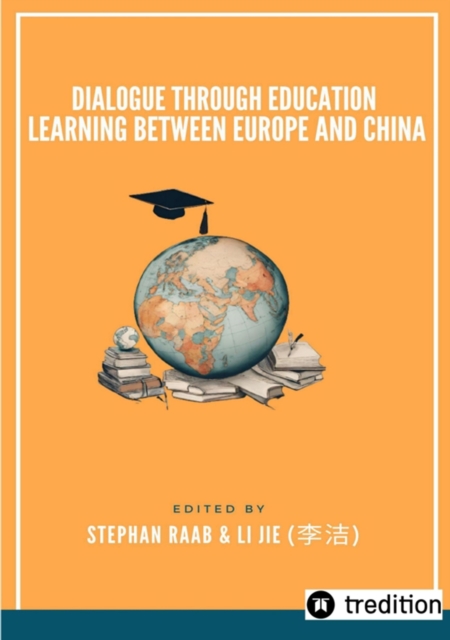
This volume explores the potentials and perspectives upon educational diplomacy, promoting a better mutual understanding on the European and the Chinese traditions and their visions for the future.
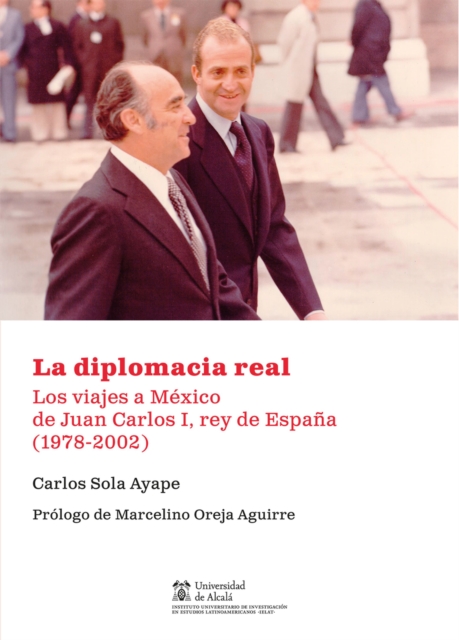
En noviembre de 2018 se cumplen cuarenta años desde el primer viaje oficial del rey de España a México, un año y medio después de que tuviera lugar en París la reanudación de las relaciones hispano-mexicanas, interrumpidas durante otros cuarenta años por motivo de la Guerra Civil española.
La erosión y debilitamiento de las instituciones, el descrédito o rechazo a las dirigencias políticas en las democracias parlamentarias, ¿tienen alguna correspondencia o simetría con el derrumbe de los "socialismos reales" y la instalación de regímenes que combinan el mercado con gobiernos semi-dictatoriales en los países del Este?
Esta investigación analiza la relación entre el compromiso militante y la producción historiográfica de los dos historiadores más importantes de la izquierda chilena durante la primera y segunda mitad del siglo XX: el historiador comunista Hernán Ramírez Necochea (1917-1979) y el historiador socialista Julio César Jobet (1912-1980).
Este libro forma una unidad temática sobre uno de los temas más debatidos en los últimos años en la comunidad académica y en la vida de las democracias actuales: la ciudadanía y la educación ciudadana.
La obra de Orrego trenza las historias de varios sujetos que se muestran empecinados por hallar fortuna, en contraposicion a los sujetos indigenas que aparecen como habitantes de tiempos primitivos y que, ante la modernizacion de sus territorios, se ven enfrentados a interactuar con los criollos, mestizos o extranjeros.
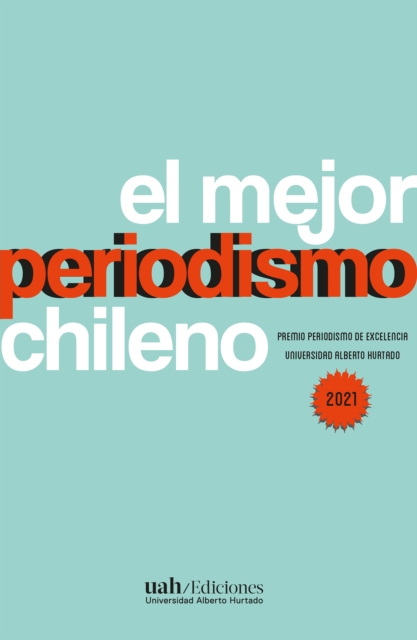
Desde hace 19 años que el Premio Periodismo de Excelencia de la Universidad Alberto Hurtado elige a grandes periodistas, editores, profesores y pensadores de la comunicación para que seleccionen, como prejurados y jurados finalistas, a aquellos trabajos periodísticos que logran ir más allá: los que descubren las causas, las consecuencias, las tendencias, lo que está pasando y lo que muestra el germen de lo que vendrá.
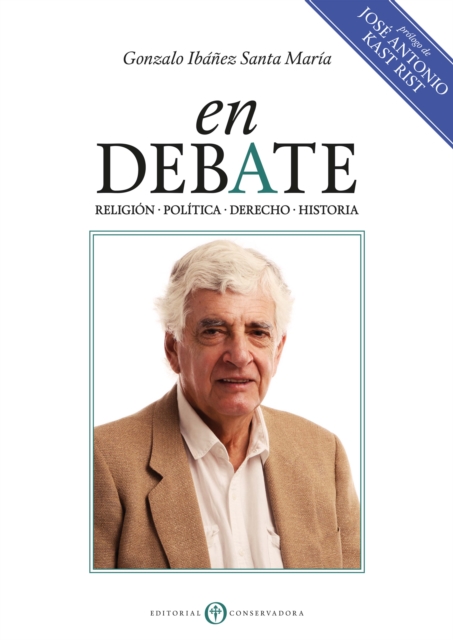
A través de una selección de artículos de todos los tiempos, y desde la perspectiva de la fe católica, el derecho y la historia, Gonzalo Ibáñez aborda los grandes temas del Chile contemporáneo que están "En Debate".
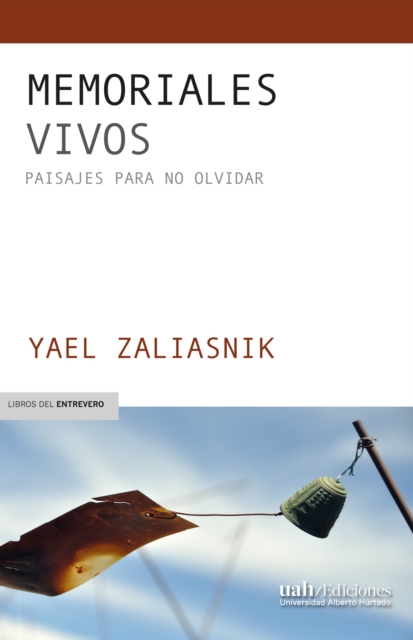
Los memoriales, los espacios y sitios de memoria en Chile ha sido posibles porque grupos y personas los han configurado y les han dado el soporte de sus memorias y de las memorias de muchos, buscando interpelar a todos.