La izquierda latinoamericana, que desde hace algunos años ha incursionado en el debate acerca de la seguridad pública, aún no ha logrado abordar plenamente la cuestión de la reforma policial.
La cuestión indígena en la Argentina es un libro que intenta, por un lado desentrañar cuál fue el destino final de los aborígenes sometidos en el sur del territorio, y por el otro, reflexionar acercas de la actitud asumida por el Estado argentino respecto a la problemática indígena entre 1878 y 1930.
El Grupo de Trabajo CLACSO "Ciudadanía, organizaciones populares y representación" llevó a cabo su primera reunión con el auspicio del Colegio de México en la capital azteca entre el 3 de mayo y el 3 de junio de 2010.
En la última década del siglo XX, algunos países latinoamericanos comenzaron a incorporar enmiendas institucionales destinadas a hacer frente a la crisis de representación política en la región, la cual puso en entredicho el rol del Partido como principal instrumento que mediatiza la relación de los ciudadanos con el poder político.
Este libro aborda el contexto de expansión de la frontera bonaerense a lo largo del siglo XIX, poniendo la atención en el proceso de ocupación del denominado "Nuevo Sur" por la sociedad criolla.
En el anterior volumen la cuestión del tiempo en algunos pensadores clásicos y modernos fue presentada como dificultad o ardid que impide la mutua mediación entre la teoría y la acción, y las consideraciones volcadas en su introducción son plenamente pertinentes en esta segunda reflexión, en la que se vuelve sobre el mismo problema a propósito de algunos pensadores contemporáneos representativos.
A través del análisis de destacados intelectuales, apoyado en un amplio despliegue de imágenes, mapas, gráficos, infografías y cronologías, este Atlas pretende constituir un aporte a la comprensión de un movimiento que se encuentra en el corazón de los dramas nacionales.
Desde su fundación, el Grupo de Investigación en Desarrollo Territorial Paz y Posconflicto (GIDETEPP) ha buscado articular un puente de comunicación permanente entre la academia y la sociedad colombiana.
From one of our finest writers and leading environmental thinkers, a powerful book about how the land we share divides us-and how it could unite usToday, we are at a turning point as we face ecological and political crises that are rooted in conflicts over the land itself.
Tanto para las tradicionales ciudades fundamentales como para las municipalidades emergentes, la diplomacia de las ciudades provee una oportunidad de relación con dignatarios extranjeros y la posibilidad de recibir importantes beneficios.
Este libro reúne trabajos de la unidad de investigación y discusión en torno a la obra temprana de Emmanuel Lévinas, conformada en 2007 y enmarcada en 2009 en el proyecto "Figuras de la subjetividad y la trascendencia en el pensamiento de Emmanuel Lévinas", del Programa de Reconocimiento Institucional de Equipos de Investigación de la facultad de filosofía y Letras, Universidad de Buenos Aires, mayo de 2009 a mayo de 2011, y también, a partir de 201 O, la indagación en torno del problema del liberalismo político en la obra temprana de Emmanuel Lévinas, presentándose dos años después (2012) el proyecto de investigación La cuestión del liberalismo político en los escritos tempranos de Emmanuel Lévinas: reflexiones en torno a la corporalidad, la afectividad y la temporalidad, inscripto también en el mismo Programa, periodo 2012-2014.
How Social Security has shaped American politics-and why it faces insolvencySince its establishment, Social Security has become the financial linchpin of American retirement.
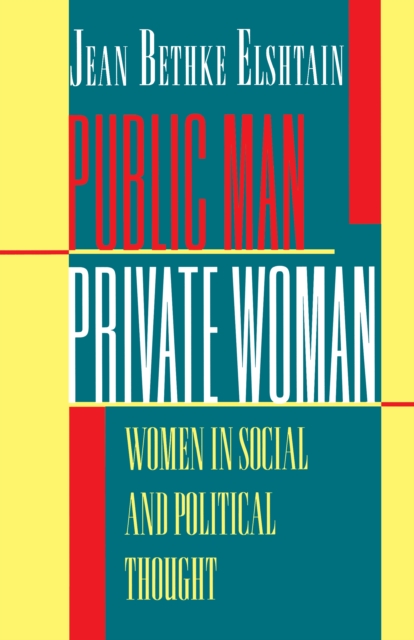
Focusing on the Western philosophical tradition and the work of contemporary feminists, Jean Elshtain explores the general tendency to assert the primacy of the public world-the political sphere dominated by men-and to denigrate the private world-the familial sphere dominated by women.
How Robespierre's career and legacy embody the dangerous contradictions of democracyMaximilien Robespierre (1758-1794) is arguably the most controversial and contradictory figure of the French Revolution, inspiring passionate debate like no other protagonist of those dramatic and violent events.
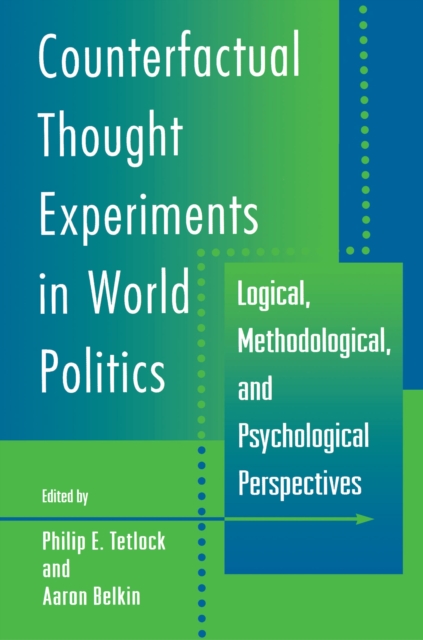
Political scientists often ask themselves what might have been if history had unfolded differently: if Stalin had been ousted as General Party Secretary or if the United States had not dropped the bomb on Japan.
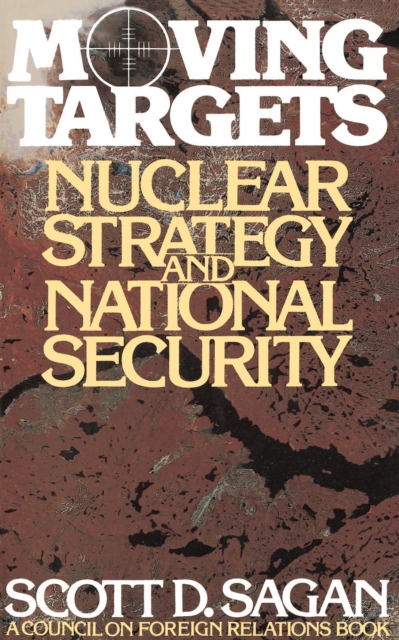
In what Stanley Hoffmann, writing in The New York Review of Books, has called a "e;fine analysis and critique of American targeting policies,"e; Sagan looks more at the operational side of nuclear strategy than previous analysts have done, seeking to bridge the gap between theory and practice.
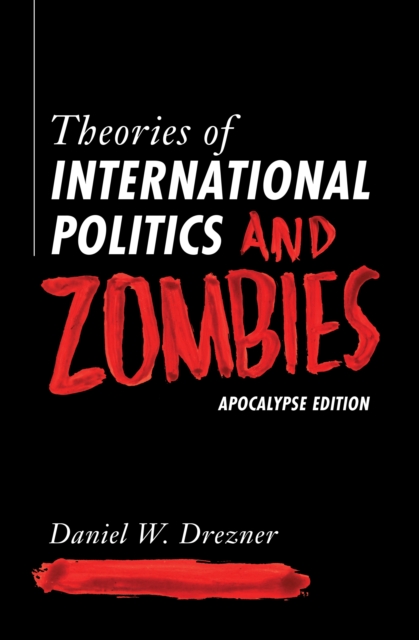
How international relations theory can be applied to a zombie invasionWhat would happen to international politics if the dead rose from the grave and started to eat the living?
A timely defense of liberalism that draws vital lessons from its greatest midcentury proponentsToday, liberalism faces threats from across the political spectrum.
How women preserved the power of the Catholic Church in Mexican political lifeWhat accounts for the enduring power of the Catholic Church, which withstood widespread and sustained anticlerical opposition in Mexico?
Prescient essays about the state of our politics from the philosopher who predicted that a populist demagogue would become president of the United StatesRichard Rorty, one of the most influential intellectuals of recent decades, is perhaps best known today as the philosopher who, almost two decades before the 2016 U.
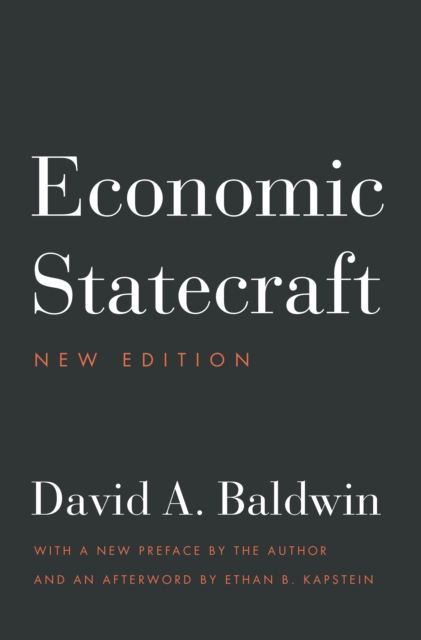
A new edition of the classic work on the economic tools of foreign policyToday's complex and dangerous world demands a complete understanding of all the techniques of statecraft, not just military ones.
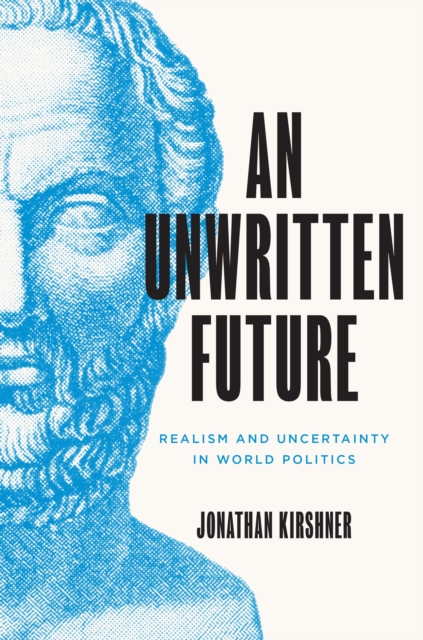
An argument for the classical realist approach to world politics An Unwritten Future offers a fresh reassessment of classical realism, an enduring approach to understanding crucial events in the international political arena.
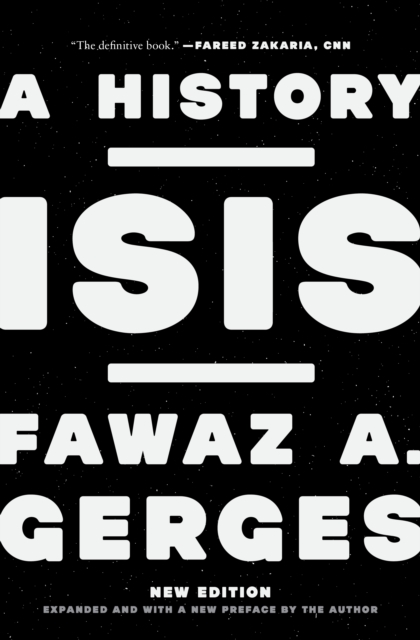
An authoritative introduction to ISIS-now expanded and revised to bring events up to the presentThe Islamic State stunned the world with its savagery, destructiveness, and military and recruiting successes.
A comprehensive account of how the Athenian constitution was created-with lessons for contemporary constitution-buildingWe live in an era of constitution-making.
The present international system, composed for the most part of sovereign, territorial states, is often viewed as the inevitable outcome of historical development.
The acceptance of human rights and minority rights, the increasing role of international financial institutions, and globalization have led many observers to question the continued viability of the sovereign state.
Pradeep Chhibber and Ken Kollman rely on historical data spanning back to the eighteenth century from Canada, Great Britain, India, and the United States to revise our understanding of why a country's party system consists of national or regional parties.
The analysis of how institutions are formed, how they operate and change, and how they influence behavior in society has become a major subject of inquiry in politics, sociology, and economics.
The 1990s saw global flows of foreign direct investment increase some sevenfold, spurring economists to explore FDI from a micro- or trade-based perspective.
Realism, the dominant theory of international relations, particularly regarding security, seems compelling in part because of its claim to embody so much of Western political thought from the ancient Greeks to the present.
The story of modern conservatism through the lives of six leading figuresThe Rise and Fall of Modern American Conservatism tells the gripping story of perhaps the most significant political force of our time through the lives and careers of six leading figures at the heart of the movement.
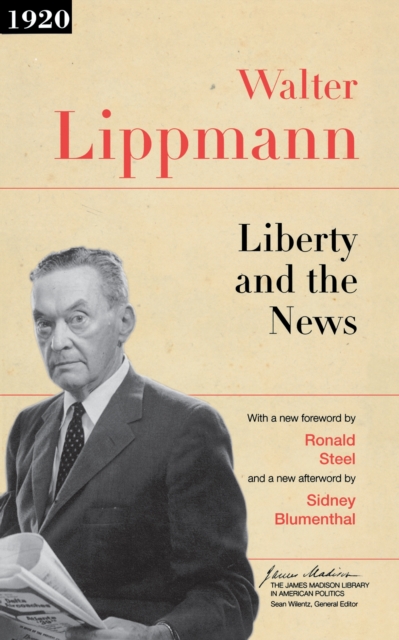
Liberty and the News is Walter Lippman's classic account of how the press threatens democracy whenever it has an agenda other than the free flow of ideas.