Thomas Paine is most famous for writing Common Sense, a pamphlet distributed during the American Revolution advocating for colonial Americas independence from Great Britain.
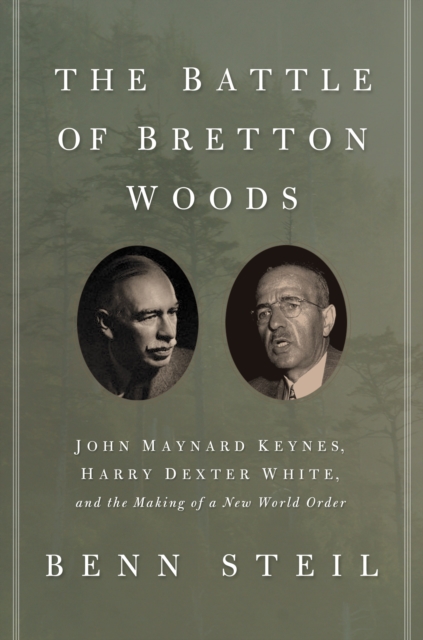
A sweeping history of the drama, intrigue, and rivalry behind the creation of the postwar economic orderWhen turmoil strikes world monetary and financial markets, leaders invariably call for 'a new Bretton Woods' to prevent catastrophic economic disorder and defuse political conflict.
How the great political thinkers have persistently warned against the dangers of economic inequalityEconomic inequality is one of the most daunting challenges of our time, with public debate often turning to questions of whether it is an inevitable outcome of economic systems and what, if anything, can be done about it.
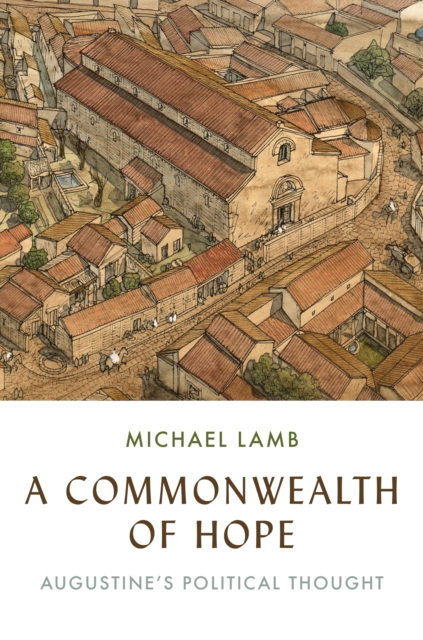
A bold new interpretation of Augustine's virtue of hope and its place in political lifeWhen it comes to politics, Augustine of Hippo is renowned as one of history's great pessimists, with his sights set firmly on the heavenly city rather than the public square.
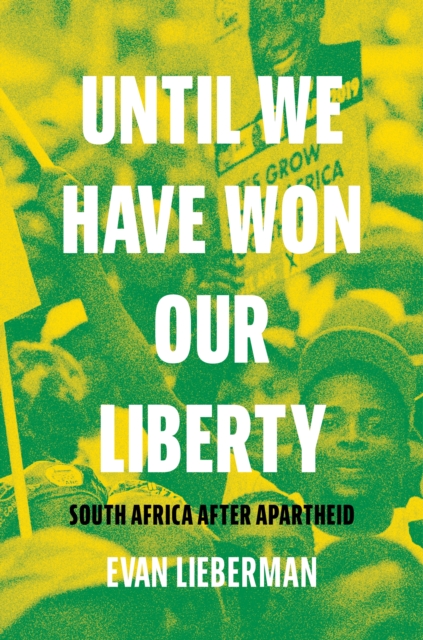
A compelling account of South Africa's post-Apartheid democracyAt a time when many democracies are under strain around the world, Until We Have Won Our Liberty shines new light on the signal achievements of one of the contemporary era's most closely watched transitions away from minority rule.
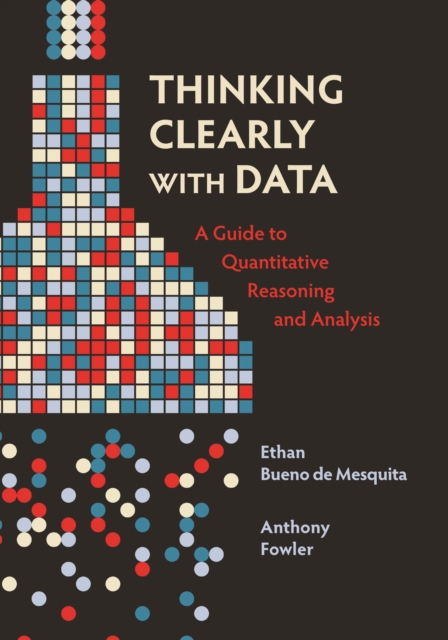
An engaging introduction to data science that emphasizes critical thinking over statistical techniquesAn introduction to data science or statistics shouldn't involve proving complex theorems or memorizing obscure terms and formulas, but that is exactly what most introductory quantitative textbooks emphasize.
'WITTY, HUMANE, LEARNED' NEW YORK TIMESThe New York Times-bestselling author offers a stirring defence of liberalism against the dogmatisms of our timeNot since the early twentieth century has liberalism, and liberals, been under such relentless attack, from both right and left.
This collection contains 59 essays, published at various times between 1597 and 1625, on subjects ranging among state policy, personal conduct and the appreciation of nature.
In this book you will find the following essays by anarchist Emma Goldman * Anarchism: What It Really Stands For * Minorities Versus Majorities * The Psychology of Political Violence * Prisons: A Social Crime and Failure * Patriotism: A Menace to Liberty * Francisco Ferrer and The Modern School * The Hypocrisy of Puritanism * The Traffic in Women * Woman Suffrage * The Tragedy of Woman''s Emancipation * Marriage and Love * The Drama: A Powerful Dissimenator of Radical Thought
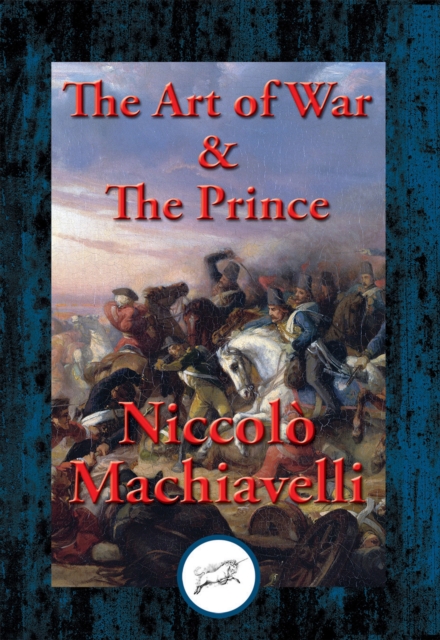
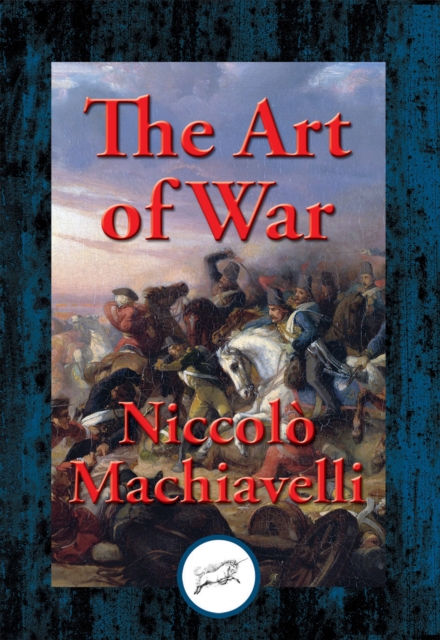
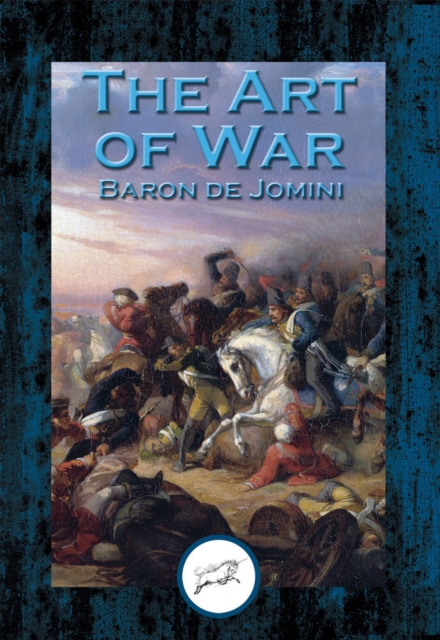
Collected here in this 4-in-1 omnibus are the most important books ever written on the art of war: 'The Art of War' by Sun Tzu; 'On War' by Carl von Clausewitz; 'The Art of War' by Niccolò Machiavelli, and 'The Art of War' by Baron De Jomini.
A Week on the Concord and Merrimack Rivers is both a remembrance of an intensely spiritual moment in Henry David Thoreau''s life and a memoriam to his older brother who accompanied him on the trip shortly before his death.
EVERY STATE is a community of some kind, and every community is established with a view to some good; for mankind always act in order to obtain that which they think good.
The subject of this Essay is not the so-called Liberty of the Will, so unfortunately opposed to the misnamed doctrine of Philosophical Necessity; but Civil, or Social Liberty: the nature and limits of the power which can be legitimately exercised by society over the individual.
Here are six historic essays on the state of race relations during the Reconstruction and early twentieth century, written from the African American point of view.
Thomas Paine is most famous for writing Common Sense, a pamphlet distributed during the American Revolution advocating for colonial Americas independence from Great Britain.
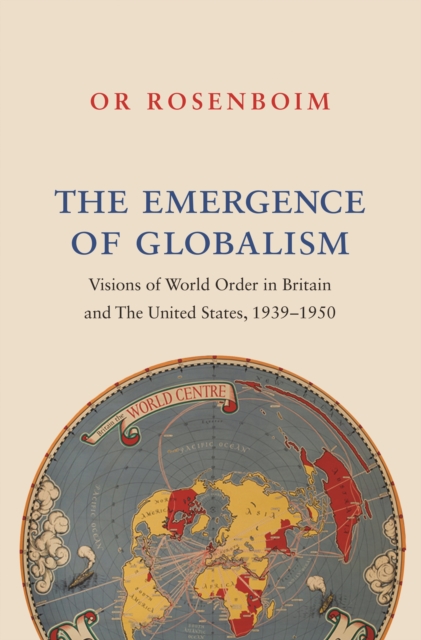
How competing visions of world order in the 1940s gave rise to the modern concept of globalismDuring and after the Second World War, public intellectuals in Britain and the United States grappled with concerns about the future of democracy, the prospects of liberty, and the decline of the imperial system.
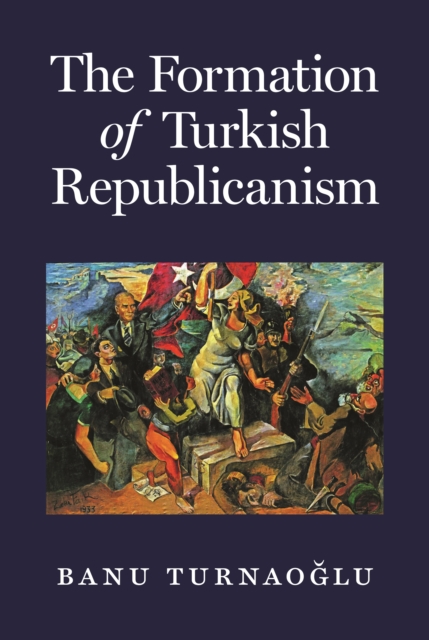
Turkish republicanism is commonly thought to have originated with Mustafa Kemal Ataturk and the founding of modern Turkey in 1923, and understood exclusively in terms of Kemalist ideals, characterized by the principles of secularism, nationalism, statism, and populism.
The pandemic has brought into sharp relief the fundamental relationship between institution and human life: at the very moment when the virus was threatening to destroy life, human beings called upon institutions on governments, on health systems, on new norms of behavior to combat the virus and preserve life.
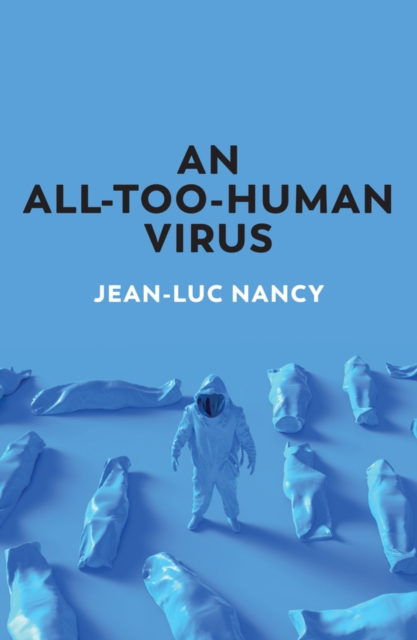
In the past, pandemics were considered divine punishment, but we now understand the biological characteristics of viruses and we know they are spread through social interaction.
After the harrowing experience of the pandemic and lockdown, both states and individuals have been searching for ways to exit the crisis, many hoping to return as soon as possible to the world as it was before the pandemic .
The notion of immigrant integration is used everywhere by politicians, policy makers, journalists and researchers as an all-encompassing framework for rebuilding unity from diversity after large-scale immigration.