'A joy of a book - enriching, illuminating, eclectic and far from a conventional science read' Richard Webb, New Scientist Books of the Year'Carlo Rovelli's imaginative rigour, his lively humour and his beautiful writing are inspiring' Erica WagnerOne of the most inspiring thinkers of our age, the bestselling author of Seven Brief Lessons on Physics transforms the way we think about the world with his reflections on science, history and humanityIn this collection of writings, the logbook of an intelligence always on the move, Carlo Rovelli follows his curiosity and invites us on a voyage through science, history, philosophy and politics.
"e;Kehinde Andrews is a crucial voice walking in a proud tradition of Black radical criticism and action"e; Akala"e;An uncompromising account of the roots of racism today"e; Kimberl Crenshaw "e;This clear-eyed analysis insists upon the revolutionary acts of freedom we will need to break out of these systems of violence"e; Ibram X.
A FINANCIAL TIMES AND TELEGRAPH BOOK OF THE YEAR 2020The acclaimed new book from the celebrated author of The Road to Somewhere'Brilliant, will become a classic' Daily Telegraph'Utterly compelling .
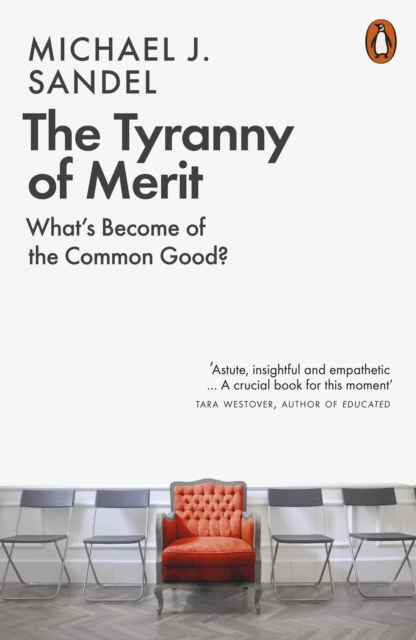
A TLS, GUARDIAN AND NEW STATESMAN BOOK OF THE YEAR 2020The new bestseller from the acclaimed author of Justice and one of the world's most popular philosophers"e;Astute, insightful, and empathetic.
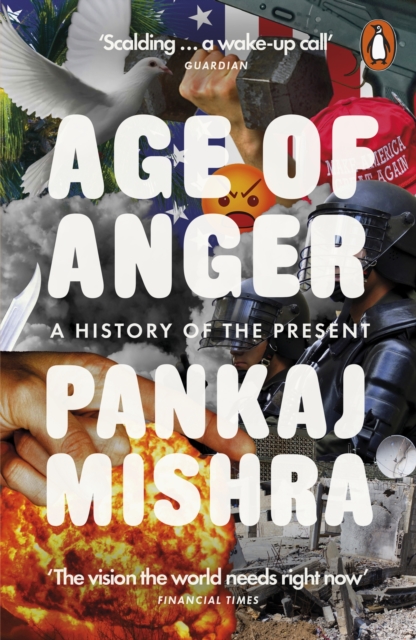
How can we explain the origins of the great wave of paranoid hatreds that seem inescapable in our close-knit world - from American 'shooters' and ISIS to Trump, from a rise in vengeful nationalism across the world to racism and misogyny on social media?
'A riveting and illuminating tour of how nations deal with crises - which might hopefully help humanity as a whole deal with our present global crisis' YUVAL NOAH HARARI, author of SAPIENS ** NEW YORK TIMES BESTSELLER** Author of thelandmark international bestsellers Guns, Germs and Steel and Collapse, Jared Diamond has transformed our understanding of what makes civilizations rise and fall.
The acclaimed account of the English people, now updated with two new chapters'Masterful, an enormously readable narrative of the English people from the Anglo-Saxons to the present' Dominic Sandbrook, Sunday Times, Books of the YearIn The English and their History, the first full-length account to appear in one volume for many decades, Robert Tombs gives us the history of the English people, and of how the stories they have told about themselves have shaped them, from the prehistoric 'dreamtime' through to the present day.
Perhaps the most widely read thinker of all time, Confucius transformed Chinese philosophy with his belief that the greatest goal in life was pursuit of 'The Way': a search for virtue not as a means to rewards in this world or the next, but as the pinnacle of human existence.
'A gripping work, and a gripping translation' Nicholas Lezard, GuardianNiccol Machiavelli's brutally uncompromising manual of statecraft, The Prince is translated and edited with an introduction by Tim Parks in Penguin Classics As a diplomat in turbulent fifteenth-century Florence, Niccol Machiavelli knew how quickly political fortunes could rise and fall.
From historian David Priestland, Merchant, Soldier, Sage is a remarkable book that proposes a radical new approach to how we see our world, and who runs it, in the vein of Francis Fukuyama's The End of HistoryWe live in an age ruled by merchants.
Written at a time when most of Europe supported the French Revolution, Edmund Burke s prescient and, at the time, controversial denunciation of its mob rule predicted the Terror, began the modern conservative tradition and still serves as a warning to those who seek to reshape societies through violence.
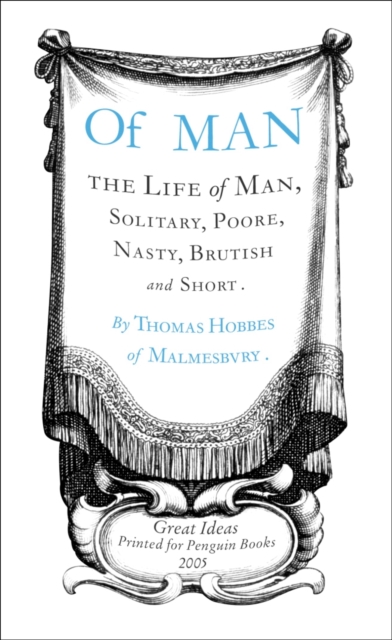
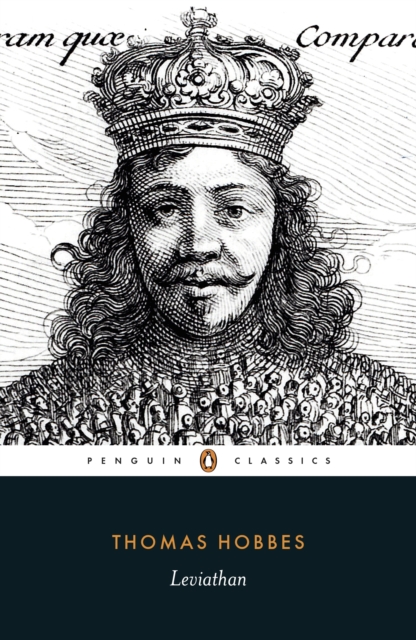
The founding father of modern political philosophy, Thomas Hobbes, living in an era of horrific violence, saw human life as meaningless and cruel; here, he argues the only way to escape this brutality is for all to accept a 'social contract' that acknowledges the greater authority of a Sovereign leader.
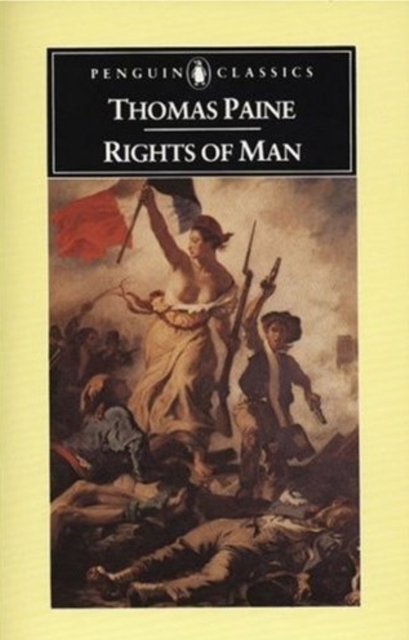
One of the great classics on democracy, Rights of Man was published in England in 1791 as a vindication of the French Revolution and a critique of the British system of government.
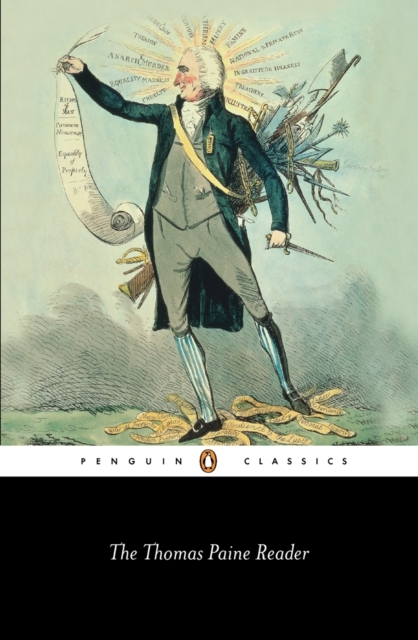
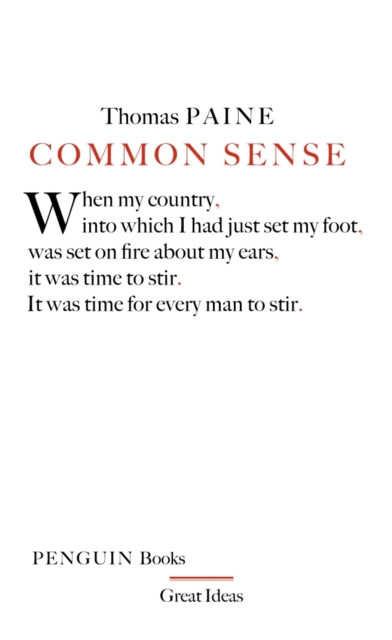
This major collection demonstrates the extent to which Thomas Paine (1737-1809) was an inspiration to the Americans in their struggle for independence, a passionate supporter of the French Revolution and perhaps the outstanding English radical writer of his age.
This ambitious book sets out to reinterpret the history of the twentieth century as a long war in which conditions of outright military confrontation or of frantic "e;cold"e; competition lasted from the outbreak of the first world war until the collapseof the Soviet Union.
Jeremy Paxman knows every maneouvre a politician will make to avoid answering a difficult question, but here he seeks an answer to just one: What makes politicians tick?
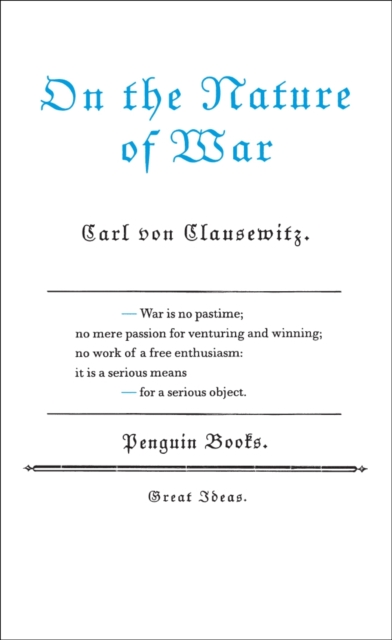
Writing at the time of Napoleon's greatest campaigns, Prussian soldier and writer Carl von Clausewitz created this landmark treatise on the art of warfare, which presented war as part of a coherent system of political thought.
In A Discourse on Inequality Rousseau sets out to demonstrate how the growth of civilization corrupts man s natural happiness and freedom by creating artificial inequalities of wealth, power and social privilege.
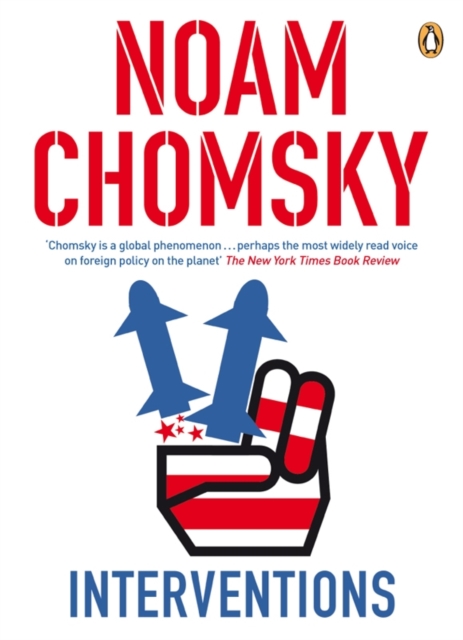
At a time when the United States exacts a greater and greater power over the rest of the world, America's leading voice of dissent needs to be heard more than ever.
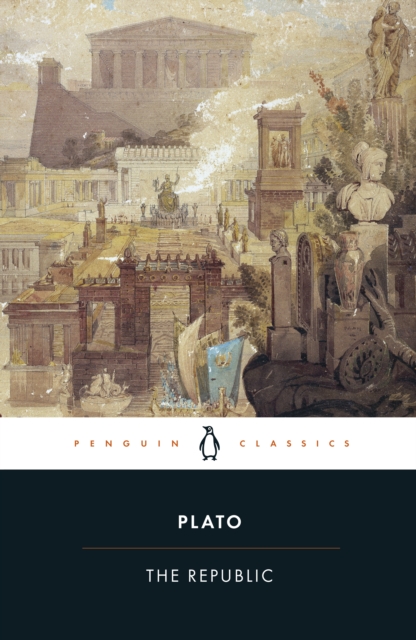
The classic translation of the cornerstone work of western philosophyPlato's Republic is widely acknowledged as one of the most influential works in the history of philosophy.
Including Animal Farm'Orwell is the most influential political writer of the twentieth century' New York Review of BooksThroughout his life George Orwell aimed, in his words, to make 'political writing into an art'.
Probably written by a student of Aristotle, The Athenian Constitution is both a history and an analysis of Athens' political machinery between the seventh and fourth centuries BC, which stands as a model of democracy at a time when city-states lived under differing kinds of government.
The "e;forgotten"e; second volume of Capital, Marx's world-shaking analysis of economics, politics, and history, contains the vital discussion of commodity, the cornerstone to Marx's theories.
The world may be more riven by murderous violence than ever before, yet Nobel Laureate Amartya Sen argues in this sweeping philosophical work that its brutalities are driven as much by confusion as by inescapable hatred.
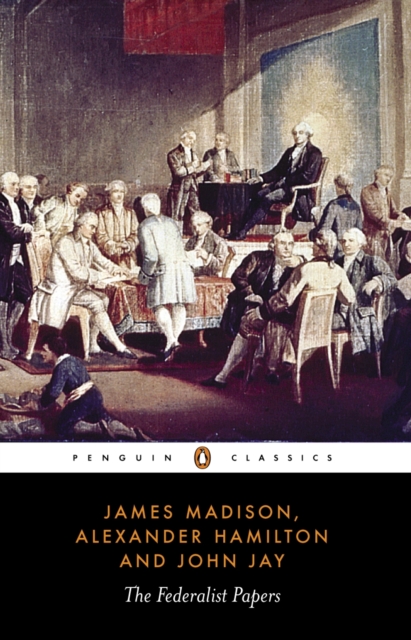
Written at a time when furious arguments were raging about the best way to govern America, The Federalist Papers had the immediate pratical aim of persuading New Yorkers to accept the newly drafted Constitution in 1787.
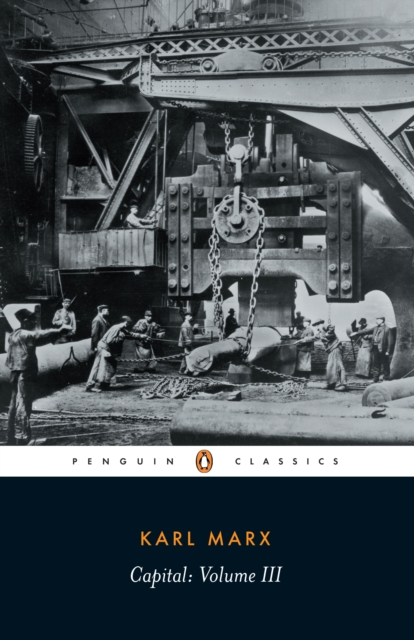
Unfinished at the time of Marx's death in 1883 and first published with a preface by Frederick Engels in 1894, the third volume of Das Kapital strove to combine the theories and concepts of the two previous volumes in order to prove conclusively that capitalism is inherently unworkable as a permanent system for society.
What changes in China's modern military policy reveal about military organizations and strategySince the 1949 Communist Revolution, China has devised nine different military strategies, which the People's Liberation Army (PLA) calls "e;strategic guidelines.
'The life of man, solitary, poore, nasty, brutish, and short' Written during the chaos of the English Civil War, Thomas Hobbes' Leviathan asks how, in a world of violence and horror, can we stop ourselves from descending into anarchy?