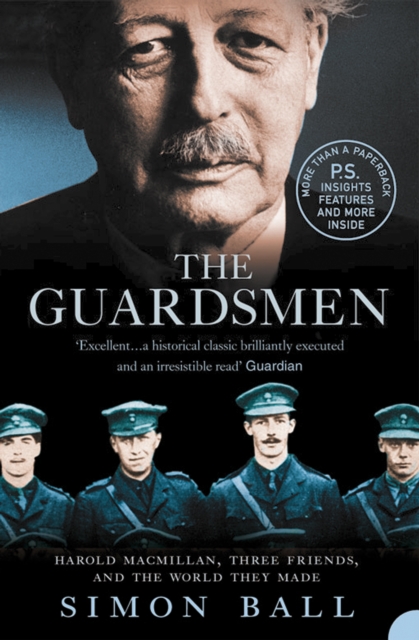
From the playing fields of Eton via the horrors of the Western Front to the pinnacle of political power in 20th-century Britain - a brilliant collective biography of Harold Macmillan, Lord Salisbury, Oliver Lyttleton and Harry Crookshank.
En las primeras décadas del siglo XXI se han producido tal cantidad de crisis, cambios y convulsiones en nuestra vida social y política que apenas queda en pie alguna de las certezas y de los pronósticos que, sobre el porvenir de la democracia, el Estado o la globalización, sosteníamos hasta entonces.
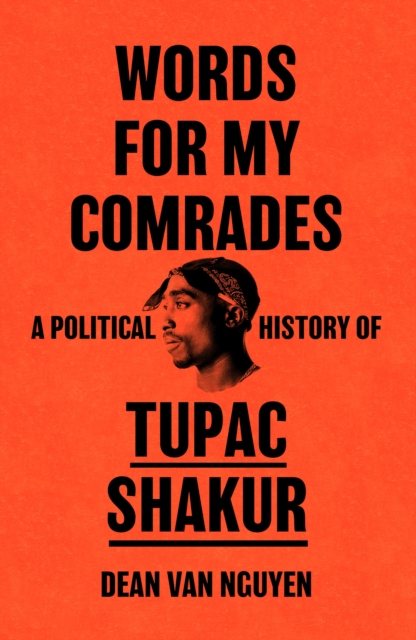
'Words for My Comrades ambitiously sets out to transcend the standard pop star biography, carefully knotting the evolution of hip-hop into a sweeping account of 20th-century radical US politics' - Victoria Segal, THE TIMESBefore his murder at twenty-five, Tupac Shakur rose to staggering artistic heights as the pre-eminent storyteller of the 90s, building, in the process, one of the most iconic public personas of the last half century.
En América Latina, las calles y las redes son caja de resonancia de un descontento social generalizado y de un creciente cuestionamiento a la democracia: protestas callejeras y paros contra medidas gubernamentales; manifestaciones a favor o en contra de presidentes, congresos y tribunales; encendidas campañas pro- y antiderechos.
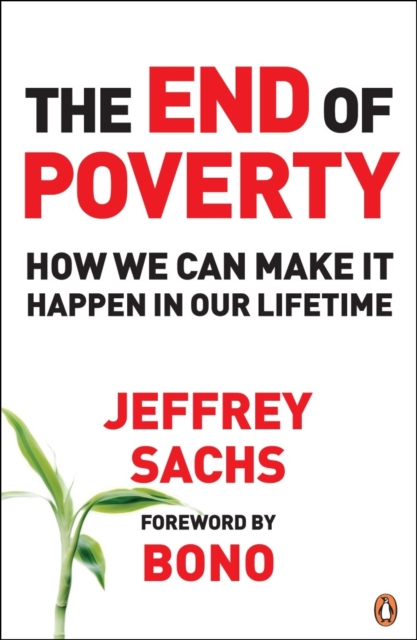
Jeffrey Sachs draws on his remarkable 25 years' experience to offer a thrilling and inspiring vision of the keys to economic success in the world today.
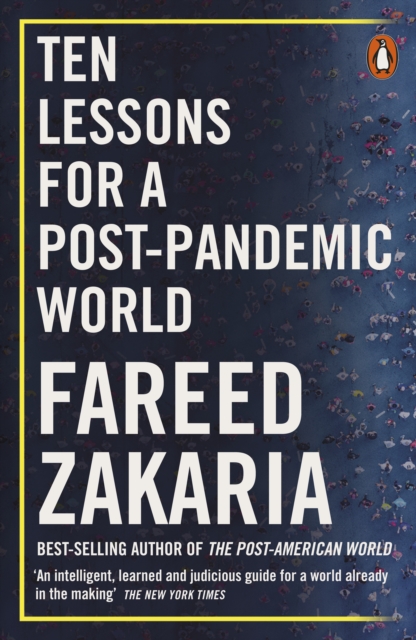
From the international bestselling author of The Post-American World 'An intelligent, learned and judicious guide for a world already in the making' The New York TimesSince the end of the Cold War, the world has been shaken to its core three times.
Political strategies for tackling climate change and other ';long problems' that span generationsClimate change and its consequences unfold over many generations.
'This acutely argued book will engender a thousand conversations' Cynthia OzickThe prescient New York Times writer delivers an urgent wake-up call exposing the alarming rise of anti-semitism -- and explains what we can do to defeat itOn 27 October 2018 Bari Weiss's childhood synagogue in Pittsburgh became the site of the deadliest attack on Jews in American history.
A FINANCIAL TIMES, ECONOMIST AND NEW STATESMAN BOOK OF THE YEAR 2020'The most important non-fiction book of the year' David HareIn the years just before and after the fall of the Berlin Wall, people from across the political spectrum in Europe and America celebrated a great achievement, felt a common purpose and, very often, forged personal friendships.
'To create today means to create dangerously'This new collection contains some of Camus' most brilliant political writing as he reflects on moral responsibility and the role of the artist in the world.
'One has often wondered whether upon the whole earth there is anything so unintelligent, so unapt to perceive how the world is really going, as an ordinary young Englishman of our upper class' Poet, education reformer, social theorist and passionate critic of Victorian England, Matthew Arnold condemned an industrial society in 'bondage to machinery' and argued instead that the wonder and joy of culture - in particular the 'sweetness and light' of classical civilization - were essential to human life.
'Will set your hair on end' Telegraph, Top 50 Books of the Year'I forgot to breathe while reading The Fifth Risk' Michael Hofmann, TLS, Books of the YearThe bestselling, no-holds-barred expos of the people who are wrecking our democracy, by the master storyteller of our times 'The election happened .
A landmark book that completely transforms our understanding of the crisis of liberalism, from two pre-eminent intellectualsWhy did the West, after winning the Cold War, lose its political balance?
'The general uncertainty as to what is really happening makes it easier to cling to lunatic beliefs'Biting and timeless reflections on patriotism, prejudice and power, from the man who wrote about his nation better than anyone.
In this original and timely book, Bruno Ma es argues that the best word for the emerging global order is 'Eurasian', and shows why we need to begin thinking on a super-continental scale.
'Betts and Collier offer innovative insights into how to more effectively meet this challenge, with an important new focus on international solidarity and refugee empowerment' Kofi Annan'Refugees and policy makers need practical answers to what is now a global crisis.
An exploration of the ways that shifting relations between materiality and language bring about different forms of politics in TehranIn Revolution of Things, Kusha Sefat traces a dynamism between materiality and language that sheds light on how the merger of the two permeates politics.
Henry Kissinger analyses how six extraordinary leaders he has known have shaped their countries and the world'Leaders,' writes Henry Kissinger in this compelling book, 'think and act at the intersection of two axes: the first, between the past and the future; the second between the abiding values and aspirations of those they lead.
RADIO 4 BOOK OF THE WEEK Economic thinking - about globalisation, climate change, immigration, austerity, automation and much more - in its most digestible formFor decades, a single free market philosophy has dominated global economics.
'This is a book for the future: it gives us exactly the tools we need to dismantle racial injustice in our society' Baroness Doreen Lawrence 'A powerful, salient and gracefully written study of the corrosive dynamics of race in Britain from a trusted voice on the subject.
An intellectual tour de force: the major essays of the esteemed author of international bestseller The Sleepwalkers Christopher Clark's The Sleepwalkers has become one of the most influential history books of our century: a remarkable rethinking of the origins of the First World War, which has had a huge impact on how we see both the past and the present.
'Everywhere you will find that the wealth of the wealthy springs from the poverty of the poor'Fuelled by anger at injustice and optimism about humankind's ability to make a better, truly communal society, the anarchist writings of Peter Kropotkin have influenced radicals the world over, from nineteenth-century workers to today's activists.
A GUARDIAN, NEW STATESMAN AND SPECTATOR BOOK OF THE YEAR 'A whodunnit political page-turner' Melissa Benn, New Statesman 'The best political book I have read for a long while' Rod Liddle, The Spectator From the No.
'A splendid critique' James O'Brien, Times Literary Supplement'Richly nuanced, the most stimulating book I have read on Labour in ages' Martin Kettle, Guardian'A brilliant book .
A timely history of the interplay between politics and military operations, 'Command is the history of our time' (Guardian)Military command has been reconstructed and revolutionized since the Second World War by nuclear warfare, small-scale guerrilla land operations and cyber interference.
Two of the UK's leading economists call for an end to extreme individualism as the engine of prosperity 'provocative but thought-provoking and nuanced' TelegraphThroughout history, successful societies have created institutions which channel both competition and co-operation to achieve complex goals of general benefit.
CHOSEN AS A BOOK OF THE YEAR BY NEW STATESMAN AND BBC HISTORY MAGAZINE'In this searing book, Priya Satia demonstrates, yet again, that she is one of our most brilliant and original historians' Sunil Amrith, author of Unruly WatersFor generations, the history of the British empire was written by its victors.