Pradeep Chhibber and Ken Kollman rely on historical data spanning back to the eighteenth century from Canada, Great Britain, India, and the United States to revise our understanding of why a country's party system consists of national or regional parties.
The most widely debated conception of democracy in recent years is deliberative democracy--the idea that citizens or their representatives owe each other mutually acceptable reasons for the laws they enact.
Covenants without Swords examines an enduring tension within liberal theory: that between many liberals' professed commitment to universal equality on the one hand, and their historic support for the politics of hierarchy and empire on the other.
Adam Smith was a philosopher before he ever wrote about economics, yet until now there has never been a philosophical commentary on the Wealth of Nations.
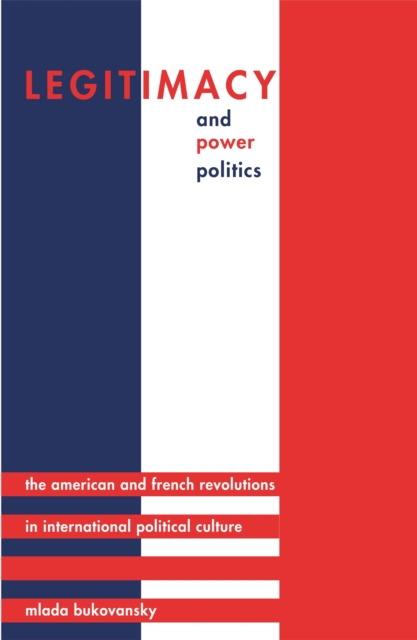
This book examines the causes and consequences of a major transformation in both domestic and international politics: the shift from dynastically legitimated monarchical sovereignty to popularly legitimated national sovereignty.
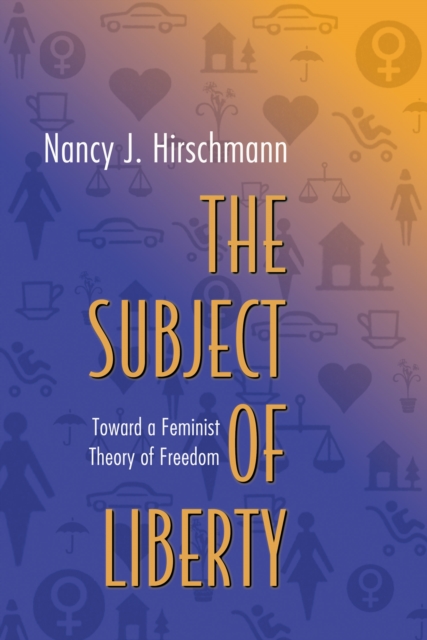
This book reconsiders the dominant Western understandings of freedom through the lens of women's real-life experiences of domestic violence, welfare, and Islamic veiling.
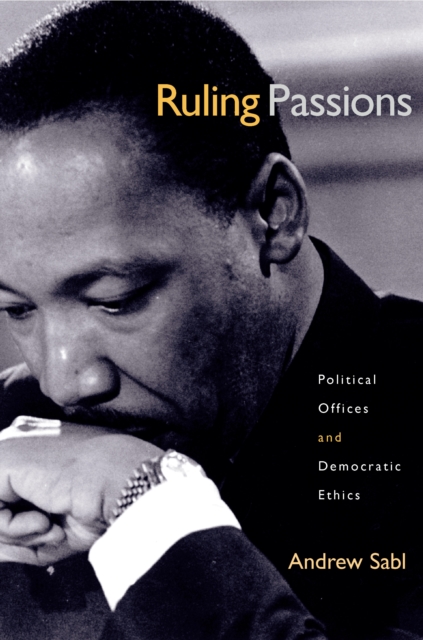
The American political reformer Herbert Croly wrote, "e;For better or worse, democracy cannot be disentangled from an aspiration toward human perfectibility.
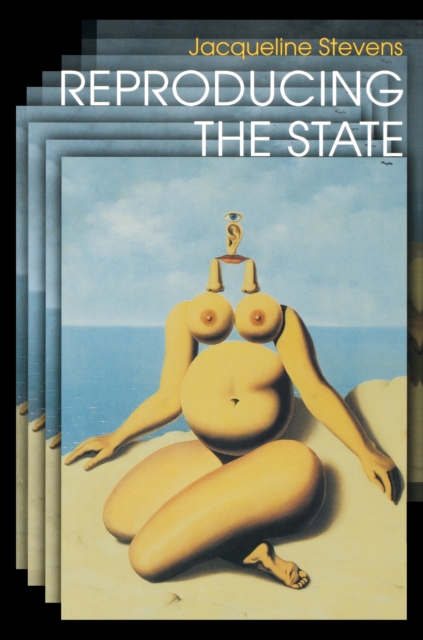
Using as his example post-World War I Italy and the government's interest in the size, growth rate, and "e;vitality"e; of its national population, David Horn suggests a genealogy for our present understanding of procreation as a site for technological intervention and political contestation.
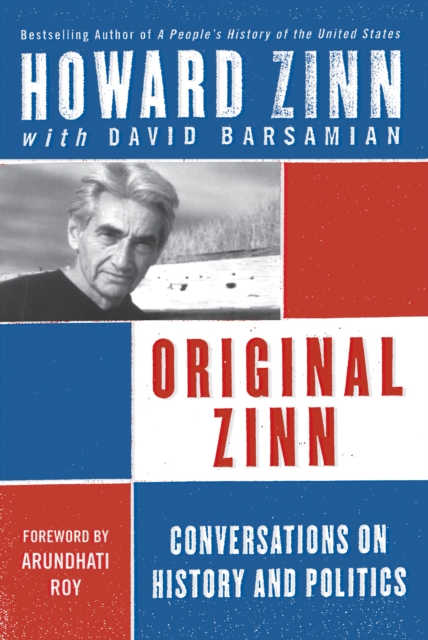
The acclaimed historian and author of the classic A Peoples History of the United States offers a deeply personal look at the events, issues, and people that matter to us allBased on Howard Zinn's interviews on public radio with host David Barsamian, Original Zinn brings into focus a wide range of foreign policy and domestic issues central to our lives today and showcases Zinn at his most engaging and provocative.
I've come to the conclusion that roughly 50 percent of the adults in this country are simply too ignorant and functionally incompetent to be living in a free society.
SUNDAY TIMES NUMBER ONE BESTSELLER'The most important book of the year' Daily MailThe brilliant and provocative new book from one of the world's foremost political writers'The anti-Western revisionists have been out in force in recent years.
Shortlisted for the PEN Hessell-Tiltman Prize 2022Longlisted for the 2021 National Book Award for NonfictionThe Cold War was not just a contest of power.
Nobel Laureate Joseph Stiglitz explains why we are experiencing such destructively high levels of inequality - and why this is not inevitable The top 1 percent have the best houses, the best educations, the best doctors, and the best lifestyles, but there is one thing that money doesn't seem to have bought: an understanding that their fate is bound up with how the other 99 percent live.
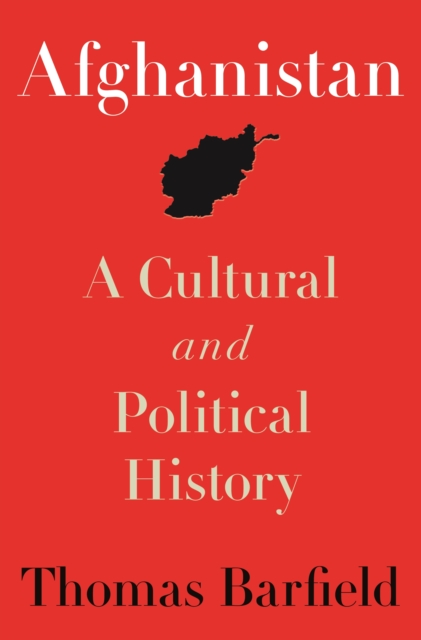
A major history of Afghanistan and its changing political cultureAfghanistan traces the historic struggles and the changing nature of political authority in this volatile region of the world, from the Mughal Empire in the sixteenth century to the Taliban resurgence today.
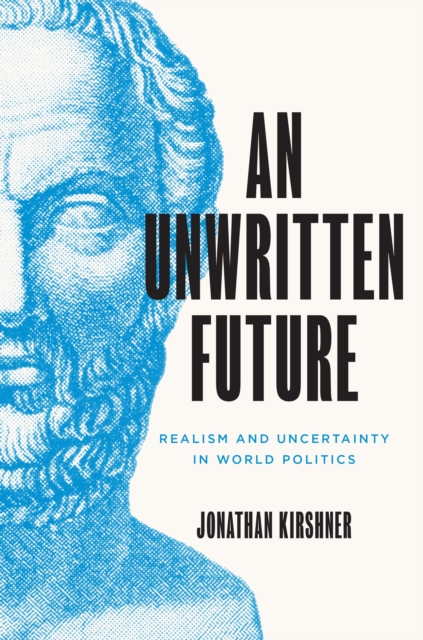
An argument for the classical realist approach to world politics An Unwritten Future offers a fresh reassessment of classical realism, an enduring approach to understanding crucial events in the international political arena.
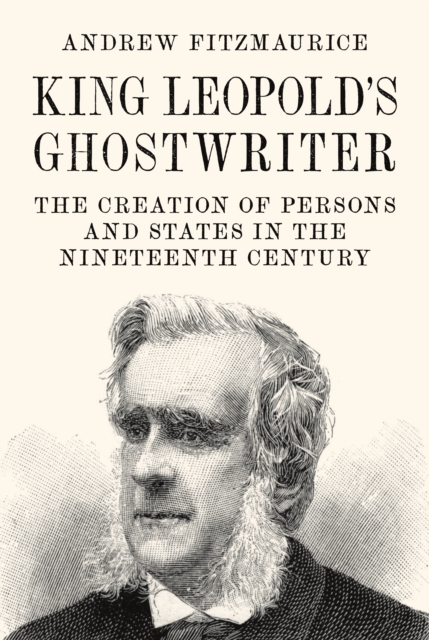
A dramatic intellectual biography of Victorian jurist Travers Twiss, who provided the legal justification for the creation of the brutal Congo Free StateEminent jurist, Oxford professor, advocate to the Archbishop of Canterbury, Travers Twiss (18091897) was a model establishment figure in Victorian Britain, and a close collaborator of Prince Metternich, the architect of the Concert of Europe.
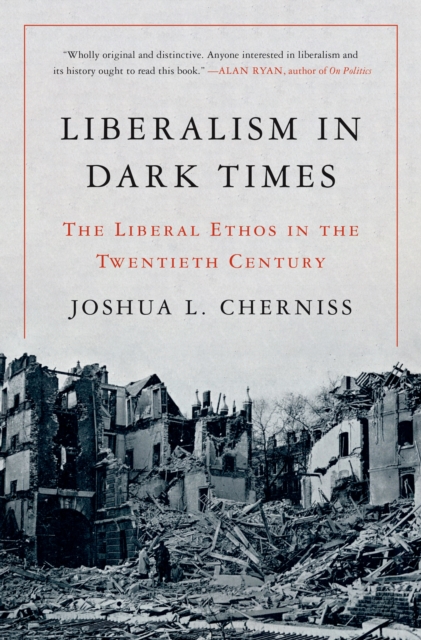
A timely defense of liberalism that draws vital lessons from its greatest midcentury proponentsToday, liberalism faces threats from across the political spectrum.
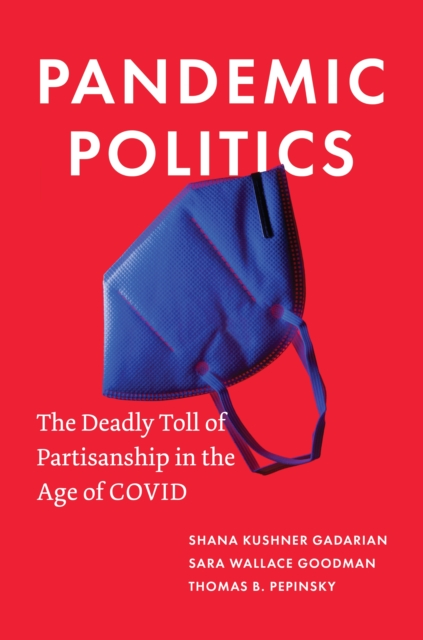
How the politicization of the pandemic endangers our lives-and our democracyCOVID-19 has killed more people than any war or public health crisis in American history, but the scale and grim human toll of the pandemic were not inevitable.
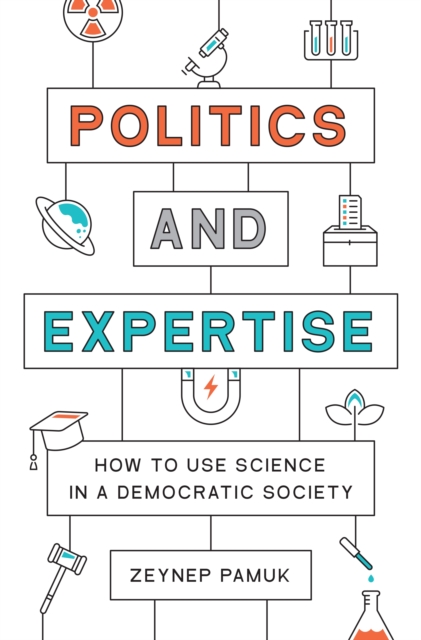
A new model for the relationship between science and democracy that spans policymaking, the funding and conduct of research, and our approach to new technologiesOur ability to act on some of the most pressing issues of our time, from pandemics and climate change to artificial intelligence and nuclear weapons, depends on knowledge provided by scientists and other experts.
A groundbreaking history of the political ideas that made modern IndiaViolent Fraternity is a major history of the political thought that laid the foundations of modern India.
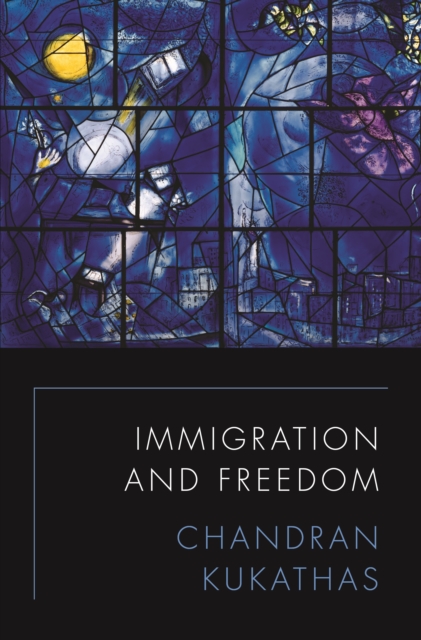
A compelling account of the threat immigration control poses to the citizens of free societies Immigration is often seen as a danger to western liberal democracies because it threatens to undermine their fundamental values, most notably freedom and national self-determination.
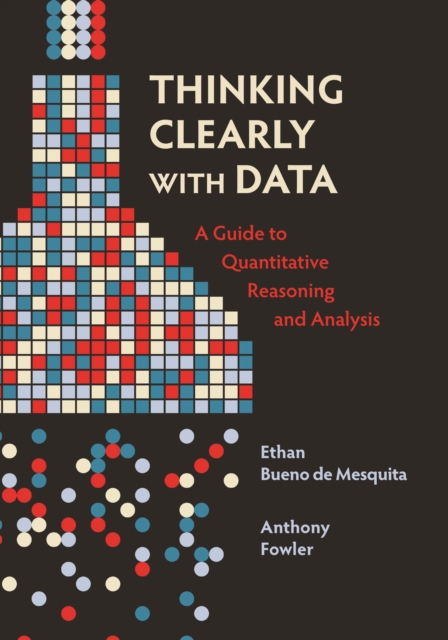
An engaging introduction to data science that emphasizes critical thinking over statistical techniquesAn introduction to data science or statistics shouldn't involve proving complex theorems or memorizing obscure terms and formulas, but that is exactly what most introductory quantitative textbooks emphasize.
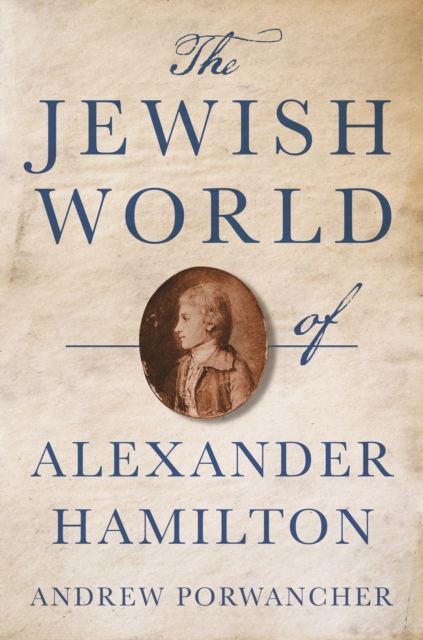
The untold story of the founding father's likely Jewish birth and upbringing-and its revolutionary consequences for understanding him and the nation he fought to create In The Jewish World of Alexander Hamilton, Andrew Porwancher debunks a string of myths about the origins of this founding father to arrive at a startling conclusion: Hamilton, in all likelihood, was born and raised Jewish.
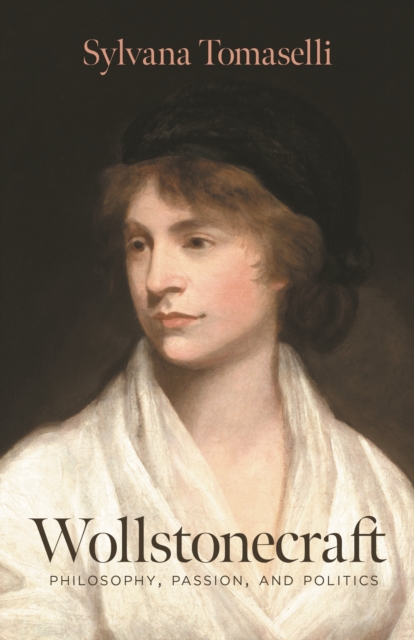
A compelling portrait of Mary Wollstonecraft that shows the intimate connections between her life and workMary Wollstonecraft's A Vindication of the Rights of Woman, first published in 1792, is a work of enduring relevance in women's rights advocacy.
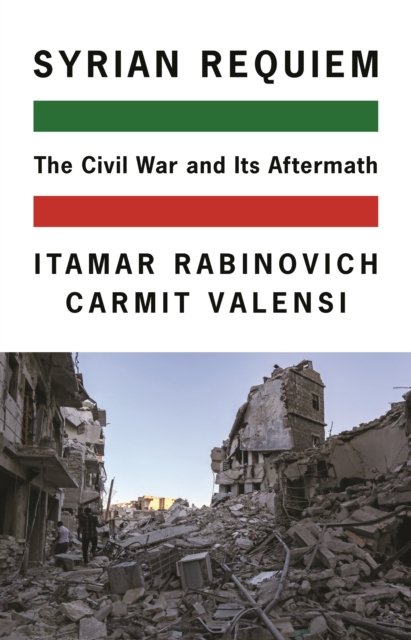
A compact, incisive history of a war that was an ominous prelude to Russia's invasion of UkraineLeaving almost half a million dead and displacing an estimated twelve million people, the Syrian Civil War is a humanitarian catastrophe of unimaginable scale.
Why government outsourcing of public powers is making us less freeMany governmental functions today-from the management of prisons and welfare offices to warfare and financial regulation-are outsourced to private entities.
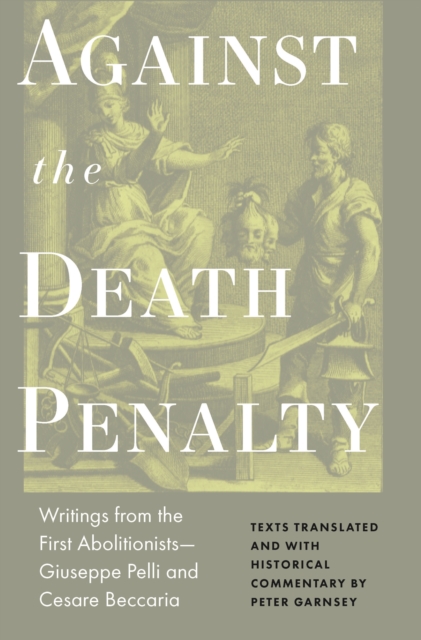
The first known abolitionist critique of the death penalty-here for the first time in EnglishIn 1764, a Milanese aristocrat named Cesare Beccaria created a sensation when he published On Crimes and Punishments.
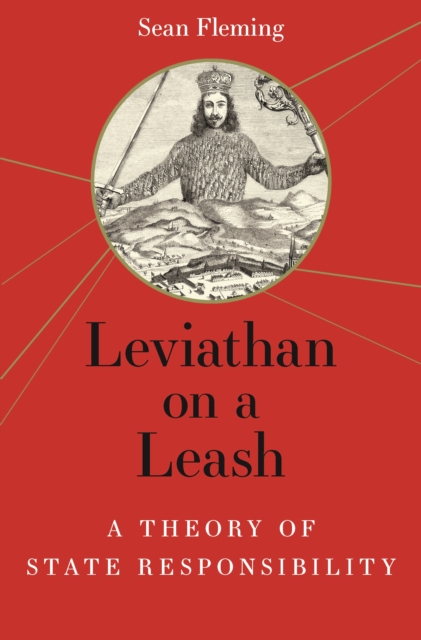
New perspectives on the role of collective responsibility in modern politicsStates are commonly blamed for wars, called on to apologize, held liable for debts and reparations, bound by treaties, and punished with sanctions.
A bold new approach to combatting the inherent corruption of representative democracyThis provocative book reveals how the majority of modern liberal democracies have become increasingly oligarchic, suffering from a form of structural political decay first conceptualized by ancient philosophers.
How transatlantic thinkers in the late nineteenth and early twentieth centuries promoted the unification of Britain and the United StatesBetween the late nineteenth century and the First World War an ocean-spanning network of prominent individuals advocated the unification of Britain and the United States.
A fresh and sharp-eyed history of political conservatism from its nineteenth-century origins to today's hard RightFor two hundred years, conservatism has defied its reputation as a backward-looking creed by confronting and adapting to liberal modernity.
How the history of racism without visible differences between people challenges our understanding of the history of racial thinkingRacial divisions have returned to the forefront of politics in the United States and European societies, making it more important than ever to understand race and racism.
A fully revised edition of the classic reference on concepts and their role in social science researchSocial Science Concepts and Measurement offers an updated look at the theory and methodology of concepts for the social sciences.
The little-known history of public school teachers across the Arab worldand how they wielded an unlikely influence over the modern Middle EastToday, it is hard to imagine a time and place when public school teachers were considered among the elite strata of society.
How the executive branch-not the president alone-formulates executive orders, and how this process constrains the chief executive's ability to act unilaterallyThe president of the United States is commonly thought to wield extraordinary personal power through the issuance of executive orders.
How the NRA became a political juggernaut by influencing the behaviors and beliefs of everyday AmericansThe National Rifle Association is one of the most powerful interest groups in America, and has consistently managed to defeat or weaken proposed gun regulations-even despite widespread public support for stricter laws and the prevalence of mass shootings and gun-related deaths.
A new theoretical framework for understanding how social, economic, and political conflicts influence international institutions and their place in the global order Today's liberal international institutional order is being challenged by the rising power of illiberal states and by domestic political changes inside liberal states.