From acclaimed political scientist Diana Mutz, a revealing look at why people's attitudes on trade differ from their own self-interestWinners and Losers challenges conventional wisdom about how American citizens form opinions on international trade.
An authoritative collection of the most important writings of an influential political thinkerSheldon Wolin was one of the most influential and original political thinkers of the past fifty years.
On the fortieth anniversary of the Camp David Accords, a groundbreaking new history that shows how Egyptian-Israeli peace ensured lasting Palestinian statelessnessFor seventy years Israel has existed as a state, and for forty years it has honored a peace treaty with Egypt that is widely viewed as a triumph of U.
Until recently, popular biographers and most scholars viewed Alexander the Great as a genius with a plan, a romantic figure pursuing his vision of a united world.
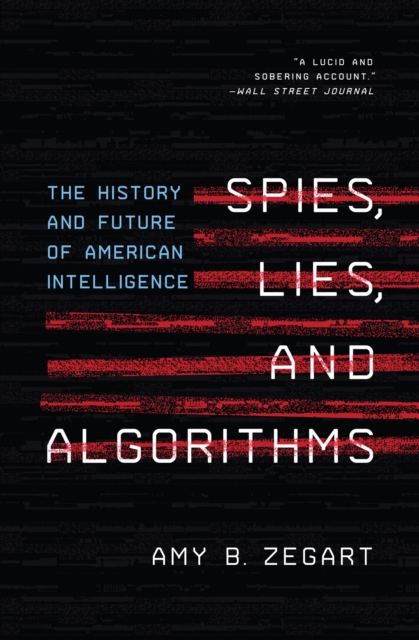
A riveting account of espionage for the digital age, from one of America's leading intelligence expertsSpying has never been more ubiquitous-or less understood.
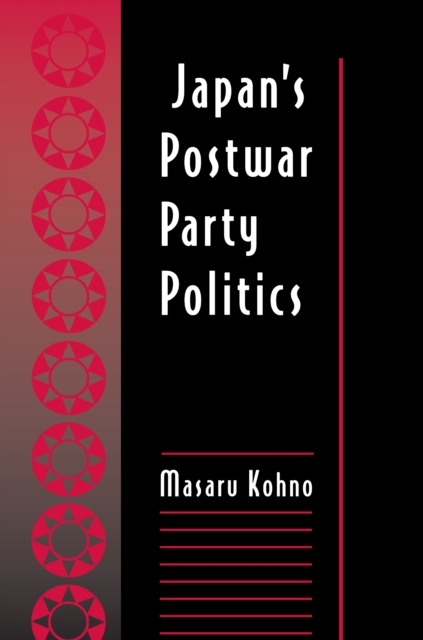
In this sophisticated theoretical work, Masaru Kohno presents a systematic reexamination of the evolution of party politics in Japan since the end of the second World War.
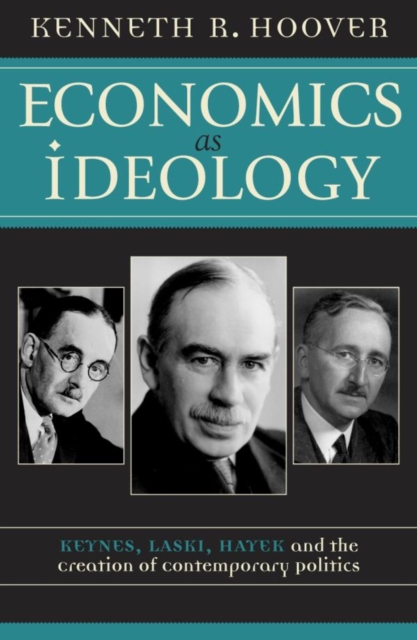
Economics as Ideology: Keynes, Laski, Hayek and the Creation of Contemporary Politics explores the lives and thought of three powerful theorists who shaped the foundations of the center, left, and right of the political spectrum in the 20th century.
Although Lester Frank Ward's accomplishments are not as well known today, he is considered the father of American Sociology and his work profoundly influenced such important thinkers as Thorstein Veblen, John Dewey, Edward Ross, and Charlotte Perkins Gilman.
Whether intellectuals are counter-cultural escapists corrupting the young or secular prophets leading us to prosperity, they are a fixture of modern political life.
1919 saw the publication of two major polemical works: The Economic Consequences of the Peace by John Maynard Keynes and Democratic Ideals and Reality by Halford J.
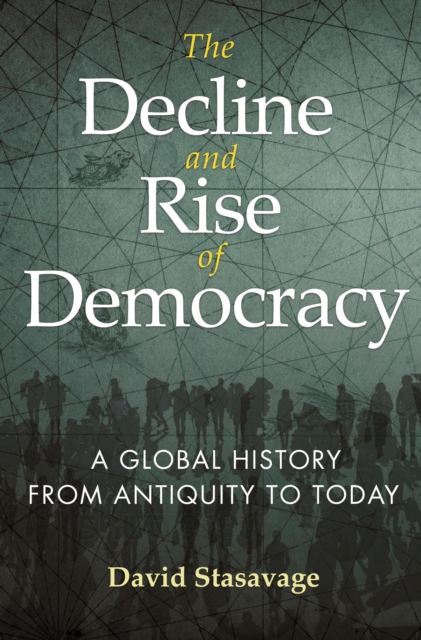
Democracy establishes relationships of political equality, ones in which citizens equally share authority over what they do together and respect one another as equals.
Until recently, popular biographers and most scholars viewed Alexander the Great as a genius with a plan, a romantic figure pursuing his vision of a united world.
In the ancient Greece of Pericles and Plato, the polis, or city-state, reigned supreme, but by the time of Alexander, nearly half of the mainland Greek city-states had surrendered part of their autonomy to join the larger political entities called koina.
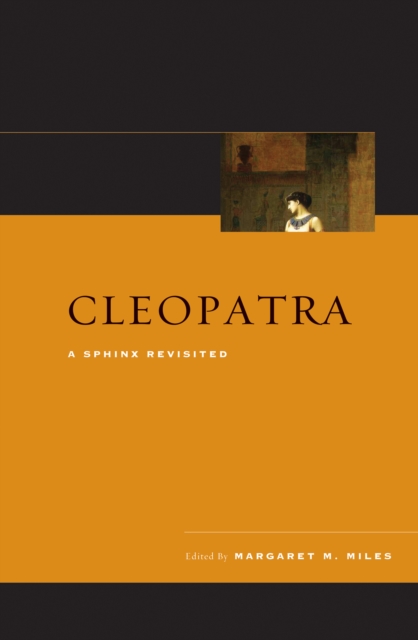
Cleopatra-a brave, astute, and charming woman who spoke many languages, entertained lavishly, hunted, went into battle, eliminated siblings to consolidate her power, and held off the threat of Imperial Rome to protect her country as long as she could-continues to fascinate centuries after she ruled Egypt.
Civic Rites explores the religious origins of Western democracy by examining the government of fifth-century BCE Athens in the larger context of ancient Greece and the eastern Mediterranean.
Scholars have long recognized the relevance to Christianity of the many stories surrounding the life of Alexander the Great, who claimed to be the son of Zeus.
The ancient Romans changed more than the map of the world when they conquered so much of it; they altered the way historical time itself is marked and understood.
This ground-breaking study is the first to employ modern international relations theory to place Roman militarism and expansion of power within the broader Mediterranean context of interstate anarchy.
Why government outsourcing of public powers is making us less freeMany governmental functions today-from the management of prisons and welfare offices to warfare and financial regulation-are outsourced to private entities.
A fresh and sharp-eyed history of political conservatism from its nineteenth-century origins to today's hard RightFor two hundred years, conservatism has defied its reputation as a backward-looking creed by confronting and adapting to liberal modernity.
Why American founding father John Adams feared the political power of the rich-and how his ideas illuminate today's debates about inequality and its consequencesLong before the "e;one percent"e; became a protest slogan, American founding father John Adams feared the power of a class he called simply "e;the few"e;-the wellborn, the beautiful, and especially the rich.
Written by a team of international experts, drawn from various traditions of political theology, this outstanding resource brings together 35 newly-commissioned essays in the field.
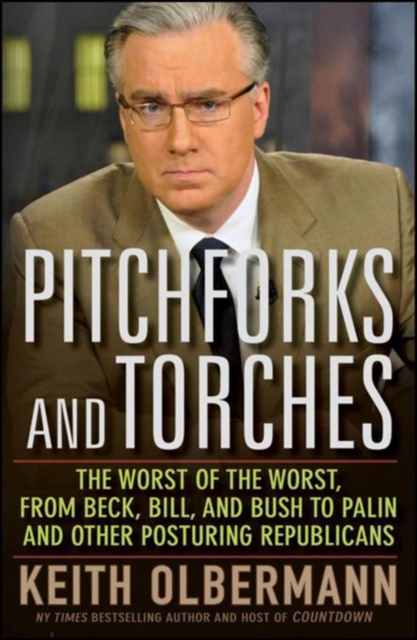
An irresistible new collection from the New York Times bestselling author and host of MSNBC's Countdown with Keith OlbermannIn his particular wit and style, Keith Olbermann skewers politicians, celebrities, and people behaving badly every weeknight on MSNBC's increasingly popular Countdown with Keith Olbermann.
An irresistible new collection from the New York Times bestselling author and host of MSNBC's Countdown with Keith OlbermannIn his particular wit and style, Keith Olbermann skewers politicians, celebrities, and people behaving badly every weeknight on MSNBC's increasingly popular Countdown with Keith Olbermann.
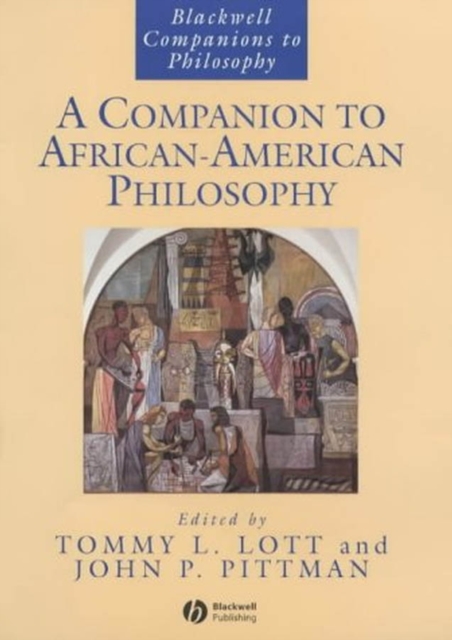
This wide-ranging, multidisciplinary collection of newly commissioned articles brings together distinguished voices in the field of Africana philosophy and African-American social and political thought.
Part analysis of contemporary change and part vision of the future, post-Fordism lends its name to a set of challenging, essential and controversial debates over the nature of capitalism's newest age.