Originally published in 1966, this book takes a look at the ancient and traditional, as well as more recent procedures in parliament for controlling finance.
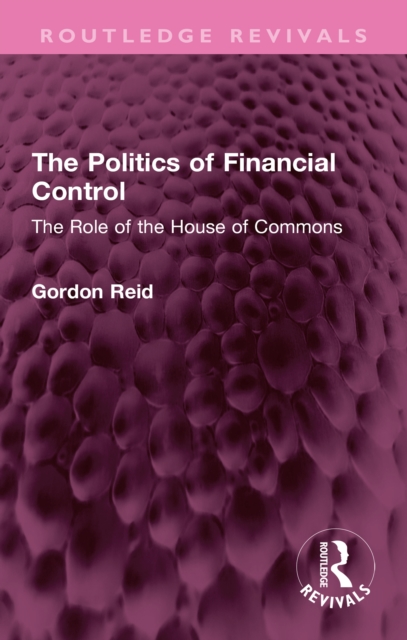
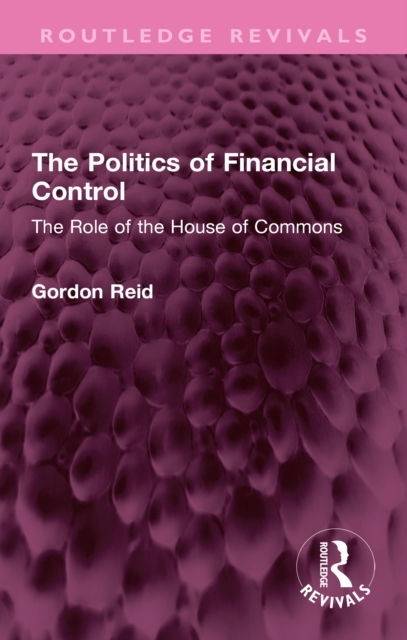
Originally published in 1966, this book takes a look at the ancient and traditional, as well as more recent procedures in parliament for controlling finance.
Students of public administration, public policy, and nonprofit management require a strong foundation in how government and NGOs are connected with information technology.
Students of public administration, public policy, and nonprofit management require a strong foundation in how government and NGOs are connected with information technology.
Presidentialism and Democracy in East and Southeast Asia examines the impact of presidential systems on democracies by examining three distinct literatures - the perilousness of competing legitimacies of the executive and legislative branches, issues of institutional design (particularly regarding semi-presidentialism), and the rise of executive aggrandizement.
Presidentialism and Democracy in East and Southeast Asia examines the impact of presidential systems on democracies by examining three distinct literatures - the perilousness of competing legitimacies of the executive and legislative branches, issues of institutional design (particularly regarding semi-presidentialism), and the rise of executive aggrandizement.
International-Led Statebuilding and Local Resistance contributes theoretical and empirical insights to the existing knowledge on the scope, challenges and results of post-conflict international state- and institution-building project focusing on post-war Kosovo.
International-Led Statebuilding and Local Resistance contributes theoretical and empirical insights to the existing knowledge on the scope, challenges and results of post-conflict international state- and institution-building project focusing on post-war Kosovo.
Peace Settlements and Political Transformation in Divided Societies examines what happened to Northern Ireland and South Africa after their miraculous political settlements in the 1990s, in which comparison between the two cases played a small but significant role.
Peace Settlements and Political Transformation in Divided Societies examines what happened to Northern Ireland and South Africa after their miraculous political settlements in the 1990s, in which comparison between the two cases played a small but significant role.
This book examines how the judicialization of politics, and the politicization of courts, affect representative democracy, rule of law, and separation of powers.
This book examines how the judicialization of politics, and the politicization of courts, affect representative democracy, rule of law, and separation of powers.
Originally published in 1986, Politics and Government in African States 1960-1985 deals with the politics of sub-Saharan African states since independence.
Originally published in 1986, Politics and Government in African States 1960-1985 deals with the politics of sub-Saharan African states since independence.
This book argues that a leading cause of the political instability in the Horn of Africa is a crisis of governance, caused by extreme centralization of power, weak institutions, and the failure to institutionalise the responsible use of authority.
This book argues that a leading cause of the political instability in the Horn of Africa is a crisis of governance, caused by extreme centralization of power, weak institutions, and the failure to institutionalise the responsible use of authority.
Building on Timothy Mitchell's seminal 1991 exploration of the "e;Limits of the State,"e; this book brings together contributions on the state in the Arab world from the past and present in an edited volume.
Building on Timothy Mitchell's seminal 1991 exploration of the "e;Limits of the State,"e; this book brings together contributions on the state in the Arab world from the past and present in an edited volume.
This edited book analyses the issues of state-building, the rule of law and good governance, and human rights in the post-Soviet space after 30 years from the USSR dissolution.
This edited book analyses the issues of state-building, the rule of law and good governance, and human rights in the post-Soviet space after 30 years from the USSR dissolution.
This book explains the growing empowerment of the Colombian Constitutional Court in the early years of the 21st century and develops the concept of the deliberative judge.
This book explains the growing empowerment of the Colombian Constitutional Court in the early years of the 21st century and develops the concept of the deliberative judge.