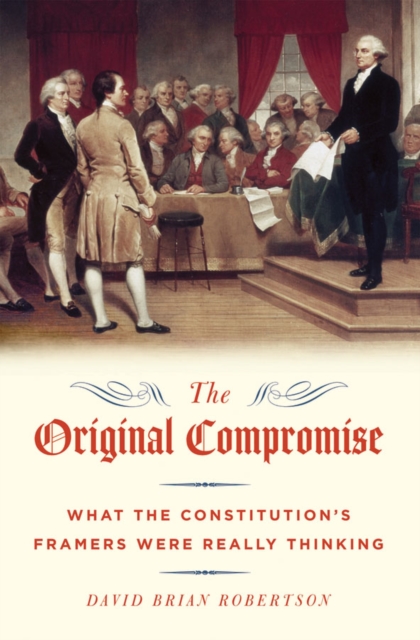
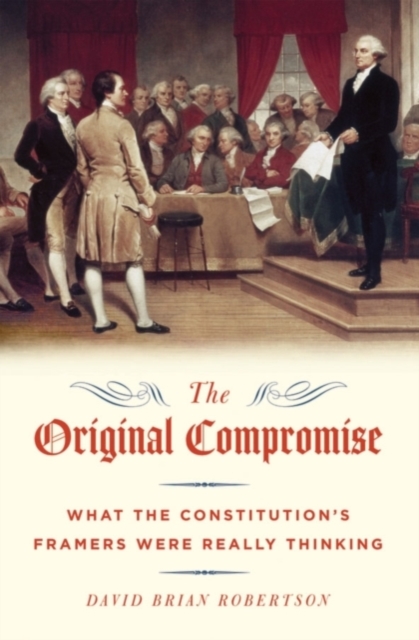
The eighty-five famous essays by Hamilton, Madison, and Jay--known collectively as the Federalist Papers--comprise the lens through which we typically view the ideas behind the U.
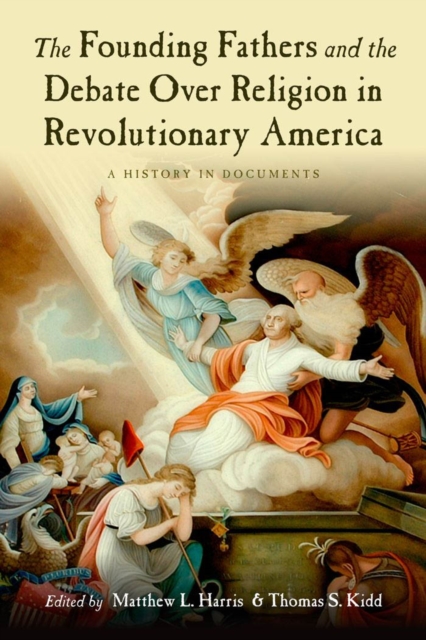
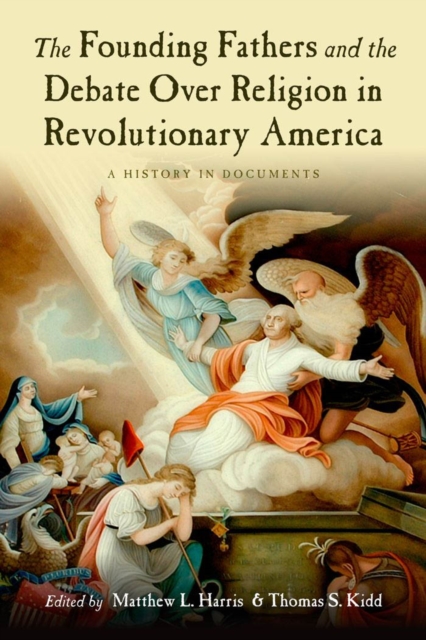
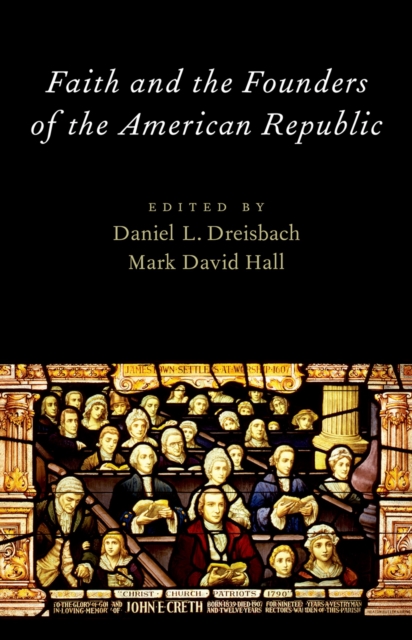
The First Amendment guarantee that "e;Congress shall make no law respecting an establishment of religion"e; rejected the millennium-old Western policy of supporting one form of Christianity in each nation and subjugating all other faiths.
Crisis and Constitutionalism argues that the late Roman Republic saw, for the first time in the history of political thought, the development of a normative concept of constitution--the concept of a set of constitutional norms designed to guarantee and achieve certain interests of the individual.
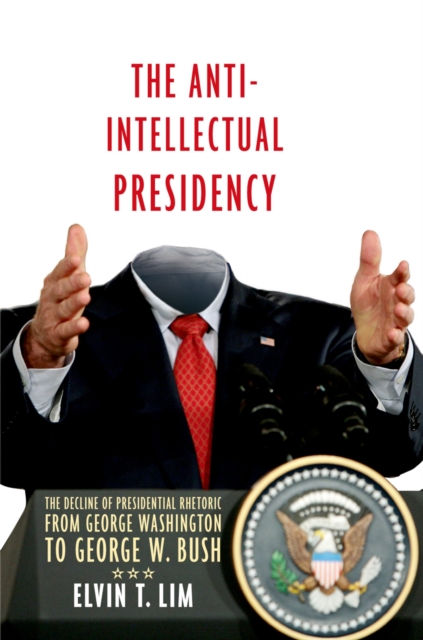
Why has it been so long since an American president has effectively and consistently presented well-crafted, intellectually substantive arguments to the American public?
In recent years the Supreme Court has been at the center of such political issues as abortion rights, the administration of police procedures, and the determination of the 2000 presidential election.
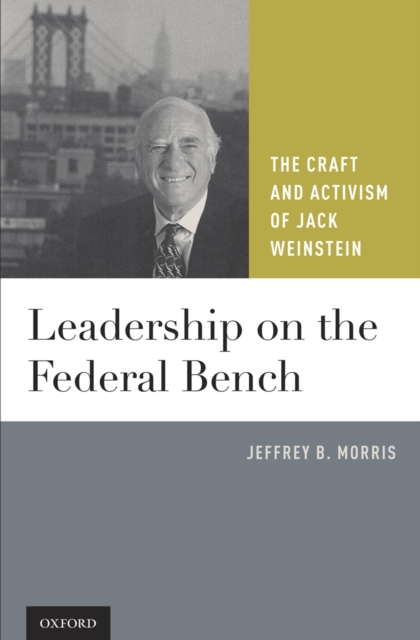
Leadership on the Federal Bench: The Craft and Activism of Jack Weinstein considers the ways a particularly gifted federal judge seized the opportunities available to district judges to influence the results of the cases before him, and employed the tools available to him to make policy having a national impact.
With only 54 years of existence, the Constitution of the State of Alaska is in its developmental infancy compared to the constitutional history of the rest of the United States.
In The Utah State Constitution, Jean Bickmore White offers a comprehensive review of the unique historical background and the 100-year development of the Utah State Constitution.
In The Massachusetts State Constitution, Lawrence Friedman and Lynnea Thody present a comprehensive and accessible survey of Massachusetts constitutional history and constitutional law.
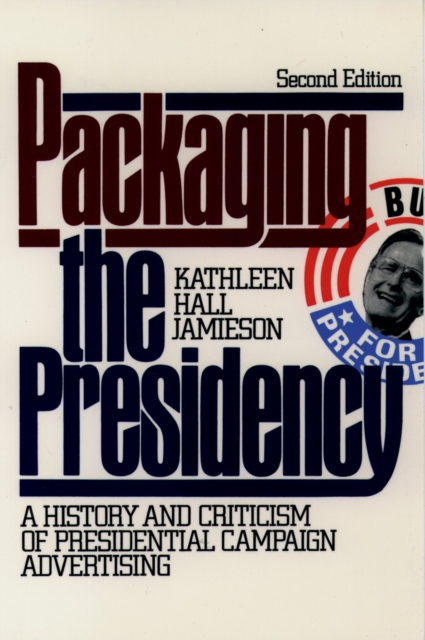
Packaging the Presidency, Third Edition, is now completely updated to offer the only comprehensive study of the history and effects of political advertising in the United States.
The First Amendment guarantee that "e;Congress shall make no law respecting an establishment of religion"e; rejected the millennium-old Western policy of supporting one form of Christianity in each nation and subjugating all other faiths.
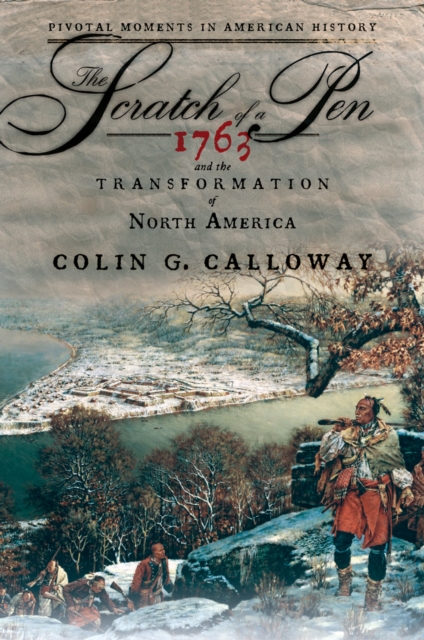
In this superb volume in Oxford's acclaimed Pivotal Moments series, Colin Calloway reveals how the Treaty of Paris of 1763 had a profound effect on American history, setting in motion a cascade of unexpected consequences, as Indians and Europeans, settlers and frontiersmen, all struggled to adapt to new boundaries, new alignments, and new relationships.
The eighty-five famous essays by Hamilton, Madison, and Jay--known collectively as the Federalist Papers--comprise the lens through which we typically view the ideas behind the U.
It is safe to say that a sizeable majority of the world's population would agree with the proposition that that property rights are important for political and social stability as well as economic growth.
Packaging the Presidency, Third Edition, is now completely updated to offer the only comprehensive study of the history and effects of political advertising in the United States.
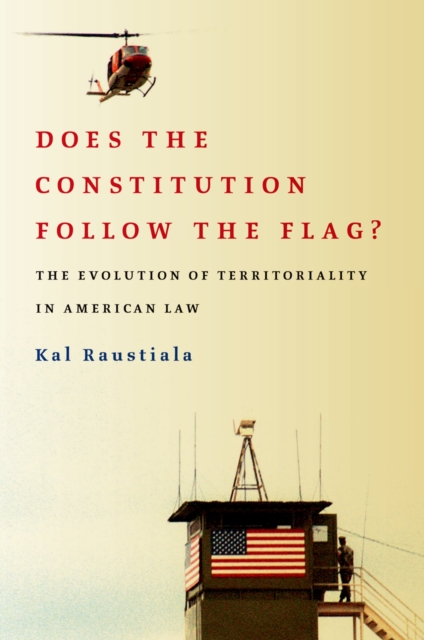
The Bush Administration has notoriously argued that detainees at Guantanamo do not enjoy constitutional rights because they are held outside American borders.
The Bush Administration has notoriously argued that detainees at Guantanamo do not enjoy constitutional rights because they are held outside American borders.
Why has it been so long since an American president has effectively and consistently presented well-crafted, intellectually substantive arguments to the American public?
The Virginia State Constitution examines constitutional amendments, court decisions, attorney general opinions, and legislative deliberations bearing on the development and interpretation of the Virginia Constitution.
The Virginia State Constitution examines constitutional amendments, court decisions, attorney general opinions, and legislative deliberations bearing on the development and interpretation of the Virginia Constitution.