Constitutional law has been and remains an area of intense philosophical interest, and yet the debate has taken place in a variety of different fields with very little to connect them.
Constitutional law has been and remains an area of intense philosophical interest, and yet the debate has taken place in a variety of different fields with very little to connect them.
Constitutional law provides the legal framework for the Australian political and legal systems, and thus touches almost every aspect of Australian life.
Constitutional law provides the legal framework for the Australian political and legal systems, and thus touches almost every aspect of Australian life.
Contemporary debates about the changing nature of law engage theories of legal pluralism, political economy, social systems, international relations (or regime theory), global constitutionalism, and public international law.
Contemporary debates about the changing nature of law engage theories of legal pluralism, political economy, social systems, international relations (or regime theory), global constitutionalism, and public international law.
If one counts the production of constitutional documents alone, the nineteenth century can lay claim to being a 'constitutional age'; one in which the generation and reception of constitutional texts served as a centre of gravity around which law and politics consistently revolved.
If one counts the production of constitutional documents alone, the nineteenth century can lay claim to being a 'constitutional age'; one in which the generation and reception of constitutional texts served as a centre of gravity around which law and politics consistently revolved.
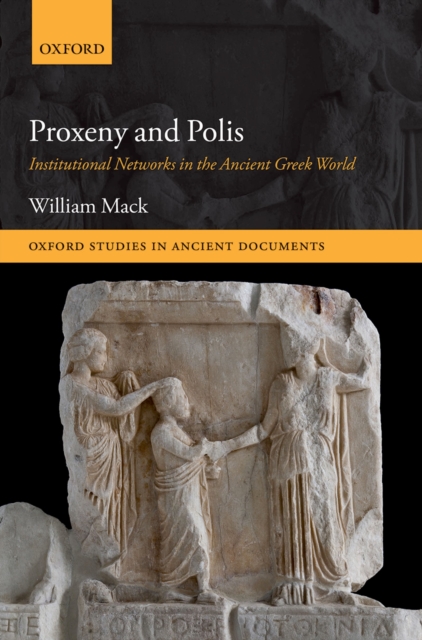
Known from ancient authors such as Herodotus, Thucydides, and Plato, and more than 2,500 inscriptions, proxeny (a form of public guest-friendship) is the best attested interstate institution of the ancient world.
The English revolution is one of the most intensely-debated events in history; parallel events in Scotland have never attracted the same degree of interest.
How should constitutional design respond to the opportunities and challenges raised by ethnic, linguistic, religious, and cultural differences, and do so in ways that promote democracy, social justice, peace and stability?
Voices of Conscience analyzes how the link between politics and conscience was articulated and shaped throughout the seventeenth century by confessors who acted as counsellors to monarchs.
The study of institutions, a core concept in comparative politics, has produced many rich and influential theories on the economic and political effects of institutions, yet it has been less successful at theorizing their origins.
The study of institutions, a core concept in comparative politics, has produced many rich and influential theories on the economic and political effects of institutions, yet it has been less successful at theorizing their origins.
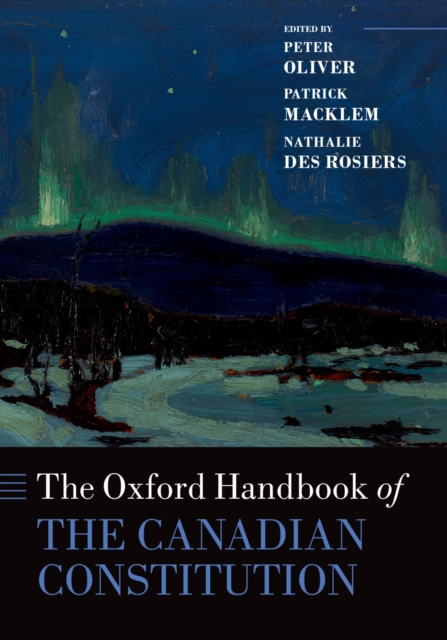
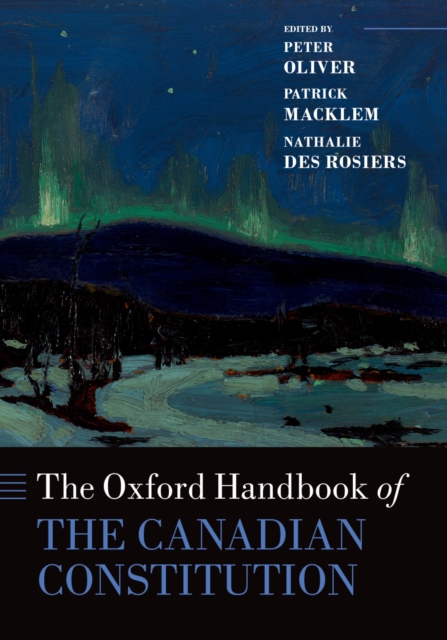
The Oxford Handbook of the Canadian Constitution provides an ideal first stop for Canadians and non-Canadians seeking a clear, concise, and authoritative account of Canadian constitutional law.
The Oxford Handbook of the Canadian Constitution provides an ideal first stop for Canadians and non-Canadians seeking a clear, concise, and authoritative account of Canadian constitutional law.
Constitutionalism, Human Rights, and Islam after the Arab Spring offers a comprehensive analysis of the impact that new and draft constitutions and amendments - such as those in Jordan, Morocco, Syria, Egypt, and Tunisia - have had on the transformative processes that drive constitutionalism in Arab countries.
Constitutionalism, Human Rights, and Islam after the Arab Spring offers a comprehensive analysis of the impact that new and draft constitutions and amendments - such as those in Jordan, Morocco, Syria, Egypt, and Tunisia - have had on the transformative processes that drive constitutionalism in Arab countries.