The world of policy represents the confluence of a number of intellectual strands in which the clinician brings science together with intuition, and uses his or her experience to interpret the evidence and make recommendations for treatment.
Using election returns, public opinion surveys, and legislative roll-call data from many mixed systems in every world region, the authors show that contamination systematically affects party strategy, voting behaviour, legislative cohesion and overall structure of partisan competition.
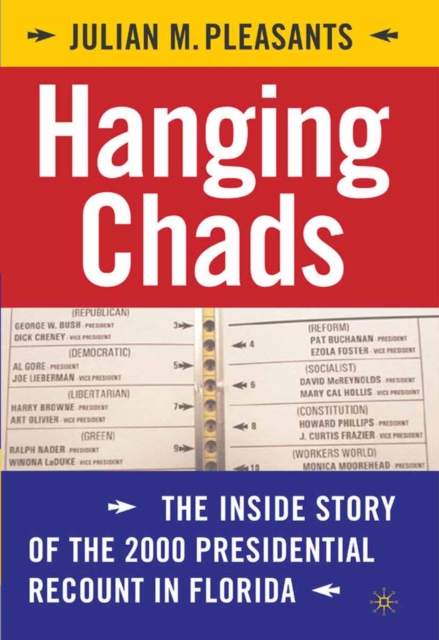
Saltman traces the evolution of voting technology in the USA, from voice to digital, highlighting how the antiquated systems in use today are a legacy of the industrial revolution of the Nineteenth-century and the early computer revolution of the 1950s and analyses the current day situation.
Electoral Systems and Political Transformation in Post-Communist Europe assesses the influence of electoral systems on political change in 20 post-communist European states.
In theory, parliamentary elections are a contest between political parties whose leaders do not have a separate identity from their party in the public eye.
As the referendum becomes a more regular component of decision making, it leaves few, if any, institutions, processes and values of democracy untouched.
Embodying Democracy analyzes the politics of electoral reform in eight post-communist states including Poland, Hungary, the Czech Republic, Slovakia, Romania, Bulgaria, Russia and Ukraine.
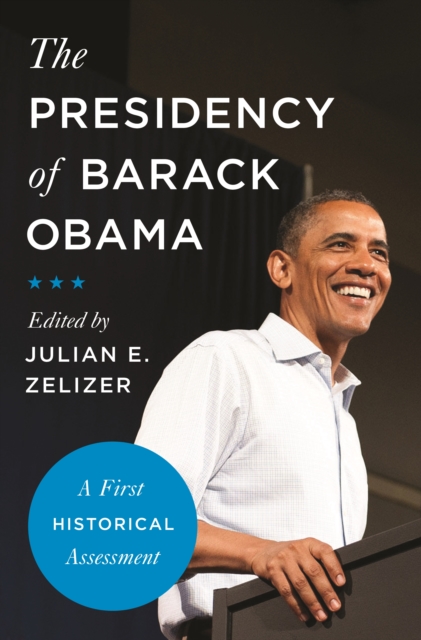
An original and engaging account of the Obama years from a group of leading political historiansBarack Obama's election as the first African American president seemed to usher in a new era, and he took office in 2009 with great expectations.
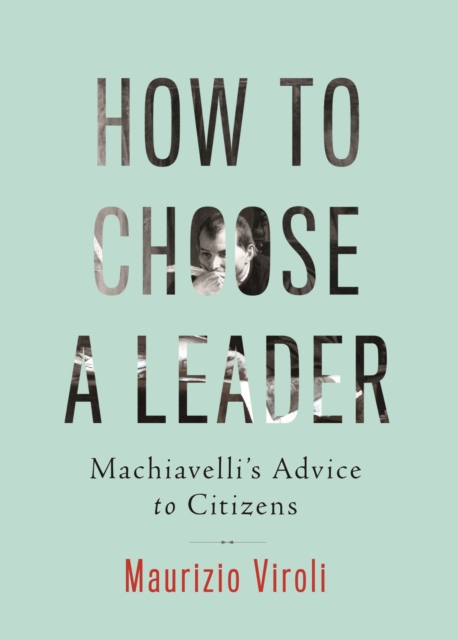
Twenty essential tips for picking great leaders from the father of modern politicsOne of the greatest political advisers of all time, Niccolo Machiavelli thought long and hard about how citizens could identify great leaders-ones capable of defending and enhancing the liberty, honor, and prosperity of their countries.
Local government is the hidden leviathan of American politics: it accounts for nearly a tenth of gross domestic product, it collects nearly as much in taxes as the federal government, and its decisions have an enormous impact on Americans' daily lives.
A primer on campaigning in ancient Rome that reads like a strategy memo from a modern political consultantHow to Win an Election is an ancient Roman guide for campaigning that is as up-to-date as tomorrow's headlines.
Political campaigns today are won or lost in the so-called ground war--the strategic deployment of teams of staffers, volunteers, and paid part-timers who work the phones and canvass block by block, house by house, voter by voter.
Party competition for votes in free and fair elections involves complex interactions by multiple actors in political landscapes that are continuously evolving, yet classical theoretical approaches to the subject leave many important questions unanswered.
At a time when campaign finance reform is widely viewed as synonymous with cleaning up Washington and promoting political equality, Bradley Smith, a nationally recognized expert on campaign finance reform, argues that all restriction on campaign giving should be eliminated.
Local government is the hidden leviathan of American politics: it accounts for nearly a tenth of gross domestic product, it collects nearly as much in taxes as the federal government, and its decisions have an enormous impact on Americans' daily lives.
How American political participation is increasingly being shaped by citizens who wield more resourcesThe Declaration of Independence proclaims equality as a foundational American value.
Using fascinating examples from a range of disciplines, this textbook provides social science, philosophy and economics students with an engaging introduction to the tools they need to understand and predict strategic interactions.
The seventh edition of this unique and authoritative guide to more than 170 years of political history reflects the rapid and continuing change in the electoral landscape of the United Kingdom.
The seventh edition of this unique and authoritative guide to more than 170 years of political history reflects the rapid and continuing change in the electoral landscape of the United Kingdom.
These volumes provide an essential comprehensive work of reference for the annual municipal elections that took place each November in the 83 County Boroughs of England and Wales between 1919 and 1938.
These volumes provide an essential comprehensive work of reference for the annual municipal elections that took place each November in the 83 County Boroughs of England and Wales between 1919 and 1938.