While primary elections are most often associated with presidential candidates in the United States, similar methods for selecting party leaders and candidates are becoming increasingly common in parliamentary democracies around the world.
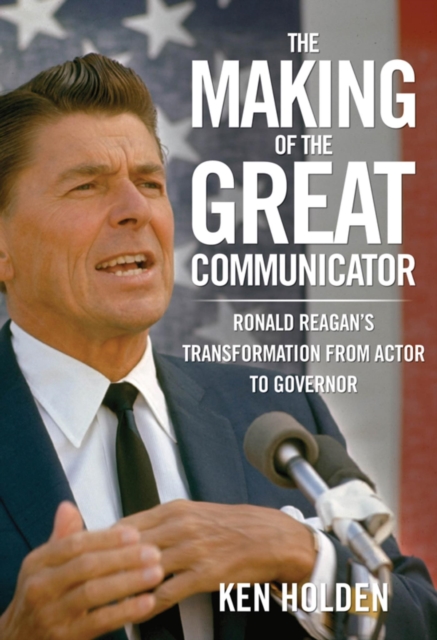
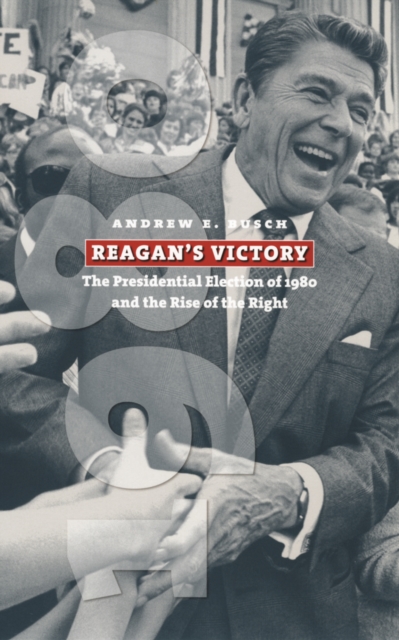
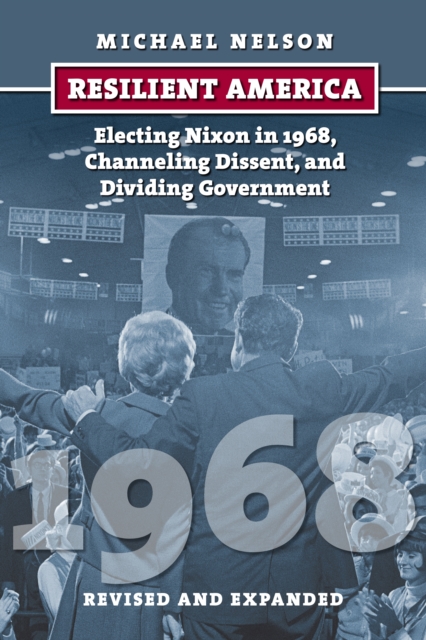
One week after Ronald Reagan announced his candidacy for governor of California, the San Francisco Chronicle gibed: It was simply a flagrant example of miscasting.
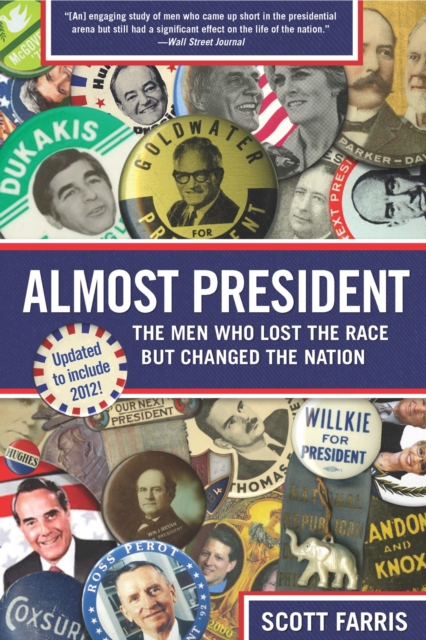
Veteran political journalist Scott Farris tells the stories of legendary presidential also-rans, from Henry Clay to Stephen Douglas, from William Jennings Bryan to Thomas Dewey, and from Adlai Stevenson to Al Gore.
Chronicling and analyzing resistance to the threat that autocracy poses to American liberal democracy, this book provides the definitive account of the response to the January 6, 2021, assault on the Capitol and Republican efforts to overturn the 2020 election and bias future elections in their favor.
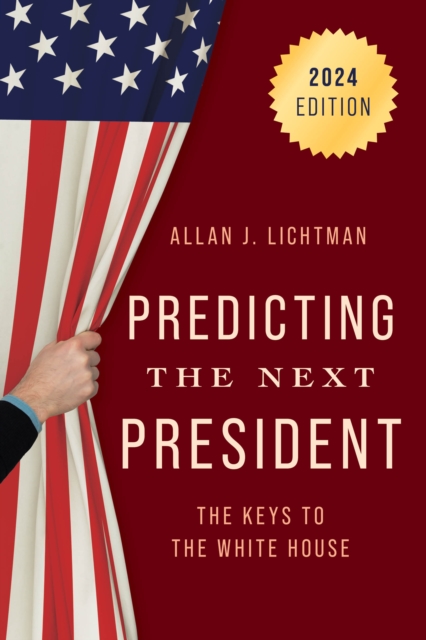
In the days after Donald Trump's unexpected victory on election night 2016, The New York Times, CNN, and other leading media outlets reached out to one of the few pundits who had correctly predicted the outcome, Allan J.
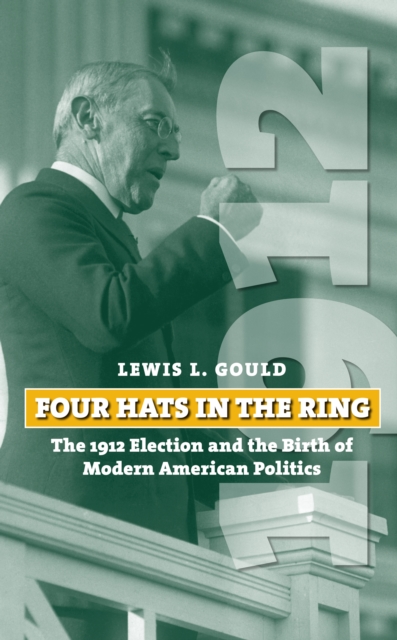
Choice Outstanding TitleImagine a presidential election with four well-qualified and distinguished candidates and a serious debate over the future of the nation!
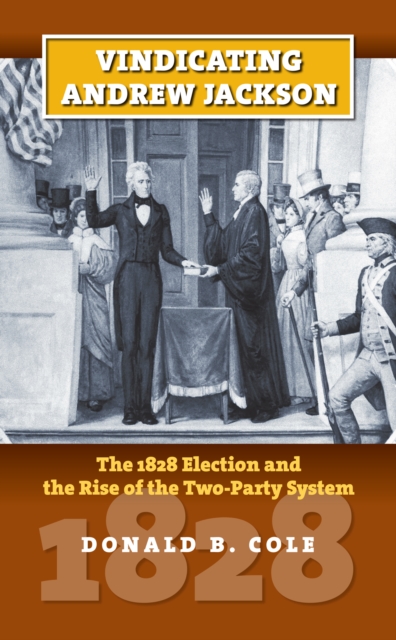
The presidential election of 1828 is one of the most compelling stories in American history: Andrew Jackson, hero of the Battle of New Orleans and man of the people, bounced back from his controversial loss four years earlier to unseat John Quincy Adams in a campaign notorious for its mudslinging.
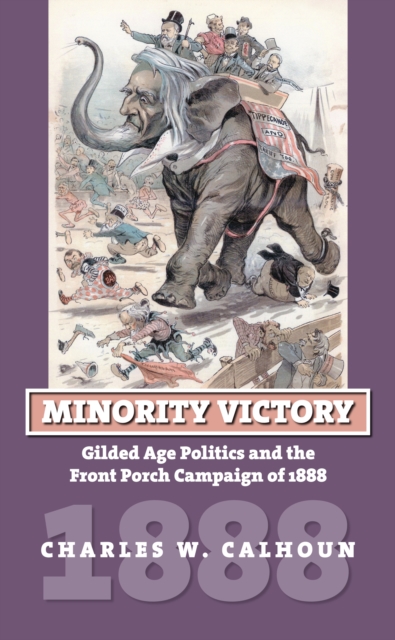
During the run-up to the 1888 presidential election, Americans flocked to party rallies, marched in endless parades, and otherwise participated zealously in the political process.
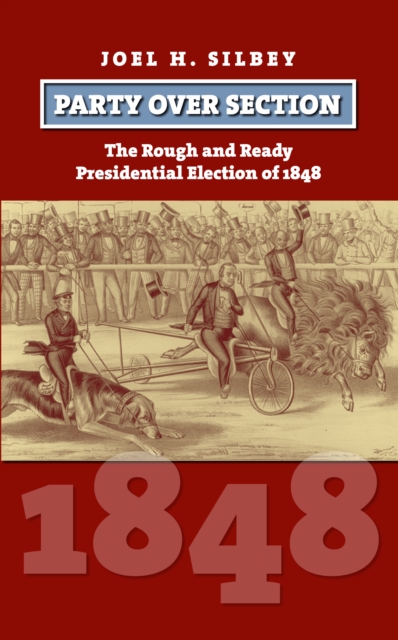
Choice Outstanding TitleThe presidential campaign of 1848 saw the first strong electoral challenge to the expansion of slavery in the United States; most historians consider the appearance of the Free Soil Party in that election a major turning point of the nineteenth century.
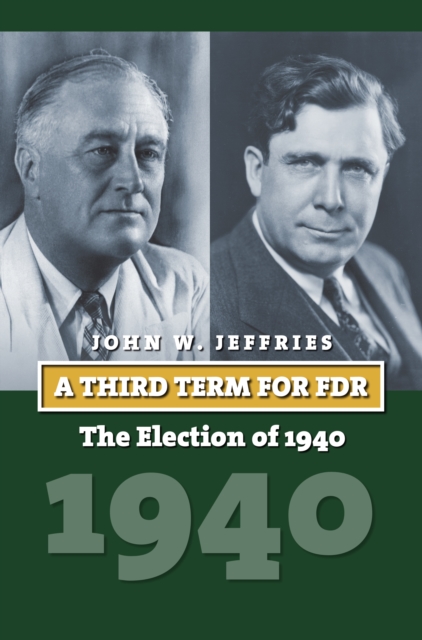
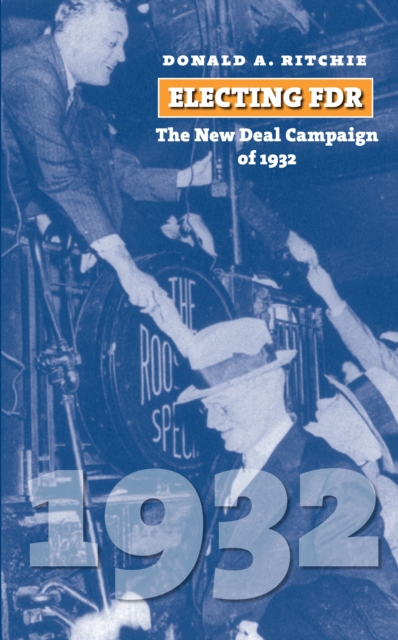
Winner: George Pendleton PrizeWith the landmark election of Franklin Delano Roosevelt in 1932, decades of Republican ascendancy gave way to a half century of Democratic dominance.
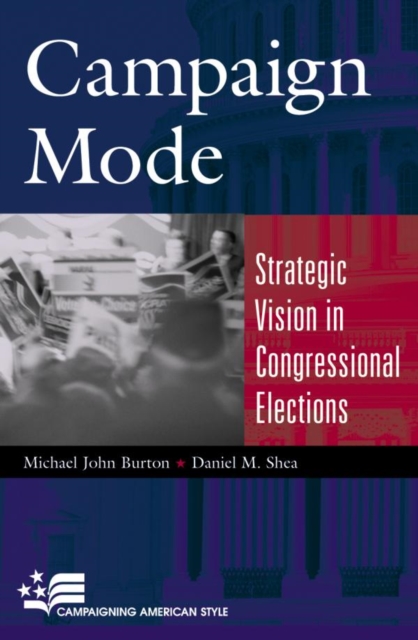
The pressures of contemporary electioneering force political professionals into 'campaign mode'-a state of mind that merges a visceral drive to win elections with a deep-seated habit of strategic thinking.
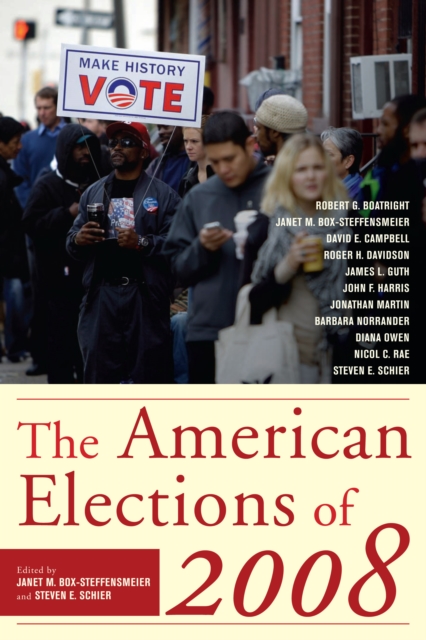
The American Elections of 2008 assembles leading political scientists and journalists to explain the election results and their implications for America's future.
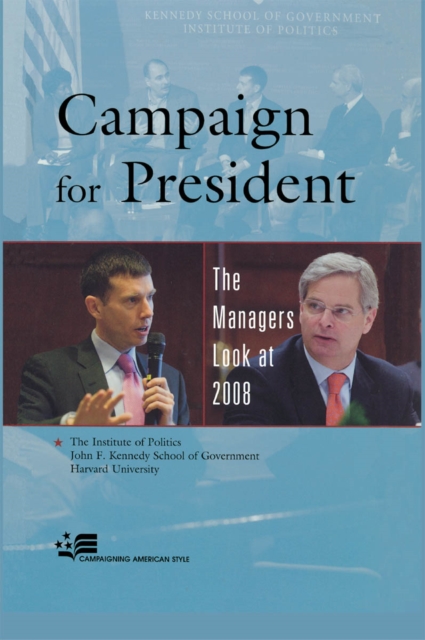
Every four years following the presidential election, the Institute of Politics at Harvard University convenes a distinguished gathering of campaign managers, media commentators, and interested political observers to reflect on presidential campaign strategies from the earliest primaries through Election Day.
When Claudia Sheinbaum was sworn in as Mexico's 66th president and its first female leader, political analysts focused their research on the potential impact of her presidency on the advancement of social transformation and the deepening of gender equality.
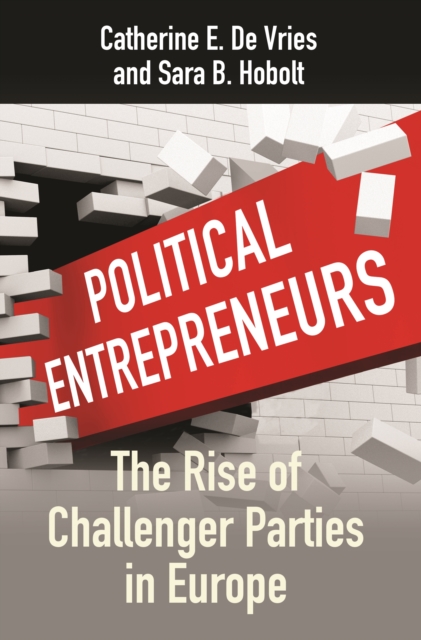
How challenger parties, acting as political entrepreneurs, are changing European democraciesChallenger parties are on the rise in Europe, exemplified by the likes of Podemos in Spain, the National Rally in France, the Alternative for Germany, or the Brexit Party in Great Britain.
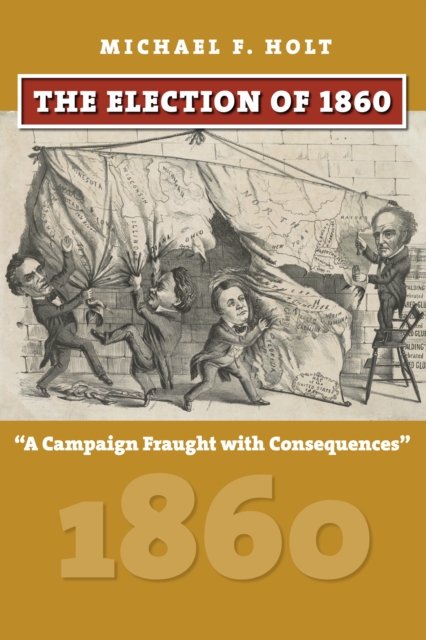
Because of its extraordinary consequences and because of Abraham Lincolns place in the American pantheon, the presidential election of 1860 is probably the most studied in our history.
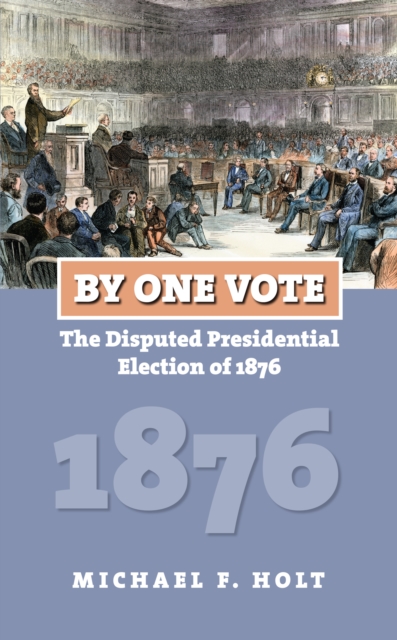
With electoral votes disputed in three states, a Democrat winning the popular vote, and the Supreme Court stepping in to overrule Florida court decisions, the presidential election of 1876 was an eerie precursor to that of 2000.
In the United States we elect members of the House of Representative from single-member districts: the candidate who receives the most votes from each geographically defined district wins a seat in the House.
Over time the presidential election of 1964 has come to be seen as a generational shift, a defining moment in which Americans deliberated between two distinctly different visions for the future.
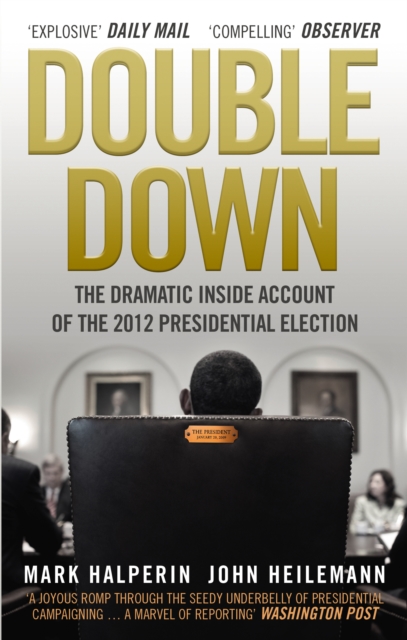
Hope and change were the keywords of President Barack Obamas 2008 campaign, and in his farewell address on January 10, 2017, he cited the evidence that hed deliveredfrom reversing the Great Recession, rebooting the auto industry, and unleashing the longest stretch of job creation in the nations history to winning marriage equality and securing the right to health insurance for another 20 million citizens.
Rarely does the Supreme Court reverse itself as quickly and profoundly as it did in recent campaign finance cases, with the Citizens United decision of 2010 undoing the constraints of the McCain-Feingold Act upheld in McConnell v.
Choice Outstanding TitleImagine a presidential election with four well-qualified and distinguished candidates and a serious debate over the future of the nation!
The presidential election of 1828 is one of the most compelling stories in American history: Andrew Jackson, hero of the Battle of New Orleans and man of the people, bounced back from his controversial loss four years earlier to unseat John Quincy Adams in a campaign notorious for its mudslinging.
During the run-up to the 1888 presidential election, Americans flocked to party rallies, marched in endless parades, and otherwise participated zealously in the political process.
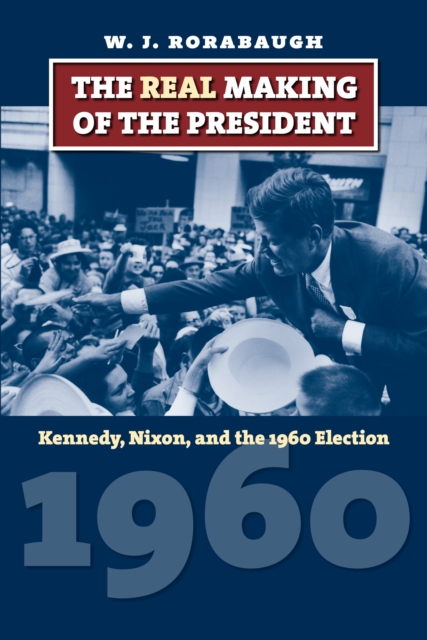
When John Kennedy won the presidency in 1960, he also won the right to put his own spin on the victorywhether as an underdogs heroic triumph or a liberal crusaders overcoming special interests.
Choice Outstanding TitleThe presidential campaign of 1848 saw the first strong electoral challenge to the expansion of slavery in the United States; most historians consider the appearance of the Free Soil Party in that election a major turning point of the nineteenth century.
Winner: George Pendleton PrizeWith the landmark election of Franklin Delano Roosevelt in 1932, decades of Republican ascendancy gave way to a half century of Democratic dominance.
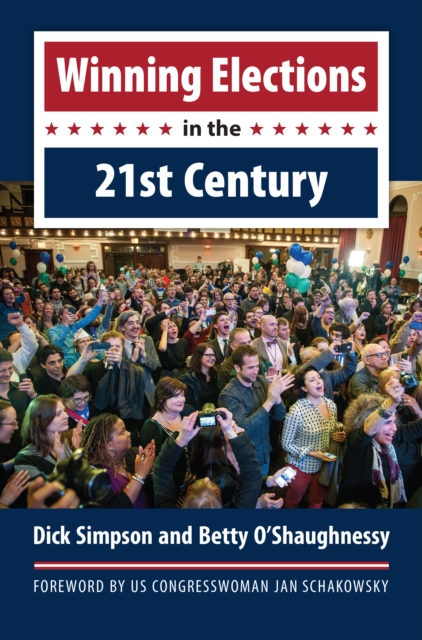
A national cochair of the presidential campaign of Barack Obama when few thought he could ever be elected, Congresswoman Jan Schakowsky is here to tell you: Yes, you can!
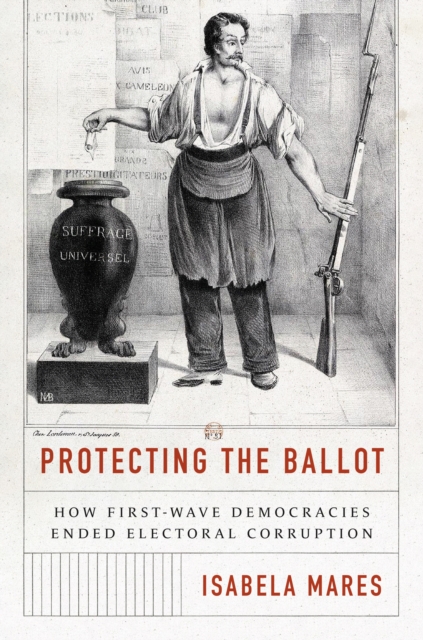
How reforms limiting electoral misconduct completed the process of democratizationBetween 1850 and 1918, many first-wave democracies in Europe adopted electoral reforms that reduced the incidence of electoral malfeasance.
An original defense of the unique value of voting in a democracyVoting is only one of the many ways that citizens can participate in public decision making, so why does it occupy such a central place in the democratic imagination?