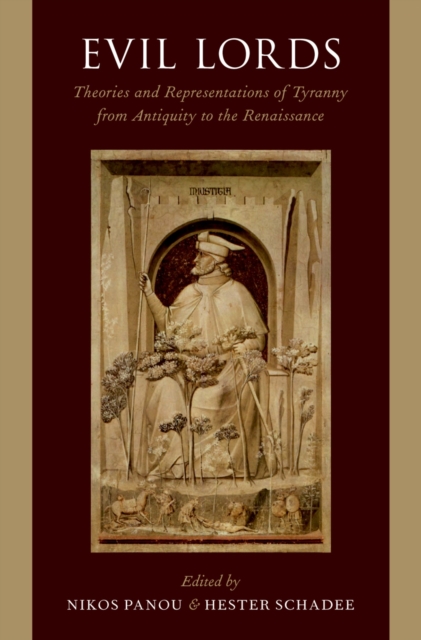
Evil Lords uses the prism of bad rule or tyranny to enhance our understanding of political discourse from the ancient world to the Renaissance, elucidating premodern notions of sovereignty as well as the relation between ethics and politics, the individual and society, power, and propaganda.
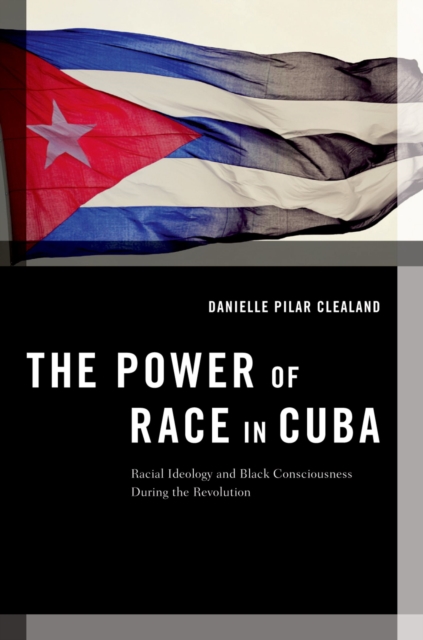
In The Power of Race in Cuba, Danielle Pilar Clealand analyzes racial ideologies that negate the existence of racism and their effect on racial progress and activism through the lens of Cuba.
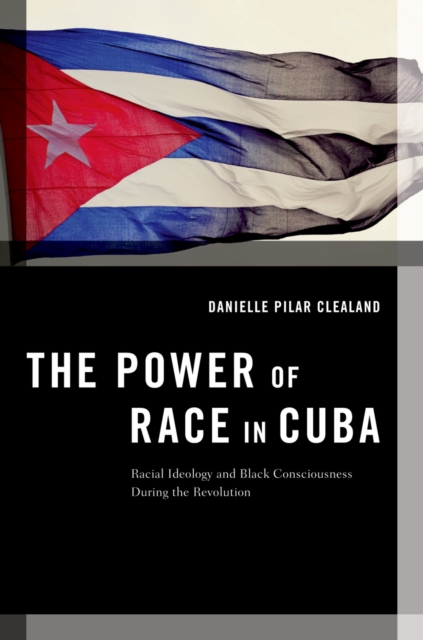
In The Power of Race in Cuba, Danielle Pilar Clealand analyzes racial ideologies that negate the existence of racism and their effect on racial progress and activism through the lens of Cuba.
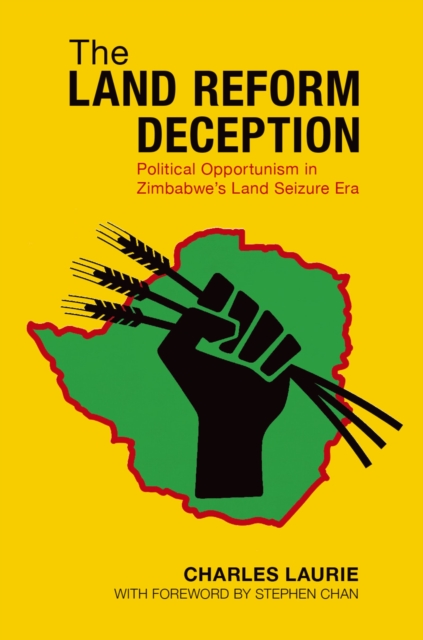
The Land Reform Deception looks at a particularly contentious period in Zimbabwe's recent history, from 2000-2008, when the government seized commercial farms using illegal and violent methods against a largely unarmed population of farmers and farm workers.
When it comes to the Founding Fathers, Thomas Jefferson, Benjamin Franklin, and Alexander Hamilton are generally considered the great minds of early America.
When it comes to the Founding Fathers, Thomas Jefferson, Benjamin Franklin, and Alexander Hamilton are generally considered the great minds of early America.
In the wake of the 2004 election, pundits were shocked at exit polling that showed that 22% of voters thought 'moral values' was the most important issue at stake.
Over the course of his long and controversial career, Joschka Fischer evolved from an archetypal 1960s radical--a firebrand street activist--into a shrewd political insider, operating at the heights of German politics.
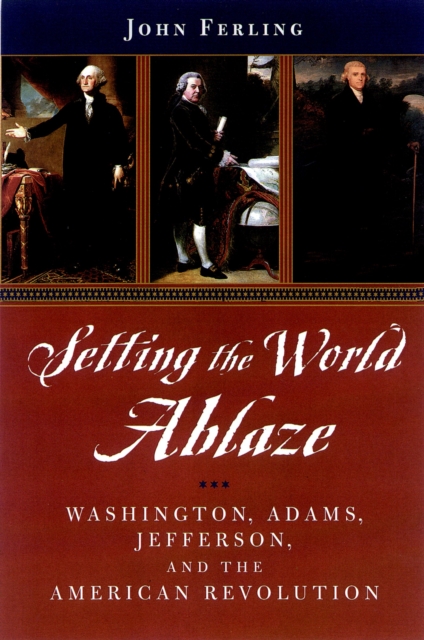
Setting the World Ablaze is the story of the American Revolution and of the three Founders who played crucial roles in winning the War of Independence and creating a new nation: George Washington, John Adams, and Thomas Jefferson.
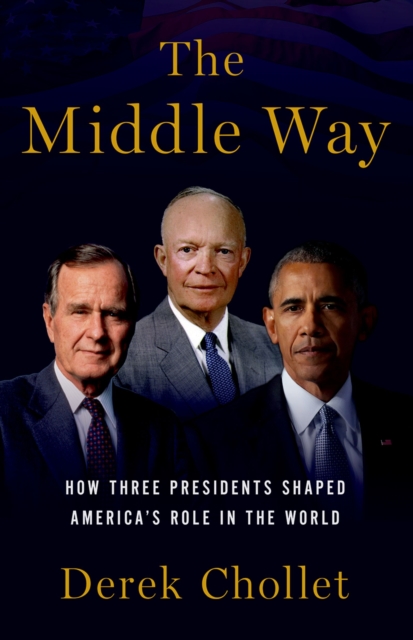
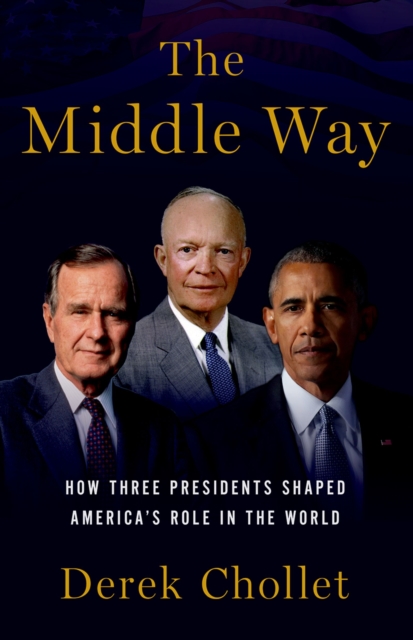
A portrait of the effectiveness of moderation in US foreign policy, as illustrated by three of America's most consequential and widely-admired postwar presidents: Dwight Eisenhower, George H.
A portrait of the effectiveness of moderation in US foreign policy, as illustrated by three of America's most consequential and widely-admired postwar presidents: Dwight Eisenhower, George H.
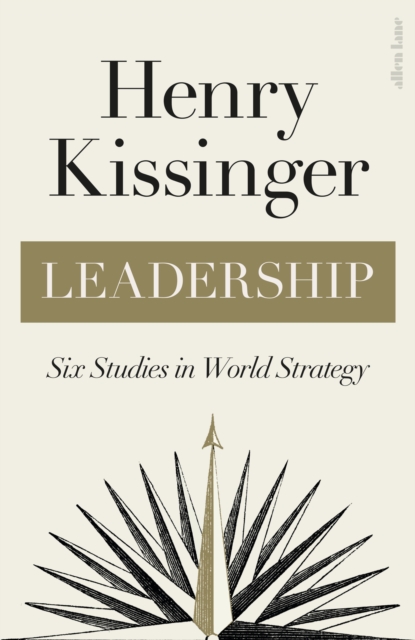
Henry Kissinger analyses how six extraordinary leaders he has known have shaped their countries and the world'Leaders,' writes Henry Kissinger in this compelling book, 'think and act at the intersection of two axes: the first, between the past and the future; the second between the abiding values and aspirations of those they lead.
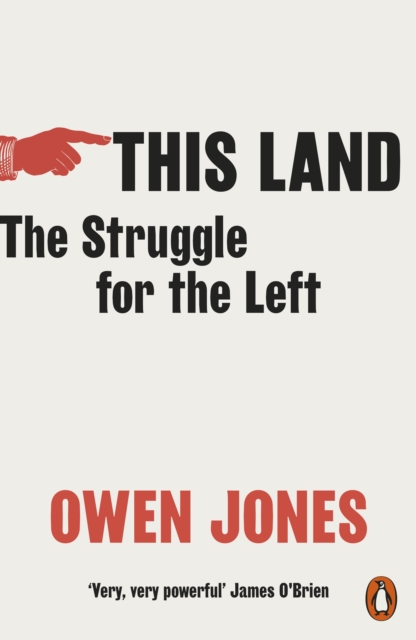
A GUARDIAN, NEW STATESMAN AND SPECTATOR BOOK OF THE YEAR 'A whodunnit political page-turner' Melissa Benn, New Statesman 'The best political book I have read for a long while' Rod Liddle, The Spectator From the No.
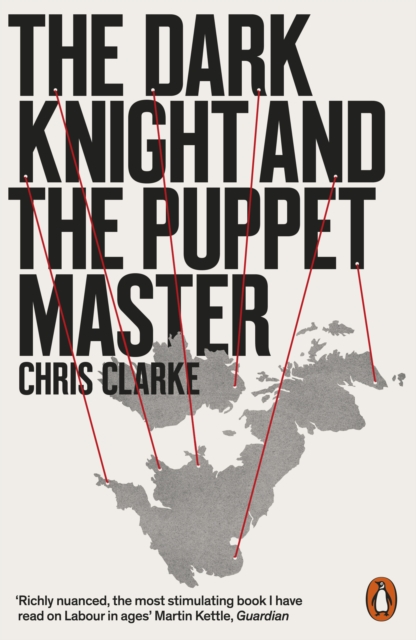
'A splendid critique' James O'Brien, Times Literary Supplement'Richly nuanced, the most stimulating book I have read on Labour in ages' Martin Kettle, Guardian'A brilliant book .
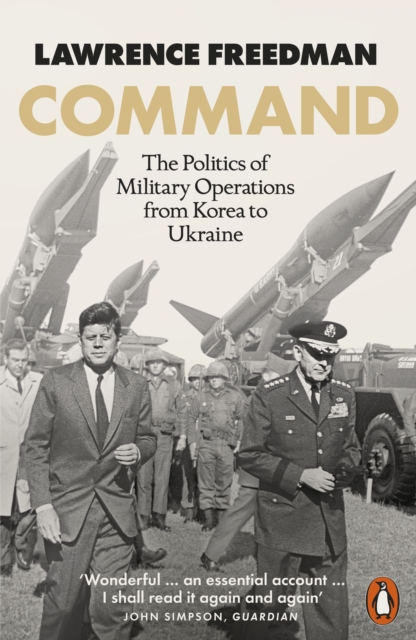
A timely history of the interplay between politics and military operations, 'Command is the history of our time' (Guardian)Military command has been reconstructed and revolutionized since the Second World War by nuclear warfare, small-scale guerrilla land operations and cyber interference.
**Shortlisted for Waterstones Book of the Year**The Penguin Classics Book is a reader's companion to the largest library of classic literature in the world.
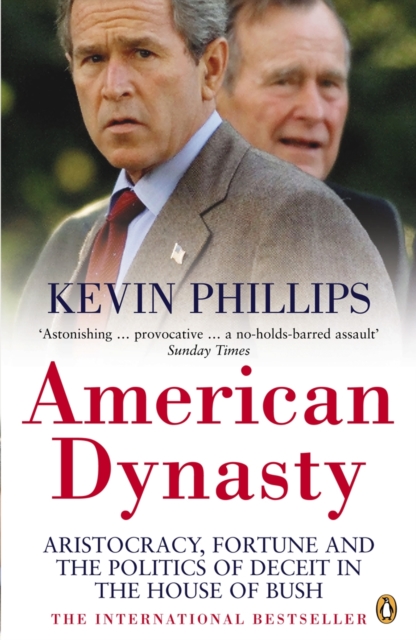
An acerbic, withering account of the ascent of the Bush family to the pinnacle of the American political and social elite and the implications of the dynasty's hold on power for democracy in America.
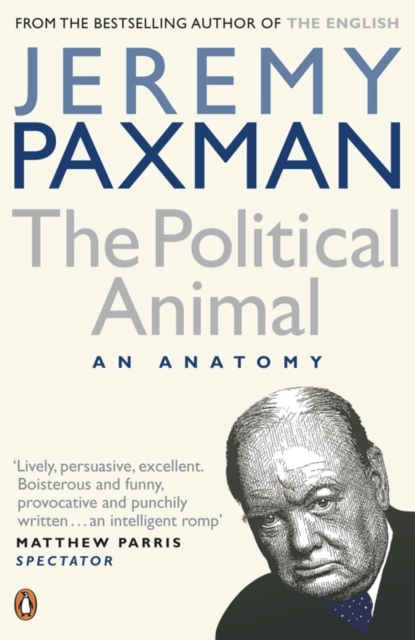
Jeremy Paxman knows every maneouvre a politician will make to avoid answering a difficult question, but here he seeks an answer to just one: What makes politicians tick?
'Suetonius, in holding up a mirror to those Caesars of diverting legend, reflects not only them but ourselves: half-tempted creatures, whose great moral task is to hold in balance the angel and the monster within' GORE VIDALAs private secretary to the Emperor Hadrian, the scholar Suetonius had access to the imperial archives and used them (along with eyewitness accounts) to produce one of the most colourful biographical works in history.
This chronicle of the Byzantine Empire, beginning in 1025, shows a profound understanding of the power politics that characterized the empire and led to its decline.
A mesmerising, chilling close-up portrayal of Stalin from Milovan Djilas, a Communist insider - with an introduction from Anne Applebaum, author of Gulag and Iron CurtainThis extraordinarily vivid and unnerving book three meetings held with Stalin during and after the Second World War.
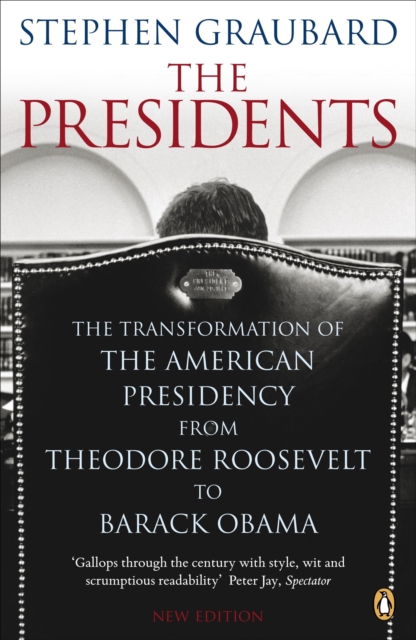
In this magisterial examination of the Presidency over the course of the 20th Century, the author explores the history of the world's greatest elective office and the role each incumbent has played in changing the scope of its powers.