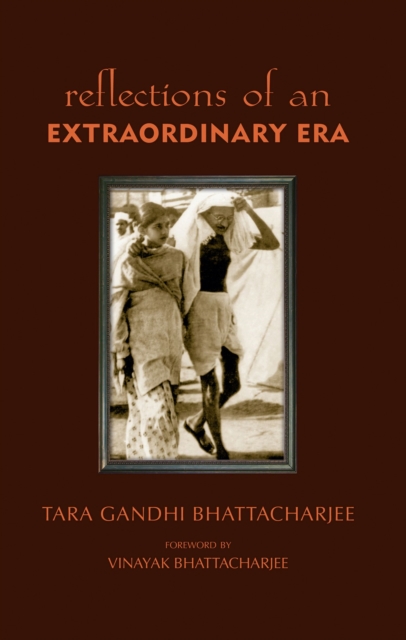
An inspirational and vivid behind-the-scenes biography of the Gandhi family and the tumult of India's independence by Tara Gandhi Bhattacharjee, granddaughter of Mahatma Gandhi.
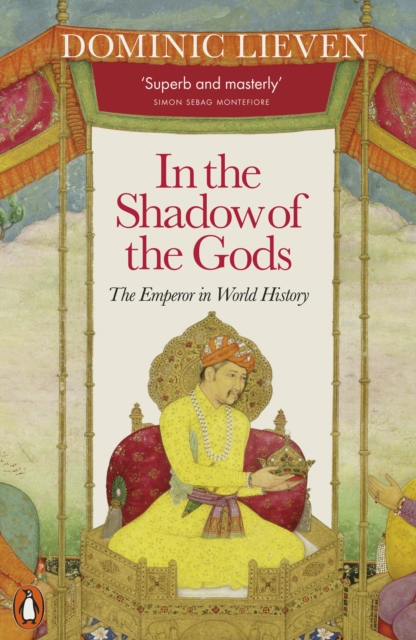
From the acclaimed Wolfson Prize-winning author, a dazzling history of the world's emperors For millennia much of the world was ruled by emperors: a handful of individuals claimed no limit to the lands they could rule over and no limit to their authority.
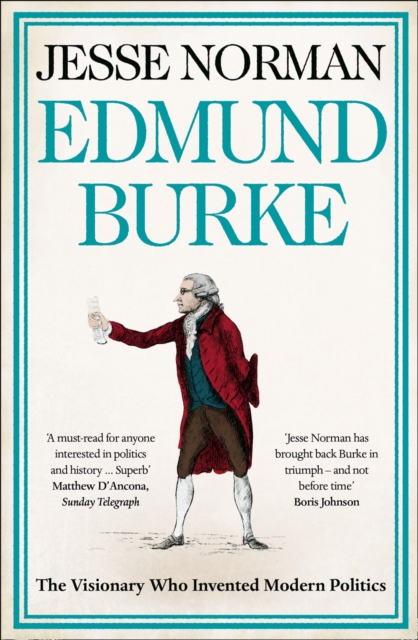
Longlisted for the Orwell Prize and the Samuel Johnson prize for non-fiction; both conservative and subversive, Burke's beliefs have never been more relevant, as MP Jesse Norman explains.
A radical and exciting history of a city - its culture, its people and its politics - that refreshes our image of Europe's past and of the writing of history itself.
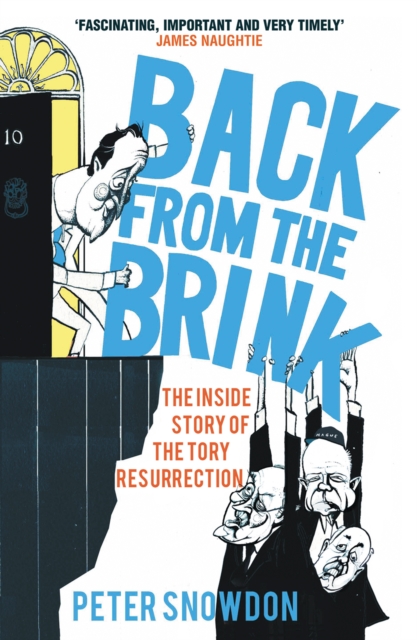
Lifting the lid on the most captivating story in British politics today, 'Back from the Brink' charts the Conservative Party's remarkable journey from the political wilderness to the threshold of power.
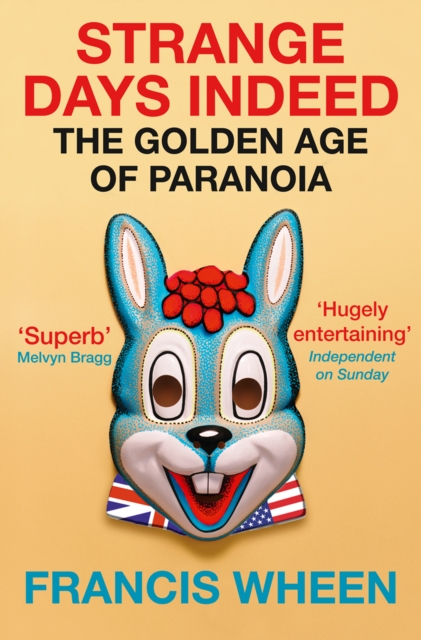
Strange Days Indeed tells the story of how the paranoia exemplified by Nixon and Wilson became the defining characteristic of western politics and culture in the 1970s.
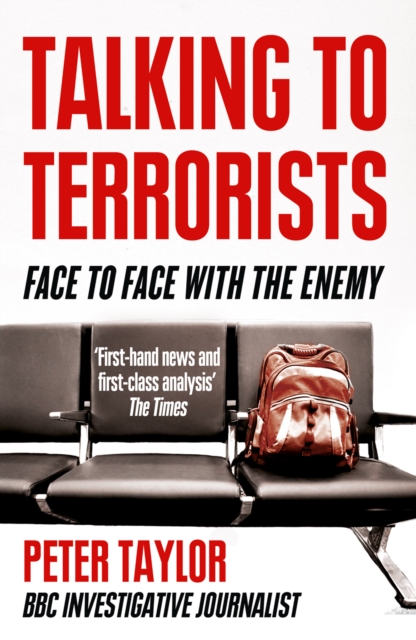
A controversial and timely book by BBC reporter and terrorism expert Peter TaylorIn 'Talking to Terrorists' Peter Taylor takes us on a personal journey, quoting from diaries written at the time, as he reveals what it was like to come face-to-face with IRA terrorists and Islamic jihadis.
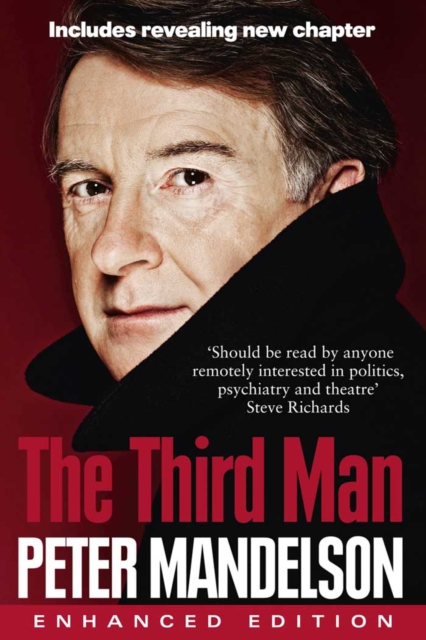
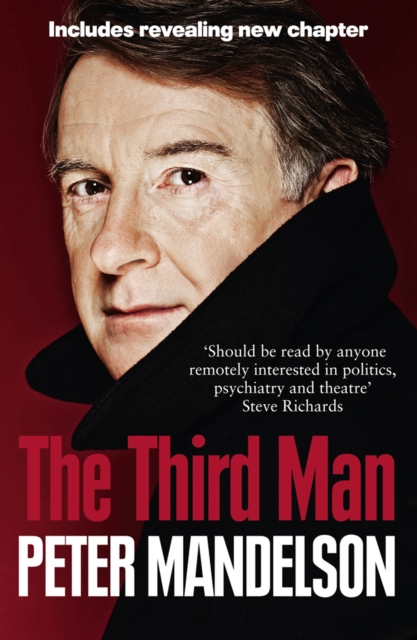
The enhanced edition of the fully updated, number-one bestselling memoir of one of New Labour's three founding architects allows unprecedented access to video footage, audio commentary and primary source materials, from Mandelson's own diary entries to spirited exchanges between Labour's most powerful figures.
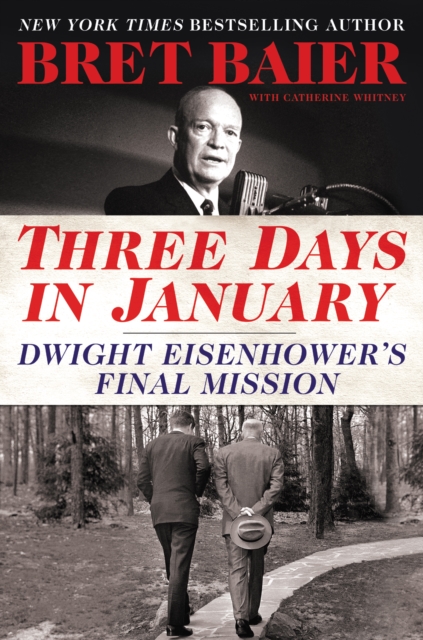
The blockbuster #1 national bestsellerBret Baier, the Chief Political Anchor for Fox News Channel and the Anchor and Executive Editor of Special Report with Bret Baier, illuminates the extraordinary yet underappreciated presidency of Dwight Eisenhower by taking readers into Ikes last days in power.
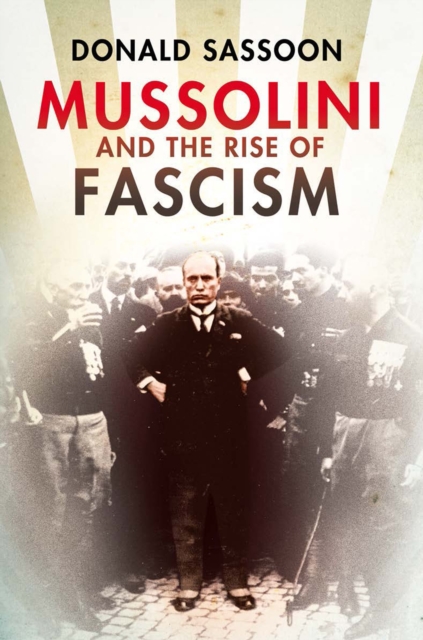
In this fascinating look at the unique conjuncture of factors surrounding Il Duce's seizure of power, eminent historian Donald Sassoon traces the political circumstances that sent Italy on a collision course with the most destructive war of the century.
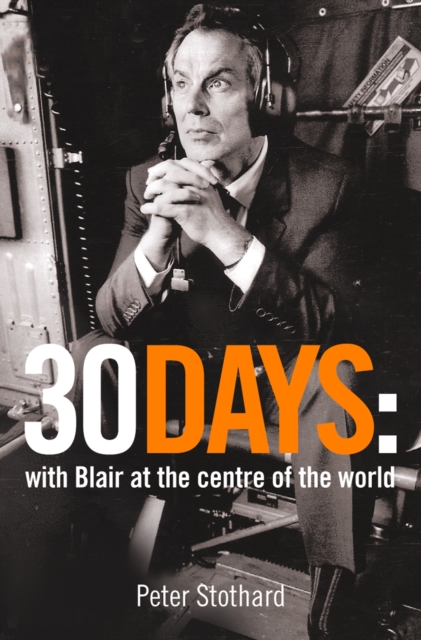
A unique, unprecedented eyewitness account of the thirty most critical days of Tony Blair's political career as Prime Minister, from 10 March 2003 to the end of the second Gulf War, written by the former editor of The Times.
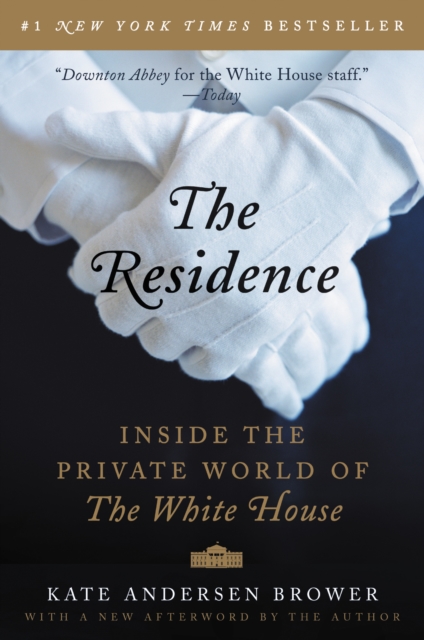
An intimate, behind-the-scenes history of the White House service staff, from the Kennedys to the present Americas First Families are unknowable in many ways.
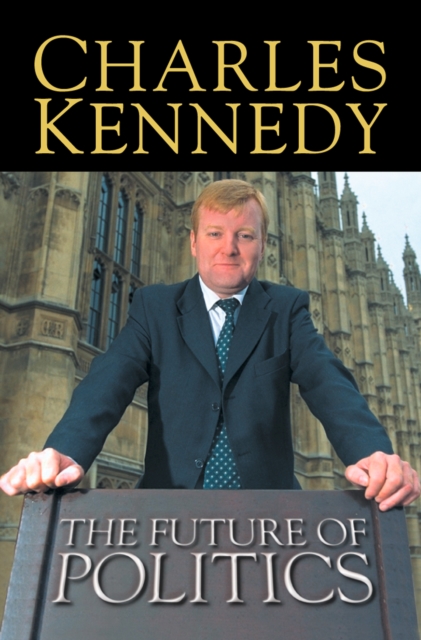
The former leader of the Liberal Democrats sets out his personal beliefs and political vision to create a new political language and a new brand of politics.
Introducing Israel Armstrong, one of literature's most unlikely detectives in the first of a series of novels from the author of the critically acclaimed Ring Road.
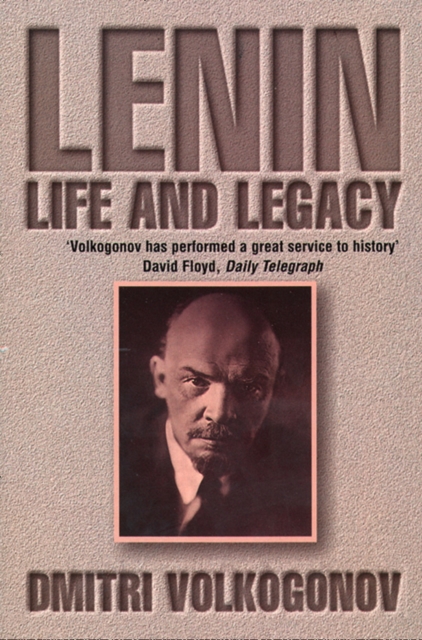
'Based on research among thousands of unpublished documents concealed in the Communist Party archives until the fall of the regime, Lenin: Life and Legacy is a crushing indictment of the regime's founder.
The comprehensive and groundbreaking biography of the Nobel Peace Prize-winning politician, one of the most influential and important men in Irish political history.
Bestselling military historian Richard Holmes delivers an expertly written and exhilarating biography of John Churchill, the Duke of Marlborough and Britain's finest soldier.
The definitive and first non-partisan biography of one of the most formidable political figures of the twentieth century (voted Woman of the Millennium in a BBC poll, 2000)Indira Gandhi's life, from her birth in 1917, through partition and up to her assassination in 1984, was dominated by the politics of her country.
Widely considered to be the most important biography of Nelson Mandela, Antony Sampson's remarkable book has been updated with an afterword by acclaimed South African journalist, John Battersby.
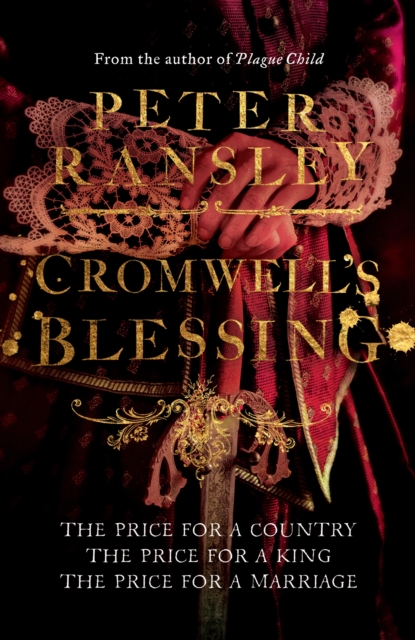
This popular history of the English Civil War tells the story of the bloody conflict between Oliver Cromwell and Charles I from the perspectives of those involved.
THE TIMES BIOGRAPHY OF THE DECADEWINNER OF THE 2013 SAMUEL JOHNSON PRIZE FOR NON-FICTIONWINNER OF THE 2013 COSTA BOOK AWARDS BIOGRAPHY OF THE YEARThe story of Gabriele D'Annunzio, poet, daredevil - and Fascist.
At the beginning of the financial crisis, in September 2008, Gordon Brown called an emergency press conference in which he declared, 'we will do whatever it takes to restore stability in the financial markets'.
A Times Political Book of the Year 2022A powerful and revelatory eyewitness account of the American collapse in Afghanistan, its desperate endgame, and the war's echoing legacy.