This book examines the often-overlooked dynamics of how political actors from peripheral regions engage with central authorities to shape national policymaking.
This new volume edited by two significant scholars of Italian history and politics offers students and scholars a sweeping overview of the modern history of a country that has played a crucial role in the history of Europe over the past two centuries.
The Parliamentary Battle Over Brexit provides answers to those who want to understand the bitter arguments that occurred over Brexit, what might have been handled better, and the role that parliament played.
The Parliamentary Battle Over Brexit provides answers to those who want to understand the bitter arguments that occurred over Brexit, what might have been handled better, and the role that parliament played.
Democracy is in decline and the share of world's population living in freedom under democratic government has decreased considerably as authoritarian practices proliferate.
Marking fifty years since the democratic transitions in Greece, Portugal, and Spain, this book traces how three countries that broke free from authoritarian rule in the mid-1970s have navigated consolidation, crisis, and the enduring tension between structural constraints and political agency to become, and remain, democracies.
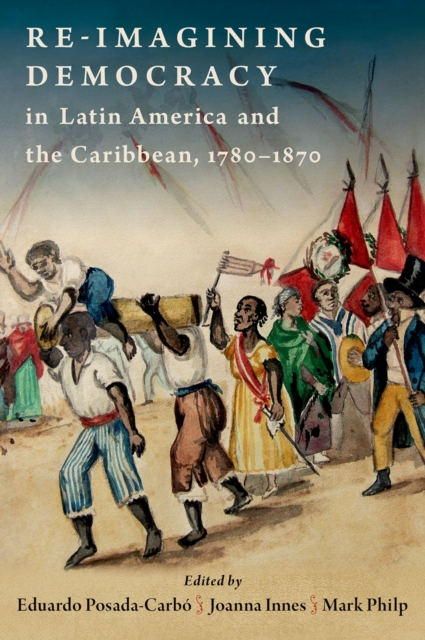
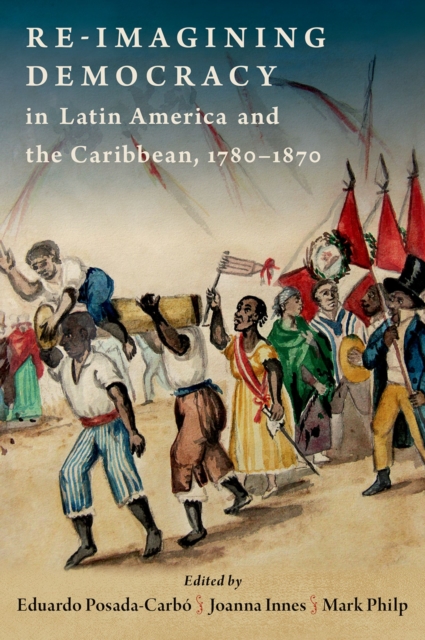
Re-imagining Democracy in Latin America and the Caribbean, 1780-1870 examines the ways in which the ancient concept of "e;democracy"e; was re-imagined as relevant to the modern world in Latin America and the Caribbean between the later eighteenth and later nineteenth centuries.
Marking fifty years since the democratic transitions in Greece, Portugal, and Spain, this book traces how three countries that broke free from authoritarian rule in the mid-1970s have navigated consolidation, crisis, and the enduring tension between structural constraints and political agency to become, and remain, democracies.
This book examines the often-overlooked dynamics of how political actors from peripheral regions engage with central authorities to shape national policymaking.
This new volume edited by two significant scholars of Italian history and politics offers students and scholars a sweeping overview of the modern history of a country that has played a crucial role in the history of Europe over the past two centuries.
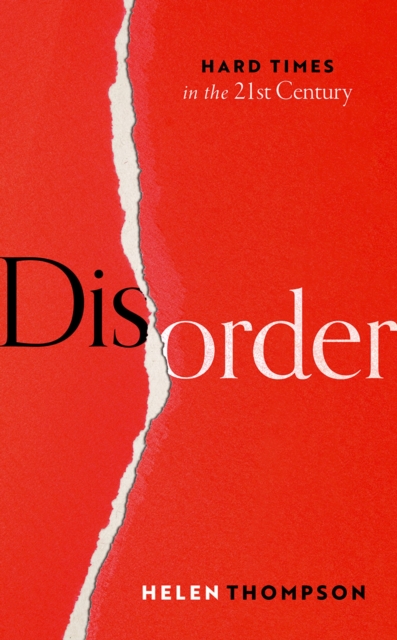
*THE #1 NEW YORK TIMES BESTSELLER* *A Financial Times Book of the Year**Economist Book of the Year* 'A political epic' - Guardian'This is the book Trump fears most.
Re-imagining Democracy in Latin America and the Caribbean, 1780-1870 examines the ways in which the ancient concept of "e;democracy"e; was re-imagined as relevant to the modern world in Latin America and the Caribbean between the later eighteenth and later nineteenth centuries.
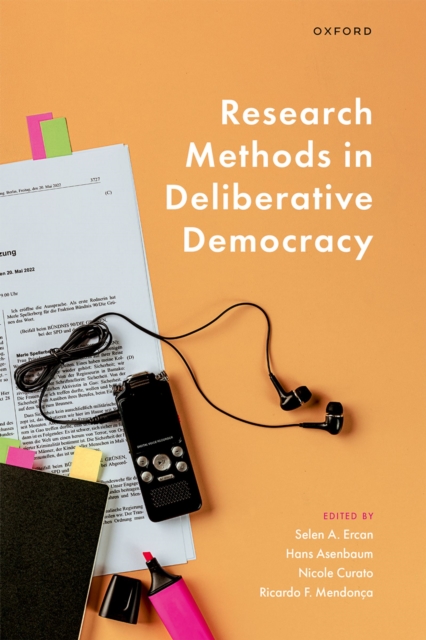
In recent years there has been great interest in new forms of citizen participation, such as citizens' assemblies or deliberative polls that involve ordinary citizens in political decision-making.
At a moment when our democratic abilities seem to have eroded, and political, economic, and technological forces have weakened the capacity for collective action, People, Power, Change is a once-in-a-generation book for anyone who wants to create real and lasting change.
At a moment when our democratic abilities seem to have eroded, and political, economic, and technological forces have weakened the capacity for collective action, People, Power, Change is a once-in-a-generation book for anyone who wants to create real and lasting change.
In recent years there has been great interest in new forms of citizen participation, such as citizens' assemblies or deliberative polls that involve ordinary citizens in political decision-making.
As the crisis of democratic capitalism sweeps the globe, The Great Retreat makes the controversial argument that what democracies require most are stronger political parties that serve as intermediaries between citizens and governments.
Feminizing Political Institutions considers representation from a new perspective by looking at how changes within the demographic composition of a political institution can change the way citizens think about and engage with politics.