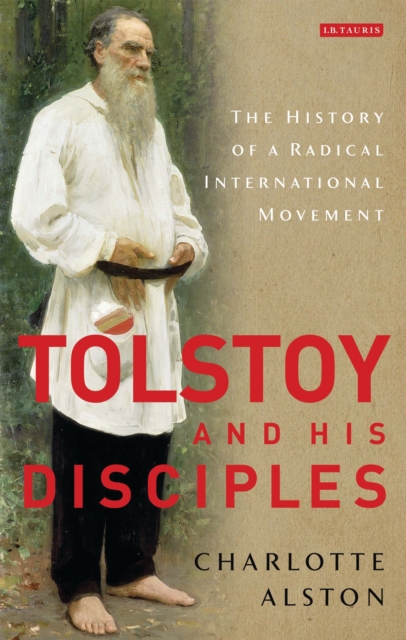
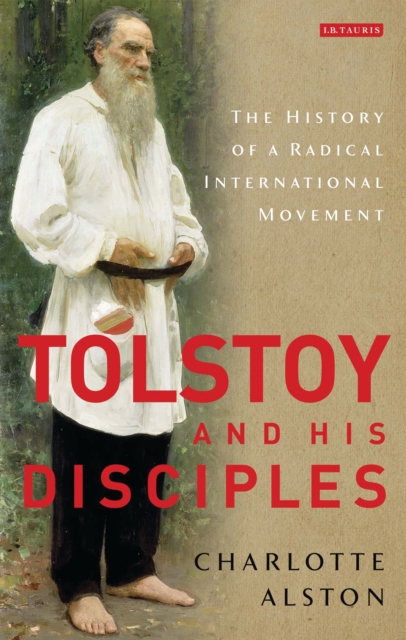
In the last thirty years of his life, Leo Tolstoy developed a moral philosophy that embraced pacifism, vegetarianism, the renunciation of private property, and a refusal to comply with the state.
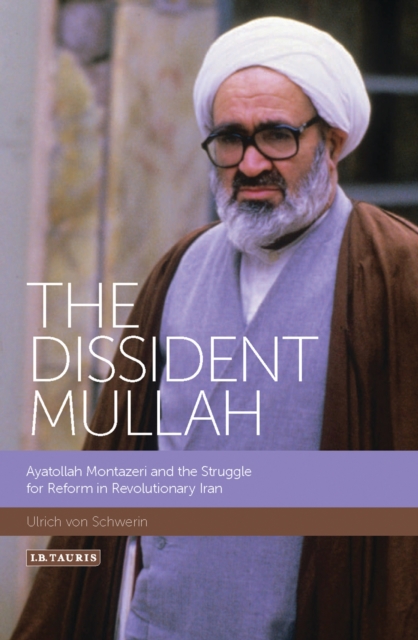
The Iranian cleric Ayatollah Montazeri (1922-2009) played an integral role in the founding of the Islamic Republic in the wake of the Iranian Revolution of 1978/9.
Number Ten Downing Street and the Cabinet Office are at the apex of power in British government, but relatively little is known about the day to day functioning of these great institutions of state.
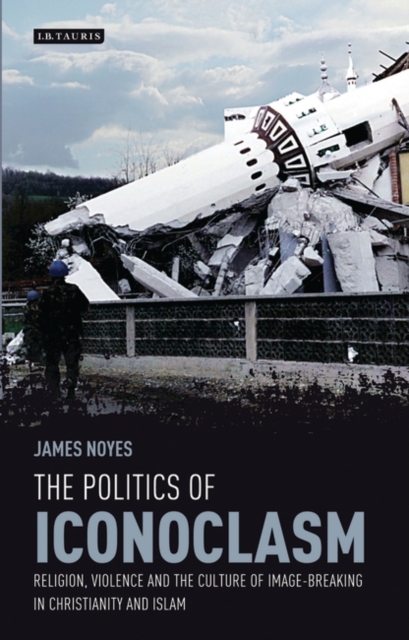
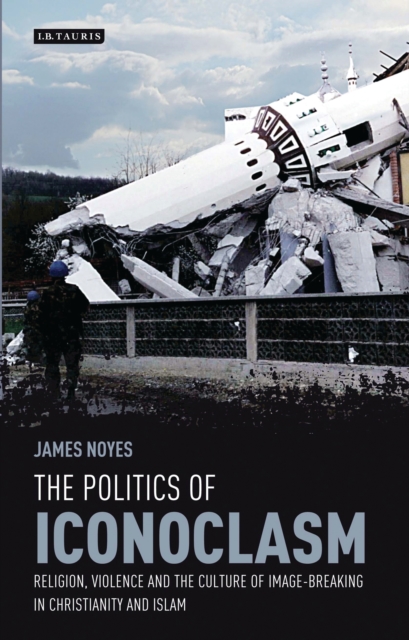
From false idols and graven images to the tombs of kings and the shrines of capitalism, the targeted destruction of cities, sacred sites and artefacts for religious, political or nationalistic reasons is central to our cultural legacy.
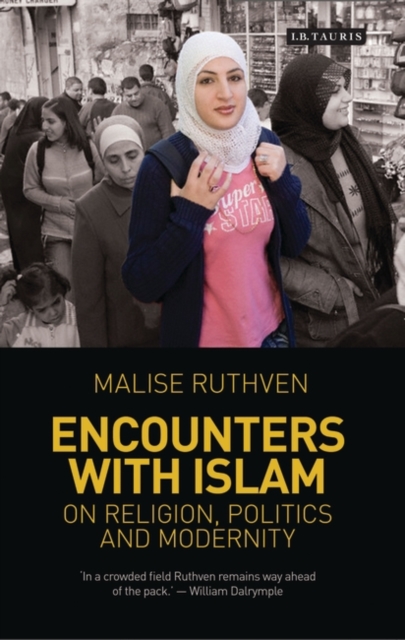
For many years Malise Ruthven has been at the forefront of discerning commentary on the Islamic world and its relations with the predominantly secularised and Christian societies of the West.
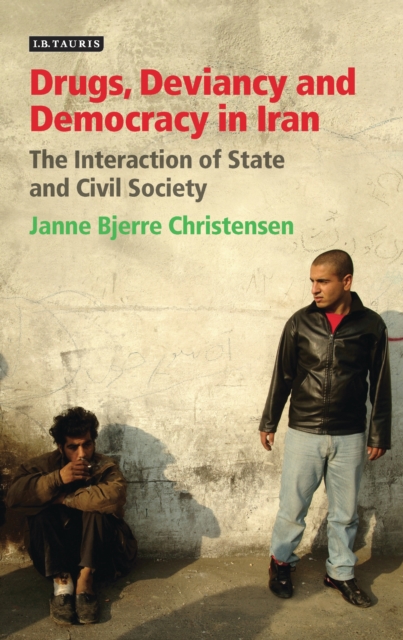
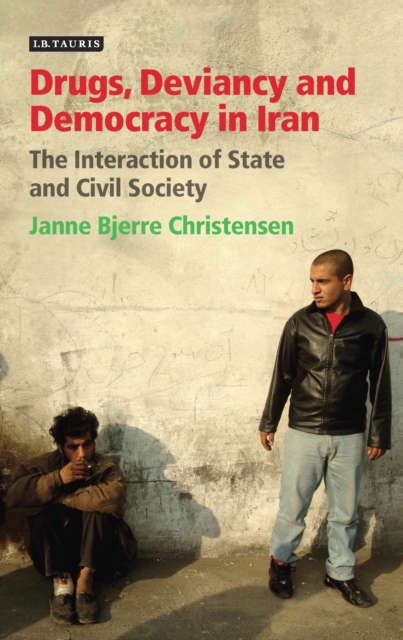
In the aftermath of the Iranian Revolution, the government of the Islamic Republic initiated a stringent anti-drug campaign that included fining addicts, imprisonment, physical punishment and even the death penalty.
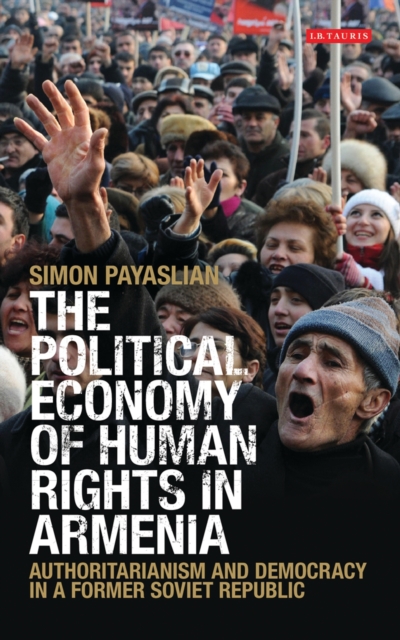
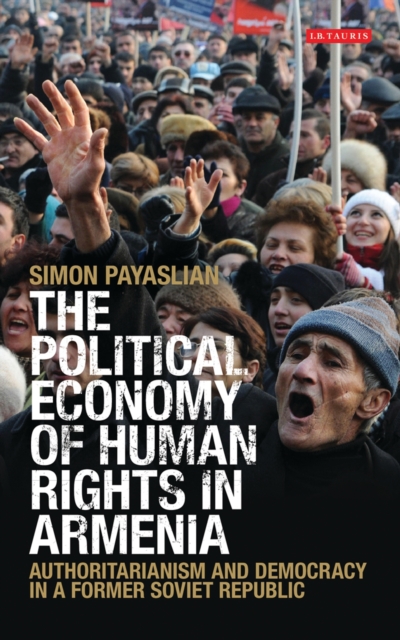
Since its independence from the Soviet Union in 1991, Armenia has experienced a reversal from democratization to a Soviet-style authoritarian regime and has been accused of repressive approaches to human rights.
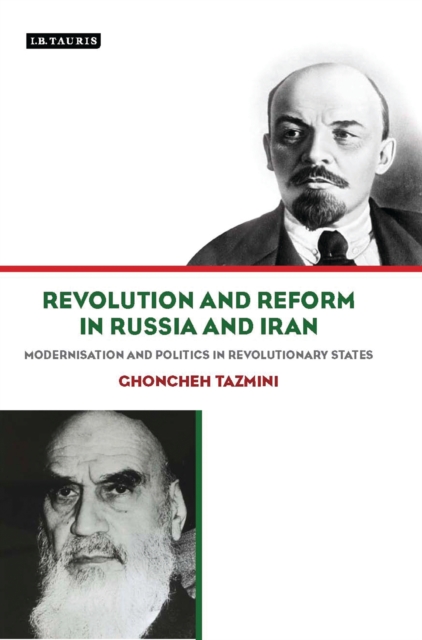
The Russian Revolutions of 1917 and the Iranian Revolution of 1979 are two examples of dramatic, sudden and extraordinary political upheaval that significantly altered the nature of the state and society in the modern age.
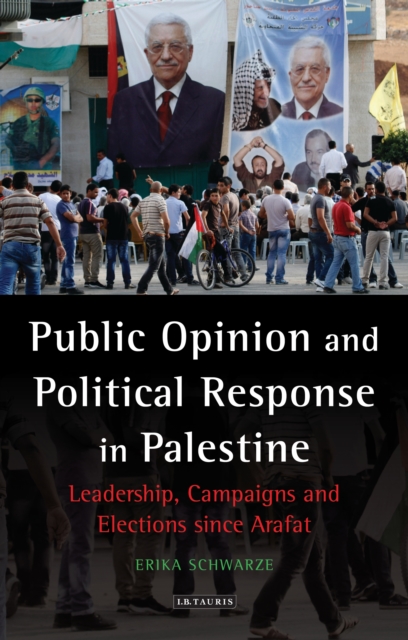
The 2006 elections for the Palestinian Legislative Council, the first in which both Fatah and Hamas fielded candidates, resulted in a resounding victory for Hamas.
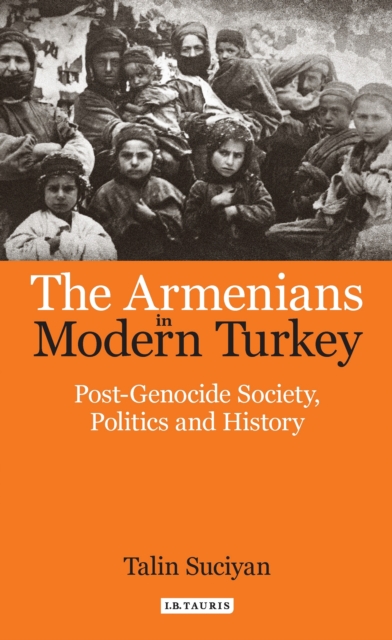
After the Armenian genocide of 1915, in which over a million Armenians died, thousands of Armenian-Turks lived and worked in the Turkish state alongside those who had persecuted their communities.
After the Armenian genocide of 1915, in which over a million Armenians died, thousands of Armenians lived and worked in the Turkish state alongside those who had persecuted their communities.
From 1501, when the first slaves arrived in Hispaniola, until the nineteenth century, some twelve million people were abducted from west Africa and shipped across thousands of miles of ocean - the infamous Middle Passage - to work in the colonies of the New World.
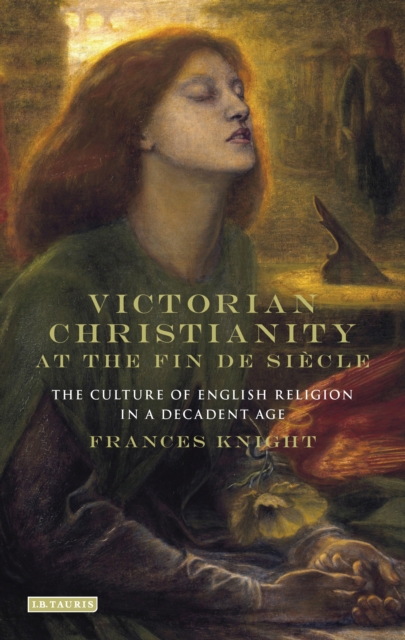
The period known as the fin de siecle - defined in this groundbreaking book as chiefly the period between1885 and 1901 - was a fluid and unsettling epoch of optimism and pessimism, endings and beginnings, aswell as of new forms of creativity and anxiety.
In the last thirty years of his life, Leo Tolstoy developed a moral philosophy that embraced pacifism, vegetarianism, the renunciation of private property, and a refusal to comply with the state.
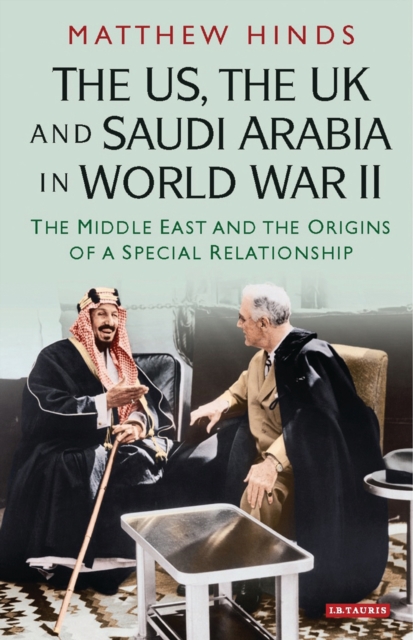
The story of Anglo-American relations in Saudi Arabia during the Second World War has generally been viewed as one of discord and hegemonic rivalry, a perspective reinforced by a tendency to consider Britain's decline and the ascent of US power as inevitable.
Number Ten Downing Street and the Cabinet Office are at the apex of power in British government, but relatively little is known about the day to day functioning of these great institutions of state.
From false idols and graven images to the tombs of kings and the shrines of capitalism, the targeted destruction of cities, sacred sites and artefacts for religious, political or nationalistic reasons is central to our cultural legacy.
For many years Malise Ruthven has been at the forefront of discerning commentary on the Islamic world and its relations with the predominantly secularised and Christian societies of the West.
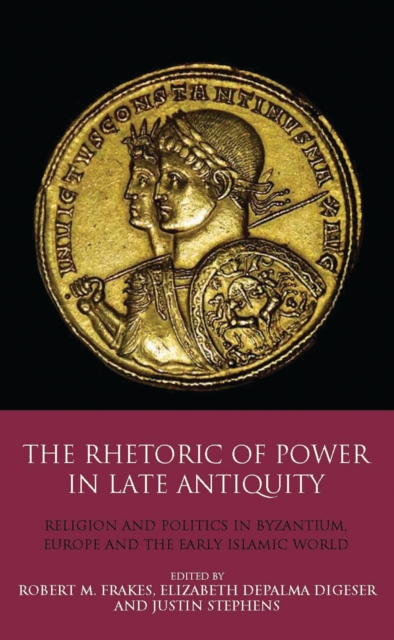
Late Antiquity, the period of transition from the crisis of Roman Empire in the third century to the Middle Ages, has traditionally been considered only in terms of the 'decline' from classical standards.
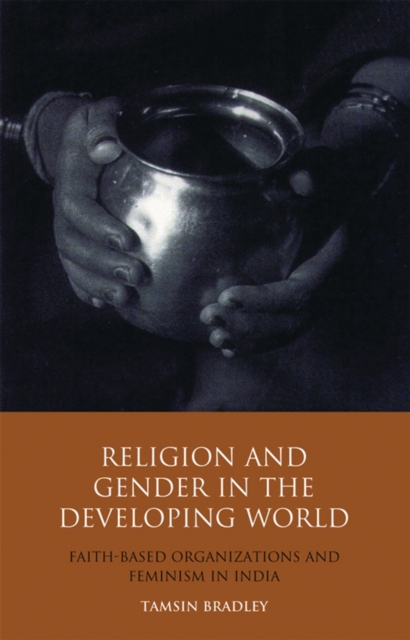
Faith-based development organizations have become a central part of the lives of the women of rural Rajasthan, and have come to represent an important aspect of both individual and collective identities.
In the aftermath of the Iranian Revolution, the government of the Islamic Republic initiated a stringent anti-drug campaign that included fining addicts, imprisonment, physical punishment and even the death penalty.
Since its independence from the Soviet Union in 1991, Armenia has experienced a reversal from democratization to a Soviet-style authoritarian regime and has been accused of repressive approaches to human rights.