Why leaders, not citizens, are the driving force in Europe's crisis of democracyAn apparent explosion of support for right-wing populist parties has triggered widespread fears that liberal democracy is facing its worst crisis since the 1930s.
An original defense of the unique value of voting in a democracyVoting is only one of the many ways that citizens can participate in public decision making, so why does it occupy such a central place in the democratic imagination?
A definitive biography of the French aristocrat who became one of democracy's greatest championsIn 1831, at the age of twenty-five, Alexis de Tocqueville made his fateful journey to America, where he observed the thrilling reality of a functioning democracy.
How to sustain an international system of cooperation in the midst of geopolitical struggleCan the international economic and legal system survive today's fractured geopolitics?
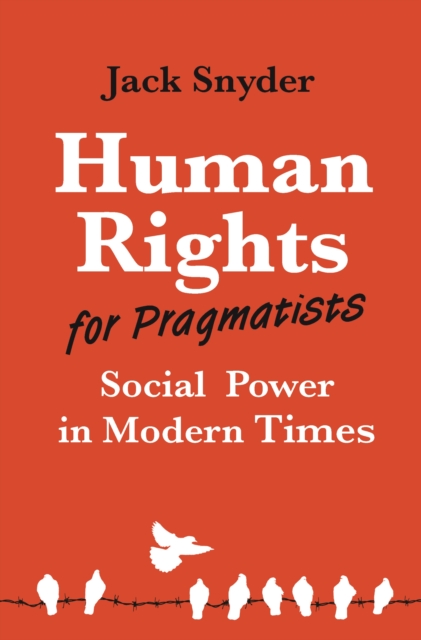
An innovative framework for advancing human rights Human rights are among our most pressing issues today, yet rights promoters have reached an impasse in their effort to achieve rights for all.
A panoramic history of American individualism from its nineteenth-century origins to today's bitterly divided politicsIndividualism is a defining feature of American public life.
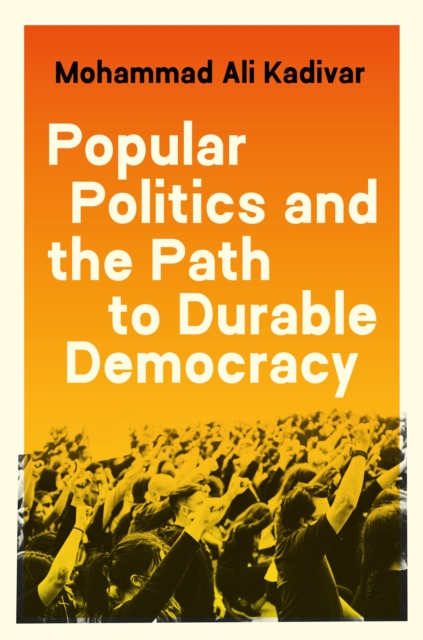
A groundbreaking account of how prolonged grassroots mobilization lays the foundations for durable democratizationWhen protests swept through the Middle East at the height of the Arab Spring, the world appeared to be on the verge of a wave of democratization.
How Tocqueville's ideas can help us build resilient liberal democracies in a divided worldHow can today's liberal democracies withstand the illiberal wave sweeping the globe?
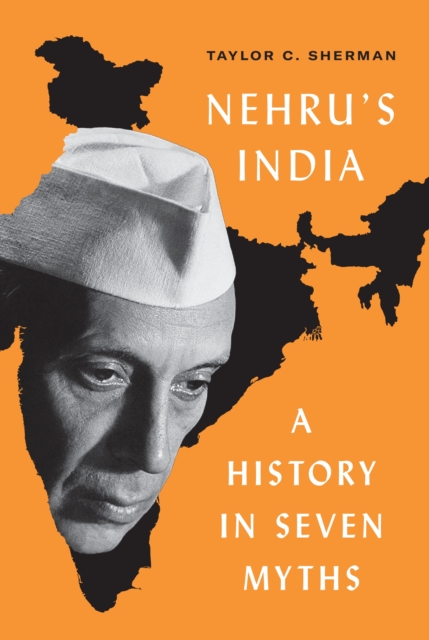
An iconoclastic history of the first two decades after independence in IndiaNehru's India brings a provocative but nuanced set of new interpretations to the history of early independent India.
As national political fights are waged at the state level, democracy itself pays the priceOver the past generation, the Democratic and Republican parties have each become nationally coordinated political teams.
How policies forged after September 11 were weaponized under Trump and turned on American democracy itselfIn the wake of the September 11 terror attacks, the American government implemented a wave of overt policies to fight the nation's enemies.
America's increasing racial and ethnic diversity is viewed by some as an opportunity to challenge and so reinforce the country's social fabric; by others, as a portent of alarming disunity.
A riveting account of how a popularly elected leader has steered the world's largest democracy toward authoritarianism and intoleranceOver the past two decades, thanks to Narendra Modi, Hindu nationalism has been coupled with a form of national-populism that has ensured its success at the polls, first in Gujarat and then in India at large.
How differing forms of repression shape the outcomes of democratic transitionsIn the wake of the Arab Spring, newly empowered factions in Tunisia and Egypt vowed to work together to establish democracy.
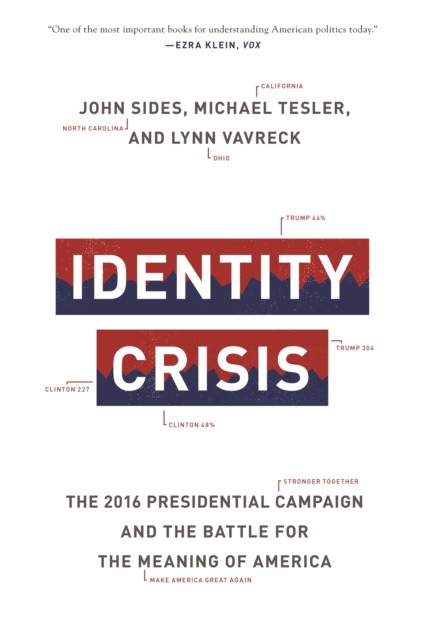
A gripping in-depth look at the presidential election that stunned the worldDonald Trump's election victory resulted in one of the most unexpected presidencies in history.
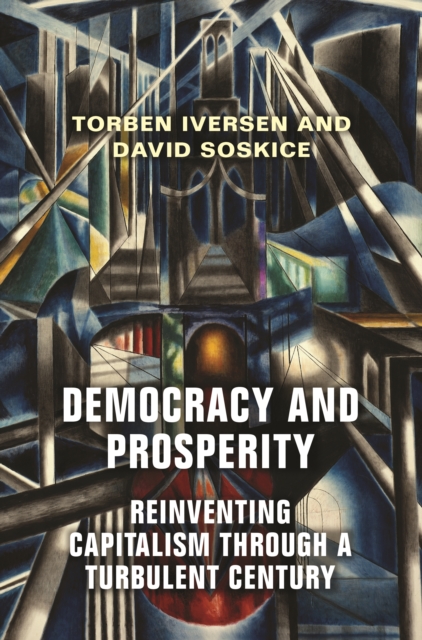
A groundbreaking new historical analysis of how global capitalism and advanced democracies mutually support each otherIt is a widespread view that democracy and the advanced nation-state are in crisis, weakened by globalization and undermined by global capitalism, in turn explaining rising inequality and mounting populism.
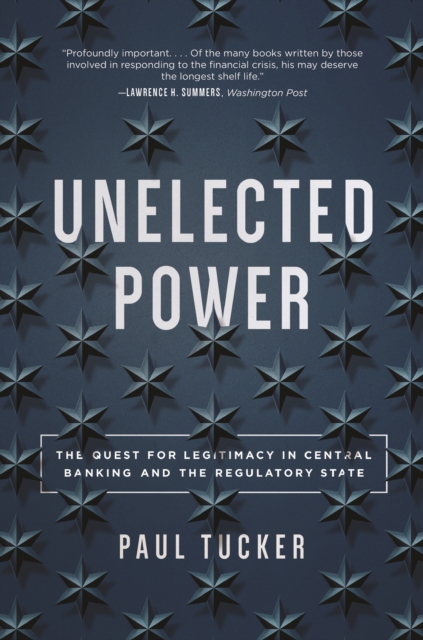
How central banks and independent regulators can support rather than challenge constitutional democracyUnelected Power lays out the principles needed to ensure that central bankers and other independent regulators act as stewards of the common good.
An authoritative collection of the most important writings of an influential political thinkerSheldon Wolin was one of the most influential and original political thinkers of the past fifty years.
A book that challenges everything you thought you knew about the online economyThe internet was supposed to fragment audiences and make media monopolies impossible.
A groundbreaking new historical analysis of how global capitalism and advanced democracies mutually support each otherIt is a widespread view that democracy and the advanced nation-state are in crisis, weakened by globalization and undermined by global capitalism, in turn explaining rising inequality and mounting populism.
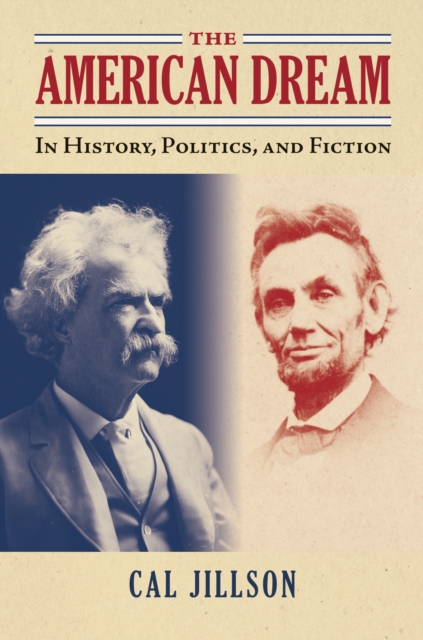
Life, liberty, and the pursuit of happiness: these words have long represented the promise of America, a shimmering vision of a fruitful country open to all who come, learn, work, save, invest, and play by the rules.
How institutions shape the American presidencyThis incisive undergraduate textbook emphasizes the institutional sources of presidential power and executive governance, enabling students to think more clearly and systematically about the American presidency at a time when media coverage of the White House is awash in anecdotes and personalities.
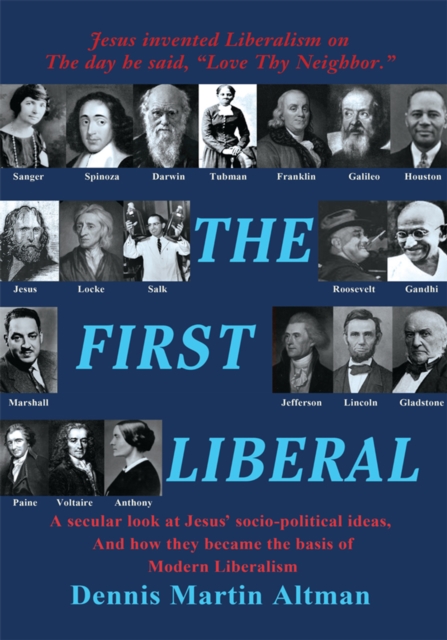
"e;Altman has picked up on things that a good portion of the population has not yet discovered The First Liberal is a timely book, and one I think will get more than a few people talking.
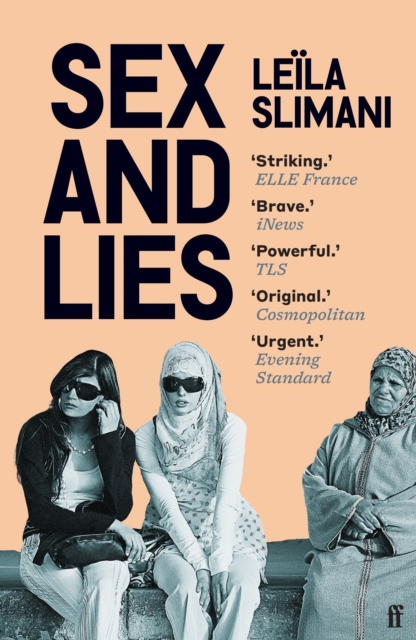
'Striking' ELLE France'Brave' iNews'Powerful' TLS'Urgent' Evening Standard'Original' CosmopolitanThe first work of non-fiction in English from the prize-winning and internationally bestselling author of Lullaby and Adele, translated by Sophie Lewis.
First published in 1986, Nicaragua, written from an insider's point of view breaks the barrier of disinformation which has surrounded the Sandinista revolution.
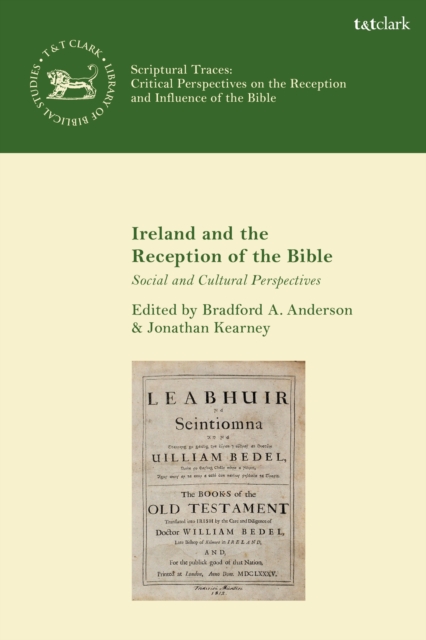
Drawing on the work of leading figures in biblical, religious, historical, and cultural studies in Ireland and beyond, this volume explores the reception of the Bible in Ireland, focusing on the social and cultural dimensions of such use of the Bible.
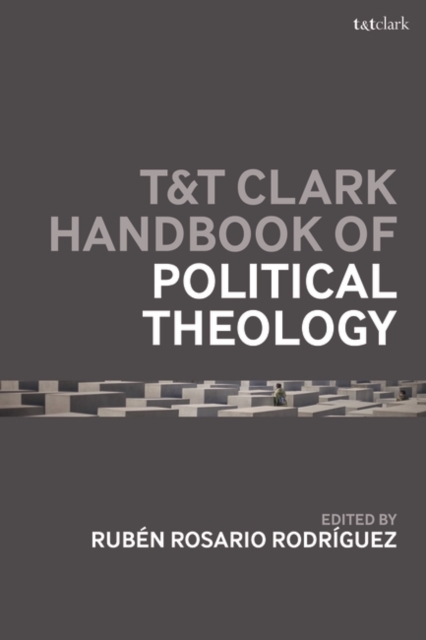
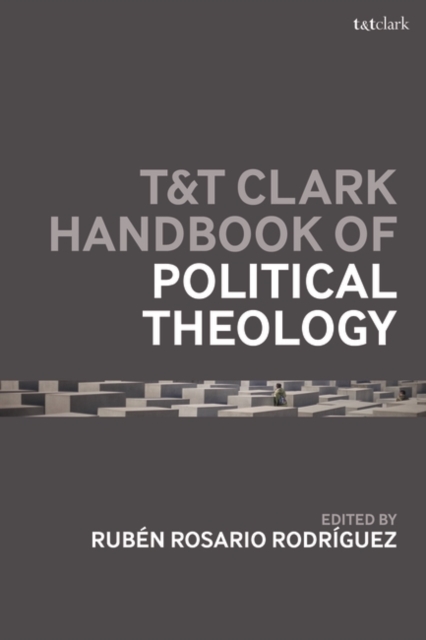
The T&T Clark Handbook of Political Theology is a comprehensive reference resource informed by serious theological scholarship in the three Abrahamic traditions.
The T&T Clark Handbook of Political Theology is a comprehensive reference resource informed by serious theological scholarship in the three Abrahamic traditions.
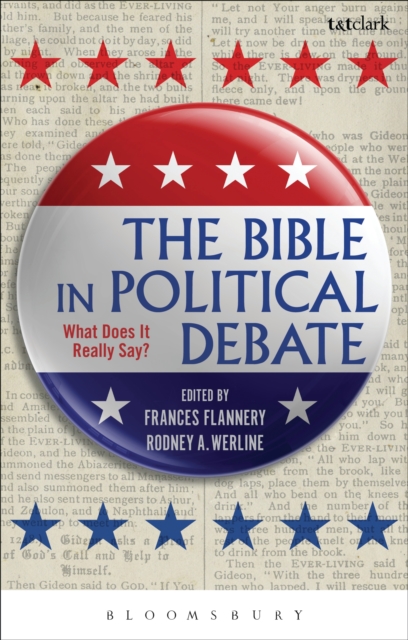
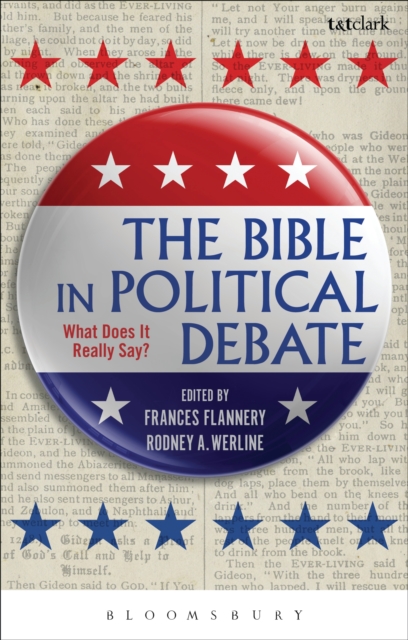
Politicians and pundits regularly invoke the Bible in social and political debates on a host of controversial social and political issues, including: abortion, stem-cell research, gay marriage, the death penalty, separation of church and state, family values, climate change, income distribution, teaching evolution in schools, taxation, school prayer, aid for the poor, and immigration.
Politicians and pundits regularly invoke the Bible in social and political debates on a host of controversial social and political issues, including: abortion, stem-cell research, gay marriage, the death penalty, separation of church and state, family values, climate change, income distribution, teaching evolution in schools, taxation, school prayer, aid for the poor, and immigration.
Catherine Pepinster charts the relationship between the British and the papacy in the modern era, looking at how this relationship is coloured by its turbulent past.
Catherine Pepinster charts the relationship between the British and the papacy in the modern era, looking at how this relationship is coloured by its turbulent past.
Guido de Graaff explores the political dimension and significance of friendship, arguing that its specific contribution lies not only in its theological approach, but also in its particular focus distinguishing the 'political' from the 'social' and/or 'civic'.
Guido de Graaff explores the political dimension and significance of friendship, arguing that its specific contribution lies not only in its theological approach, but also in its particular focus distinguishing the 'political' from the 'social' and/or 'civic'.