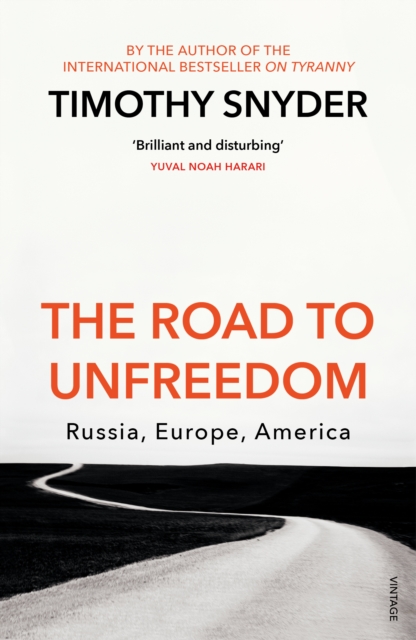
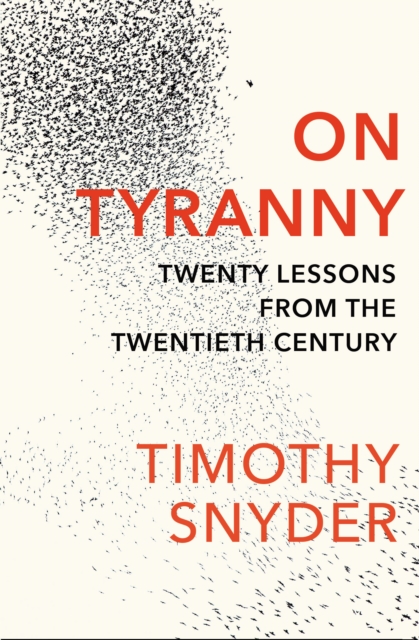
From the author of international bestseller On Tyranny, this prescient analysis of Russia's ongoing interference in the West is now more relevant than ever.
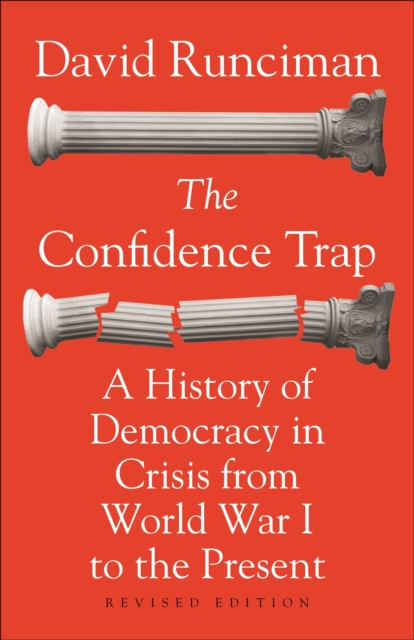
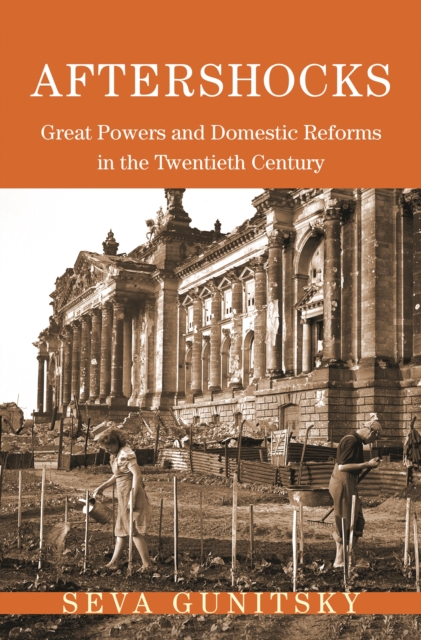
**NEW YORK TIMES #1 BESTSELLER **THE BOOK TO HELP YOU UNDERSTAND WHY DEMOCRACY IS FAILING IN 2025 The most coherent manifesto on confronting Trump New StatesmanIn the twentieth century, European democracies collapsed into fascism, Nazism and communism.
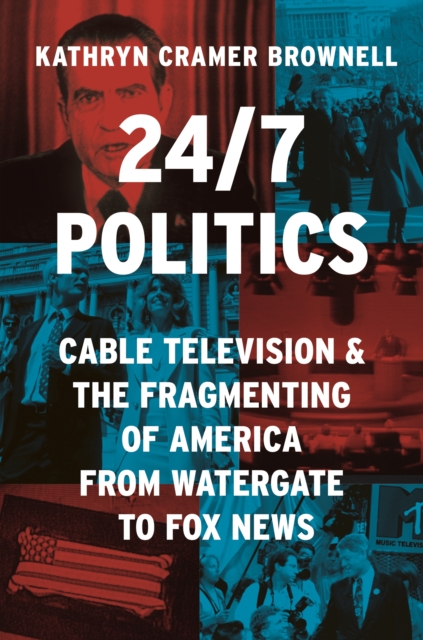
How cable television upended American political life in the pursuit of profits and influenceAs television began to overtake the political landscape in the 1960s, network broadcast companies, bolstered by powerful lobbying interests, dominated screens across the nation.
An incisive portrait of how the new Black politics can forge a future centered on collective action, community, and careWhen #BlackLivesMatter emerged in 2013, it animated the most consequential Black-led mobilization since the civil rights and Black power era.
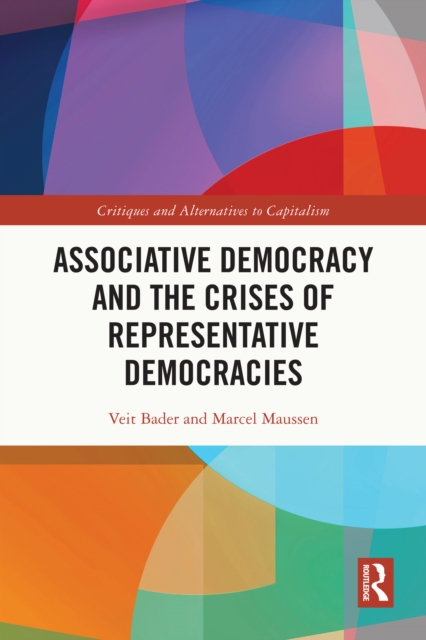
The familiar problems of democratic capitalism have given way to a deep crisis challenging the basic forms of governance introduced around the late 18th century and then gradually expanded and developed until the late 20th century.
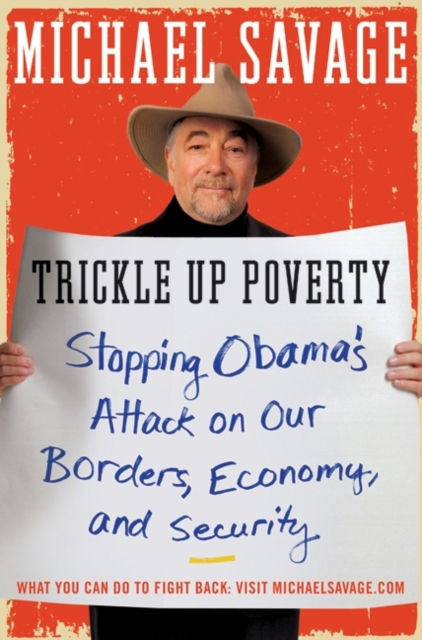
Michael Savage-conservative talk radio host and #1 New York Times bestselling author-takes on President Obama's socialist agenda, his Chicago-style strong-arm tactics, and his Lenin-like complex in Trickle Up Poverty.
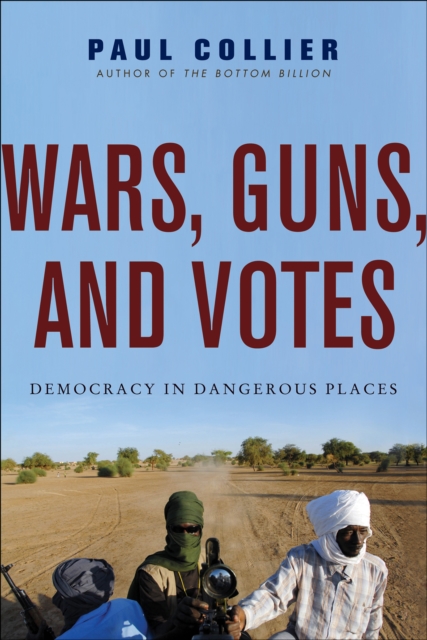
An expert on developing nations offers "e;accessible and very sensible analysis"e; of America's promotion of democracy abroad-and why it often fails (Publishers Weekly).
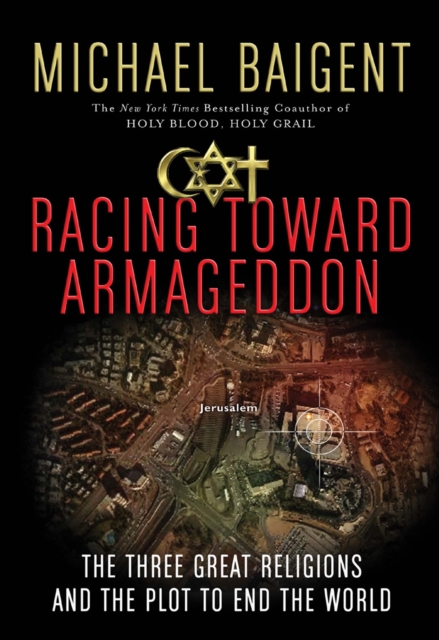
The bestselling author uncovers fundamentalists of all religions who are setting much of the world's political agenda in their race toward the end times.
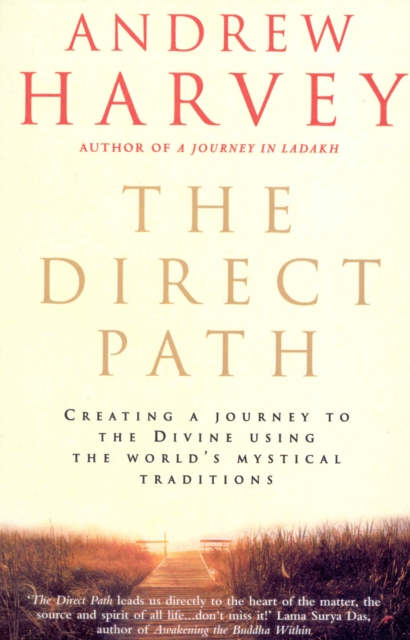
Drawing on Tibetan, Hindu, Taoist, Christian and Kabbalistic traditions, Andrew Harvey shows why he believes the direct path is now essential to the future survival of humanity - and how the truth and vibrancy of this radical vision depends on reclamation of the Sacred Feminine.
From the New York Times bestselling author of Nudge and The World According to Star Wars, a revealing account of how today's Internet threatens democracy-and what can be done about itAs the Internet grows more sophisticated, it is creating new threats to democracy.
How American political participation is increasingly being shaped by citizens who wield more resourcesThe Declaration of Independence proclaims equality as a foundational American value.
A groundbreaking and surprising look at contemporary censorship in ChinaAs authoritarian governments around the world develop sophisticated technologies for controlling information, many observers have predicted that these controls would be ineffective because they are easily thwarted and evaded by savvy Internet users.
A sweeping history of Latin American republicanism in the nineteenth centuryBy the 1820s, after three centuries under imperial rule, the former Spanish territories of Latin America had shaken off their colonial bonds and founded independent republics.
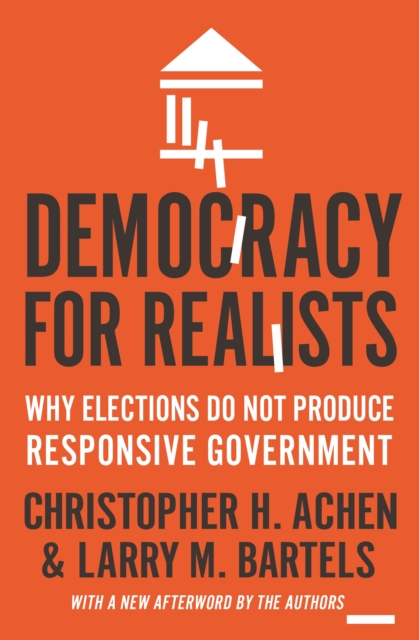
Why our belief in government by the people is unrealistic-and what we can do about itDemocracy for Realists assails the romantic folk-theory at the heart of contemporary thinking about democratic politics and government, and offers a provocative alternative view grounded in the actual human nature of democratic citizens.
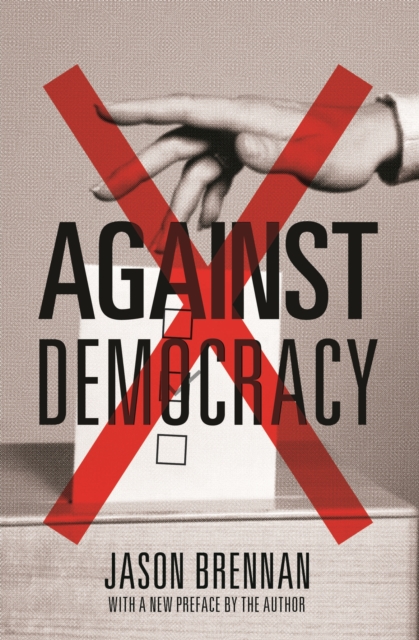
A bracingly provocative challenge to one of our most cherished ideas and institutionsMost people believe democracy is a uniquely just form of government.
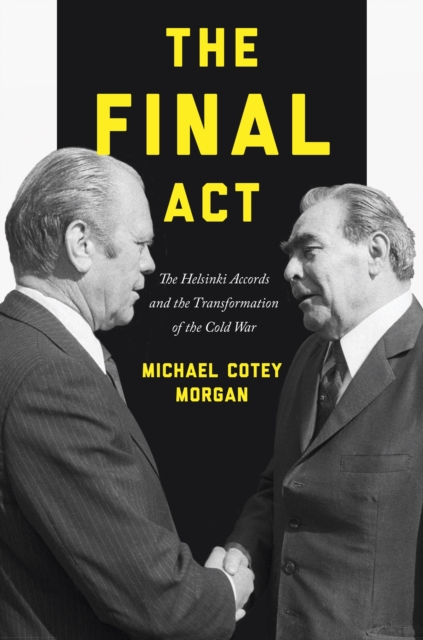
The first in-depth account of the historic diplomatic agreement that served as a blueprint for ending the Cold WarThe Helsinki Final Act was a watershed of the Cold War.
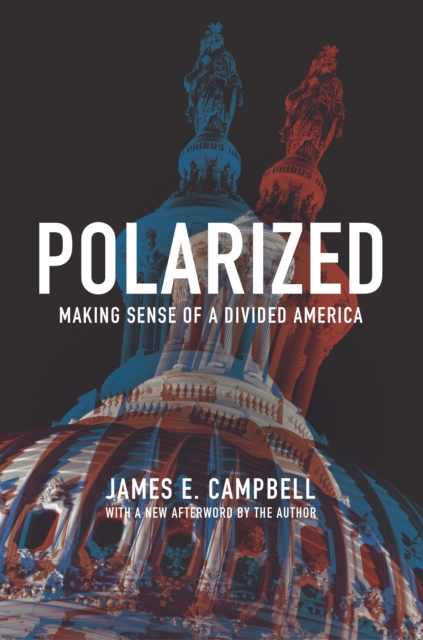
An eye-opening look at how and why America has become so politically polarizedMany continue to believe that the United States is a nation of political moderates.
Over the past century, democracy spread around the world in turbulent bursts of change, sweeping across national borders in dramatic cascades of revolution and reform.
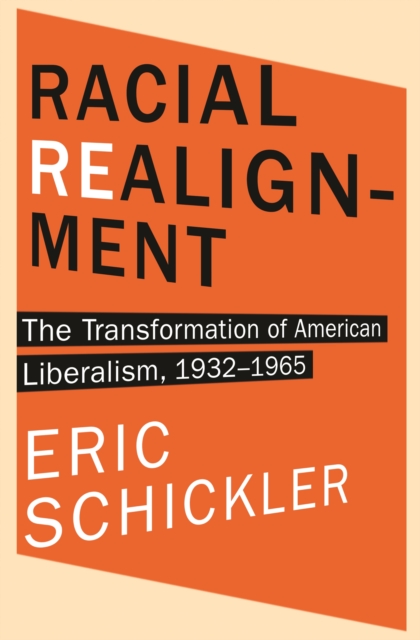
Few transformations in American politics have been as important as the integration of African Americans into the Democratic Party and the Republican embrace of racial policy conservatism.
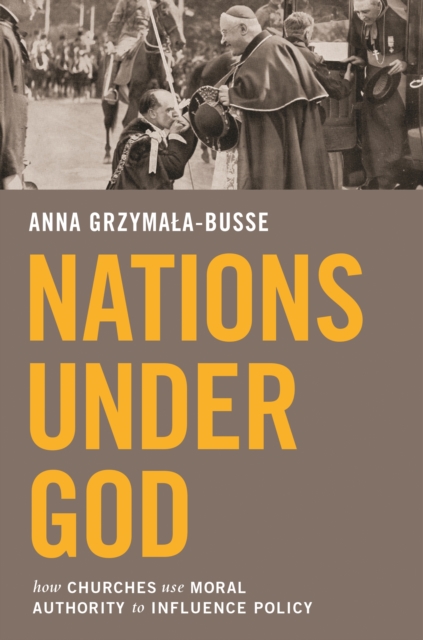
Why churches in some democratic nations wield enormous political power while churches in other democracies don'tIn some religious countries, churches have drafted constitutions, restricted abortion, and controlled education.
Europe's long sixteenth century-a period spanning the years roughly from the voyages of Columbus in the 1490s to the English Civil War in the 1640s-was an era of power struggles between avaricious and unscrupulous princes, inquisitions and torture chambers, and religious differences of ever more violent fervor.
Constituents often fail to hold their representatives accountable for federal spending decisions-even though those very choices have a pervasive influence on American life.
How governmental failure led to the 2008 financial crisis-and what needs to be done to avoid another similar event Behind every financial crisis lurks a "e;political bubble"e;-policy biases that foster market behaviors leading to financial instability.
Now in paperback: the bestselling author of Gods Politics revives our hope in a politics that reflects our highest common values and offers a roadmap for solving our biggest social problems.
The past thirty years have seen a surge of empirical research into political decision making and the influence of framing effects--the phenomenon that occurs when different but equivalent presentations of a decision problem elicit different judgments or preferences.
Why American democracy favors the affluent and educatedPolitically active individuals and organizations make huge investments of time, energy, and money to influence everything from election outcomes to congressional subcommittee hearings to local school politics, while other groups and individual citizens seem woefully underrepresented in our political system.
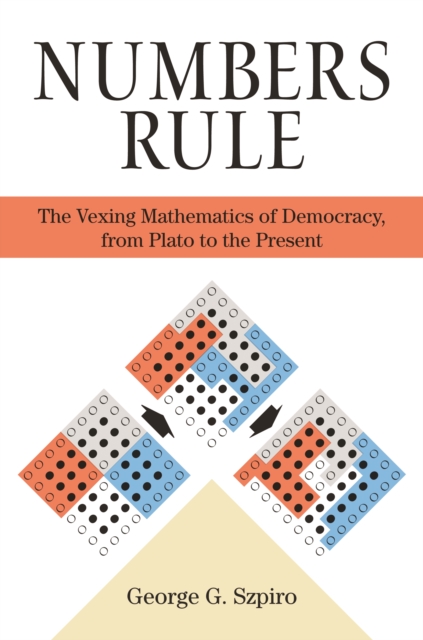
A lively history of the peculiar math of votingSince the very birth of democracy in ancient Greece, the simple act of voting has given rise to mathematical paradoxes that have puzzled some of the greatest philosophers, statesmen, and mathematicians.
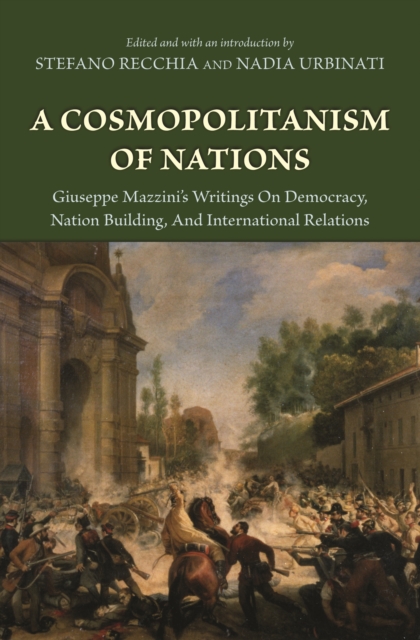
This anthology gathers Giuseppe Mazzini's most important essays on democracy, nation building, and international relations, including some that have never before been translated into English.
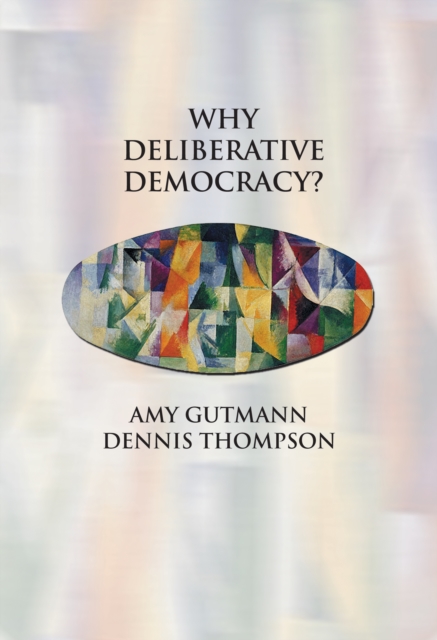
The most widely debated conception of democracy in recent years is deliberative democracy--the idea that citizens or their representatives owe each other mutually acceptable reasons for the laws they enact.
The American political reformer Herbert Croly wrote, "e;For better or worse, democracy cannot be disentangled from an aspiration toward human perfectibility.
Whether examining election outcomes, the legal status of terrorism suspects, or if (or how) people can be sentenced to death, a judge in a modern democracy assumes a role that raises some of the most contentious political issues of our day.
The New American RevolutionA controversial and powerful manifesto for twenty-first-century American Patriots"e;It's time to swing back the curtains and invite the light in.
Religious Pluralism and the City challenges the notion that the city is a secular place, and calls for an analysis of how religion and the city are intertwined.
Religious Pluralism and the City challenges the notion that the city is a secular place, and calls for an analysis of how religion and the city are intertwined.