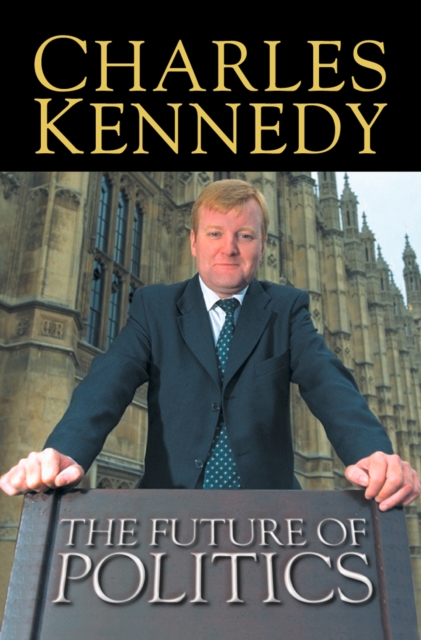
The former leader of the Liberal Democrats sets out his personal beliefs and political vision to create a new political language and a new brand of politics.
The definitive and first non-partisan biography of one of the most formidable political figures of the twentieth century (voted Woman of the Millennium in a BBC poll, 2000)Indira Gandhi's life, from her birth in 1917, through partition and up to her assassination in 1984, was dominated by the politics of her country.
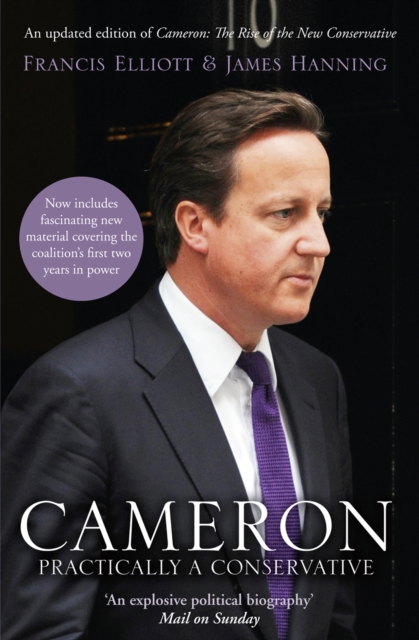
A fully updated edition of Cameron: The Rise of the New Conservative, the first major biography of David Cameron, and now covering his first years as Prime Minister and leader of the coalition government.
In one of the most explosive and hotly debated books of the past year, Sir Peregrine Worsthorne presents a reactionary and playful look at the origins, evolution and demise of the aristocracy and what we can expect to replace them.
Matt Frei, the BBC's former Washington correspondent, goes under the skin of the nation's capital to unravel the paradoxes of the world's last remaining superpower.
Derived from theologian Wayne Grudem's Politics-According to the Bible, this digital short outlines five misguided approaches Christians take to politics and a way that is both more biblical and better for society.
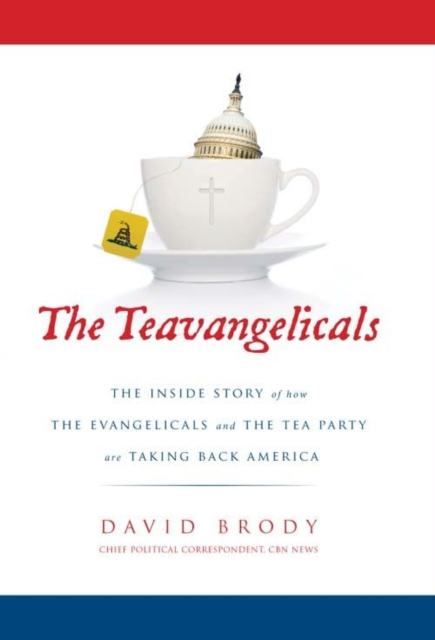
The Teavangelicals is a one-of-a-kind book chock-full of original reporting from the 2012 presidential race with an up-close look at how evangelicals and the Tea Party are plotting strategy to reclaim America.
The global movement toward democracy, spurred in part by the ending of the cold war, has created opportunities for democratization not only in Europe and the former Soviet Union, but also in Africa.
Disciples of Christ in America must live out and express their faith in practical, meaningful ways in the "e;real world"e; including the political process.
An immediate bestseller upon its publication in 1880, the anonymously penned Democracy prompted widespread speculation and guessing games as to its author’s identity.
Having risen to national attention with his first book, For Common Things, Jedediah Purdy now cements his claim to being one of the most arresting public intellectuals of his generation.
The first theory of legitimate opposition in fifty years In political systems defined by legitimate opposition, those who hold power allow their rivals to peacefully challenge and displace them, and those who have lost power do not seek to sabotage the winners.
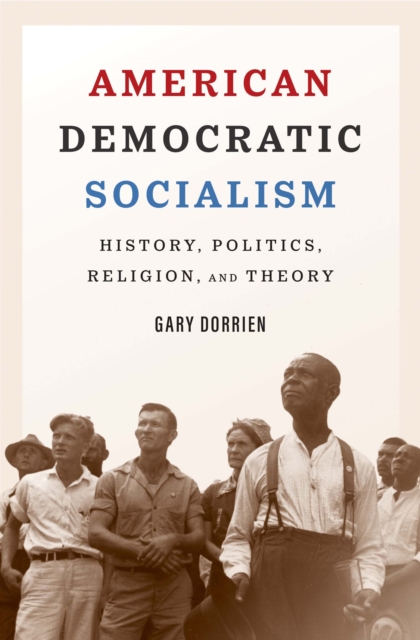
A sweeping, ambitious history of American democratic socialism from one of the world's leading intellectual historians and social ethicists "e;Dorrien is supremely qualified for the task he has set himself in this very thoughtful, necessary, and timely book.
From one of our leading scholars of comparative constitutionalism, advice for everyone involved in the surprisingly common practice of constitution-writing Enhancing prospects for democracy is an important objective in the process of creating a new constitution.
Available now for the first time in English, the most important work of one of the great moderate political leaders of the Muslim world Rached Ghannouchi has long been known as a reformist or moderate Islamist thinker.
From one of the world’s leading philosophers, this is a powerful defense of religion’s role within the modern university What is religion’s place within the academy today?
An incisive, comparative study of the development of Post–World War II progressive politics in Britain, France, and the United States Toward the end of World War II, the three democracies faced a common choice: return to the civic order of prewar normalcy or embark instead on a path of progressive transformation.
How popular democracy has paradoxically eroded trust in political systems worldwide, and how to restore confidence in democratic politics Democracies across the world are adopting reforms to bring politics closer to the people.
A bold new interpretation of Germany’s democratic transformation in the twentieth century, focusing on the generation that shaped the post-Nazi reconstruction Not long after the horrors of World War II and the Holocaust, Germans rebuilt their shattered country and emerged as one of the leading nations of the Western liberal world.
From a distinguished historian, a detailed and compelling examination of how the early Republic struggled with the idea that “all men are created equal” How did Americans in the generations following the Declaration of Independence translate its lofty ideals into practice?
Political scientist Samuel DeCanio examines how political elites used high levels of voter ignorance to create a new type of regulatory state with lasting implications for American politics.
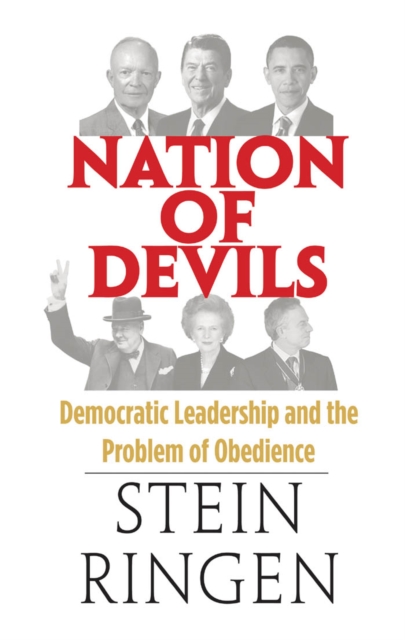
Oxford University political theorist Stein Ringen offers a thought-provoking meditation on the art of democratic rule: how does a government persuade the people to accept its authority?
In this updated and expanded edition of his classic text, Arend Lijphart offers a broader and deeper analysis of worldwide democratic institutions than ever before.
Since the end of the Cold War, the assumption among most political theorists has been that as nations develop economically, they will also become more democratic—especially if a vibrant middle class takes root.
Thoroughly revised and updated, with an extensive analysis of the 2008 election, this book remains the best analysis of the Electoral College for both students and general readers.
This timely book investigates the increasing visibility and influence of evangelical Christians in recent American politics with a focus on racial justice.
Norton Garfinkle paints a disquieting picture of America today: a nation increasingly divided between economic winners and losers, a nation in which the middle-class American Dream seems more and more elusive.
In Uniting America, some of the country’s most prominent social thinkers—among them Francis Fukuyama, Daniel Yankelovich, Amitai Etzioni, Alan Wolfe, Uwe Reinhardt, and Thomas E.