From the Arab uprisings to the indignados movement and the global Occupy sit-ins, recent protests and civil unrest have sparked new debates about political organisation, media representation and the nature of contemporary citizenship.
Representative democracy has long been problematic and subject to erosion through the introduction of components of direct democracy (referenda, voter initiatives and systems of recall).
Democracy is the apparent motor of globalization, binding together ideas and institutions such as citizenship, human rights, race, the free market, multiculturalism, development, politics and the economy.
From discussions on democracy, to attempts to widen the scope of citizenship beyond the confines of the nation-state, Western thinking of the political community has continued to assume a unifying principle of sameness, reflected in history, space, language, or reason, as the condition of possibility of the community.
This important new book identifies the distinctive characteristics of the ideological terrain in contemporary (South) Korean politics and reexamines the political thought of Park Chung-hee (1917-1979), the most revered, albeit the most controversial, former president in the history of South Korea, in light of those characteristics.
** The Sunday Times #1 Bestseller**'One of the greatest political memoirs of all time' GuardianWhat happens when you take on the European establishment?
This book sets out the most influential theories of democracy (liberal-egalitarian, deliberative, and cosmopolitan) and argues that they fail to adequately comprehend the cause of politically meaningful inequality on the one hand and the security state on the other.
This important new book identifies the distinctive characteristics of the ideological terrain in contemporary (South) Korean politics and reexamines the political thought of Park Chung-hee (1917-1979), the most revered, albeit the most controversial, former president in the history of South Korea, in light of those characteristics.
Over the last two decades, military and authoritarian regimes in Latin America have receded as indigenous social movements and popular protests have demanded and won peaceful transitions to democratically-elected governments.
The book provides for a historical-materialist understanding of the multiple crises of capitalism, focusing on the ecological crisis and its interaction with other crisis phenomena (financial crisis, crisis of democracy, economic crisis).
Deliberative democracy is increasingly central in democratic theory and its concepts are employed in a growing number of fields, including social movement studies and environmental politics.
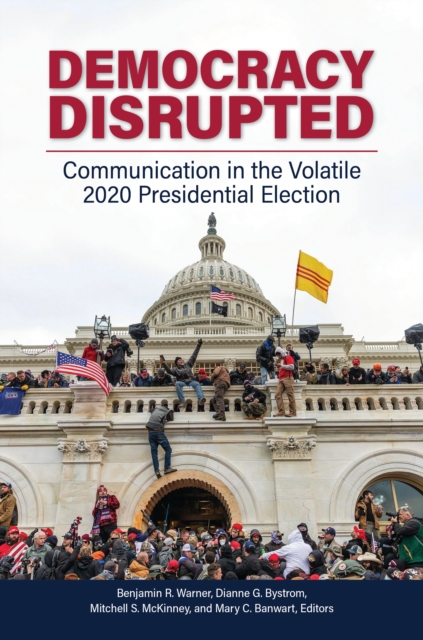
Leading scholars analyze three disruptions in the 2020 presidential campaign and election: disruptions to the status quo caused by the renewed quest for racial justice and greater diversity of candidates, pandemic disruptions to traditional campaigning, and disruptions to democratic norms.
This book shows how the United States can begin dealing with the most difficult and intractable political issues that afflict liberal democracy today: by initiating an inclusive public practice of ethical dialogue and deliberation.
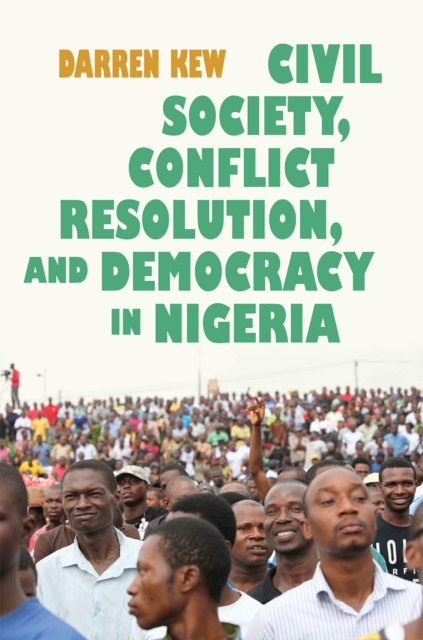
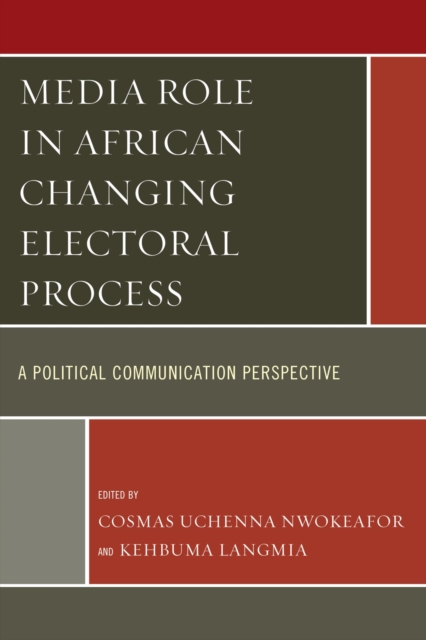
African nations have watched the recent civic dramas of the Arab Spring and Occupy Wall Street asking if they too will see similar civil society actions in their own countries.
Exploring how sweeping demographic changes have resulted in the ineffectiveness of recent monetary and fiscal policies, this book identifies corrective actions that will start to reverse the trends of low economic growth and widespread government deficits.
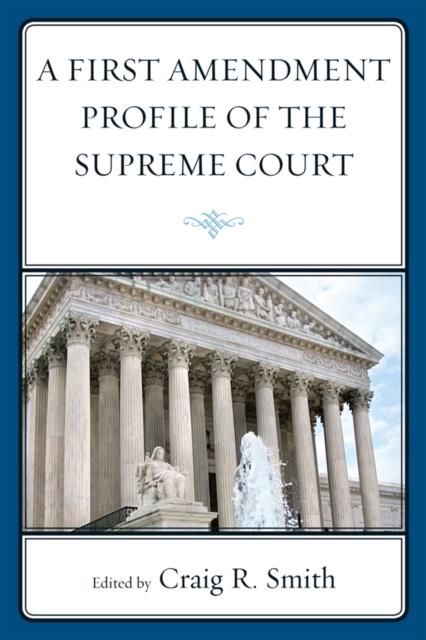
A First Amendment Profile of the Supreme Court focuses on the nine justices of the United States Supreme Court and determines their frames for assessing First Amendment cases.
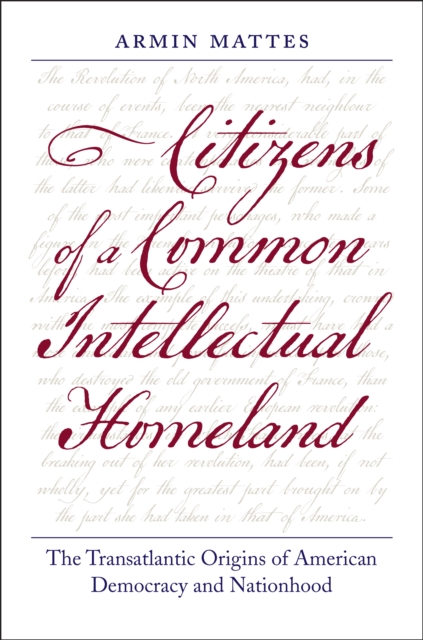
Notions of democracy and nationhood constitute the pivotal legacy of the American Revolution, but to understand their development one must move beyond a purely American context.
Tom Paine's America explores the vibrant, transatlantic traffic in people, ideas, and texts that profoundly shaped American political debate in the 1790s.
Notions of democracy and nationhood constitute the pivotal legacy of the American Revolution, but to understand their development one must move beyond a purely American context.
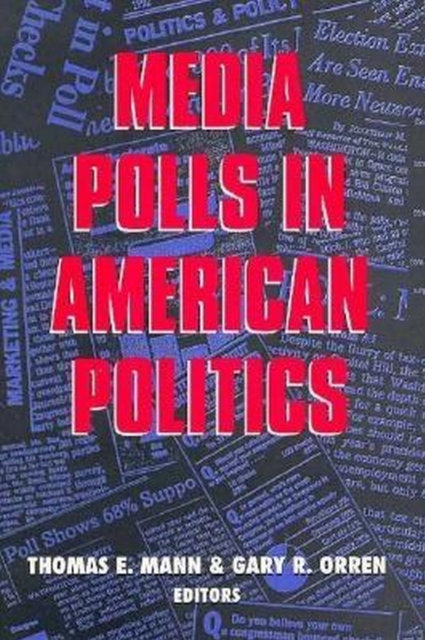
Public opinion pools have become staples of contemporary political reporting, and most national news organizations have sophisticated in-house polling operations.
Tom Paine's America explores the vibrant, transatlantic traffic in people, ideas, and texts that profoundly shaped American political debate in the 1790s.
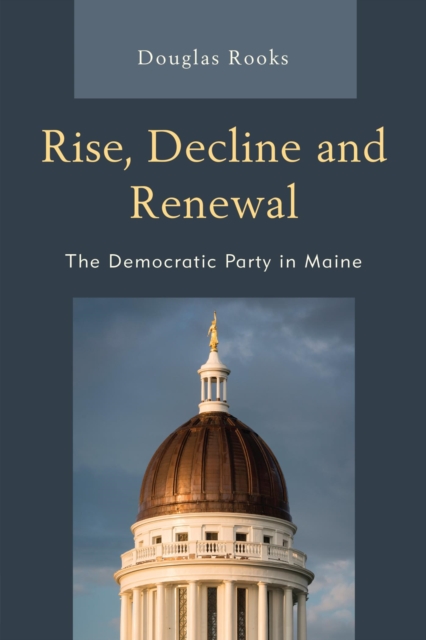
Rise, Decline and Renewal tells the remarkable story of the Maine Democratic Party - how it suddenly rose from irrelevance in 1954 with the election of Governor Ed Muskie, successfully challenged the ruling Republican Party over the next two decades, and initiated a creative period of wide-ranging reforms that produced a model government for a state long perceived as a cultural and economic backwater.
Technology Integration and Transformation of Elections in Africa serves as a standard textbook and a reference guide to students in both undergraduate and graduate programs in tertiary institutions where elaborate discourse on the impact of technology to political elections and advancements across the continental Africa have continued to gain weight.
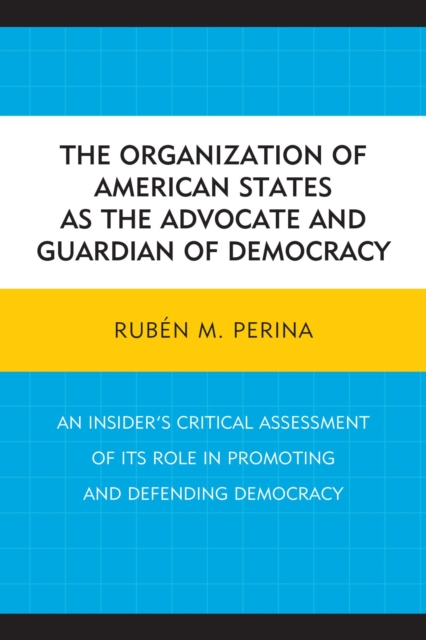
As democracy has become the preferred system of government in the hemisphere in the past thirty years or so, its promotion and defense have also become the cornerstone and raison d'etre of the Organization of American States (OAS)-the central and principal inter-governmental institution in the Western Hemisphere.
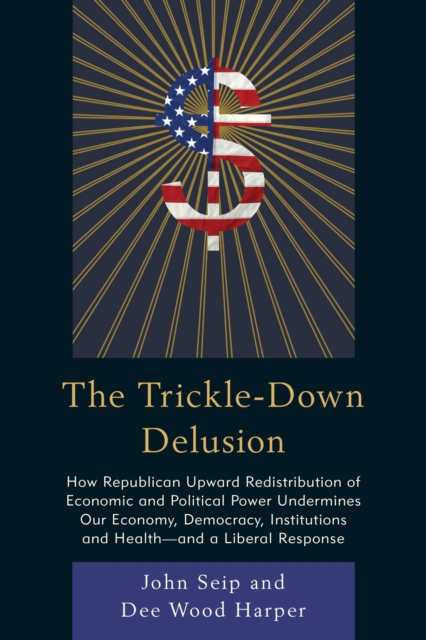
From inside the book:"e;Since 1980, the economy has been growing, and productivity has been growing, but trickle-down values-that we, the American people promote, pursuant to the Republican Party's conservative ideology-have rigged the economy to continuously upwardly redistribute those revenues attributable to our increased productivity, yielding a productivity/wage disconnect, resulting in increased concentration of income and wealth at the top, in corporations and among older Americans (beneficiaries of income from Social Security, pensions and investments and continuing income due to delaying retirement), and the lowest percentage of GDP attributable to wages and highest attributable to profits since World War II.
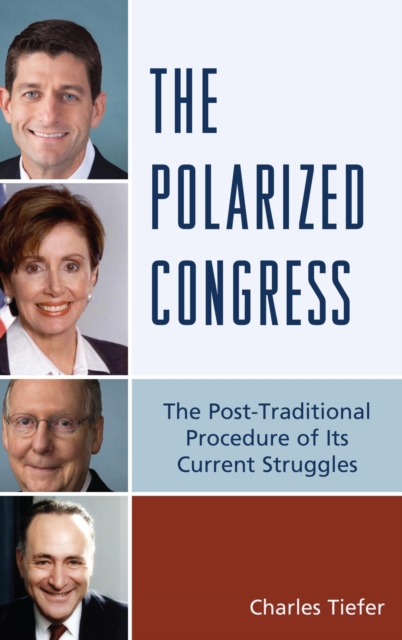
The Polarized Congress: The Post-Traditional Procedure of Its Current Struggles argues that the rise of the polarized Congress means a totally different Congressional procedure, especially after 2007, compared to the accustomed "e;traditional"e; one.
Latin American History through its Art and Literature uses 2,000 years of Latin American history as the organizing theme, and then explores that history through the words of the writer, the brush of the painter, the pen of the cartoonist, and the lens of the photographer.