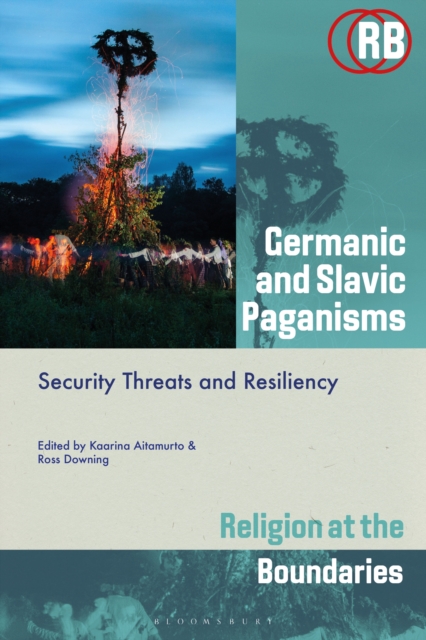
Providing an intensive and up-to-date analysis of far-right, ethno-purist and nationalistic currents as well as the inclusive visions for social and ecological change, this book explores the complexities of contemporary Slavic and Germanic Paganisms.
Der internationale Bestseller: Die Erinnerung von Angela Merkel16 Jahre trug Angela Merkel die Regierungsverantwortung für Deutschland, führte das Land durch zahlreiche Krisen und prägte mit ihrem Handeln und ihrer Haltung die deutsche und internationale Politik und Gesellschaft.
This resource helps readers navigate and better understand the religious, cultural, and political impact of American views of religious faith and scientific inquiry.
Esta obra se centra en el análisis del documento Kairós, un texto de carácter ecuménico y contextual elaborado en 1985, cuando Sudáfrica vive uno de los momentos más trágicos de su historia reciente bajo el régimen del apartheid.
Calling for a faith that lives by what it affirms, not just by what it denies, this book outlines a positive, engaging message supported by active spiritual practices, and carried out in action for a better community and planet.
Warum das Volk nicht immer automatisch Recht hatWenn sich Politiker*innen der unterschiedlichsten Parteien auf etwas verständigen können, dann auf die unumstößliche Grundregel: Wähler*innen haben immer recht.
When God is dead and governments themselves are increasingly subject to the power of global corporations, massive movements of peoples, transnational political upheavals, and ecological disasters, what does sovereignty mean for the 21st century?
Seit einigen Jahren findet die Bezeichnung Klassismus für die ungerechtfertigte Benachteiligung aufgrund der sozioökonomischen Herkunft oder Position verbreitet Anwendung im öffentlichen Diskurs.
Following decades of brutal campaigns against left forces, fascism in its nationalist and religious forms has been dominating Turkish, Iranian, and Arab politics for over half a century.
From a State Department-arranged German sex hotel to costly, unsubstantiated investigations brought on by anonymous sources, Yall Fired shows readers the unfortunate reality of a young woman's fight to institute America First reforms and what the permanent government of DC will do to resist it.