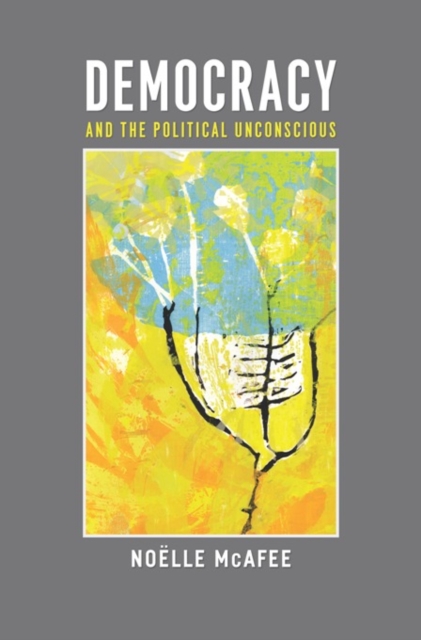
Political philosopher Noelle McAfee proposes a powerful new political theory for our post-9/11 world, in which an old pathology-the repetition compulsion-has manifested itself in a seemingly endless war on terror.
Immigration has long been associated with the urban landscape, from accounts of inner-city racial tension and discrimination during the 1960s and 1970s and studies of minority communities of the 1980s and 1990s, to the increased focus on cities amongst contemporary scholars of migration and diaspora.
How the NRA became a political juggernaut by influencing the behaviors and beliefs of everyday AmericansThe National Rifle Association is one of the most powerful interest groups in America, and has consistently managed to defeat or weaken proposed gun regulations-even despite widespread public support for stricter laws and the prevalence of mass shootings and gun-related deaths.
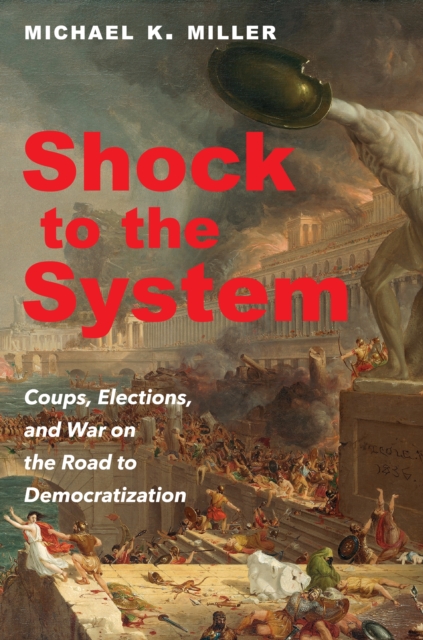
How differing forms of repression shape the outcomes of democratic transitionsIn the wake of the Arab Spring, newly empowered factions in Tunisia and Egypt vowed to work together to establish democracy.
The important political motivations behind why women finally won the right to voteIn the 1880s, women were barred from voting in all national-level elections, but by 1920 they were going to the polls in nearly thirty countries.
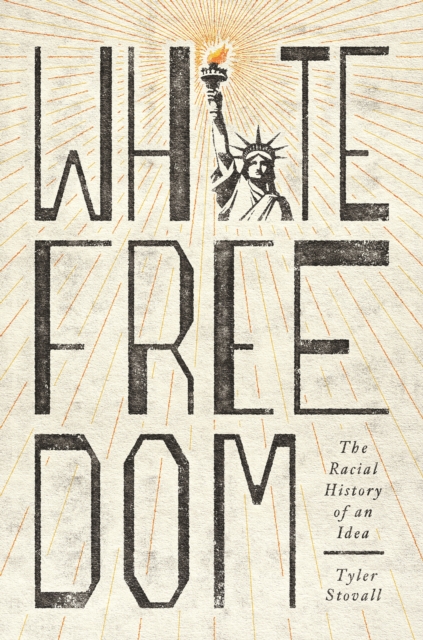
The racist legacy behind the Western idea of freedomThe era of the Enlightenment, which gave rise to our modern conceptions of freedom and democracy, was also the height of the trans-Atlantic slave trade.
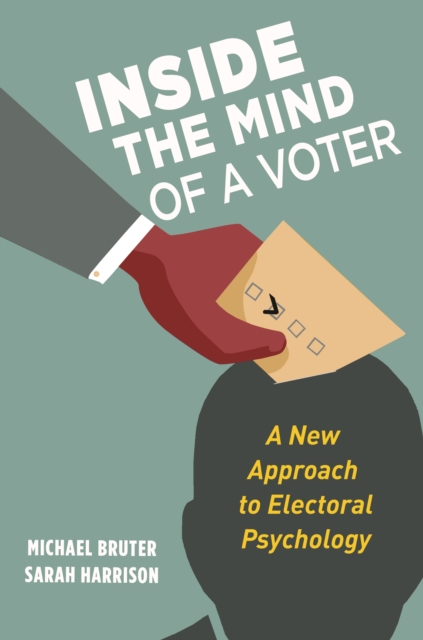
An in-depth look into the psychology of voters around the world, how voters shape elections, and how elections transform citizens and affect their livesCould understanding whether elections make people happy and bring them closure matter more than who they vote for?
Why compromise is essential for effective government and why it is missing in politics todayTo govern in a democracy, political leaders have to compromise.
How the executive branch-not the president alone-formulates executive orders, and how this process constrains the chief executive's ability to act unilaterallyThe president of the United States is commonly thought to wield extraordinary personal power through the issuance of executive orders.
An authoritative guide to federal democracy from two respected experts in the fieldAround the world, federalism has emerged as the system of choice for nascent republics and established nations alike.
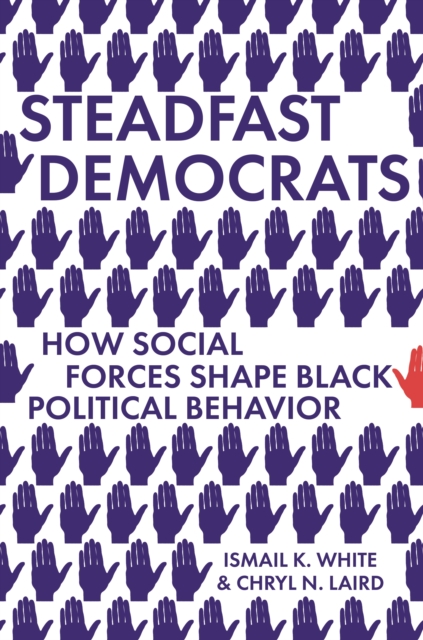
A groundbreaking look at how group expectations unify Black Americans in their support of the Democratic partyBlack Americans are by far the most unified racial group in American electoral politics, with 80 to 90 percent identifying as Democrats-a surprising figure given that nearly a third now also identify as ideologically conservative, up from less than 10 percent in the 1970s.
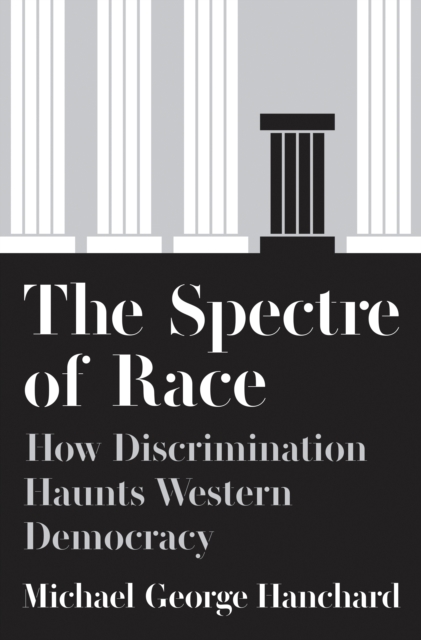
How racism and discrimination have been central to democracies from the classical period to todayAs right-wing nationalism and authoritarian populism gain momentum across the world, liberals, and even some conservatives, worry that democratic principles are under threat.
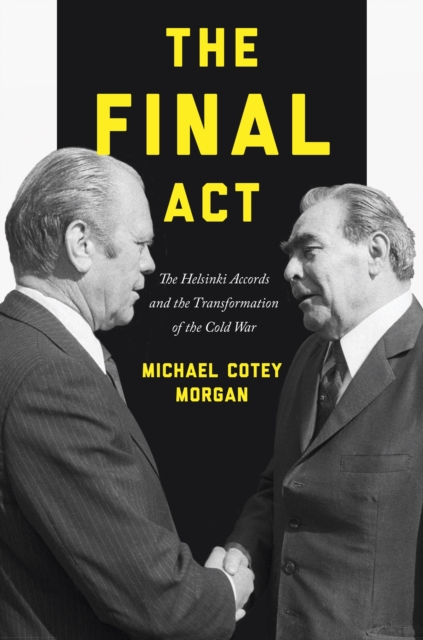
The first in-depth account of the historic diplomatic agreement that served as a blueprint for ending the Cold WarThe Helsinki Final Act was a watershed of the Cold War.
Why our belief in government by the people is unrealistic-and what we can do about itDemocracy for Realists assails the romantic folk-theory at the heart of contemporary thinking about democratic politics and government, and offers a provocative alternative view grounded in the actual human nature of democratic citizens.
While the Arab Uprisings presented new opportunities for the empowerment of women, the sidelining of women remains a constant risk in the post-revolutionist MENA countries.
INDIA is the worlds largest democracy, and the sixth largest economy with the likelihood that this success will continue for many decades in the 21st century.
The third edition of this highly-regarded core textbook offers an accessible and impressively comprehensive account of Western Political Thought over the last two millennia.
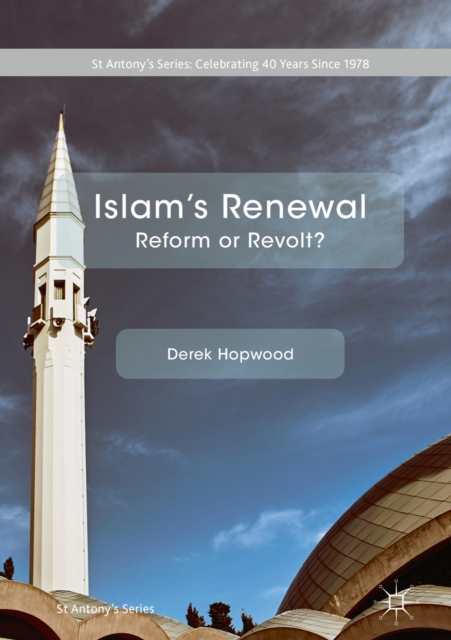
The book considers some of the solutions proposed by Muslim activists and thinkers in their attempts to renew (tajdid) their ways of life and thought in accord with the demands of the age in which they lived.
Providing an expansive view of the making and meaning of African American conservatism, this volume examines the phenomenon in four spheres: the political realm, the academic world, the black church, and grass-roots activism movements.
This book examines the unintended consequences of top-down reforms in Iran, analysing how the Iranian reformist governments (1997-2005) sought to utilise gradual reforms to control independent activism, and how citizens responded to such a disciplinary action.
This book addresses the discourses, agendas and actions of Muslim faith-based organizations and activists to empower Muslim communities in contemporary sub-Saharan Africa.
Situated within the wider post-secular turn in politics and international relations, this volume focuses not on religion per se, but rather explicitly on theology.
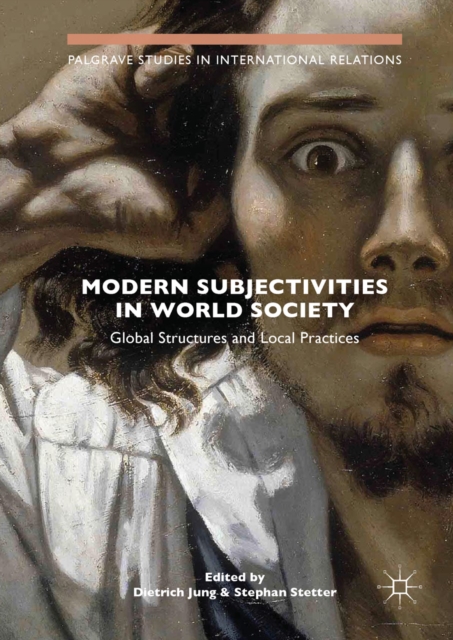
This book brings together theories of world society with poststructuralist and postcolonial work on modern subjectivity to understand the universalising and particularising processes of globalisation.
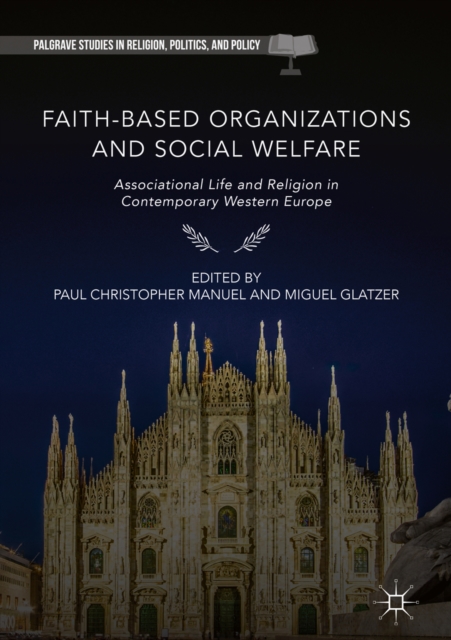
This volume examines the role and function of religious-based organizations in strengthening associational life in a representative sample of West European countries: newly democratized and long-established democracies, societies with and without a dominant religious tradition, and welfare states with different levels and types of state-provided social services.
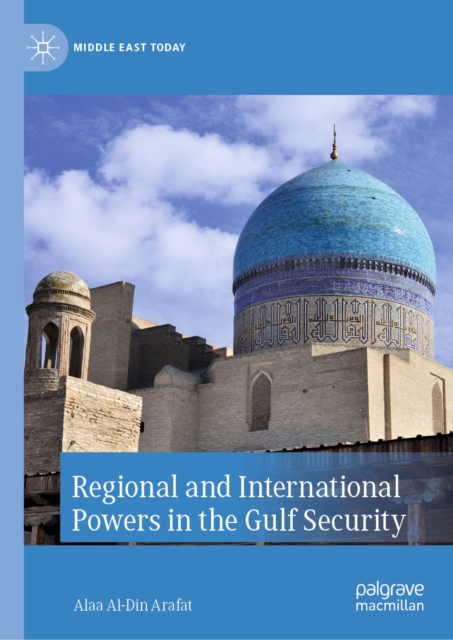
This book discusses the threats and challenges facing the Persian Gulf and the future security in the region, providing an overview of the major regional and extra-regional actors in Gulf security.
This book poses a radical challenge to the legend of Socrates bequeathed by Plato and echoed by scholars through the ages: that Socrates was an innocent sage convicted and sentenced to death by the democratic mob, for merely questioning the political and religious ideas of his time.