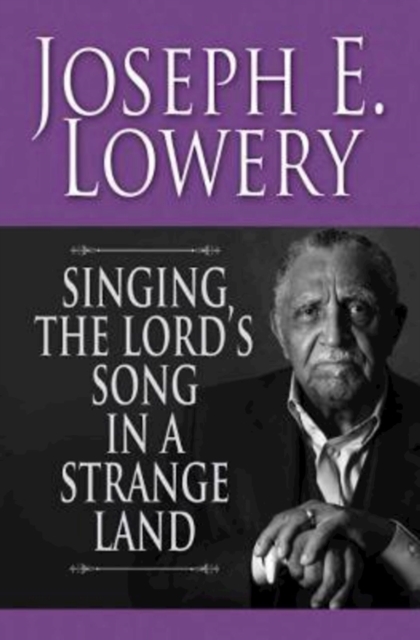
From the earliest meetings of the Civil Rights Movement to offering the benediction for the first African American President of the United States, Rev.
Consociational Power-Sharing in Northern Ireland, from leading scholars in the field, explores the evolution and challenges of consociational power-sharing in Northern Ireland for politics and societal relations.
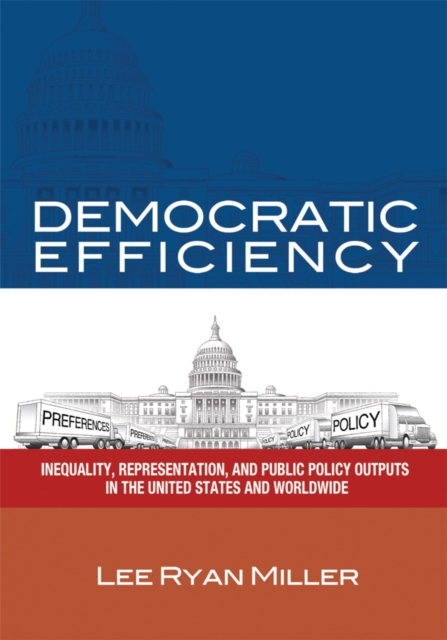
This ground-breaking book demonstrates that the decentralized decision-making processes characteristic of democracies are responsible for making them the most successful countries in the world.
A groundbreaking history of the wars of the Ottoman Expansion, a truly global conflagration that crisscrossed three continents and ultimately defined the borders and future of modern Europe.
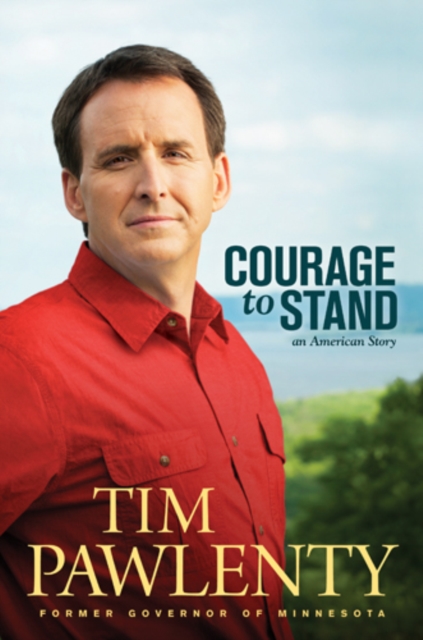
Long before he was considered a top prospective presidential candidate for 2012-even before he landed on John McCain's short list of potential running mates in 2008-Governor Tim Pawlenty had already earned legendary status in conservative circles.
In this groundbreaking book, now available in softcover, acclaimed researcher and author George Barna identifies, describes, and analyzes seven major "e;faith tribes"e; in America-documenting who they are, what they believe, how they vote, and what they are passionate about.
The most widely debated conception of democracy in recent years is deliberative democracy--the idea that citizens or their representatives owe each other mutually acceptable reasons for the laws they enact.
An incisive history of the changing relationship between democracy and capitalismThe twentieth century witnessed the triumph of democratic capitalism in the industrialized West, with widespread popular support for both free markets and representative elections.
The gripping story of an explosive turning point in the history of modern IndiaOn the night of June 25, 1975, Indira Gandhi declared a state of emergency in India, suspending constitutional rights and rounding up her political opponents in midnight raids across the country.
The received wisdom in European integration history is that, long before the EU was plagued by Euroscepticism and other forms of contestation, there was a "e;permissive consensus"e; between European elites and the general public, which allowed European integration to move forward.
Comparative Approaches to Law and Religion examines the methodological challenges of studying the interplay between law and religion across diverse jurisdictions.
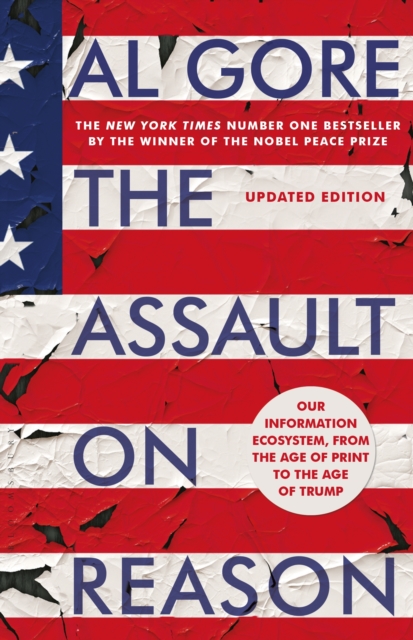
Now with a New Preface and Conclusion: 'Post-Truth: On Donald Trump and the 2016 Election' The United States of America is in the midst of a deepening crisis for their democracy.
This anthology gathers Giuseppe Mazzini's most important essays on democracy, nation building, and international relations, including some that have never before been translated into English.
The Global Commonwealth of Citizens critically examines the prospects for cosmopolitan democracy as a viable and humane response to the challenges of globalization.
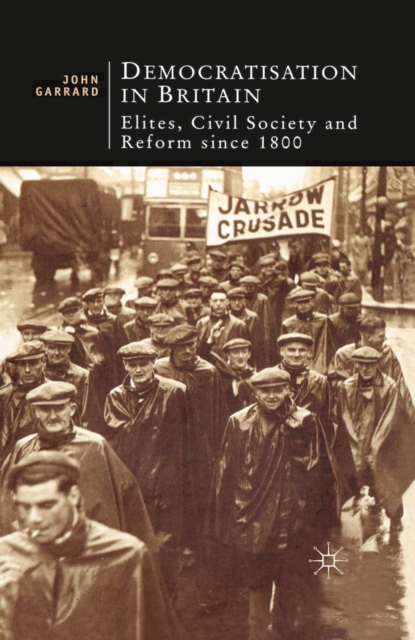
Democratisation in Britain is a novel reinterpretation of British social and political history since 1800 in light of the continuing debate about democratisation.
How local contexts help us understand why White voters in America's heartland are shifting to the rightOver the past several decades, predominantly White, postindustrial cities in America's agriculture and manufacturing center have flipped from blue to red.
How to sustain an international system of cooperation in the midst of geopolitical struggleCan the international economic and legal system survive today's fractured geopolitics?
How racism and discrimination have been central to democracies from the classical period to todayAs right-wing nationalism and authoritarian populism gain momentum across the world, liberals, and even some conservatives, worry that democratic principles are under threat.
How China's political model could prove to be a viable alternative to Western democracyWesterners tend to divide the political world into "e;good"e; democracies and "e;bad"e; authoritarian regimes.
How Woodrow Wilson's vision of making the world safe for democracy has been betrayed-and how America can fulfill it againThe liberal internationalist tradition is credited with America's greatest triumphs as a world power-and also its biggest failures.
An acclaimed examination of how the American political system favors the wealthy-now fully revised and expandedThe first edition of Unequal Democracy was an instant classic, shattering illusions about American democracy and spurring scholarly and popular interest in the political causes and consequences of escalating economic inequality.
A rigorous and comprehensive account of recent democratic transitions around the worldFrom the 1980s through the first decade of the twenty-first century, the spread of democracy across the developing and post-Communist worlds transformed the global political landscape.
The end of the Cold War was a "e;big bang"e; reminiscent of earlier moments after major wars, such as the end of the Napoleonic Wars in 1815 and the end of the world wars in 1919 and 1945.
How social media is giving rise to a chaotic new form of politicsAs people spend increasing proportions of their daily lives using social media, such as Twitter and Facebook, they are being invited to support myriad political causes by sharing, liking, endorsing, or downloading.
Why compromise is essential for effective government and why it is missing in politics todayTo govern in a democracy, political leaders have to compromise.
Why India's problems won't be solved by rapid economic growth aloneWhen India became independent in 1947 after two centuries of colonial rule, it immediately adopted a firmly democratic political system, with multiple parties, freedom of speech, and extensive political rights.
The Soldier and the Changing State is the first book to systematically explore, on a global scale, civil-military relations in democratizing and changing states.