The book reveals the interconnection between social, cultural and political protest movements and social and economic changes in a post-communist country like Russia still dominated by bureaucratic rulers and "e;oligarchs"e; controlling all basic industries and mining activities.
Presenting a study of regime transition, political transformation, and the challenges that faced the post-Communist republics of Central Asia on independence, this book focuses on the process of transition in Tajikistan and Uzbekistan, and the obstacles that these newly-independent states are facing in the post-Communist period.
Presenting a study of regime transition, political transformation, and the challenges that faced the post-Communist republics of Central Asia on independence, this book focuses on the process of transition in Tajikistan and Uzbekistan, and the obstacles that these newly-independent states are facing in the post-Communist period.
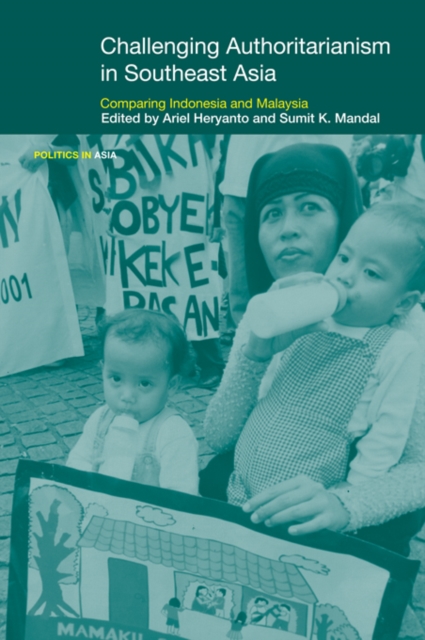
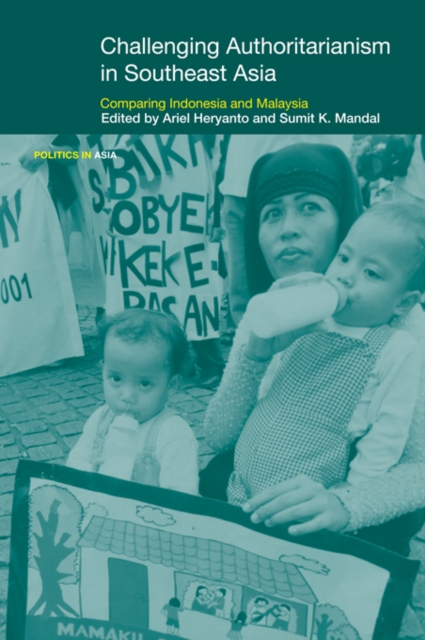
Challenging Authoritarianism in Southeast Asia is one of the first substantial comparative studies of contemporary Indonesia and Malaysia, homes to the world's largest Muslim population.
Challenging Authoritarianism in Southeast Asia is one of the first substantial comparative studies of contemporary Indonesia and Malaysia, homes to the world's largest Muslim population.
Since the victory of the 1949 revolution the incumbency of the Chinese Communist Party has been characterized by an almost relentless struggle to legitimize its monopoly on political power.
Since the victory of the 1949 revolution the incumbency of the Chinese Communist Party has been characterized by an almost relentless struggle to legitimize its monopoly on political power.
This book analyzes the relationship between political power and the media in a range of nation states in East and Southeast Asia, focusing in particular on the place of the media in authoritarian and post-authoritarian regimes.
This book analyzes the relationship between political power and the media in a range of nation states in East and Southeast Asia, focusing in particular on the place of the media in authoritarian and post-authoritarian regimes.
Available for the first time in English language translation, this is the long-awaited second volume of the three part set on Totalitarianism and Political Religions, edited by the eminent Professor Hans Maier.
Available for the first time in English language translation, this is the long-awaited second volume of the three part set on Totalitarianism and Political Religions, edited by the eminent Professor Hans Maier.
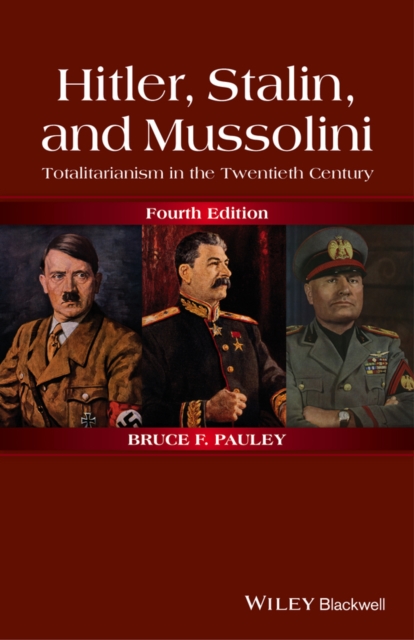
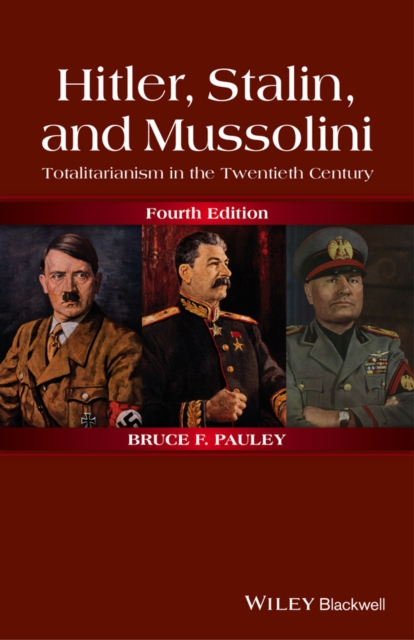
The fourth edition of Hitler, Stalin, and Mussolini: Totalitarianism in the Twentieth Century presents an innovative comparison of the origins, development, and demise of the three forms of totalitarianism that emerged in twentieth-century Europe.
The fourth edition of Hitler, Stalin, and Mussolini: Totalitarianism in the Twentieth Century presents an innovative comparison of the origins, development, and demise of the three forms of totalitarianism that emerged in twentieth-century Europe.
Launches a new research agenda on one of the most common but overlooked features of the democratization experience worldwide: authoritarian successor parties.
Launches a new research agenda on one of the most common but overlooked features of the democratization experience worldwide: authoritarian successor parties.