How middle-class economic dependence on the state impedes democratization and contributes to authoritarian resilienceConventional wisdom holds that the rising middle classes are a force for democracy.
A bold new approach to combatting the inherent corruption of representative democracyThis provocative book reveals how the majority of modern liberal democracies have become increasingly oligarchic, suffering from a form of structural political decay first conceptualized by ancient philosophers.
An anthropologist's groundbreaking account of how Islamic religious authority is assembled through the unceasing labor of community building on the island of JavaThis compelling book draws on Ismail Fajrie Alatas's unique insights as an anthropologist to provide a new understanding of Islamic religious authority, showing how religious leaders unite diverse aspects of life and contest differing Muslim perspectives to create distinctly Muslim communities.
How the executive branch-not the president alone-formulates executive orders, and how this process constrains the chief executive's ability to act unilaterallyThe president of the United States is commonly thought to wield extraordinary personal power through the issuance of executive orders.
A comprehensive look at how violence has been used to manipulate competitive electoral processes around the world since World War IIThroughout their history, political elections have been threatened by conflict, and the use of force has in the past several decades been an integral part of electoral processes in a significant number of contemporary states.
An authoritative guide to federal democracy from two respected experts in the fieldAround the world, federalism has emerged as the system of choice for nascent republics and established nations alike.
An in-depth look into the psychology of voters around the world, how voters shape elections, and how elections transform citizens and affect their livesCould understanding whether elections make people happy and bring them closure matter more than who they vote for?
A groundbreaking look at how group expectations unify Black Americans in their support of the Democratic partyBlack Americans are by far the most unified racial group in American electoral politics, with 80 to 90 percent identifying as Democrats-a surprising figure given that nearly a third now also identify as ideologically conservative, up from less than 10 percent in the 1970s.
How political protests and activism influence voters and candidatesThe "e;silent majority"e;-a phrase coined by Richard Nixon in 1969 in response to Vietnam War protests and later used by Donald Trump as a campaign slogan-refers to the supposed wedge that exists between protestors in the street and the voters at home.
How the NRA became a political juggernaut by influencing the behaviors and beliefs of everyday AmericansThe National Rifle Association is one of the most powerful interest groups in America, and has consistently managed to defeat or weaken proposed gun regulations-even despite widespread public support for stricter laws and the prevalence of mass shootings and gun-related deaths.
How challenger parties, acting as political entrepreneurs, are changing European democraciesChallenger parties are on the rise in Europe, exemplified by the likes of Podemos in Spain, the National Rally in France, the Alternative for Germany, or the Brexit Party in Great Britain.
How voting behavior in Latin America is influenced by social networks and everyday communication among peersIn Latin America's new democracies, political parties and mass partisanship are not deeply entrenched, leaving many votes up for grabs during election campaigns.
The racist legacy behind the Western idea of freedomThe era of the Enlightenment, which gave rise to our modern conceptions of freedom and democracy, was also the height of the trans-Atlantic slave trade.
A major new history of how democracy became the dominant political force in Europe in the second half of the twentieth centuryWhat happened in the years following World War II to create a democratic revolution in the western half of Europe?
A compelling account of South Africa's post-Apartheid democracyAt a time when many democracies are under strain around the world, Until We Have Won Our Liberty shines new light on the signal achievements of one of the contemporary era's most closely watched transitions away from minority rule.
An exploration of the factors behind neoliberalism's resilience in developing economies and what this could mean for democracy's futureSince the 1980s, neoliberalism has withstood repeated economic shocks and financial crises to become the hegemonic economic policy worldwide.
A leading foreign policy thinker uses Chinese political theory to explain why some powers rise as others decline and what this means for the international orderWhile work in international relations has closely examined the decline of great powers, not much attention has been paid to the question of their rise.
An incisive history of the changing relationship between democracy and capitalismThe twentieth century witnessed the triumph of democratic capitalism in the industrialized West, with widespread popular support for both free markets and representative elections.
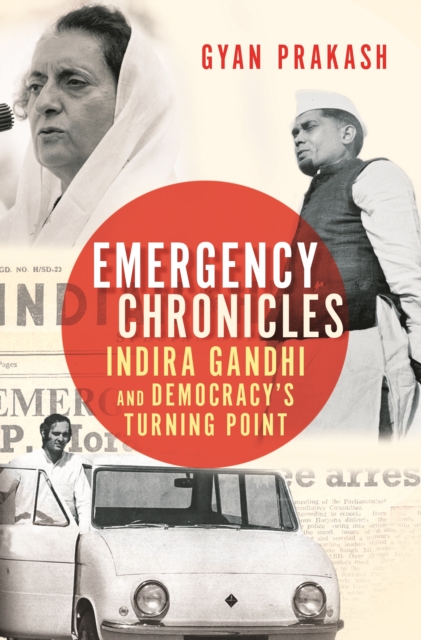
The gripping story of an explosive turning point in the history of modern IndiaOn the night of June 25, 1975, Indira Gandhi declared a state of emergency in India, suspending constitutional rights and rounding up her political opponents in midnight raids across the country.
A revealing look at how today's bureaucrats are finding their public voice in the era of 24-hour mediaOnce relegated to the anonymous back rooms of democratic debate, our bureaucratic leaders are increasingly having to govern under the scrutiny of a 24-hour news cycle, hyperpartisan political oversight, and a restless populace that is increasingly distrustful of the people who govern them.
How a hybrid Confucian-engendered form of governance might solve today's political problemsWhat might a viable political alternative to liberal democracy look like?
How referendums can diffuse populist tensions by putting power back into the hands of the peoplePropelled by the belief that government has slipped out of the hands of ordinary citizens, a surging wave of populism is destabilizing democracies around the world.
A comprehensive account of how the Athenian constitution was created-with lessons for contemporary constitution-buildingWe live in an era of constitution-making.
Democracy establishes relationships of political equality, ones in which citizens equally share authority over what they do together and respect one another as equals.
Why there should be a larger role for the judiciary in American foreign relationsIn the past several decades, there has been a growing chorus of voices contending that the Supreme Court and federal judiciary should stay out of foreign affairs and leave the field to Congress and the president.
How Hawai'i became an emblem of multiculturalism during its journey to statehood in the mid-twentieth centuryGateway State explores the development of Hawai'i as a model for liberal multiculturalism and a tool of American global power in the era of decolonization.
How digital media are transforming Arab culture, literature, and politicsIn recent years, Arab activists have confronted authoritarian regimes both on the street and online, leaking videos and exposing atrocities, and demanding political rights.
The important political motivations behind why women finally won the right to voteIn the 1880s, women were barred from voting in all national-level elections, but by 1920 they were going to the polls in nearly thirty countries.
'The political memoir of the decade' Sunday TimesThe referendum on Britain's membership of the EU is one of the most controversial political events of our times.
A TIMES POLITICAL BOOK OF THE YEARA LONGMAN/HISTORY TODAY BOOK OF THE YEARThe award-winning history of the British Welfare State -now fully revised and updated for the 21st Century.
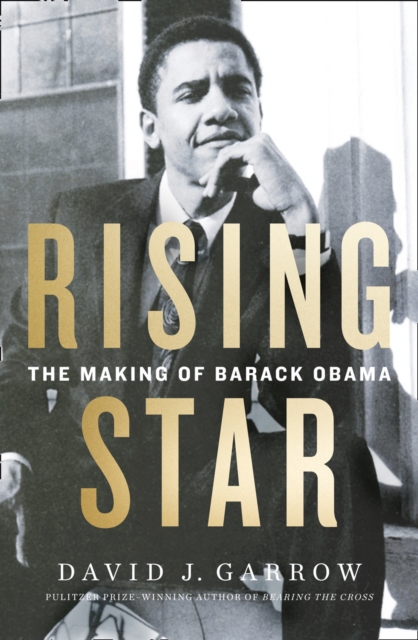
The definitive account of Barack Obama's life before he became the 44th president of the United States - the formative years, confluence of forces, and influential figures who helped shaped an extraordinary leader and his rise - from the Pulitzer Prize-winning author of Bearing the Cross.
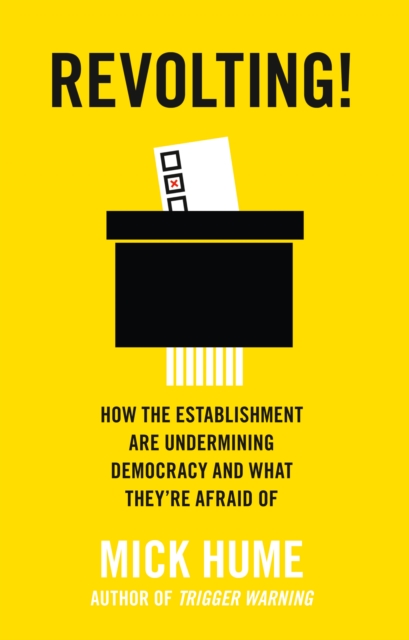
A short, sharp intervention in the crucial debate about the future of democracy, which has been brought to a head by events from Brexit to the Trump phenomenon.
THE #2 SUNDAY TIMES BESTSELLER 'A gripping story of human frailty, love, loss, sadness, and tragedy' Daily MailShe is the most public and least understood woman in Britain.
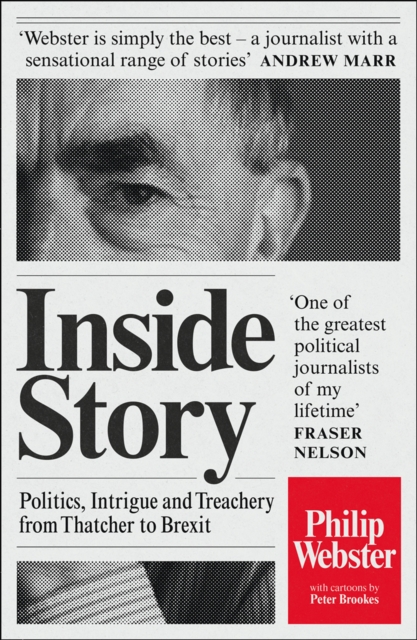
From one of the greatest political journalists of recent times, an insider's account of four decades of covering the British political scene, packed with tales of the biggest political happenings of the last half century.
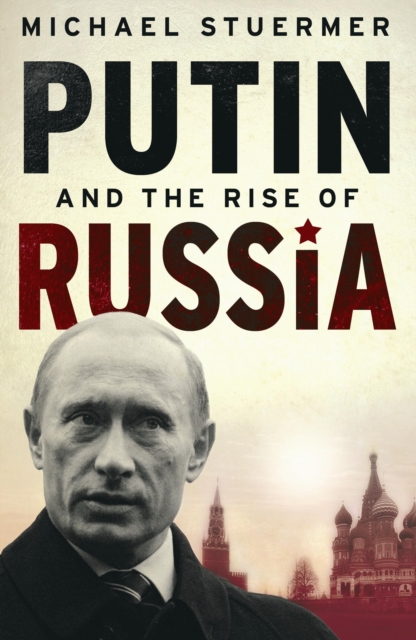
'An excellent and important work' Literary Review'Anyone concerned about how the bear will respond will find this historically informative account an accessible and stimulating guide' Sunday Express'Putin and the Rise of Russia is a privileged insider's account of the Russian enigma at first hand.
Reissued with a new foreword to mark the centenary of Harold Wilson's birth, Ben Pimlott's classic biography combines scholarship and observation to illuminate the life and career of one of Britain's most controversial post-war statesmen.
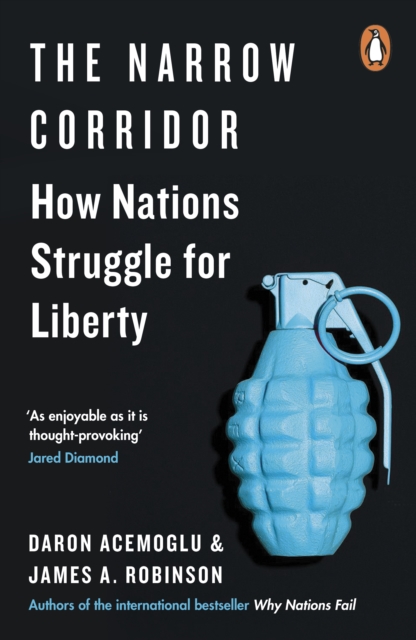
'As enjoyable as it is thought-provoking' Jared DiamondBy the authors of the international bestseller Why Nations Fail, based on decades of research, this powerful new big-picture framework explains how some countries develop towards and provide liberty while others fall to despotism, anarchy or asphyxiating norms - and explains how liberty can thrive despite new threats.
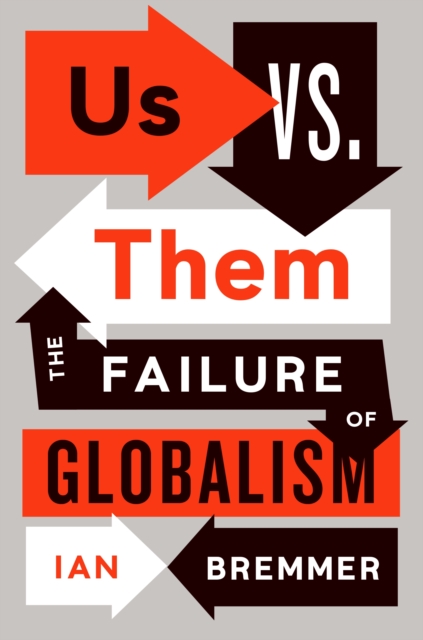
IAN BREMMER WAS NAMED LINKEDIN'S #1 TOP INFLUENCER in 2017--------------'Required reading to help repair a world in pieces and build a world at peace' - Ant nio Guterres, United Nations Secretary General --------------'Ian Bremmer is provocative, controversial, and always intelligent about the state of the world, which he knows so well' - Christine Lagarde, Managing Director of the International Monetary Fund --------------From Brexit, to Donald Trump, to extremist parties in Europe and the developing world, populism has dominated recent headlines.